
For seasoned investors and newcomers alike, the sight of a green dashboard across major indices like the S&P 500, the Dow Jones Industrial Average, and the Nasdaq Composite is a welcome relief. However, “green” days are rarely the result of a single isolated event. Instead, they represent a complex convergence of macroeconomic data, corporate performance, and psychological shifts in the investor landscape. To understand why the stock market is up today, one must look beyond the flashing numbers and analyze the underlying structural drivers that govern the flow of capital.

The Influence of Macroeconomic Data and Central Bank Policy
The most potent driver of broad market movements is the macroeconomic environment. Investors are constantly scanning the horizon for signals that indicate whether the economy is expanding, contracting, or stabilizing. When the market moves upward, it is often a sign that the data has aligned in a way that favors growth and reduces risk.
Inflation Benchmarks and CPI Reports
Inflation is arguably the most significant factor in modern market valuation. Today’s rally may be a direct response to a cooling Consumer Price Index (CPI) or Producer Price Index (PPI). When inflation figures come in lower than analysts’ expectations, it signals to the market that the purchasing power of the dollar is stabilizing. For the stock market, lower inflation is a “risk-on” signal; it suggests that the cost of raw materials and labor for corporations may begin to level off, thereby protecting profit margins.
The Federal Reserve’s Stance on Interest Rates
In the world of finance, interest rates are the “gravity” that pulls on asset prices. When the Federal Reserve hints at a pause in rate hikes or, better yet, a potential rate cut, the market responds with enthusiasm. Lower interest rates reduce the cost of borrowing for businesses, allowing them to fund expansion and innovation more cheaply. Furthermore, lower rates make fixed-income assets like bonds less attractive compared to equities, driving capital out of the “safe” bond market and back into the stock market.
Employment Statistics and Economic Resilience
A robust labor market is often a double-edged sword, but in today’s context, a strong yet stabilizing jobs report can push the market higher. If unemployment remains low while wage growth stays moderate, it suggests a “soft landing”—an economic scenario where inflation is tamed without triggering a recession. When investors believe the economy is resilient enough to withstand high rates without collapsing, they buy back into the market with renewed confidence.
Corporate Earnings Excellence and Sector Rotations
While the macro picture sets the stage, individual corporate performances provide the script. The stock market is ultimately a collection of businesses, and their ability to generate profit is the fundamental driver of share prices.
The Role of Quarterly Reports in Boosting Confidence
We are often in or near “earnings season,” a period where publicly traded companies disclose their financial health. If a significant number of “blue-chip” companies—the titans of industry—report earnings that beat consensus estimates, it creates a ripple effect. Strong earnings indicate that despite economic headwinds, companies are finding ways to innovate, cut costs, and maintain consumer demand. Positive “forward guidance,” where CEOs project growth for the coming quarters, is particularly powerful in driving today’s prices upward.
The Outsized Impact of Growth and Tech Stocks
In the modern economy, the technology sector carries a disproportionate weight in major indices. When the market is up, it is often led by the “Magnificent Seven” or similar high-growth entities. These companies are viewed as the engines of the future. If these firms announce breakthroughs in efficiency or record-breaking revenue from cloud computing and software-as-a-service (SaaS) models, the entire Nasdaq often surges, pulling the broader market along with it.
Identifying Defensive vs. Cyclical Rallies
To understand the nature of today’s upward movement, one must look at which sectors are leading. If “cyclical” stocks—such as financials, industrials, and consumer discretionary—are up, it indicates a belief in a booming economy. Conversely, if the rally is led by “defensive” sectors like utilities or healthcare, it may be a more cautious rise. Today’s market surge appears driven by an optimistic rotation into sectors that thrive during periods of technological advancement and consumer stability.
Geopolitical Stability and Global Market Interconnectivity
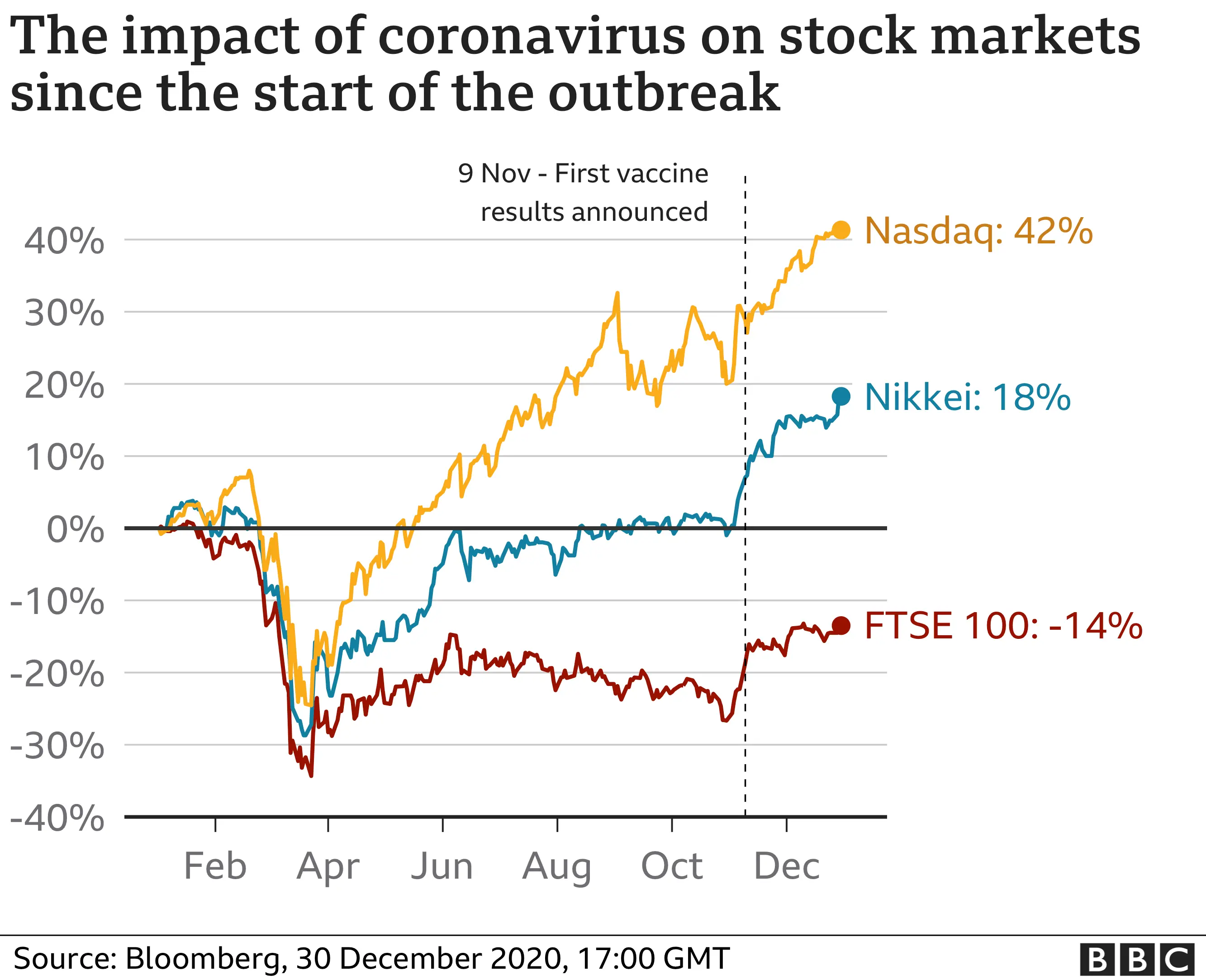
The stock market does not exist in a vacuum; it is part of a global web of trade, politics, and resource management. Sudden upward movements are frequently the result of “geopolitical de-risking.”
The Impact of Trade Agreements and Supply Chain Fluidity
Market volatility is often fueled by uncertainty regarding international trade. If today’s market is up, it may be due to the resolution of a trade dispute, the signing of a new bilateral agreement, or data suggesting that global supply chains are operating at peak efficiency. When the “friction” of moving goods across borders is reduced, the projected costs for multinational corporations drop, leading to an immediate revaluation of their stock prices.
Energy Prices and Commodity Market Stabilization
Energy is an input for almost every sector of the economy. A stabilization or decrease in crude oil and natural gas prices acts as a de facto tax cut for both corporations and consumers. When energy prices level off, transportation costs decrease and discretionary spending increases. The market views stabilized energy markets as a sign of predictability, and the market loves predictability.
Global Capital Flows and the Strength of the Dollar
The relative strength of the U.S. Dollar (DXY) plays a massive role in how the stock market performs. A slightly weaker dollar can actually be a boon for the S&P 500, as many of these companies earn a significant portion of their revenue overseas. When the dollar weakens, those foreign earnings become more valuable when converted back into USD, padding the bottom line and making the stocks more attractive to domestic investors.
Psychological Triggers and Technical Market Indicators
Finance is as much about human psychology as it is about mathematics. The momentum we see today is often reinforced by technical levels and the collective behavior of millions of participants.
Institutional Buying and “Big Money” Inflows
The primary movers of the market are not retail investors, but institutional giants—pension funds, hedge funds, and mutual funds. These entities manage trillions of dollars. When these “whales” decide that a market bottom has been reached or that a specific catalyst justifies a new position, they move massive amounts of capital. This institutional “buying pressure” creates a floor for prices and drives the upward trajectory we are witnessing today.
Breaking Through Technical Resistance Levels
Traders often look at “charts” to determine their next move. If the market has been bumping against a “resistance level”—a price point it has struggled to exceed—and it finally breaks through, a wave of automated buying is triggered. This technical breakout encourages momentum traders to jump in, fearing they will miss the next leg of the rally.
The “Fear of Missing Out” (FOMO) and Retail Sentiment
Investor sentiment can shift from fear to greed in a matter of hours. After a period of stagnation or decline, a single day of positive movement can trigger “FOMO.” Retail investors, who may have been sitting on the sidelines in cash or “money market” funds, begin to re-enter the market to capture gains. This influx of liquidity provides the final push needed to sustain a daily rally.
Leveraging Market Momentum for Personal Wealth
Understanding why the market is up is only half the battle; the other half is knowing how to use this information to enhance your personal financial strategy.
Avoiding the Pitfalls of Short-Term Speculation
While a green day is exciting, disciplined investors avoid “chasing the dragon.” It is tempting to buy into a rally at its peak, but the most successful wealth-builders focus on time in the market rather than timing the market. Use today’s positive movement as a confirmation of your long-term thesis rather than a signal to engage in risky, short-term day trading.
Rebalancing Your Portfolio During Rallies
A surging market provides an excellent opportunity to review your asset allocation. If tech stocks have rallied significantly, they may now represent a larger percentage of your portfolio than you originally intended. Professional money management often involves “selling into strength”—trimming a bit of your winners to reallocate into undervalued sectors, ensuring that your risk profile remains balanced.

Maintaining a Long-Term Financial Perspective
The stock market is a weighing machine in the long run but a voting machine in the short run. Today’s “up” day is a vote of confidence in the current economic trajectory. For the individual investor, the goal remains the same: consistent contribution, diversified holdings, and a focus on the fundamental health of the companies and funds you own. Whether the market is up because of the Fed, earnings, or a technical breakout, the path to financial independence is paved with patience and a clear understanding of the mechanics of money.
aViewFromTheCave is a participant in the Amazon Services LLC Associates Program, an affiliate advertising program designed to provide a means for sites to earn advertising fees by advertising and linking to Amazon.com. Amazon, the Amazon logo, AmazonSupply, and the AmazonSupply logo are trademarks of Amazon.com, Inc. or its affiliates. As an Amazon Associate we earn affiliate commissions from qualifying purchases.