
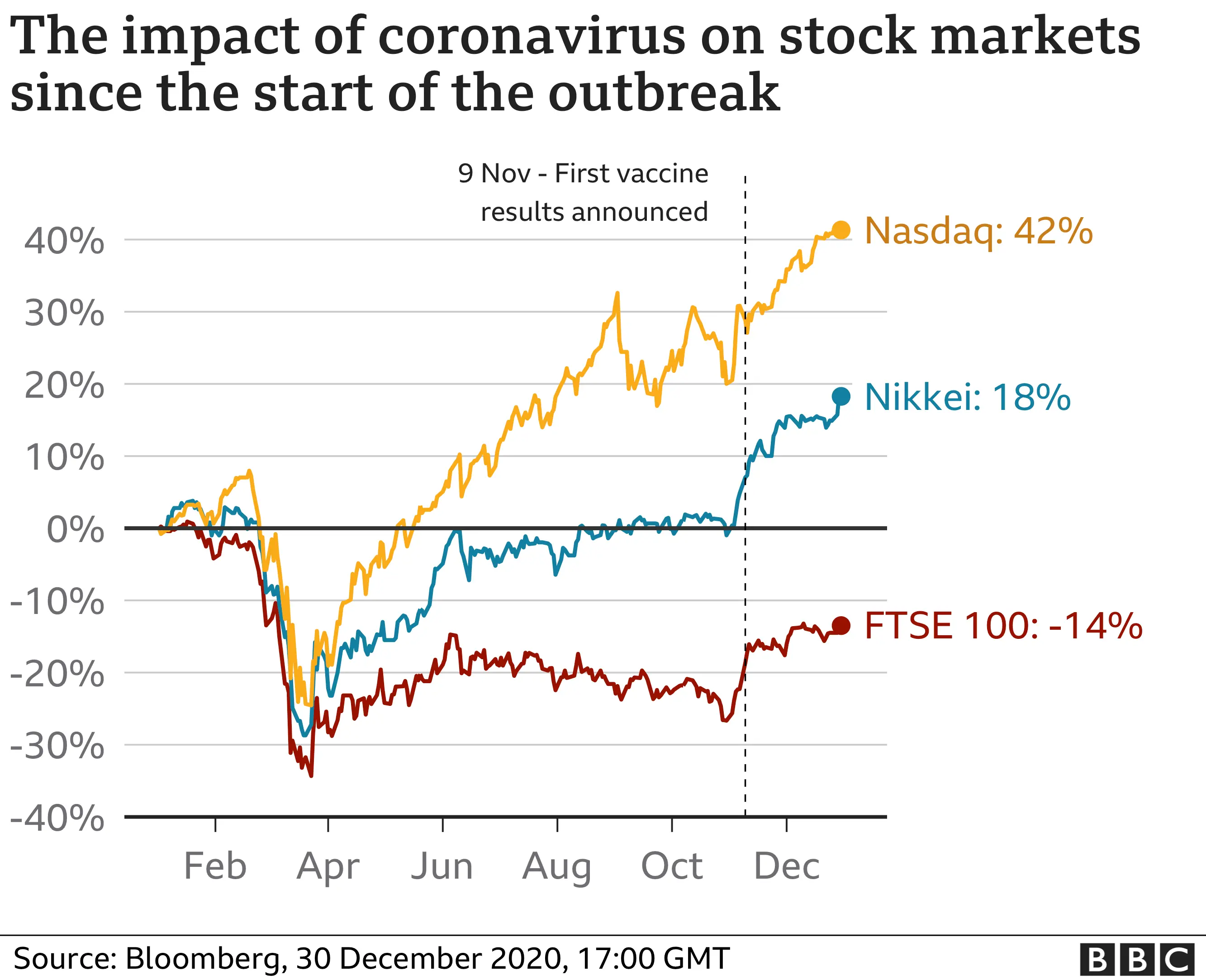
For any investor, the sight of a sea of green on a trading dashboard brings a sense of relief and excitement. However, the stock market is rarely driven by a single event. It is a complex, living ecosystem influenced by a myriad of global factors, psychological shifts, and hard economic data. When we ask “why is the stock market up today,” we are essentially peeling back the layers of global finance to understand what has tilted the scales of supply and demand in favor of the bulls.
Understanding these drivers is not just an academic exercise; it is a fundamental skill for personal finance management and long-term wealth building. By identifying the catalysts behind daily price action, investors can distinguish between short-term noise and long-term structural shifts.
The Macroeconomic Engine: Inflation Data and Interest Rate Expectations
The most significant driver of stock market performance in the current era is the macroeconomic environment, specifically the interplay between inflation and central bank policy. For the better part of the last two years, the Federal Reserve and other global central banks have been the primary architects of market sentiment.
Cooling CPI and PPI Figures
Inflation is the natural enemy of equity valuations. When the Consumer Price Index (CPI) or the Producer Price Index (PPI) comes in lower than analysts expected, the market tends to react with a sharp upward trajectory. Lower inflation suggests that the purchasing power of consumers is stabilizing and, more importantly, that the central bank may no longer need to keep interest rates aggressively high. When today’s market is up, it is often because a fresh batch of data has suggested that the “inflation monster” is being tamed, allowing for a more predictable economic outlook.
The Federal Reserve’s Pivot Potential
Stock markets are forward-looking mechanisms. They don’t just trade on what is happening now; they trade on what they expect to happen in six to twelve months. If the Federal Reserve signals a “pivot”—moving from a hawkish stance (raising rates) to a dovish stance (pausing or cutting rates)—equity markets typically rally. Lower interest rates reduce the cost of borrowing for corporations, which fuels expansion and increases the present value of future cash flows. When investors sense that the peak of the rate-cycle has passed, they rush back into equities, driving prices higher.
Corporate Performance: Why Earnings Seasons Dictate Market Direction
While macroeconomics sets the stage, individual corporate health provides the script. The stock market is, at its core, a collection of businesses. When the heavyweights of the S&P 500 or the Nasdaq 100 report strong financial health, the entire market feels the lift.
Beating Expectations and Positive Guidance
Four times a year, during earnings season, companies pull back the curtain on their financial performance. If a significant number of bellwether companies report higher-than-expected revenue and earnings per share (EPS), it validates the “soft landing” narrative. However, the “today” aspect of a market rally is often driven by “guidance.” If a CEO provides an optimistic outlook for the next quarter, citing robust consumer demand or improved operational efficiency, investors view this as a green light to buy. A market that is up today is often a market that has just digested a series of positive surprises from industry leaders.
The Influence of Mega-Cap Growth Stocks
We live in an era where a handful of companies—often referred to as the “Magnificent Seven”—hold disproportionate weight in the major indices. Because these indices are market-cap weighted, a 3% jump in a trillion-dollar company has a much larger impact on the “market” than a 10% jump in a mid-cap firm. If today’s market is up, it is highly likely that the tech titans and consumer discretionary giants are seeing heavy inflow. These stocks often act as a proxy for the broader economy; when they thrive, the index follows.
Market Psychology and Technical Indicators
Finance is often treated as a hard science, but it is deeply rooted in human psychology. The collective “mood” of millions of traders can create momentum that defies fundamental logic in the short term.
The Role of Institutional Inflows
The “big money”—pension funds, hedge funds, and mutual funds—moves the needle. When these institutions decide to rebalance their portfolios or deploy “dry powder” (cash reserves), the sheer volume of their buying pressure pushes prices up. Today’s rally might be the result of institutional investors moving out of “safe haven” assets like gold or treasury bonds and back into “risk-on” assets like stocks. This shift usually happens when the perceived risk of a recession diminishes, or when a specific technical level has been breached.
Technical Breakouts and Support Levels
Many traders use technical analysis to make decisions. If a major index like the S&P 500 has been bumping against a “resistance” level for weeks and finally breaks through it, a wave of automated “buy” orders is triggered. This creates a self-fulfilling prophecy of upward movement. Furthermore, when the market stays above key moving averages (like the 50-day or 200-day moving average), it signals a healthy uptrend, encouraging sidelined investors to jump back in for fear of missing out (FOMO).
Global Factors and Geopolitical Stability
In our interconnected world, a headline from across the globe can impact a portfolio in New York or London instantly. Markets hate uncertainty, and conversely, they love clarity.
Energy Prices and Supply Chain Normalization
The cost of energy is a primary input for almost every business. If oil prices see a significant dip due to increased production or geopolitical de-escalation, it acts as a de facto tax cut for both corporations and consumers. Lower energy costs improve profit margins and leave more disposable income in the pockets of shoppers. When the market is up today, it may be a reaction to a stabilization in the energy sector or news that global supply chains are flowing more smoothly, reducing the “friction” of global commerce.
International Policy Shifts and Trade Relations
Positive developments in trade negotiations or a stabilization of relations between major world powers can spark a “relief rally.” Markets are constantly pricing in the risk of conflict or trade wars. When those risks subside—even slightly—the “risk premium” associated with stocks decreases, making them more attractive. Investors look for signs of global cooperation, as a stable world is a more profitable world for multinational corporations.
Strategies for Investors in a Rising Market
While a rising market is generally positive, it requires a disciplined approach to ensure that short-term gains translate into long-term financial security. It is easy to feel like a genius when everything is green, but the best investors use these periods to refine their strategy.
Avoiding the Trap of FOMO
One of the greatest dangers in a hot market is “Fear Of Missing Out.” When the stock market is up significantly today, the temptation is to chase the rally and buy at the peak. Professional investors recommend sticking to a “Dollar Cost Averaging” (DCA) strategy. By investing a fixed amount at regular intervals, you ensure that you buy more shares when prices are low and fewer when they are high, smoothing out your cost basis over time and ignoring the daily volatility.

Portfolio Rebalancing and Long-term Vision
A strong rally in a specific sector (like Tech or AI) can leave your portfolio “top-heavy,” meaning you have more exposure to one sector than your original plan intended. Use days when the market is up to assess your allocations. Rebalancing—selling a portion of your winners to buy assets that haven’t moved yet—is a proven way to lock in gains and maintain a diversified risk profile.
In conclusion, when the stock market is up today, it is rarely the result of a single headline. It is the culmination of favorable economic data, strong corporate earnings, positive technical signals, and a general sense of global stability. For the savvy investor, today’s green screen is a reminder that while volatility is inevitable, the long-term trajectory of the market is driven by innovation, productivity, and the enduring resilience of the global economy. Stay informed, stay disciplined, and remember that the best time to understand the market is when it is moving in your favor.
aViewFromTheCave is a participant in the Amazon Services LLC Associates Program, an affiliate advertising program designed to provide a means for sites to earn advertising fees by advertising and linking to Amazon.com. Amazon, the Amazon logo, AmazonSupply, and the AmazonSupply logo are trademarks of Amazon.com, Inc. or its affiliates. As an Amazon Associate we earn affiliate commissions from qualifying purchases.