
In the sprawling landscape of global commerce, where countless brands vie for consumer attention, a company’s name is often its first, and sometimes most lasting, impression. It’s a foundational element of brand identity, a beacon that guides perception, and a critical component of market differentiation. Among the pantheon of globally recognized names, “Lululemon” stands out—a seemingly whimsical, non-descriptive appellation that has nevertheless become synonymous with premium athletic apparel, a lifestyle, and a thriving community. Far from being a random choice, the genesis and enduring power of the Lululemon name represent a fascinating case study in strategic branding, revealing how an abstract moniker can become a cornerstone of immense commercial success and cultural influence.
At its core, understanding “why Lululemon name” is to dissect a deliberate act of brand creation, steeped in a founder’s unique vision and a sophisticated understanding of market psychology. This article will delve into the strategic rationale behind this distinctive name, exploring its origins, its role in forging a powerful brand identity, and its enduring legacy in a competitive global marketplace.
The Genesis of a Distinctive Name: A Founder’s Bold Hypothesis
The story of the Lululemon name begins not in a corporate boardroom with focus groups and naming consultants, but rather with the singular vision and unconventional theories of its founder, Chip Wilson. His approach to naming was less about literal description and more about phonetic resonance and strategic market positioning, particularly concerning international appeal.
A Founder’s Vision and a Linguistic Experiment
Chip Wilson launched Lululemon Athletica in Vancouver, Canada, in 1998, initially as a design and yoga studio, which soon evolved into a retailer of athletic wear. From the outset, Wilson aimed to create a brand that transcended mere functionality, one that embodied a specific lifestyle of health, wellness, and self-improvement. Crucial to this aspiration was a name that could stand apart, evoke premium quality, and resonate with a global audience.
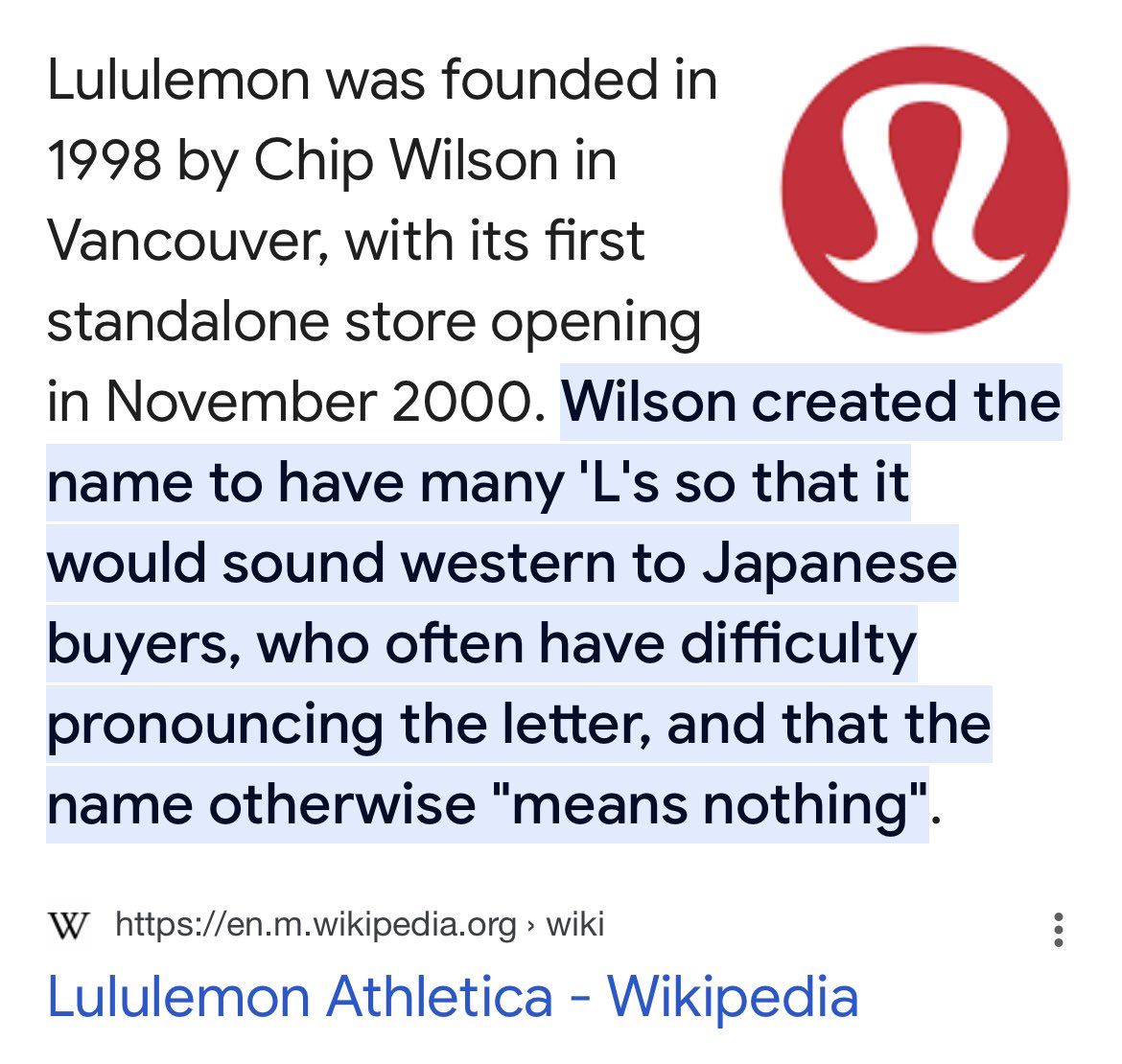
Wilson’s rationale for “Lululemon” has been the subject of much discussion, even some controversy, largely due to his candid and somewhat provocative explanations. His primary motivation, as he often articulated, was rooted in a linguistic theory related to the Japanese market. He observed that many successful global brands, particularly those perceived as high-end and aspirational in Japan, incorporated the “L” sound into their names, despite Japanese phonetics often substituting “R” for “L” (or lacking a distinct “L” sound). Wilson theorized that names featuring the letter “L” made it harder for Japanese speakers to pronounce, which, counterintuitively, made them sound more authentically American or Western, and thus more premium and aspirational to that demographic.
This theory led him to deliberately concoct a name laden with “L”s: Lululemon. The intention was to create a brand name that sounded distinctly Western and expensive to a key international market, even if it might initially be challenging to pronounce. This wasn’t about creating a name that directly translated to “yoga bliss” or “athletic perfection”; it was about crafting a phonetic identity designed for specific market impact.
The “L” Hypothesis and Market Strategy
While Wilson’s specific “L” hypothesis might appear idiosyncratic, it underscores a deeper strategic insight: the power of phonetic branding and market perception. In a world saturated with literal and descriptive brand names, Lululemon chose abstraction. This decision allowed the brand to operate beyond the confines of a descriptive label. If the company had been named “Yoga Gear Inc.” or “Activewear Pro,” its potential for expansion into broader lifestyle categories, men’s apparel, or even technology (e.g., Mirror acquisition) would have been inherently limited by the literal meaning of its name.
The “L” hypothesis, therefore, was less about a precise linguistic rule and more about a strategic play to create a unique and memorable sound profile. It was an audacious move that bet on distinctiveness over immediate comprehensibility, aligning with the brand’s premium positioning and aspirational target audience. This abstract approach gave Lululemon a blank canvas upon which to paint its brand story, free from the constraints of a name that would quickly become outdated or too narrow.
Beyond Phonetics: Building Brand Identity
The Lululemon name’s impact extends far beyond its phonetic origins. Its abstract, almost poetic quality has played a crucial role in cultivating a mystique and establishing a distinct brand identity that resonates deeply with its consumer base.
The Enigma and Exclusivity Factor
One of the most potent effects of an abstract brand name like Lululemon is the immediate sense of enigma it creates. Unlike names that tell you exactly what a company does, “Lululemon” tells you nothing explicit. This lack of literal meaning invites curiosity and allows consumers to project their own interpretations and associations onto the brand. This ambiguity contributes to an aura of exclusivity and sophistication. The name doesn’t try to appeal to everyone; it stands apart, suggesting that those who “get it” are part of a discerning group.
This enigmatic quality aligns perfectly with Lululemon’s strategy to position itself as a premium, lifestyle brand. It avoids the common pitfall of sounding generic or mass-market. Instead, it hints at something more profound than just athletic wear—a lifestyle choice, a community, an aspiration. This exclusivity helps foster a strong sense of belonging among its dedicated customers, who often view their association with Lululemon as an affirmation of their commitment to wellness and a particular aesthetic.
Pronunciation and Memorability
While the name might seem quirky or unfamiliar at first glance, its rhythm and structure make it surprisingly memorable once learned. The repetition of the “Lu” sound (“Loo-loo-lemon”) gives it a lyrical quality that rolls off the tongue. In the cluttered marketplace, memorability is a golden asset. A name that is easy to recall aids in word-of-mouth marketing, simplifies online searches, and strengthens brand recognition across all touchpoints.
Moreover, the distinctiveness of “Lululemon” means it doesn’t get lost in a sea of similar-sounding brands. It possesses a unique sonic identity that, once established, is hard to forget. This memorability is a testament to effective branding—creating a name that sticks, even without an obvious meaning, solely through its phonetic power and the consistent brand experience associated with it.
Avoiding Literal Traps
Perhaps one of the most significant strategic advantages of the Lululemon name is its complete divorce from literal product description. Many startup brands make the mistake of choosing names that are highly descriptive (e.g., “Best Running Shoes,” “Yoga Pants Express”). While these names offer immediate clarity, they come with severe limitations:
- Limited Scope: A descriptive name can pigeonhole a brand, making it difficult to expand into new product categories or services without confusing consumers or sounding incongruous. If Lululemon had been named “Yoga Wear Co.,” its foray into men’s apparel, accessories, or even fitness technology like The Mirror, would have been challenging to integrate seamlessly.
- Lack of Differentiation: Highly descriptive names often lack uniqueness, blending into a crowded market. It’s hard to trademark and protect a generic term, leading to constant battles for mindshare.
- Datedness: What’s descriptive today might be obsolete tomorrow. A name tied to a specific product or technology can quickly become irrelevant as trends change.
By opting for an abstract name, Lululemon gained unparalleled flexibility. The name itself carries no baggage of past trends or specific product lines, allowing the brand to evolve, innovate, and diversify its offerings while retaining a consistent and recognizable core identity. This forward-thinking approach has been instrumental in the brand’s sustained growth and ability to adapt to changing consumer demands.
Strategic Branding in Action: Cultivating Identity and Appeal
The choice of “Lululemon” was not merely an exercise in phonetics; it was a foundational element in a comprehensive brand strategy that sought to cultivate a unique identity, foster global appeal, and differentiate itself in an increasingly competitive market.
The Power of Storytelling and Myth-Making
Every iconic brand has a story, and the quirky, unconventional origin of the Lululemon name has become an intrinsic part of the brand’s narrative. Whether consumers fully grasp Chip Wilson’s “L” hypothesis or merely perceive the name as unusual, the discussion it generates contributes to its mystique. This storytelling element helps humanize the brand, making it more relatable and intriguing than a faceless corporate entity.
The deliberate creation of a name that invites questions and requires an explanation allows Lululemon to engage consumers on a deeper level. It provides content for articles, interviews, and casual conversations, effectively generating earned media and embedding the brand deeper into the cultural consciousness. This myth-making around its name underscores a broader brand strategy that values authenticity, distinctiveness, and a certain degree of self-aware playfulness.
Global Brand Appeal and Consistency
One of the significant advantages of an abstract, non-descriptive name is its universal applicability across diverse cultures and languages. While Lululemon’s origin story points to a specific consideration for the Japanese market, the broader implication is that a name devoid of direct meaning in one language does not carry unintended or negative connotations in another. This neutrality is invaluable for global expansion.
Unlike names that rely on puns, idioms, or cultural references, “Lululemon” travels well. It doesn’t require extensive translation or localization efforts, maintaining a consistent brand identity regardless of geographic market. This consistency strengthens global recognition and simplifies international marketing campaigns, reinforcing Lululemon’s status as a truly global lifestyle brand. The name, therefore, serves as a stable anchor for a brand with worldwide ambitions.
Differentiating in a Crowded Market
In the burgeoning activewear market, differentiation is paramount. When Lululemon first emerged, it entered a space dominated by established giants like Nike and Adidas, alongside a growing number of smaller, niche brands. Its distinctive name immediately set it apart. While competitors often relied on more traditional or performance-oriented names, “Lululemon” signaled something different—a premium, fashion-forward approach to athletic wear that prioritized comfort, style, and community.
The name, combined with innovative product design, high-quality materials, and a unique retail experience centered around community and wellness, collectively carved out a unique market position. The name became a shorthand for this entire distinct offering. It wasn’t just another sportswear brand; it was Lululemon. This powerful differentiation allowed the company to command premium prices and cultivate an exceptionally loyal customer base, demonstrating that a well-chosen name can be a formidable competitive advantage.
The Name’s Enduring Legacy and Future Implications
Today, Lululemon is a multi-billion dollar enterprise, recognized globally not just for its products but for its strong brand identity. The name, initially a linguistic experiment, has proven to be incredibly resilient and adaptable, contributing significantly to the brand’s enduring success and setting a precedent for modern naming strategies.
Adapting to Brand Evolution
The abstract nature of the Lululemon name has provided remarkable flexibility, enabling the brand to evolve far beyond its initial focus on women’s yoga apparel. The company has successfully expanded into men’s wear, casual clothing, accessories, and even ventured into home fitness technology with the acquisition of Mirror. Throughout these expansions, the name “Lululemon” has remained a consistent identifier, never feeling out of place or restrictive. This adaptability is a crucial advantage in today’s dynamic market, where brands must constantly innovate and diversify to stay relevant.
Had the name been descriptive of its initial product line, it would have created a cognitive dissonance with newer offerings. Instead, “Lululemon” serves as an empty vessel, filled over time with the rich meaning of a holistic lifestyle brand—a testament to its strategic foresight.
Consumer Perception and Brand Loyalty
For its dedicated customer base, “Lululemon” is more than just a brand name; it’s a symbol of quality, style, and a particular ethos. The distinctiveness of the name contributes to a strong emotional connection, fostering a sense of belonging among its community. This deep brand loyalty is a cornerstone of Lululemon’s success, driven not just by product excellence but by the overall brand experience, for which the name is the initial gateway. The name helps solidify an aspirational identity, making customers feel like they are investing in themselves and a desirable lifestyle.
Lessons for Modern Brand Naming
The Lululemon name offers invaluable lessons for businesses navigating the complex world of brand naming. It demonstrates that:
- Uniqueness can trump literal meaning: A distinctive, memorable, and protectable name can be more powerful than a descriptive one.
- Strategic intent matters: Even unconventional naming choices can be brilliant if underpinned by a clear understanding of target markets and brand positioning.
- Flexibility is key: Abstract names offer greater latitude for brand evolution and expansion.
- Storytelling adds value: The origin story of a name can become a compelling part of the brand’s narrative.
In an era where brand identity is everything, Lululemon’s journey illustrates that the name, while just one component, is a powerful determinant of how a brand is perceived, how it grows, and how deeply it connects with its audience.

Conclusion
The question “why Lululemon name” unearths a fascinating narrative of deliberate brand strategy, linguistic experimentation, and visionary entrepreneurship. Far from being a random or meaningless choice, the abstract and phonetically distinct name was a calculated move by founder Chip Wilson, designed to carve out a unique space in the activewear market, resonate with international audiences, and convey a sense of premium exclusivity.
Through its enigmatic quality, memorability, and freedom from literal constraints, “Lululemon” has become a powerful cornerstone of a globally recognized brand. It has enabled seamless brand evolution, fostered deep consumer loyalty, and established a formidable presence in a highly competitive industry. The Lululemon name stands as a testament to the profound impact of strategic naming—a reminder that sometimes, the most unconventional choices can yield the most remarkable and enduring brand success. It’s a masterclass in how an abstract word can be imbued with rich meaning, becoming synonymous with a lifestyle, a community, and a powerful global identity.
aViewFromTheCave is a participant in the Amazon Services LLC Associates Program, an affiliate advertising program designed to provide a means for sites to earn advertising fees by advertising and linking to Amazon.com. Amazon, the Amazon logo, AmazonSupply, and the AmazonSupply logo are trademarks of Amazon.com, Inc. or its affiliates. As an Amazon Associate we earn affiliate commissions from qualifying purchases.