
In the competitive landscape of transpacific aviation, the emergence of Zipair Tokyo has disrupted traditional market expectations. As a wholly-owned subsidiary of Japan Airlines (JAL), Zipair has managed to carve out a unique space that challenges the binary choice between high-priced full-service carriers and cramped, short-haul budget airlines. To understand why Zipair is so cheap, one must look beyond simple ticket prices and analyze the company’s sophisticated brand strategy, operational lean architecture, and its “New Basic” philosophy. This is not merely a story of cutting costs; it is a masterclass in brand positioning and the surgical removal of legacy inefficiencies.

The Strategic Architecture of a New-Age Carrier
Zipair does not operate in a vacuum. Its ability to offer transoceanic flights at a fraction of the cost of its competitors is rooted in its relationship with its parent company, Japan Airlines. This relationship provides a foundation of trust and infrastructure that most low-cost carriers (LCCs) lack at inception.
Leveraging the Japan Airlines (JAL) Legacy
The most significant asset in the Zipair brand portfolio is its lineage. In the aviation industry, “cheap” often correlates with “unsafe” or “unreliable” in the consumer’s mind. Zipair bypasses this psychological barrier by leveraging JAL’s gold-standard reputation for maintenance, safety, and operational excellence. By sharing resources—ranging from pilot training to ground handling and maintenance facilities—Zipair drastically reduces its capital expenditure. This allows the brand to redirect its budget toward market penetration rather than building a technical infrastructure from scratch.
Disruption Through Hybrid Positioning
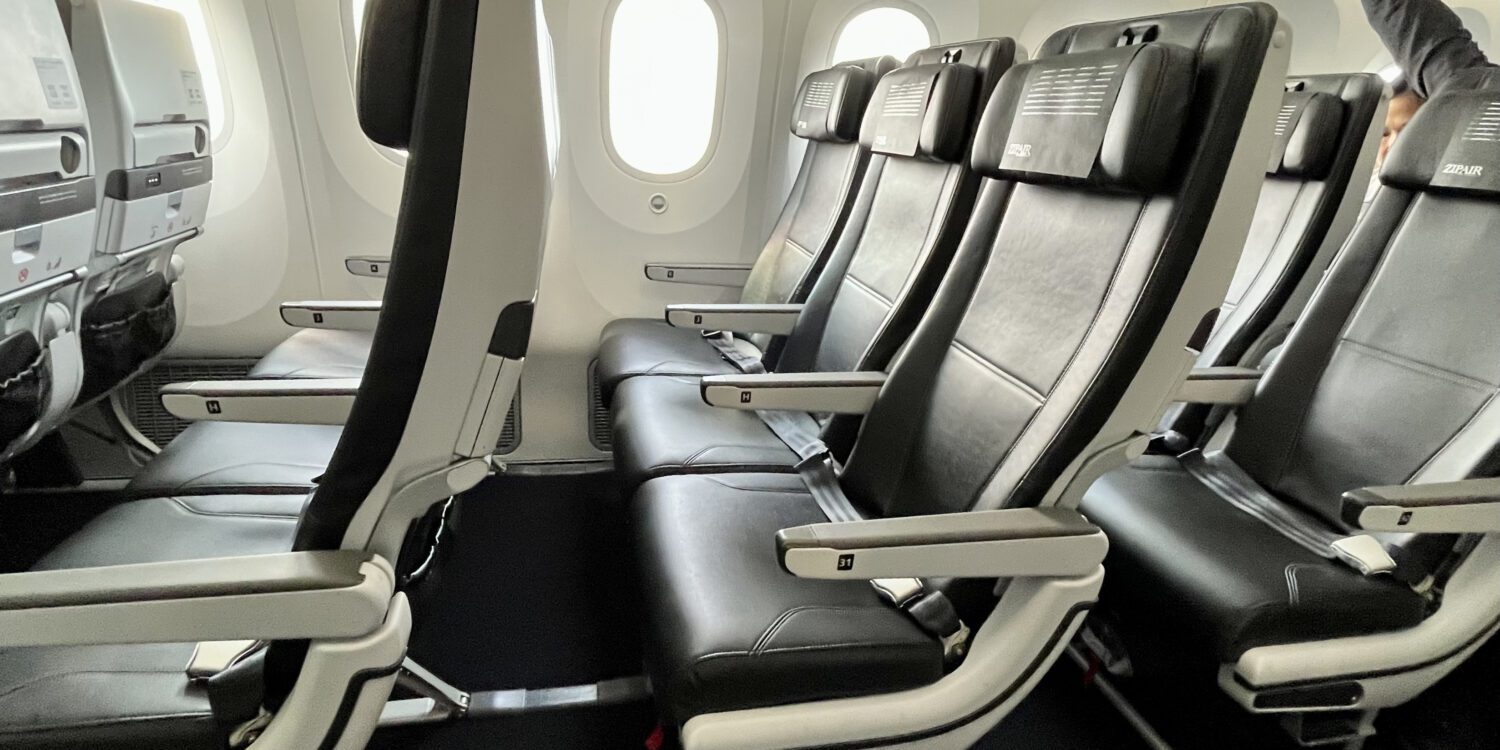
Zipair identifies as a “New Basic” carrier. This positioning is a deliberate attempt to bridge the gap between a traditional LCC and a Full-Service Carrier (FSC). Most LCCs struggle with long-haul routes because the “bus in the sky” model becomes unbearable after five hours. Zipair’s strategy involves offering a premium physical environment (using Boeing 787 Dreamliners) while stripping away the “embedded” costs of service. By positioning itself as a high-quality hardware provider with modular software (services), the brand attracts price-sensitive business travelers and comfort-seeking leisure travelers who would otherwise avoid traditional budget airlines.
Brand Minimalism: The “New Basic” Identity
The Zipair brand is built on the concept of minimalism. In marketing and corporate identity, minimalism is often used to signal sophistication, but for Zipair, it is also a functional tool for cost suppression. Every aspect of the brand, from the livery to the cabin interior, is designed to be aesthetically pleasing yet operationally inexpensive.
Rationalizing the In-Flight Experience
Traditional airlines bake the cost of meals, blankets, and movies into every ticket, regardless of whether the passenger wants them. Zipair’s brand strategy revolves around “unbundling.” By removing seatback screens, the airline achieves three goals: it reduces the weight of the aircraft (lowering fuel burn), eliminates the high cost of licensing entertainment content, and removes a complex electronic system that requires frequent maintenance.
Instead, Zipair encourages a “Bring Your Own Device” (BYOD) model, providing high-speed Wi-Fi for free. This is a brilliant branding move. In the digital age, passengers view free Wi-Fi as a high-value perk, often valuing it more than a mediocre selection of pre-loaded movies. Zipair spends less on hardware while providing a service that feels more modern and personalized to the traveler.
Digital-First Customer Interaction
The brand’s identity is heavily rooted in digital autonomy. Zipair’s website and app are designed to handle almost every aspect of the customer journey, from booking to meal pre-ordering. By pushing consumers toward self-service, the airline reduces the need for large call centers and physical ticket counters. This digital-first approach aligns with the preferences of their target demographic—Millennials and Gen Z—who prefer seamless, non-verbal transactions. The cost savings from this reduced headcount are passed directly to the consumer in the form of lower base fares.
Operational Efficiency as a Brand Value
In the airline business, time is money. Zipair’s operational strategy is designed to keep its most expensive assets—its aircraft—in the air for as long as possible. The brand’s efficiency is not just a behind-the-scenes metric; it is a core value that dictates their entire market approach.
Fleet Optimization and the Boeing 787 Advantage
Unlike many budget startups that begin with narrow-body aircraft like the Boeing 737 or Airbus A320, Zipair launched with the Boeing 787-8 Dreamliner. From a brand perspective, the Dreamliner is synonymous with modern, comfortable long-haul travel. From an operational perspective, it is one of the most fuel-efficient aircraft in the world.
By operating a mono-type fleet, Zipair simplifies its logistics. Every pilot can fly every plane; every mechanic is an expert on every engine in the fleet; and spare parts inventory is kept to a minimum. This uniformity is a cornerstone of the brand’s ability to maintain low overhead. Furthermore, the 787’s fuel efficiency allows Zipair to maintain profitability even as global oil prices fluctuate, a stability that they reflect in their consistent pricing.
Secondary Airport Strategy and Turnaround Times
Zipair often targets airports and time slots that minimize landing fees and maximize efficiency. While they fly into major hubs like Tokyo Narita, Los Angeles (LAX), and San Francisco (SFO), they optimize their schedules to avoid peak congestion. Faster turnaround times on the ground mean the aircraft spends more hours earning revenue. The brand doesn’t promise the most frequent flight schedule; instead, it promises the most efficient one. This “lean” approach to scheduling ensures that they aren’t paying for idle aircraft or expensive “prime-time” gate access, which would otherwise drive up ticket prices.
The Revenue Model: Monetizing the Brand Beyond the Seat
Zipair’s “cheap” base fare is a customer acquisition strategy. The brand’s true profitability lies in its modular revenue model. By offering a “naked” seat at a low price, they lower the barrier to entry, then allow the customer to build their own experience.
Unbundling Services for Maximum Flexibility
The brand empowers the consumer to choose exactly what they value. Do you want a 13-course meal or just a bottle of water? Do you need 30kg of checked luggage or just a carry-on? By charging for these services à la carte, Zipair ensures that one passenger is not subsidizing the habits of another.
From a marketing standpoint, this is framed as “freedom of choice.” From a business standpoint, it is a high-margin revenue stream. Ancillary services—such as baggage fees, seat selection, and pre-ordered meals—often have much higher profit margins than the base fare itself. This allows Zipair to keep the “headline price” low, which is essential for capturing search engine traffic and price-comparison shoppers.
Redefining Luxury in a Budget Context
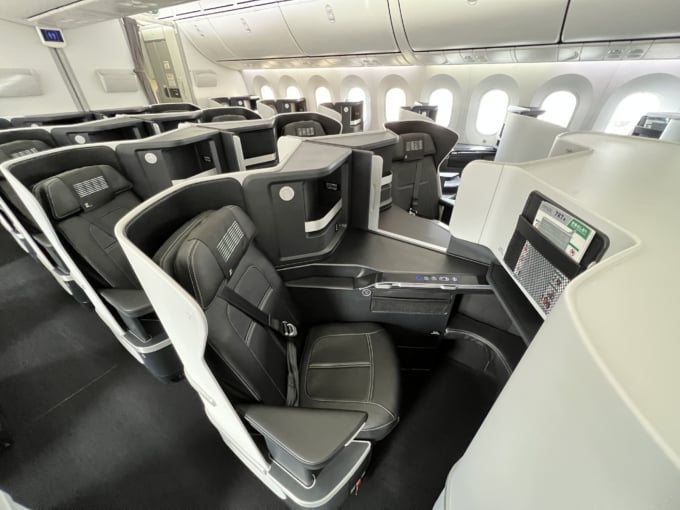
One of Zipair’s most ingenious branding moves is the “ZIP Full-Flat” seat. While traditional business class tickets to Japan can cost $5,000 or more, Zipair offers a lie-flat experience for a fraction of that price. However, they do so by stripping away the “fluff.” There is no lounge access, no champagne on arrival, and no luxury amenity kits included in the base price.
By selling the physical comfort of a flatbed without the expensive service trimmings, Zipair has tapped into a “functional luxury” market. This attracts the corporate traveler on a budget and the leisure traveler celebrating a special occasion. It reinforces the brand as a smart, pragmatic choice—luxury where it counts (sleep) and economy where it matters (the bill).
The Future of Global Travel Branding
The success of Zipair signals a shift in how airline brands will be built in the future. The traditional model of “classes” is being replaced by a model of “components.” Zipair is cheap because it has successfully commoditized the flight itself while branding the experience as a modern, customizable service.
They have moved away from the “cheap and cheerful” aesthetic of older LCCs, which often relied on loud colors and aggressive marketing. Instead, Zipair uses a muted, sophisticated palette of greys, whites, and greens. This design choice communicates a sense of calm and reliability, distancing the brand from the “budget” stigma while maintaining “budget” costs.
In conclusion, Zipair is cheap not because it cuts corners on quality, but because it has reimagined the airline brand for a post-legacy world. By leveraging the technical prowess of JAL, embracing a minimalist “New Basic” philosophy, and utilizing a highly efficient mono-type fleet, Zipair has removed the waste that traditionally inflates ticket prices. The result is a brand that doesn’t just offer a cheap flight, but a smarter way to travel—a strategy that is likely to become the blueprint for long-haul aviation in the decades to come.
aViewFromTheCave is a participant in the Amazon Services LLC Associates Program, an affiliate advertising program designed to provide a means for sites to earn advertising fees by advertising and linking to Amazon.com. Amazon, the Amazon logo, AmazonSupply, and the AmazonSupply logo are trademarks of Amazon.com, Inc. or its affiliates. As an Amazon Associate we earn affiliate commissions from qualifying purchases.