
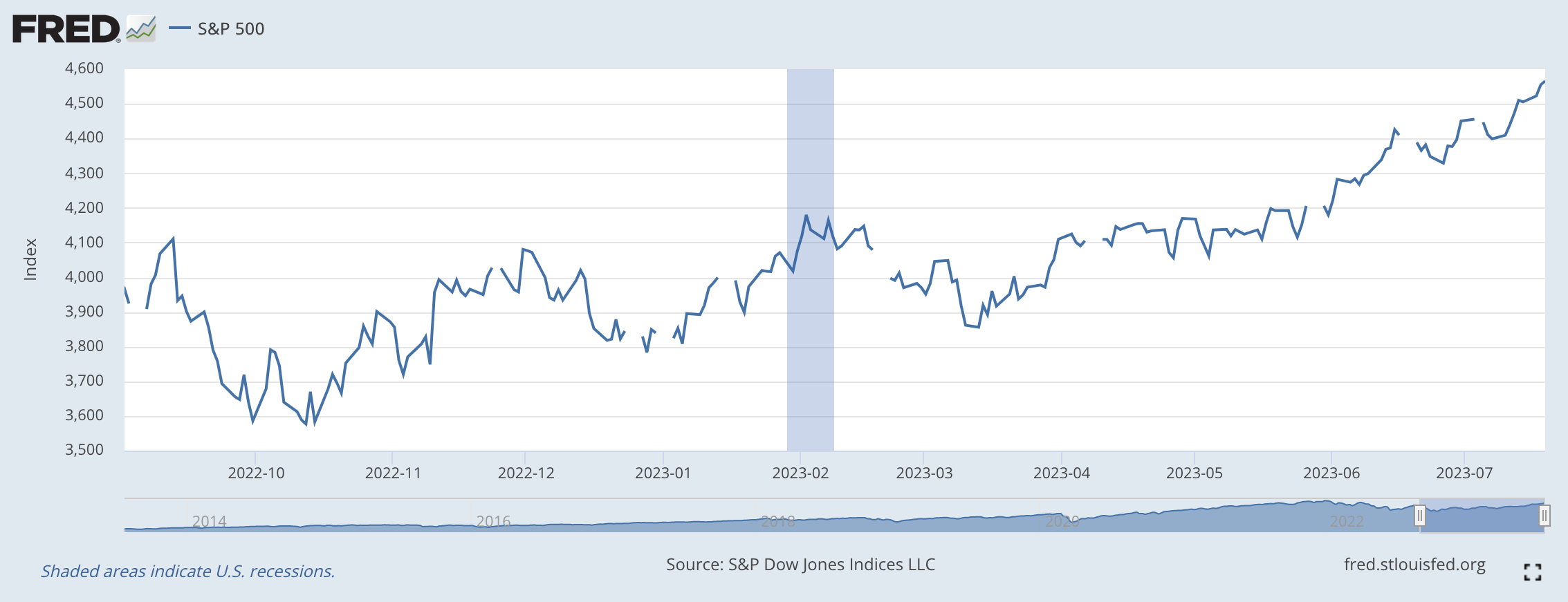
The stock market’s recent impressive performance has been a subject of widespread discussion, captivating both seasoned investors and curious onlookers. After periods of volatility and uncertainty, major indices have reached new highs, prompting many to question the underlying drivers of this sustained growth. Far from being a singular phenomenon, the market’s robustness is a complex interplay of economic resilience, strategic monetary policies, groundbreaking technological advancements, evolving global dynamics, and shifting investor psychology. Understanding these multifaceted factors is crucial for anyone seeking to navigate the current financial landscape and make informed decisions about their investments and financial future. This analysis delves into the core elements contributing to the stock market’s remarkable ascent, offering a comprehensive perspective on its current health and potential trajectory.

A Resilient Economy and Robust Corporate Profits
At the heart of any sustained market rally lies the fundamental strength of the economy and the health of the businesses that comprise it. The current market upswing is significantly underpinned by a surprisingly resilient global economy and consistently strong corporate earnings, defying earlier predictions of a more pronounced downturn.
Strong Economic Indicators
Despite persistent concerns about inflation and potential recessions, key economic indicators have largely painted a picture of resilience. Employment figures, for instance, have remained robust in many major economies, showcasing strong labor markets with low unemployment rates and steady wage growth. This sustained employment translates directly into consumer purchasing power, which forms the backbone of economic activity. Furthermore, consumer spending, particularly in sectors such as services and discretionary goods, has held up remarkably well, signaling a level of confidence that was not anticipated by many economists. Manufacturing indices, while sometimes volatile, have shown signs of stabilization or expansion in key regions, contributing to a broader sense of economic stability. Government spending and infrastructure investments have also played a role, injecting capital into various sectors and creating demand. This combination of strong employment, consistent consumer spending, and targeted government initiatives creates a fertile ground for businesses to thrive, ultimately reflecting positively in market performance. The surprising agility of economies to adapt to various shocks, from supply chain disruptions to energy price volatility, has bolstered investor confidence in the underlying economic framework.
Robust Corporate Earnings
The most direct driver of stock market valuation is corporate profitability. Companies have consistently reported earnings that have met or exceeded expectations, demonstrating their ability to navigate inflationary pressures, supply chain challenges, and shifting consumer preferences. This strong earnings performance is not confined to a few dominant players; it has been observed across a diverse range of sectors, from technology and healthcare to consumer staples and industrials. Businesses have shown impressive efficiency in managing costs, optimizing operations, and leveraging pricing power where appropriate, allowing them to maintain healthy profit margins. The resilience of top-line revenue growth, coupled with effective cost management, has led to a consistent stream of positive financial results. These robust earnings translate into higher valuations, increased dividends, and share buybacks, all of which enhance shareholder value and attract further investment. Analysts have had to continually revise their earnings forecasts upwards, signaling a more optimistic outlook for future corporate performance, which is a powerful catalyst for market appreciation.
Consumer Spending and Business Investment
A virtuous cycle often develops where strong consumer spending emboldens businesses to invest, further fueling economic growth. With stable employment and rising wages, consumers feel more secure in their financial positions, leading to increased expenditure on goods and services. This demand encourages companies to expand their operations, innovate, and invest in new technologies and capacities. Business investment, whether in research and development, capital expenditures, or mergers and acquisitions, is a critical component of economic expansion. Such investments not only create jobs but also enhance productivity and future earning potential. The synergy between confident consumers and proactive businesses creates a positive feedback loop that strengthens economic fundamentals, making equity markets an attractive proposition for capital deployment. The ability of consumers to absorb price increases without significantly curtailing spending also highlights a strong underlying demand, providing companies with the revenue streams necessary to sustain growth and innovation.
The Impact of Monetary Policy and Interest Rates
Monetary policy, orchestrated primarily by central banks, plays a pivotal role in shaping financial market conditions. The stock market’s recent success cannot be fully understood without examining the influence of central bank decisions on interest rates and liquidity.
Central Bank Policies and Liquidity
For years, central banks globally maintained an accommodative monetary stance, characterized by low or near-zero interest rates and quantitative easing measures. While many central banks have embarked on a tightening cycle to combat inflation, the significant amount of liquidity injected into the global financial system during and after the pandemic has lingered. This excess liquidity, coupled with the slow but steady reduction in inflationary pressures, has created an environment where capital is readily available and seeking returns. Although rates have risen from their historical lows, the pace and extent of these hikes have often been perceived as manageable by the market, or central banks have signaled a potential pause or pivot. The market tends to react positively to stability and predictability in monetary policy, and signals that the tightening cycle might be nearing its peak can alleviate investor anxiety and encourage capital allocation to risk assets like equities. Furthermore, some central banks continue to grapple with underlying economic fragilities, leading them to adopt a cautious approach to rate hikes, providing a continued, albeit shrinking, window of relatively accessible capital.
The Role of Interest Rate Expectations
The stock market is a forward-looking mechanism, and investor expectations regarding future interest rate trajectories are often more impactful than current rates themselves. When investors anticipate that interest rate hikes are nearing their end, or that cuts might be on the horizon, it tends to make equities more attractive. Lower future rates reduce the cost of borrowing for companies, stimulate economic activity, and make future earnings streams more valuable when discounted back to the present. Conversely, if bond yields rise too sharply, they can offer a compelling alternative to stocks, drawing capital away from equity markets. The market has often priced in a scenario where central banks will achieve a “soft landing,” bringing inflation under control without triggering a severe recession, thus allowing for a potential normalization or even reduction of rates in the medium term. This optimistic outlook on future rate policy has been a significant tailwind for stock valuations, as it implies a more favorable environment for corporate growth and profitability.
Investor Sentiment and Future Outlook
Monetary policy significantly influences investor sentiment. When central banks project confidence in their ability to manage inflation while preserving economic stability, it instills a sense of optimism among market participants. This optimism can lead to increased risk-taking and a willingness to invest in equities. Conversely, uncertainty or hawkish rhetoric can trigger fear and pull capital out of the market. The current market environment reflects a belief that policymakers are navigating a challenging economic landscape with increasing success, thereby reducing the tail risk of severe economic contraction. This perceived competence and control contribute to a more positive future outlook, encouraging long-term investment strategies rather than short-term defensive postures. The anticipation of continued economic growth, supported by what is hoped to be a more stable interest rate environment, forms a powerful psychological anchor for the market’s upward trajectory.
Technological Innovation as a Growth Catalyst
While often discussed in its own right, technology’s profound impact on the stock market is primarily through its role in driving corporate earnings, productivity gains, and entirely new market opportunities within the “Money” sphere. It’s a critical component of the underlying economic health that fuels market rallies.
AI and Digital Transformation as Catalysts
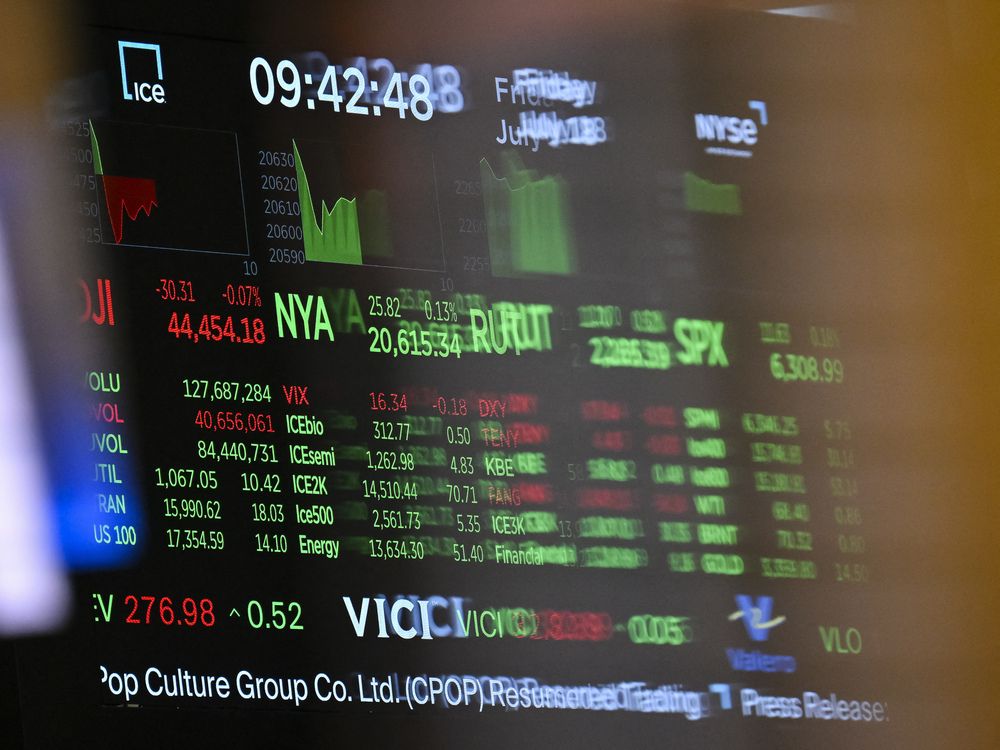
The current bull run has seen significant contributions from companies at the forefront of artificial intelligence (AI) and digital transformation. AI is not just a technological marvel; it’s a powerful tool for enhancing business efficiency, creating new revenue streams, and fundamentally altering competitive landscapes. Companies that successfully integrate AI into their operations are witnessing improved productivity, reduced costs, and the development of innovative products and services. This translates directly into higher profit margins and stronger earnings growth, making their stocks highly attractive to investors. Similarly, the broader trend of digital transformation, encompassing cloud computing, big data analytics, and automation, continues to unlock immense value across all sectors. Businesses are leveraging these technologies to streamline processes, personalize customer experiences, and scale operations more efficiently. The investment in these transformative technologies is seen as a long-term growth driver, underpinning future corporate profitability and, by extension, market valuation.
Sector-Specific Performance and Innovation Hubs
While the market gains are broad, certain sectors, particularly those heavily invested in technology and innovation, have outperformed. Technology, healthcare (especially biotech and med-tech), and renewable energy sectors have seen substantial capital inflows. This is because these sectors are often at the cutting edge of innovation, developing solutions that address pressing global challenges or create entirely new markets. For instance, advances in gene editing, novel drug discovery, and sustainable energy solutions represent not just scientific breakthroughs but also massive economic opportunities. Investors are drawn to these sectors due to their perceived high growth potential and their ability to generate significant returns over time. The concentration of innovation in specific geographic or industry hubs also creates a network effect, fostering collaboration and accelerating the pace of discovery, further solidifying their position as market leaders.
Disruptive Technologies and Market Capitalization
Disruptive technologies have a unique ability to reshape industries and create new market leaders, leading to substantial shifts in market capitalization. Companies that successfully harness or create such technologies can experience exponential growth, rapidly increasing their market value. This phenomenon creates “superstar” companies that disproportionately contribute to overall market indices, pulling the entire market upward. The anticipation of future disruption and the potential for a new wave of innovation continue to fuel investor interest in high-growth companies. This speculative element, while carrying risks, is also a powerful driver of market performance as investors seek to identify the next big disruptors. The “Money” aspect here is the recognition by investors of the immense financial value and profit potential inherent in these technological shifts, leading to significant capital allocation into these forward-looking ventures.
Global Factors and Geopolitical Landscape
The interconnectedness of the global economy means that international factors and geopolitical dynamics exert significant influence on national stock markets, including their overall performance and stability.
International Capital Flows
The global search for yield and growth drives significant international capital flows, which can buoy or sink national markets. When a particular economy or region is perceived as stable and offers attractive growth prospects, it draws foreign direct investment (FDI) and portfolio investments. The relative strength and stability of certain developed markets, coupled with strong corporate governance and transparent regulatory frameworks, make them appealing destinations for capital from around the world. Conversely, if other major economies face headwinds, such as slower growth or increased political instability, capital might flow out of those regions and into perceived safer or more promising markets, further inflating their valuations. This global reallocation of capital is a powerful force, and the current market strength reflects a degree of confidence among international investors in the long-term prospects of certain leading economies and their corporate sectors.
Supply Chain Normalization and Inflation Control
The tumultuous period of global supply chain disruptions caused by the pandemic and geopolitical tensions significantly impacted corporate profitability and fueled inflation. The gradual normalization of these supply chains has been a crucial factor in improving corporate margins and easing inflationary pressures. As bottlenecks clear, shipping costs decrease, and the availability of components improves, businesses can operate more efficiently and reduce their cost of goods sold. This allows them to either pass on savings to consumers (boosting demand) or retain higher profit margins. The success in bringing down inflation, even if gradual, is a major contributor to market optimism. Lower inflation expectations reduce the pressure on central banks to aggressively raise rates, which, as discussed earlier, is favorable for equity valuations. The market views effective inflation control as a sign of economic stability, encouraging long-term investment.
Geopolitical Stability (or Perceived Stability)
While global geopolitical tensions remain a concern, the market often performs well during periods of perceived stability or when major geopolitical risks are largely priced in. Investors are inherently risk-averse, and prolonged periods of high geopolitical uncertainty can lead to capital flight and market volatility. However, when major conflicts are contained, or when diplomatic efforts appear to be mitigating broader risks, it can foster a sense of calm that encourages investment. Even in the presence of ongoing tensions, if these are not seen as immediately threatening to global economic stability or major trade routes, the market can adapt and find its footing. The market’s ability to compartmentalize certain risks and focus on more immediate economic fundamentals also plays a role. A degree of resilience in the face of ongoing global challenges signals a sophisticated adaptation by businesses and governments, which reassures investors.
Investor Behavior and Market Dynamics
Beyond fundamental economic and corporate factors, the collective behavior of investors and the inherent dynamics of the market itself play a critical role in determining its trajectory.
Retail vs. Institutional Investor Influence
The composition and behavior of different investor groups significantly impact market performance. Institutional investors, such as pension funds, mutual funds, hedge funds, and sovereign wealth funds, command vast amounts of capital and often drive market trends. Their research-driven decisions, long-term strategies, and allocation shifts can move entire sectors. Simultaneously, the rise of retail investors, particularly through easy-to-access trading platforms, has introduced a new dynamic. While individual retail investments may be smaller, their collective force, especially when fueled by social media trends or specific narratives, can create significant momentum in particular stocks or sectors. The current market strength might reflect a confluence of institutional confidence in fundamental economic recovery and sustained corporate growth, augmented by robust retail participation seeking to capitalize on upward trends. This blend of sophisticated institutional flows and energetic retail engagement can create a powerful upward force.
Fear of Missing Out (FOMO) and Momentum Investing
Psychological factors, such as the “Fear of Missing Out” (FOMO), are potent drivers in bull markets. As the market climbs, early successes attract more investors, who, seeing others profit, feel compelled to join in. This creates a self-reinforcing cycle of demand, where rising prices themselves attract more buyers. Momentum investing, a strategy that involves buying assets that have been performing well and selling those that have performed poorly, thrives in such environments. Investors flock to stocks that are already showing strong upward trends, believing that past performance will continue. This herd mentality can push valuations beyond what some fundamental metrics might suggest, but it undeniably contributes to the market’s upward momentum. While often associated with speculative bubbles, in a generally positive economic climate, FOMO and momentum can act as powerful accelerants to an underlying rally, propelling indices to new heights.
Diversification and Risk Management in a Bull Market
Even in a strong bull market, sophisticated investors continue to emphasize diversification and prudent risk management, albeit with a slightly different focus. The goal shifts from merely preserving capital to optimizing growth while still protecting against potential downturns. This often means rebalancing portfolios to ensure exposure to a broad range of sectors and asset classes, even within equities. It also involves being mindful of overconcentration in a few “hot” stocks and recognizing when valuations might be becoming stretched. While the overall market is doing well, smart money is constantly evaluating sector rotation, looking for undervalued opportunities, and hedging against unforeseen shocks. The strength of the market can also be attributed to the discipline of large investors who, while participating in the upside, are also strategically positioning themselves to weather future volatility, thereby creating a more stable and robust foundation for market growth over the long term. This approach fosters a more resilient market structure, capable of absorbing shocks without derailing the broader upward trend.
Conclusion
The stock market’s impressive performance is a testament to a complex interplay of forces, far beyond any single catalyst. It reflects an underlying economic resilience, with businesses demonstrating robust profitability and adaptability even in challenging environments. Strategic monetary policies, though recently tighter, have navigated inflation while largely preventing a severe economic contraction, offering a perceived path to future stability. Crucially, technological innovation, particularly in AI and digital transformation, continues to unlock unprecedented growth opportunities, fueling specific sectors and contributing significantly to overall market capitalization. These domestic drivers are further amplified by dynamic global factors, including capital flows and a gradual normalization of supply chains, alongside a nuanced geopolitical landscape. Finally, the collective psychology and behavior of investors, from institutional giants to enthusiastic retail traders, contribute to the market’s momentum. While the future always holds uncertainties, understanding these multifaceted drivers provides a clearer picture of why the stock market is doing so well and offers valuable insights for navigating the financial world in the years to come.
aViewFromTheCave is a participant in the Amazon Services LLC Associates Program, an affiliate advertising program designed to provide a means for sites to earn advertising fees by advertising and linking to Amazon.com. Amazon, the Amazon logo, AmazonSupply, and the AmazonSupply logo are trademarks of Amazon.com, Inc. or its affiliates. As an Amazon Associate we earn affiliate commissions from qualifying purchases.