
The financial landscape is currently navigating a period of profound transformation, characterized by volatility that has left many investors questioning the stability of their portfolios. After a decade of historically low interest rates and a post-pandemic surge that sent indices to record highs, the market has entered a phase of significant correction and cooling. Understanding why the stock market is performing poorly requires a multi-faceted analysis of macroeconomic policies, geopolitical shifts, and the psychological cycles that govern investor behavior.
The Aggressive Pivot of Monetary Policy
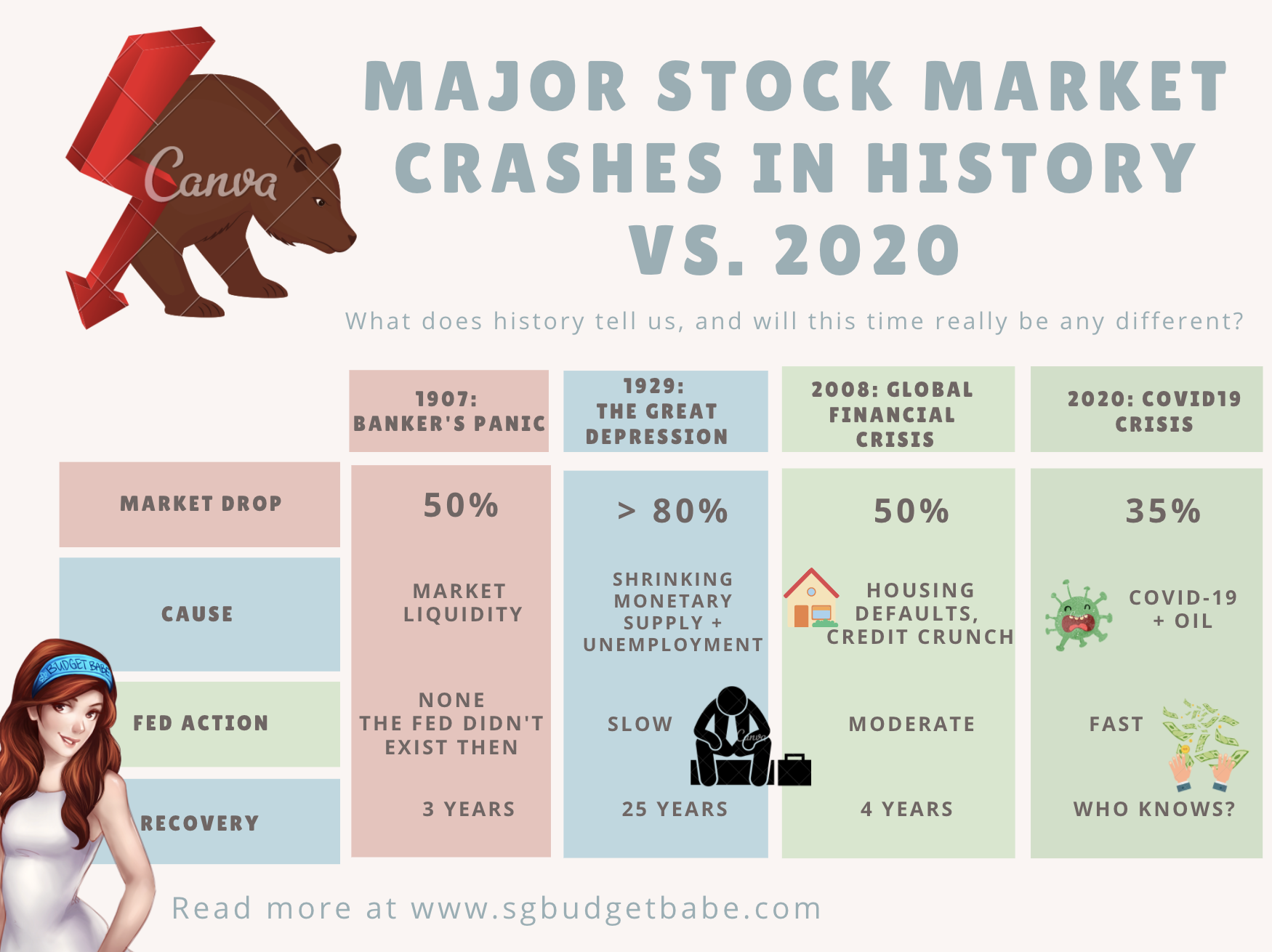
The primary catalyst behind recent market turbulence is the shift in central bank policy, particularly by the Federal Reserve. For years, the market operated under a “cheap money” regime, where low interest rates encouraged borrowing and boosted equity valuations. However, the emergence of persistent inflation forced a dramatic reversal.
The End of the Easy Money Era
When inflation reached multi-decade highs, central banks were forced to raise interest rate targets aggressively. High interest rates are a blunt instrument designed to cool the economy by making borrowing more expensive for both consumers and corporations. For the stock market, this creates a two-pronged headwind. First, it increases the cost of capital, eating into corporate profit margins. Second, it changes the “discount rate” used by analysts to value future earnings. When interest rates rise, the present value of future cash flows drops, leading to lower stock prices—particularly for high-growth tech companies that are valued based on earnings years into the future.
Quantitative Tightening and Liquidity
Beyond raising rates, central banks have moved from quantitative easing (injecting money into the system) to quantitative tightening (removing money from the system). This reduction in liquidity means there is less “excess” capital flowing into risk assets like stocks and cryptocurrencies. As the tide of liquidity recedes, the flaws in overvalued companies become more apparent, leading to broad-based sell-offs.
Macroeconomic Pressures and the Cost of Living
While monetary policy sets the stage, the actual state of the economy provides the script. Investors are currently grappling with a “sticky” inflationary environment that has proven more difficult to resolve than initially anticipated.
The Squeeze on Corporate Profit Margins
Inflation is a double-edged sword for corporations. While some companies can pass increased costs onto consumers, many are seeing their margins compressed. The cost of raw materials, energy, and labor has spiked significantly. When a company reports solid revenue growth but falling net income due to rising expenses, the market reacts punitively. We are seeing a transition from a market driven by “growth at any cost” to one that demands operational efficiency and bottom-line profitability.
The Weakening Consumer Engine
Consumer spending accounts for approximately 70% of the U.S. GDP. As the cost of living rises—driven by housing, food, and energy prices—discretionary spending naturally declines. Investors are tracking these trends closely; if the consumer weakens, the entire economy risks entering a recession. The stock market is a forward-looking mechanism, and the current downturn reflects the collective fear that a significant slowdown in consumer activity is on the horizon.
Geopolitical Instability and Global Supply Chain Shifts
The stock market thrives on predictability, and the current geopolitical climate is anything but predictable. Modern markets are deeply interconnected, meaning a conflict or policy shift in one part of the world can have immediate repercussions on global indices.
Energy Markets and Commodity Volatility
Geopolitical tensions in key oil-producing and agricultural regions have caused massive swings in commodity prices. High energy costs act as a “tax” on the entire global economy. When gas and electricity prices soar, industrial production costs rise, and household budgets shrink. The uncertainty surrounding energy security has led many institutional investors to move capital out of equities and into perceived safe havens, contributing to the market’s poor performance.
The Retreat from Globalization
For thirty years, globalization acted as a deflationary force, keeping goods cheap and corporate profits high. We are now seeing a shift toward “near-shoring” or “friend-shoring,” as companies prioritize supply chain resilience over pure cost-efficiency. While this may be better for long-term national security, it is inherently more expensive. The market is currently pricing in the reality that the era of hyper-efficient, low-cost global trade is evolving into a more fragmented and costly landscape.
Sector-Specific Corrections: The Tech Hangover
The stock market’s recent woes are also a reflection of a massive re-valuation within the technology sector. During the 2020-2021 period, tech stocks reached valuations that many analysts considered divorced from reality.
The Bursting of the Pandemic Bubble
During the lockdowns, “stay-at-home” stocks saw unprecedented growth. Companies specializing in remote work, e-commerce, and digital entertainment saw their valuations skyrocket. As the world returned to physical interactions, many of these companies saw their growth rates normalize. However, their stock prices were still priced for “hyper-growth.” The subsequent “crash” in many of these names has heavily weighed down major indices like the NASDAQ and the S&P 500.
The Shift to “Value” and Quality
In a bull market, investors are willing to take risks on speculative companies with no profits but high potential. In the current environment, that appetite has vanished. There is a massive rotation occurring where capital is moving from speculative tech into “value” sectors like energy, healthcare, and consumer staples. This transition is often messy and volatile, contributing to the overall sense that the market is “doing bad” even if certain niche sectors are performing well.
Market Psychology and the Feedback Loop of Fear
Finally, one cannot ignore the role of human emotion in market performance. The stock market is not just a collection of spreadsheets; it is a reflection of collective human expectations.
The Fear and Greed Index
When the market starts to decline, fear can become self-fulfilling. As stock prices drop, “margin calls” can force investors to sell positions they otherwise would have held, leading to further price drops. This cascading effect creates a downward spiral. Many retail investors, seeing their portfolio values drop for the first time in years, choose to exit the market entirely, which removes further buying pressure and allows prices to drift lower.
The “Recession” Narrative
The media and financial analysts have been warning of a looming recession for months. Whether or not a technical recession occurs, the expectation of one causes businesses to freeze hiring and consumers to cut back on spending. This psychological defensive crouch is reflected in the stock market’s performance. Markets often bottom out long before the actual economy does, but during the “slide,” the overwhelming sentiment is one of caution and pessimism.
Navigating the Downturn: A Perspective for Investors
While the current market performance is discouraging, it is important to view it within the context of long-term financial cycles. Bear markets and corrections, though painful, are a natural part of a healthy economic ecosystem. They serve to clear out excess, punish over-leveraged speculation, and bring valuations back to sustainable levels.
The Importance of Time Horizons
For the long-term investor, a “bad” market is often a period of opportunity. Assets that were once overpriced are now available at a discount. History shows that the market has a 100% recovery rate from every downturn it has ever faced. The challenge for investors is to manage their own psychology and avoid making permanent decisions based on temporary market conditions.

Focusing on Fundamentals
In a volatile market, the noise can be deafening. The key to navigating this period is a return to fundamental analysis. Investors are increasingly looking for companies with strong balance sheets, consistent cash flow, and the “pricing power” to survive inflationary pressures. The “bad” performance of the broad market often masks the fact that high-quality businesses are still generating value, even if their stock prices are temporarily depressed by the surrounding chaos.
In summary, the stock market is doing poorly because it is adjusting to a new reality of higher interest rates, geopolitical friction, and a necessary correction of previous excesses. It is a period of “repricing” that is essential for the next long-term growth cycle to eventually begin. Understanding these underlying drivers provides the clarity needed to move from panic to a strategic, long-term mindset.
aViewFromTheCave is a participant in the Amazon Services LLC Associates Program, an affiliate advertising program designed to provide a means for sites to earn advertising fees by advertising and linking to Amazon.com. Amazon, the Amazon logo, AmazonSupply, and the AmazonSupply logo are trademarks of Amazon.com, Inc. or its affiliates. As an Amazon Associate we earn affiliate commissions from qualifying purchases.