
For active investors and keen market watchers, few things can be as perplexing or frustrating as encountering a closed stock market on what seems like a regular day. The stock market, often perceived as a perpetual engine of economic activity, does indeed have specific operating hours and scheduled closures. These aren’t arbitrary decisions but are deeply rooted in historical practices, regulatory frameworks, operational efficiencies, and the broader goal of maintaining market integrity and fairness. Understanding why the market closes is crucial for anyone involved in investing, offering valuable insights into market mechanics and informing strategic financial planning. It’s not merely about observing holidays; it’s about comprehending the intricate system that underpins global finance and how these pauses impact everything from individual portfolios to national economies.

This article delves into the various reasons behind stock market closures, from regularly scheduled holidays to unforeseen circumstances, and explores the profound implications these non-trading periods have for investors, financial professionals, and the overall economic landscape.
Understanding Market Operating Hours and Their Purpose
The notion of a “closed” stock market might seem anachronistic in an increasingly digital and always-on world. However, fixed trading hours and scheduled closures are fundamental to the operation of major exchanges worldwide. These periods are not just downtime; they serve several critical functions that contribute to the stability and efficiency of financial markets.
The Rationale Behind Fixed Schedules
The primary reason for fixed trading hours harks back to a time when all transactions were conducted face-to-face on a trading floor. This required human operators, brokers, and supporting staff to be physically present. While electronic trading has largely replaced this model, the tradition of fixed hours persists, now serving modern purposes. They provide a standardized period for price discovery, ensuring all participants have a fair and equal opportunity to trade during a predictable window. This structured environment helps concentrate liquidity, leading to more accurate pricing and reduced volatility, as orders are processed within a defined timeframe rather than being dispersed across 24 hours. Moreover, these fixed hours allow financial institutions, clearinghouses, and regulatory bodies sufficient time outside of trading to process trades, reconcile accounts, perform necessary maintenance on systems, and implement market-moving decisions or policy changes without disrupting live trading. Without these structured breaks, the sheer volume and complexity of back-office operations would become unmanageable, increasing the risk of errors and systemic failures.
Global Variations in Trading Times
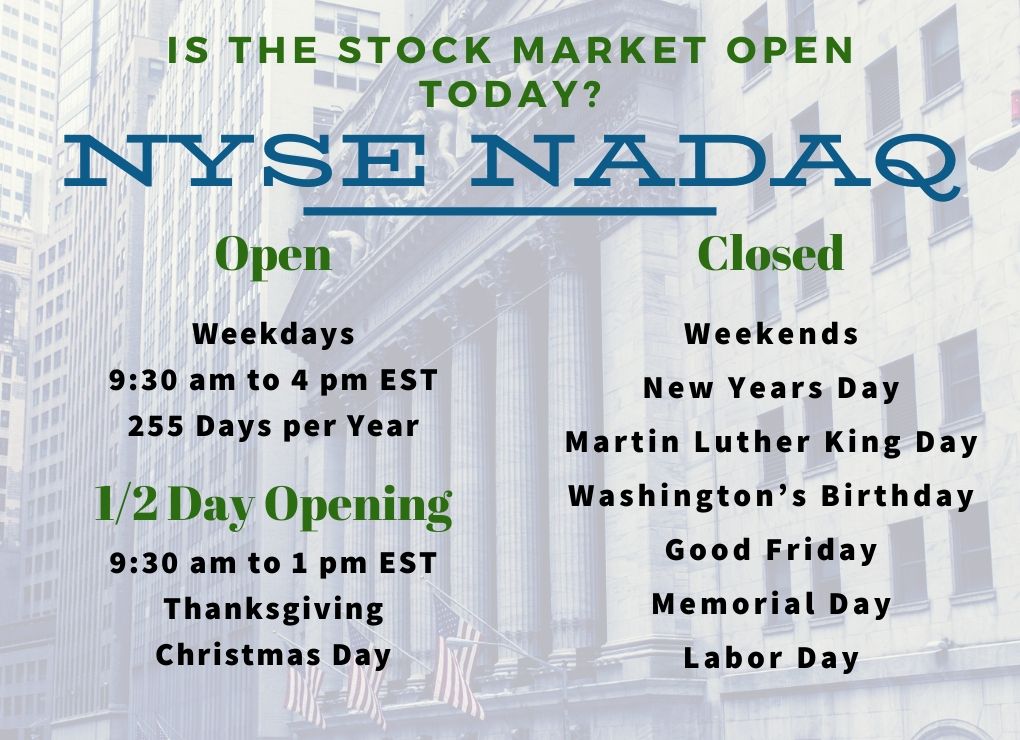
It’s important to remember that “the stock market” is not a singular entity but a collection of interconnected global exchanges, each with its own set of operating hours dictated by local time zones, national holidays, and regulatory bodies. For instance, while the New York Stock Exchange (NYSE) and NASDAQ typically operate from 9:30 AM to 4:00 PM Eastern Time, exchanges in London, Tokyo, Shanghai, and Sydney follow their respective local schedules. These variations mean that while one market might be closed, another across the globe could be actively trading. This global interconnectedness allows for continuous trading activity across different time zones, but it also means investors with international portfolios must be acutely aware of diverse market calendars. Understanding these global variations is key for investors seeking to diversify internationally or those who need to react to global economic news that might break while their primary market is closed.
Electronic Trading and Extended Hours: A Modern Dimension
While core trading hours are fixed, the advent of electronic communication networks (ECNs) has introduced “extended hours” trading – pre-market and after-hours sessions. These sessions allow institutional and, increasingly, retail investors to place trades outside standard market hours. However, it’s crucial to distinguish these from the main trading sessions. Extended hours typically have significantly lower liquidity, wider bid-ask spreads, and increased volatility due to the smaller pool of participants. For the purpose of market stability and operational robustness, the official “market close” still holds immense significance, marking the end of the most liquid and regulated trading period. While extended hours offer flexibility, they don’t negate the fundamental need for official market closures to facilitate critical backend processes and ensure a fair and orderly market environment.
Official Stock Market Holidays
The most common and predictable reason for the stock market to be closed is official holidays. These are typically federal or national holidays in the country where the exchange operates, often aligning with public observances that would see many financial institutions and businesses shut down.
Federal and National Holidays
In the United States, for example, the New York Stock Exchange (NYSE) and NASDAQ observe a specific set of federal holidays. These typically include New Year’s Day, Martin Luther King, Jr. Day, Presidents’ Day, Good Friday, Memorial Day, Juneteenth National Independence Day, Independence Day, Labor Day, Thanksgiving Day, and Christmas Day. The rationale behind these closures is multi-faceted. Firstly, they align with the general cessation of business activities across the nation, making it impractical for the financial ecosystem to operate fully. Many supporting services, from banking to logistics, would also be affected. Secondly, these closures provide a much-needed break for the vast workforce within the financial industry, contributing to better work-life balance and reducing burnout in a demanding sector. Lastly, they prevent trading during periods of significantly reduced liquidity that would inevitably occur if markets were open, which could lead to erratic price movements and unfair trading conditions.
Market-Specific Closures and Half-Day Trading
Beyond standard federal holidays, some exchanges may observe market-specific holidays that are unique to the financial sector or historical events. For instance, in the U.S., Good Friday is a market holiday, even though it is not a federal holiday. This tradition reflects the long-standing customs within the financial community. Additionally, certain holidays or events may prompt “half-day” trading sessions, where the market closes early. This often occurs on days preceding major holidays like Christmas Eve or the day after Thanksgiving (Black Friday). These shorter sessions allow market participants to still conduct essential transactions while also providing an early start to holiday observances. From an investor’s perspective, being aware of these half-day sessions is crucial for timing trades and managing portfolios effectively, as reduced trading windows can impact liquidity and potential price movements.
Special Circumstances and Unscheduled Closures
While holidays are predictable, the stock market can also close due to unforeseen or extraordinary events. These unscheduled closures, though rare, are typically enacted to protect investors, maintain market integrity, or respond to severe disruptions.
Extreme Weather Events
Severe weather, such as blizzards, hurricanes, or major storms, can lead to unscheduled market closures, particularly if they affect the physical infrastructure or personnel required to operate the exchange. For instance, Superstorm Sandy in 2012 forced the NYSE to close for two full trading days, marking its first weather-related closure in decades. Such closures are decided when the safety of market participants and staff cannot be guaranteed, or when critical support systems (like transportation or power) are compromised, making orderly trading impossible. The priority in such situations is human safety and preventing chaos that could arise from an inability to physically operate or supervise the exchange.
Technical Failures and System Glitches
In an age dominated by electronic trading, technical failures, software glitches, or major cybersecurity breaches can necessitate a temporary market halt or full closure. While rare for an entire exchange, isolated incidents do occur. Such closures are critical to prevent widespread errors, protect investor data, and ensure fair and accurate trade execution. A major system malfunction could lead to incorrect pricing, failed transactions, or even market manipulation if left unchecked. Regulators and exchanges are continuously investing in robust IT infrastructure and security protocols to minimize these risks, but the possibility of an unforeseen technical issue remains a reason for potential temporary shutdowns.
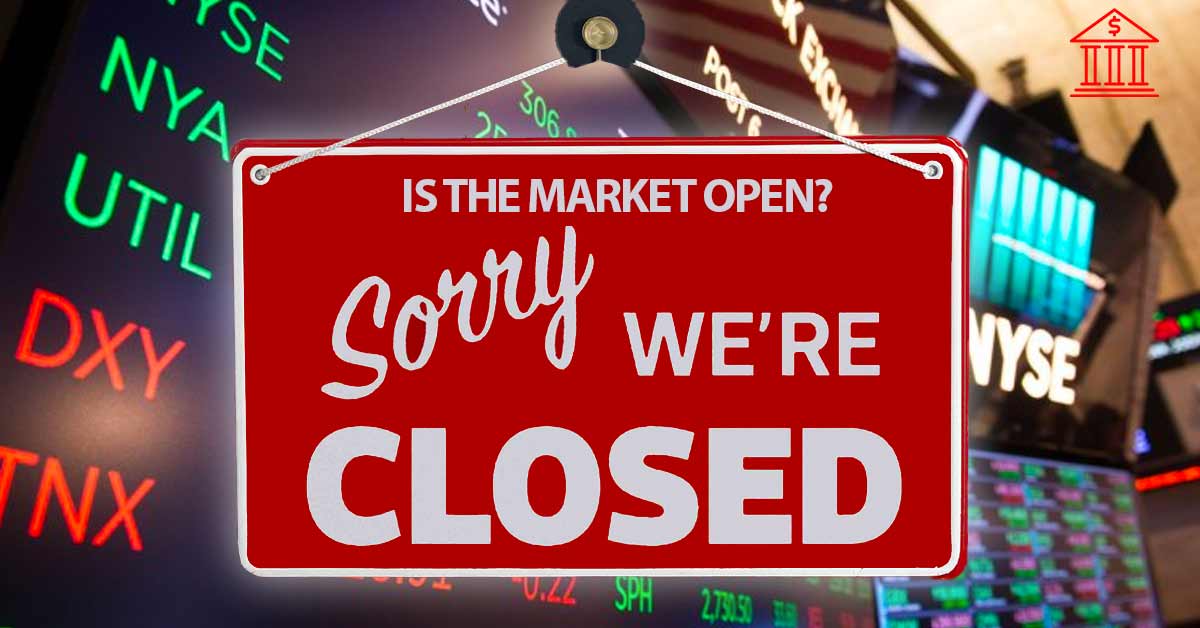
National Emergencies and Security Concerns
In times of national crisis, severe security threats, or major geopolitical events, markets may close to prevent panic selling, absorb critical information, or simply as a measure of national security. The most prominent example in recent history was the four-day closure of U.S. markets following the September 11, 2001, terrorist attacks. This unprecedented closure allowed authorities to assess the damage, address security concerns, and prevent a potentially catastrophic market collapse driven by fear and uncertainty. Similar, though less prolonged, actions might be taken in response to a global pandemic, a major war, or other events that could profoundly destabilize the financial system if trading were to continue unchecked. The aim is to provide a “cooling-off” period and allow rational decision-making to re-emerge once the immediate crisis has passed.
Impact of Market Closures on Investors
For individual and institutional investors, market closures are more than just a day off; they have tangible financial implications and require adjustments to investment strategies. Understanding these impacts is crucial for effective portfolio management and personal finance.
Delayed Transactions and Order Processing
When the market is closed, new orders cannot be executed, and existing orders that haven’t met their conditions remain pending. This means investors cannot react immediately to breaking news or sudden shifts in the economic landscape. While pre-market and after-hours trading can offer some flexibility, the primary avenue for liquidity and price discovery is unavailable. This delay can be particularly frustrating for short-term traders or those managing volatile assets. For long-term investors, the impact might be less immediate, but it still means their ability to rebalance portfolios or capitalize on perceived opportunities is temporarily suspended. Funds that are being bought or sold will not settle until the market reopens, affecting cash flow and the ability to redeploy capital.
Risk of Overnight Price Gaps
A significant risk associated with market closures, especially over long weekends or during periods of high uncertainty, is the potential for “price gaps.” If substantial news or economic data is released while the market is closed, demand and supply dynamics can shift dramatically. When the market reopens, prices may “gap up” or “gap down” significantly from the previous closing price, without any trading occurring in between. This means an investor’s stop-loss orders might be “gapped through,” executing at a much worse price than anticipated, or they might miss out on gains if they intended to sell at a specific higher price. This risk underscores the importance of monitoring global news even when local markets are closed and considering risk management strategies like options or hedging to mitigate potential overnight exposure.
Emotional and Psychological Effects
Market closures can also have a psychological impact on investors. The inability to act can lead to anxiety, especially during volatile times or when significant global events unfold. Some investors might feel a sense of powerlessness, while others might overanalyze their positions, leading to impulsive decisions when the market reopens. Conversely, these breaks can also offer a psychological respite, forcing investors to step back from the constant fluctuations and consider their long-term objectives. Financial advisors often use these periods to encourage clients to review their financial plans without the immediate pressure of real-time market movements.
Opportunities for Research and Reassessment
Paradoxically, market closures can present a valuable opportunity for investors to engage in deeper research, reassess their portfolios, and refine their financial strategies without the distraction of live trading. Instead of reacting to minute-by-minute price changes, investors can use this time to:
- Analyze company fundamentals: Dive into earnings reports, balance sheets, and industry trends.
- Review economic data: Understand broader macroeconomic indicators and their potential impact.
- Educate themselves: Read financial literature, take courses, or consult with financial advisors.
- Rebalance and plan: Map out potential trades for when the market reopens, consider asset allocation adjustments, and confirm their long-term financial goals.
This strategic pause can lead to more thoughtful and less emotionally driven investment decisions, ultimately benefiting personal finance goals.
Navigating Non-Trading Periods: Smart Investor Strategies
Understanding why the stock market closes is just the first step; smart investors also develop strategies to effectively navigate these non-trading periods. These strategies range from tactical financial planning to leveraging downtime for educational growth.
Strategic Planning and Pre-Market Orders
Savvy investors don’t just wait for the market to reopen; they plan. During closures, they might finalize their “game plan” for the next trading session. This could involve setting limit orders or stop-limit orders that become active immediately upon market opening, aiming to execute trades at desired price points or protect against downside risk. It also means staying informed about any significant news that breaks during the closure, as this information can heavily influence market sentiment and prices when trading resumes. Investors with a clear strategy are less likely to make impulsive decisions driven by overnight price gaps or a sudden rush of information. They leverage the quiet period to think critically and prepare their financial moves.
Diversification Beyond Exchange-Traded Assets
For those particularly sensitive to market closures, diversification extends beyond different stocks and sectors to include asset classes that are not directly tied to stock market hours. Investments such as real estate, certain types of bonds (though bond markets also have closures), private equity, or even alternative investments like commodities (which might trade on different schedules or through different mechanisms) can offer liquidity or returns independent of traditional stock market operations. This doesn’t mean abandoning the stock market, but rather building a robust financial portfolio that can weather periods of inactivity or volatility in one specific segment, aligning with broader personal finance principles of risk management and asset allocation.
Leveraging Off-Market Research and Education
As mentioned, market closures provide an excellent opportunity for continuous learning and research. Instead of being glued to tickers, investors can delve into in-depth analysis of companies, industries, and economic trends. They can read books on investing, explore financial documentaries, or participate in online courses to deepen their understanding of market dynamics and personal finance strategies. This proactive approach to financial education not only improves investment acumen but also empowers individuals to make more informed decisions, reducing reliance on external advice and fostering a stronger sense of control over their financial future. This downtime is an investment in human capital that pays dividends in better financial literacy and decision-making.
The Role of Financial Advisors During Downtime
For many investors, especially those with complex portfolios or who prefer professional guidance, market closures highlight the invaluable role of a financial advisor. While they cannot execute trades during closure, advisors can use this time to connect with clients, review their financial plans, discuss any concerns arising from recent news, and plan for future adjustments. They can help clients understand the implications of upcoming market events, contextualize economic data, and reiterate the importance of long-term strategic thinking over short-term market reactions. A good advisor helps manage the emotional aspects of investing during periods of inactivity or uncertainty, ensuring clients stick to their long-term financial goals regardless of immediate market access.
Conclusion
The stock market’s closures are far more than mere inconveniences; they are integral components of a structured, regulated, and ultimately robust financial system. From scheduled holidays that honor national observances and provide essential operational downtime, to unscheduled closures necessitated by extreme events or technical glitches, each pause serves a critical purpose. These periods ensure orderly market function, protect investors, and allow the complex machinery of global finance to reset and reconcile.
For investors, understanding the “why” behind these closures is paramount. It informs strategic planning, risk management, and overall financial literacy. Rather than viewing them as obstacles, discerning investors leverage non-trading periods for research, reassessment, and strategic planning, turning potential frustrations into opportunities for growth and refinement of their personal finance and investing strategies. In a world of constant digital connectivity, the occasional stillness of the stock market reminds us of the human and systematic elements that underpin our financial lives, reinforcing the importance of thoughtful, informed decision-making over reactive impulses.
aViewFromTheCave is a participant in the Amazon Services LLC Associates Program, an affiliate advertising program designed to provide a means for sites to earn advertising fees by advertising and linking to Amazon.com. Amazon, the Amazon logo, AmazonSupply, and the AmazonSupply logo are trademarks of Amazon.com, Inc. or its affiliates. As an Amazon Associate we earn affiliate commissions from qualifying purchases.