
Tesla (TSLA) has been a darling of the stock market for years, captivating investors with its disruptive technology, visionary leadership, and exponential growth in the electric vehicle (EV) sector. However, even the most formidable growth stocks are not immune to market corrections and periods of decline. When a high-profile stock like Tesla experiences a significant drop, it inevitably sparks questions and concern among its vast investor base and the broader financial community. Understanding the multifaceted reasons behind such a downturn requires a nuanced look at macroeconomic trends, company-specific developments, market sentiment, and long-term valuation perspectives.
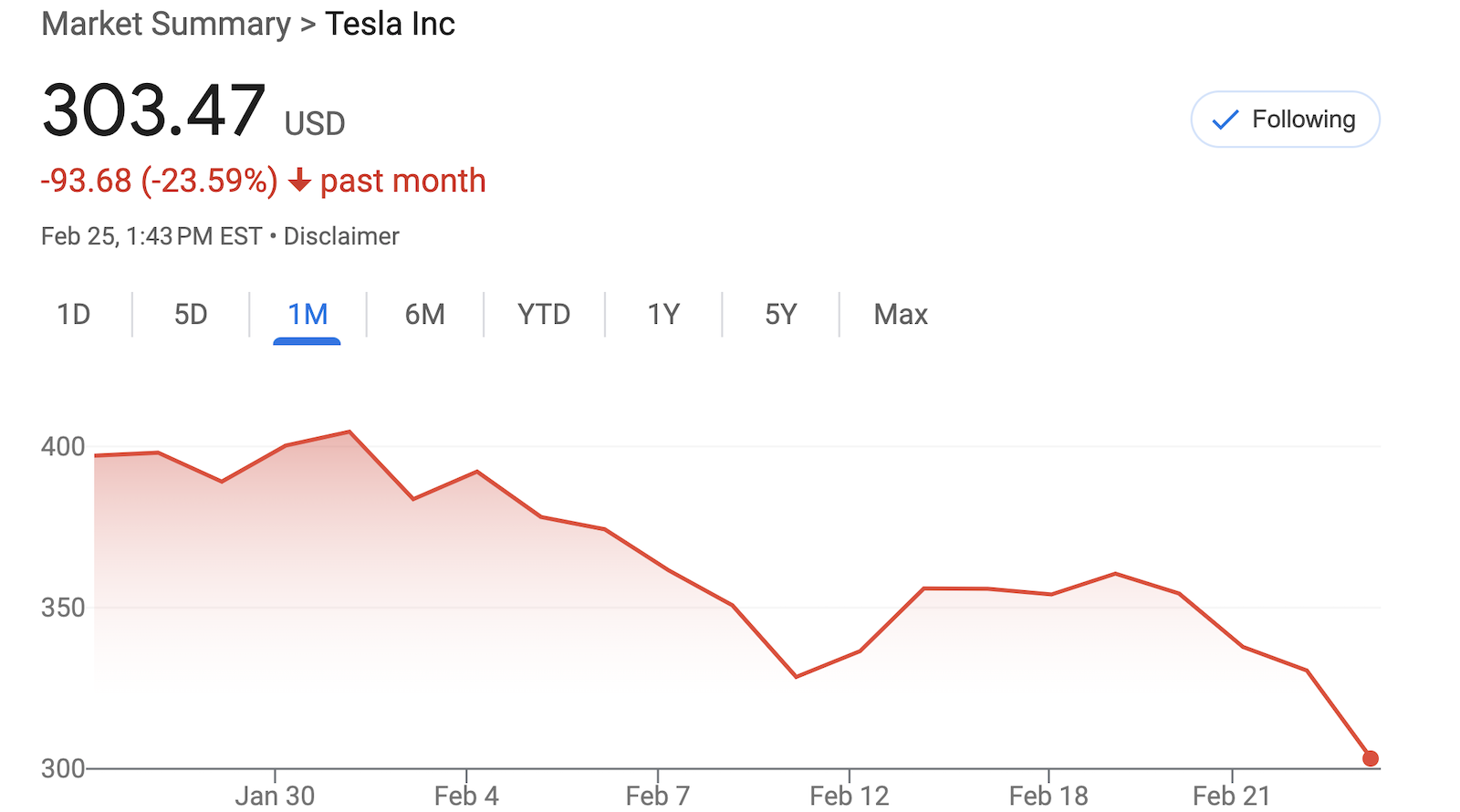
This article delves into the primary factors contributing to Tesla’s recent stock performance, offering insights for investors trying to navigate the complexities of this highly dynamic asset. It’s crucial to remember that stock prices are a reflection of future expectations, and any shift in these expectations, whether perceived or real, can trigger significant movements.
Understanding Market Volatility and Tesla’s Unique Position
The stock market, by its very nature, is a volatile arena. Prices fluctuate constantly based on a myriad of factors, often driven by investor sentiment as much as by fundamental metrics. For a company like Tesla, whose stock has historically traded at a premium due to its growth potential and technological edge, these fluctuations can be amplified.
The Nature of High-Growth Stocks
High-growth companies often see their stock prices soar during periods of economic optimism and low interest rates, as investors are more willing to bet on future earnings. However, they are also particularly vulnerable during economic downturns or periods of tighter monetary policy. When interest rates rise, the present value of future earnings decreases, making growth stocks appear less attractive compared to value stocks, which often have more stable, immediate cash flows. Tesla, despite its current profitability, is still largely priced on its future potential across various segments, from EVs and batteries to AI and robotics. Any uncertainty about that future growth trajectory can lead to swift re-evaluations.
Tesla’s Dual Identity: Auto Manufacturer and Tech Innovator
Tesla occupies a unique position, straddling the line between a traditional automotive manufacturer and a cutting-edge technology company. This dual identity is both a strength and a weakness in the eyes of investors. On one hand, it allows Tesla to command a valuation far exceeding that of legacy automakers, justified by its technological prowess in battery development, autonomous driving (FSD), AI, and energy storage. On the other hand, it means the company is scrutinized through two different lenses. When the automotive market faces headwinds—such as slowing demand, increased competition, or production challenges—Tesla’s stock can be hit hard, even if its technological ventures remain promising. Conversely, if its tech innovations fail to materialize or face regulatory hurdles, it impacts the premium valuation. Today’s drop might reflect a market attempting to reconcile these two identities amidst shifting economic landscapes.
Macroeconomic Headwinds Impacting Growth Stocks
The broader economic environment plays a pivotal role in the performance of all stocks, but especially those with high growth expectations. Several macroeconomic factors have created a challenging backdrop for Tesla and similar high-valuation companies.
Interest Rate Hikes and Inflationary Pressures
Central banks globally, particularly the U.S. Federal Reserve, have aggressively raised interest rates to combat persistent inflation. Higher interest rates increase the cost of borrowing for companies, impacting their expansion plans and profitability. More importantly for growth stocks, higher rates make safer investments like bonds more attractive, drawing capital away from riskier assets like equities. As the discount rate used to value future cash flows rises, the present value of a growth company’s anticipated earnings diminishes, leading to downward pressure on stock prices. Tesla, with its long-term growth story, is particularly sensitive to these shifts in investor appetite for risk versus safety.
Global Economic Slowdown and Consumer Spending
Concerns about a potential global economic slowdown or recession are also weighing heavily on investor sentiment. A sputtering economy typically translates to reduced consumer spending, particularly on big-ticket items like new cars. While EVs are a growing segment, they are not immune to economic downturns. If consumers tighten their belts, demand for even desirable electric vehicles could soften, impacting Tesla’s sales volume and revenue projections. Reports of slowing demand in key markets or competitive pricing pressures can quickly translate into a declining stock price as investors recalibrate their growth forecasts.
Geopolitical Tensions and Supply Chain Disruptions
Ongoing geopolitical tensions, particularly those impacting global trade and energy markets, continue to contribute to economic uncertainty. While supply chain issues have eased somewhat from their pandemic peaks, they can still flare up, affecting production and delivery schedules for automakers. Tesla, with its global manufacturing footprint and reliance on complex supply chains for components like batteries and semiconductors, remains susceptible to these disruptions. Any news suggesting potential production bottlenecks or increased costs due to geopolitical events can trigger investor concern about the company’s ability to meet its ambitious targets.
Company-Specific Challenges and Investor Sentiment
Beyond the macroeconomic picture, specific developments within Tesla itself, alongside the prevailing investor sentiment, often directly influence its stock performance.
Production and Delivery Targets
Tesla’s valuation has long been predicated on its ability to rapidly scale production and deliver an ever-increasing number of vehicles. Investors closely watch quarterly production and delivery figures as key indicators of the company’s execution. Any indication that Tesla might miss its aggressive growth targets, whether due to factory ramp-up issues, logistic bottlenecks, or demand concerns, can lead to a sell-off. Recent quarters have shown some fluctuations, and even slight misses or downward revisions to guidance can have an outsized impact on a stock priced for perfection. The market is highly sensitive to any perceived slowdown in its formidable growth engine.

Intense Competition in the EV Market
What was once a nascent market dominated by Tesla is now a rapidly expanding battleground. Legacy automakers like Ford, GM, Volkswagen, Mercedes-Benz, and Hyundai, along with numerous new EV startups, are pouring billions into developing their own compelling electric vehicle lineups. This increased competition translates into more choices for consumers, potential pricing pressures, and a fight for market share. While Tesla still holds a significant lead in many respects, the fear among investors is that its market dominance could erode over time, impacting its growth trajectory and profit margins. News of new competitive models, aggressive pricing strategies from rivals, or market share shifts can dampen enthusiasm for TSLA.
Leadership Influence and Investor Confidence
Elon Musk, Tesla’s CEO, is a polarizing figure whose actions and public statements often have a direct and significant impact on the company’s stock. His entrepreneurial spirit and vision have been instrumental in Tesla’s success, but his frequent ventures into other companies (like SpaceX and X, formerly Twitter), controversial tweets, and sometimes erratic behavior can introduce an element of unpredictable risk for investors. Concerns about his divided attention, potential sales of TSLA stock to fund other ventures, or regulatory scrutiny related to his social media activity can create uncertainty and lead to declines as investors re-evaluate the leadership premium historically attached to Tesla.
Valuation Concerns and Future Growth Prospects
Tesla’s stock has historically traded at a premium valuation compared to traditional automakers, reflecting its high-growth potential and technological leadership. However, this premium also makes it more susceptible to re-evaluations when the growth story faces scrutiny.
Premium Valuation vs. Traditional Automakers
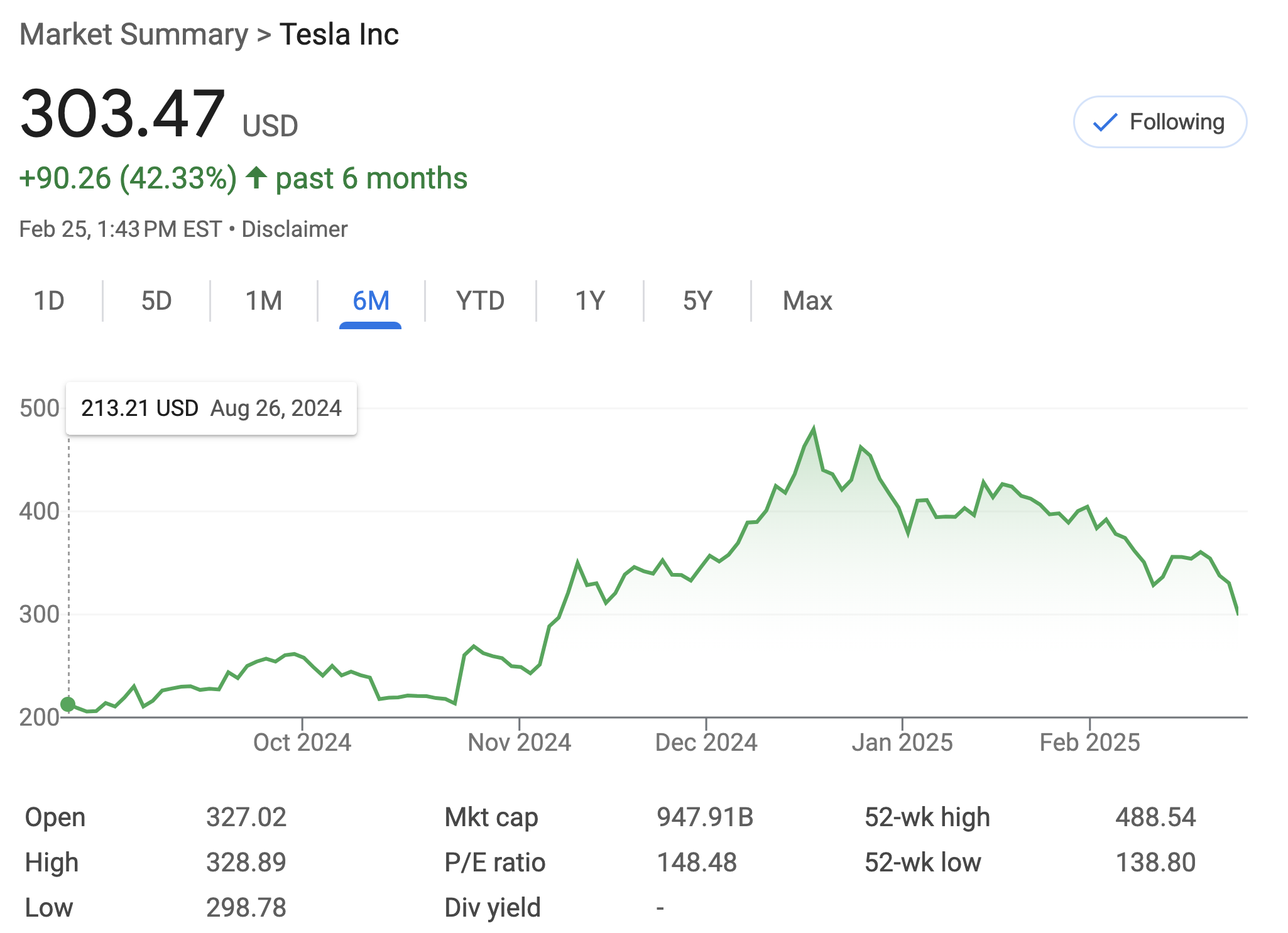
Even after significant drops, Tesla’s market capitalization often far exceeds that of many established automotive giants, despite producing a fraction of the vehicles. This disparity is justified by investors who believe in Tesla’s superior technology, brand, and long-term expansion into AI, robotics, and energy. However, as interest rates rise and growth stocks face pressure, investors often become more scrutinizing of these high valuations. A stock trading at a high price-to-earnings (P/E) ratio, for instance, requires sustained, rapid growth to justify its price. If that growth trajectory is perceived to be slowing, even slightly, the stock can experience a significant re-rating downwards.
Relying on Future Innovation (FSD, AI, Robotics)
A substantial portion of Tesla’s valuation is tied not just to its current EV sales but to the anticipated success of its future ventures, particularly full self-driving (FSD) technology, AI applications, and the humanoid robot, Optimus. These are ambitious, capital-intensive projects with uncertain timelines for widespread commercialization and profitability. Delays in FSD deployment, regulatory hurdles for autonomous driving, or skepticism about the near-term viability of Optimus can undermine investor confidence in Tesla’s long-term disruptive potential, leading to a correction in its stock price. The market is constantly weighing the promise of these innovations against the execution risk.
Profitability and Margins
While Tesla has achieved profitability, its margins have faced pressure from various factors, including raw material costs, supply chain issues, and increasingly, competitive pricing strategies. To maintain market share and drive volume, Tesla has occasionally adjusted vehicle prices, which can impact its overall profitability per unit. Investors look for consistent and improving margins as a sign of financial health and sustainable growth. Any indication that margins are contracting or that price cuts are becoming a necessity rather than a strategic option can negatively influence investor perception of the company’s financial strength and future earning potential.
The Road Ahead: What Investors Should Consider
A drop in stock price, even for a company as prominent as Tesla, is a common occurrence in the life cycle of publicly traded entities. For investors, it represents both a challenge and an opportunity, depending on their individual investment horizon and risk tolerance.
Long-Term vs. Short-Term Perspective
For short-term traders, a drop in Tesla’s stock might signal a quick exit or an opportunity for tactical plays. However, for long-term investors, periods of volatility often necessitate a re-evaluation of the company’s fundamentals and its long-term vision. Is the underlying growth story still intact? Have the reasons for the drop fundamentally altered Tesla’s competitive advantage or future prospects? Often, market downturns are temporary reactions to current events, while the long-term trajectory of an innovative company like Tesla might remain strong. A long-term perspective focuses on the company’s ability to execute its mission, innovate, and expand market share over years, not just quarters.
Diversification and Risk Management
The volatility of high-growth stocks like Tesla underscores the importance of diversification in an investment portfolio. Placing too much capital into a single, high-growth, high-beta stock exposes an investor to significant risk during market corrections. A diversified portfolio, spread across different asset classes, industries, and geographies, helps mitigate the impact of any single stock’s poor performance. Furthermore, adopting sound risk management strategies, such as setting stop-loss orders or investing incrementally, can help protect capital during periods of heightened market uncertainty.
Monitoring Key Metrics and Market Signals
Investors should continuously monitor key metrics relevant to Tesla’s business and the broader EV market. This includes production and delivery numbers, profit margins, cash flow statements, and R&D spending. Additionally, keeping an eye on macroeconomic indicators (interest rates, inflation data, consumer confidence) and the competitive landscape (new EV models, pricing strategies from rivals) will provide valuable context. Understanding these signals helps in making informed decisions rather than reacting emotionally to daily price swings.
In conclusion, Tesla’s stock drop today is likely a confluence of several factors: broader macroeconomic headwinds, increased competition in the EV space, company-specific challenges in meeting ambitious targets, ongoing scrutiny of its premium valuation, and the ever-present influence of its CEO’s actions. While periods of decline can be unsettling, they are a normal part of investing. For current and prospective investors, a thorough understanding of these dynamics, coupled with a disciplined investment approach, is essential to navigate the future performance of this groundbreaking company.
aViewFromTheCave is a participant in the Amazon Services LLC Associates Program, an affiliate advertising program designed to provide a means for sites to earn advertising fees by advertising and linking to Amazon.com. Amazon, the Amazon logo, AmazonSupply, and the AmazonSupply logo are trademarks of Amazon.com, Inc. or its affiliates. As an Amazon Associate we earn affiliate commissions from qualifying purchases.