
The electrifying ascent of Tesla (TSLA) stock has long been a defining narrative of the modern investment era. From its humble beginnings to becoming a trillion-dollar company, Tesla’s journey captivated both seasoned investors and retail enthusiasts, fueled by its pioneering spirit in electric vehicles (EVs), renewable energy, and autonomous driving technology. However, recent periods have seen a dramatic reversal of fortune, with the stock experiencing significant downturns that have left many wondering: why is Tesla stock crashing? This isn’t a simple question with a singular answer; rather, it’s a confluence of macroeconomic pressures, company-specific challenges, evolving market dynamics, and a recalibration of investor sentiment that collectively put the brakes on its once-unstoppable momentum. Understanding these multifaceted factors is crucial for anyone trying to navigate the complex landscape of today’s financial markets and to comprehend the inherent volatility even in the most prominent growth stocks.
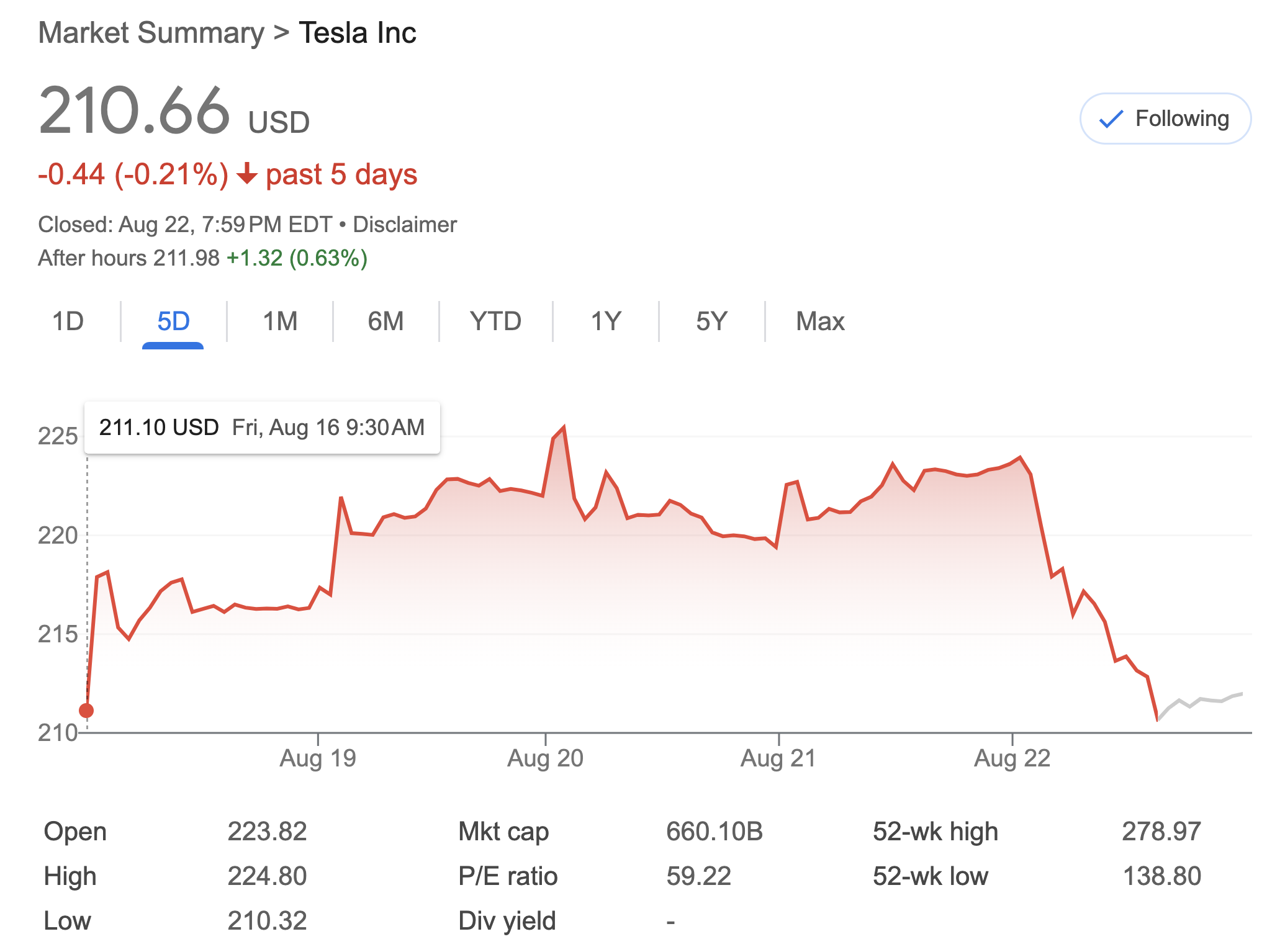
The narrative surrounding Tesla has always been one of disruption and exponential growth, justifying its historically premium valuation. However, as the global economic environment shifts and the automotive industry undergoes a profound transformation, the fundamental underpinnings of this valuation are being rigorously re-evaluated. This article will delve into the various reasons contributing to Tesla’s stock downturn, analyzing both the broad market headwinds and the specific operational and strategic decisions impacting the company, offering an insightful look into the complex interplay of forces that drive stock market performance.
Market Dynamics and Macroeconomic Headwinds
The broader economic environment plays an undeniable role in the performance of growth stocks like Tesla. In recent periods, several macroeconomic factors have converged to create a challenging backdrop for high-valuation assets. These external pressures often hit growth companies disproportionately hard, as their valuations are heavily reliant on future earnings potential, which becomes less certain in an unstable economic climate.
Interest Rate Hikes and Discount Rates
Perhaps the most significant macroeconomic factor is the aggressive series of interest rate hikes implemented by central banks globally, particularly the U.S. Federal Reserve. Higher interest rates increase the cost of borrowing for companies and consumers alike, but more critically for stock valuation, they impact the “discount rate” used in discounted cash flow (DCF) models. A higher discount rate means future earnings are valued less in today’s dollars. For companies like Tesla, whose valuation is largely predicated on substantial growth and profits many years into the future, a higher discount rate significantly erodes their present-day theoretical value. Investors, with safer alternatives yielding higher returns (like bonds), demand a greater premium for holding risky growth stocks.
Inflationary Pressures on Production Costs
Persistent inflation has been another major headwind. Tesla, like all manufacturers, faces rising costs for raw materials such as lithium, nickel, and cobalt essential for batteries, as well as aluminum and steel for vehicle bodies. Labor costs and logistics expenses have also escalated. While Tesla has historically managed to pass on some of these costs to consumers through price increases, there’s a limit to how much the market can bear, especially as competition intensifies. These inflationary pressures directly impact gross margins, reducing profitability and making it harder for the company to achieve the earnings growth analysts project, thereby putting downward pressure on its stock price.
Global Economic Slowdown and Consumer Spending
Fears of a global recession or significant economic slowdown loom large. In such an environment, consumer discretionary spending, particularly on big-ticket items like new cars, tends to decline. Even for a brand as strong as Tesla, a significant economic downturn could lead to reduced demand for its vehicles. Potential buyers might postpone purchases or opt for more affordable alternatives. This directly threatens sales volumes and revenue growth, which are critical drivers for Tesla’s stock performance given its growth-oriented valuation.
Geopolitical Tensions and Supply Chain Disruptions
Ongoing geopolitical tensions, particularly those impacting global trade relations and energy markets, continue to create uncertainty. While some supply chain issues have eased since the height of the pandemic, new disruptions can always emerge, affecting production schedules and component availability. Such instability makes it difficult for companies to forecast and execute production plans efficiently, leading to potential delivery shortfalls and increased operational costs, all of which weigh on investor confidence.
Company-Specific Challenges and Performance
Beyond the macroeconomic storm, Tesla has also grappled with a range of company-specific issues that have contributed to its stock’s decline. These challenges touch upon its competitive standing, operational execution, and leadership focus, causing investors to reassess the company’s immediate and long-term prospects.
Intensifying EV Competition
Tesla once enjoyed an almost unchallenged lead in the electric vehicle market. However, that landscape has dramatically changed. Traditional automakers like Ford, General Motors, Volkswagen, Hyundai, and Mercedes-Benz have aggressively ramped up their EV offerings, investing billions into new platforms, battery technology, and charging infrastructure. New entrants like Rivian and Lucid are also carving out niche markets. This intensified competition means Tesla no longer has a monopoly on innovation or consumer choice, leading to market share erosion and increased pressure on pricing and profit margins.
Production and Delivery Challenges Amidst Price Cuts
While Tesla has consistently increased its production capacity, achieving ambitious delivery targets has not always been smooth. Factory ramp-ups, especially for new models or at new gigafactories, can be complex. More recently, to stimulate demand in a competitive and economically constrained environment, Tesla initiated significant price cuts across its model lineup globally. While these cuts aim to boost sales volume, they have raised concerns about margin compression. Investors are wary of the trade-off: increased sales at potentially lower profitability could undermine the company’s historically high-margin narrative.
Regulatory Scrutiny and Safety Concerns
Tesla’s Full Self-Driving (FSD) beta program and other autonomous driving features have come under increasing regulatory scrutiny, particularly in the U.S. Concerns about safety, accident investigations, and the true capabilities of the technology have led to a cautious stance from authorities. Recalls, whether for software glitches or physical components, also sporadically impact public perception and incur costs. Such regulatory hurdles and safety concerns can dampen consumer enthusiasm and present potential liabilities, adding another layer of risk for investors.
CEO’s Distractions and Share Sales
Elon Musk, Tesla’s charismatic and often controversial CEO, is undeniably central to the company’s brand and investor appeal. However, his acquisition of Twitter (now X) and the subsequent demands on his time and attention have raised concerns among some investors about his focus on Tesla. Furthermore, Musk’s significant sales of Tesla stock to fund the Twitter acquisition and other ventures have often been perceived negatively by the market, signaling a potential lack of confidence or simply increasing the supply of shares, contributing to downward price pressure.
Valuation Concerns and Investor Sentiment
Tesla’s stock has always traded at a premium valuation, reflecting its disruptive potential and rapid growth. However, in the current environment, the sustainability of this premium is being questioned, leading to a significant shift in investor sentiment.
Premium Valuation Under Scrutiny
For years, Tesla commanded a valuation multiple far exceeding that of traditional automakers, often trading at P/E (price-to-earnings) ratios in the hundreds or even thousands, compared to single-digit or low double-digit multiples for its rivals. This was justified by its high growth rate, technological leadership, and software-centric business model. However, as growth rates moderate and competition intensifies, the market is beginning to scrutinize whether this premium is still warranted. When growth slows, investors demand a more reasonable valuation based on current earnings and more realistic future projections. The “growth at any cost” mentality has given way to a focus on profitability and sustainable free cash flow.

Growth Narrative Under Pressure
The core of Tesla’s premium valuation was its compelling growth narrative: exponential expansion in vehicle deliveries, rapid progress in FSD, and diversification into energy storage and AI. As the EV market matures and the company grows larger, maintaining the same breakneck pace becomes increasingly difficult. Any signs of decelerating growth, whether due to market saturation, increased competition, or production bottlenecks, directly challenge this narrative. Investors who bought into Tesla based on the expectation of continued hyper-growth become disillusioned when that trajectory appears to falter, leading to selling pressure.
Impact of Analyst Downgrades and Price Target Adjustments
Wall Street analysts play a significant role in shaping institutional investor sentiment. When a stock consistently underperforms or faces new challenges, analysts often revise their ratings and price targets downwards. These downgrades can trigger selling by institutional funds that adhere to specific investment mandates or simply react to updated research. The collective weight of multiple analyst downgrades can create a negative feedback loop, further dampening investor confidence and contributing to the stock’s decline.
Retail Investor Exodus
Tesla has historically enjoyed immense popularity among retail investors, many of whom were loyal brand enthusiasts. This strong retail support often helped buffer the stock during periods of volatility. However, sustained periods of decline, combined with concerns over Elon Musk’s focus and the broader economic outlook, can erode the conviction of these smaller investors. A retail exodus, even if not as impactful as institutional selling, can contribute to weaker demand for the stock and amplify downward trends.
Competitive Landscape and Future Outlook
The long-term trajectory of Tesla’s stock will heavily depend on its ability to navigate the evolving competitive landscape and successfully execute its future growth strategies. The once-clear path to dominance is now fraught with challenges and rapidly changing market dynamics.
Emerging EV Players and Established Automakers
The global EV market is no longer a one-horse race. Chinese manufacturers like BYD have emerged as formidable global competitors, often offering more affordable options. European and American legacy automakers are quickly closing the technology gap, pouring massive investments into R&D for battery technology, charging networks, and advanced driver-assistance systems. Tesla must now compete on price, features, quality, and charging infrastructure, which dilutes its unique selling propositions and puts pressure on its market leadership.
Innovation and Technological Edge Erosion
For years, Tesla was synonymous with innovation in the automotive sector, particularly in battery technology, software integration, and over-the-air updates. While still a leader, other companies are catching up. Investments in solid-state batteries, advanced AI for autonomous driving, and sophisticated infotainment systems are becoming commonplace. Tesla’s technological edge, while still present, is less pronounced than it once was, requiring continuous groundbreaking innovation to maintain its premium status and justify its valuation.
Charging Infrastructure Battle
Tesla’s Supercharger network has been a significant competitive advantage, offering reliability and widespread availability. However, competing charging networks are expanding rapidly, and many other automakers are collaborating to build robust charging ecosystems. The recent trend of other automakers adopting Tesla’s North American Charging Standard (NACS) could eventually neutralize one of Tesla’s key differentiators, turning the Supercharger network into an industry standard rather than an exclusive competitive moat.
Future Growth Drivers
Tesla’s future growth hinges on the successful rollout and adoption of upcoming products and services. The Cybertruck, long-delayed, needs to prove its market viability and production scalability. The ambitious Robotaxi concept, if realized, could unlock enormous new revenue streams, but its timeline and regulatory hurdles are significant. Further expansion into energy storage, AI, and robotics also offer potential, but these are still nascent areas with their own risks and execution challenges. Investors are increasingly looking for concrete evidence of these future drivers translating into substantial revenue and profit before committing significant capital.
Navigating Volatility: Investor Considerations
For investors observing Tesla’s stock, understanding the complexities of its recent downturn is crucial for making informed decisions. The volatility experienced highlights fundamental principles of investing, especially in high-growth, high-profile companies.
Risk Assessment and Diversification
The “crashing” of a once-unassailable stock like Tesla serves as a stark reminder of investment risk. Concentrating a portfolio heavily in a single stock, no matter how promising, exposes investors to significant idiosyncratic risk. Diversification across various asset classes, industries, and geographies remains a cornerstone of prudent portfolio management, mitigating the impact of any single company’s struggles.
Long-Term vs. Short-Term Perspective
For long-term investors, periods of stock decline in fundamentally strong companies can represent buying opportunities. However, distinguishing between temporary setbacks and more fundamental, long-lasting challenges is key. Short-term market movements are often driven by sentiment, news cycles, and technical trading patterns, which can obscure the underlying business performance. A thorough understanding of Tesla’s long-term strategy, market position, and financial health is more important than reacting to daily price fluctuations.
Understanding Financial Metrics
In times of high volatility, it becomes even more critical for investors to delve beyond the headlines and understand a company’s financial metrics. Analyzing income statements, balance sheets, and cash flow statements provides insights into revenue growth, profit margins, debt levels, and cash generation. Comparing Tesla’s metrics against its peers and historical performance can help identify whether its current valuation is justified or whether the market is overreacting to short-term events. Metrics like P/E ratio, P/S ratio, free cash flow yield, and gross margins are particularly relevant for assessing a growth company.

The Role of News and Market Whispers
The constant barrage of news, analyst reports, social media discussions, and market “whispers” can create an emotionally charged environment around a stock like Tesla. Investors should be wary of making impulsive decisions based on sensationalized headlines or unverified information. A disciplined approach, based on thorough research and a clear investment thesis, is essential to avoid being swayed by market hype or fear. Evaluating the credibility of information sources and understanding potential biases is paramount.
In conclusion, the recent downturn in Tesla’s stock is not attributable to a single factor but rather a complex interplay of broader macroeconomic headwinds, intensifying competition, company-specific operational challenges, and a necessary re-evaluation of its premium valuation by investors. While Tesla remains a formidable force in the EV and energy sectors, its path forward is undoubtedly more challenging than its meteoric rise suggested. For investors, understanding these dynamics is crucial for navigating the current volatility and making informed decisions about the future of this influential company in their portfolios.
aViewFromTheCave is a participant in the Amazon Services LLC Associates Program, an affiliate advertising program designed to provide a means for sites to earn advertising fees by advertising and linking to Amazon.com. Amazon, the Amazon logo, AmazonSupply, and the AmazonSupply logo are trademarks of Amazon.com, Inc. or its affiliates. As an Amazon Associate we earn affiliate commissions from qualifying purchases.