
In the current landscape of high-stakes marketing, few figures have occupied the intersection of cultural zeitgeist and commercial ubiquity as prominently as Sydney Sweeney. From high-fashion runways to automotive workshops and beverage campaigns, Sweeney has become the definitive “It Girl” of the 2020s. However, with this rapid ascent comes a complex web of brand friction. The question of why a Sydney Sweeney advertisement often sparks controversy is rarely about a single scandalous event; rather, it is a sophisticated case study in brand strategy, audience perception, and the evolving mechanics of personal branding.

To understand the controversy, one must look past the aesthetics and into the strategic misalignment that occurs when a personal brand scales faster than the market’s ability to categorize it. This article explores the nuances of Sweeney’s commercial presence through the lens of brand identity, marketing ethics, and the strategic risks of over-saturation.
The “It Girl” Strategy and the Risk of Over-Saturation
In brand management, the “Halo Effect” describes a situation where the positive impressions of a person or product spill over into another area. For brands like Miu Miu, Armani, and Laneige, Sweeney represents a bridge to Gen Z and Millennial consumers. However, the sheer velocity of her partnerships has created a phenomenon known as brand dilution.
The Velocity of Personal Brand Growth
When an actor experiences a meteoric rise, their management often adopts a “strike while the iron is hot” strategy. Within a single fiscal year, Sweeney appeared in major campaigns for luxury fashion, skincare, technology, and lifestyle beverages. From a brand strategy perspective, this creates a crowded mental space for the consumer. When a spokesperson is “everywhere,” the unique value proposition they bring to an individual brand begins to erode. The controversy here is not moral, but strategic: Does Sweeney represent the elegance of Armani, the quirkiness of Miu Miu, or the ruggedness of Ford? When a brand ambassador attempts to represent everything, they risk representing nothing.
When Exposure Becomes Liability
In the digital age, audience fatigue is a tangible metric. Marketing psychologists note that over-exposure can lead to “advertising blindness” or, worse, a cynical backlash. The controversy surrounding Sweeney’s ubiquity often stems from a perceived lack of curation. Consumers today value “curated authenticity.” When a celebrity accepts every high-tier endorsement offered, it can signal to the market that the personal brand is a commodity for sale rather than a curated identity. This creates a tension between the brand’s need for reach and the consumer’s desire for a genuine connection.
Authenticity vs. Aesthetics: The Ford and Samsung Case Studies
Perhaps the most significant controversies in Sweeney’s commercial portfolio arise from the gap between her public persona and her commercial obligations. In branding, “authenticity” is the most valuable currency, yet it is also the most fragile.
Reclaiming the “Garage Girl” Narrative
One of Sweeney’s most discussed partnerships was with Ford. On the surface, a blonde starlet known for prestige dramas partnering with an automotive giant seemed like a classic “mismatch” to traditional marketers. Critics initially labeled the move as an inorganic attempt to “tomboy-wash” her image. However, the strategy was deeper than that. Sweeney had a documented history of restoring vintage vehicles, which she shared on TikTok.
This created a fascinating brand conflict: the public’s preconceived notions (the aesthetic) vs. the celebrity’s actual lifestyle (the authenticity). The controversy served Ford’s brand strategy perfectly; it sparked conversation and challenged the “girly” stereotypes associated with her fashion campaigns. It was a rare example of a “disruptive partnership” that actually strengthened the brand identity of both parties by leaning into a hidden facet of the personal brand.
The Tech Disconnect: Brand Loyalty in the Digital Age
Conversely, the “Samsung vs. iPhone” controversy highlights the perils of modern digital marketing. Sweeney, as a brand ambassador for Samsung, was frequently scrutinized for any sign of using an Apple product—the dreaded “Twitter for iPhone” gaffe that has plagued many celebrities. In the realm of brand strategy, this is a fatal flaw. For tech brands, the ambassador is not just a face; they are a power user. When a discrepancy occurs, it shatters the “corporate identity” the brand is trying to build. The controversy arises because the consumer feels lied to, which is the ultimate sin in modern marketing. This friction points to a larger issue in celebrity branding: the difficulty of maintaining a 360-degree brand-compliant lifestyle in a transparent digital world.
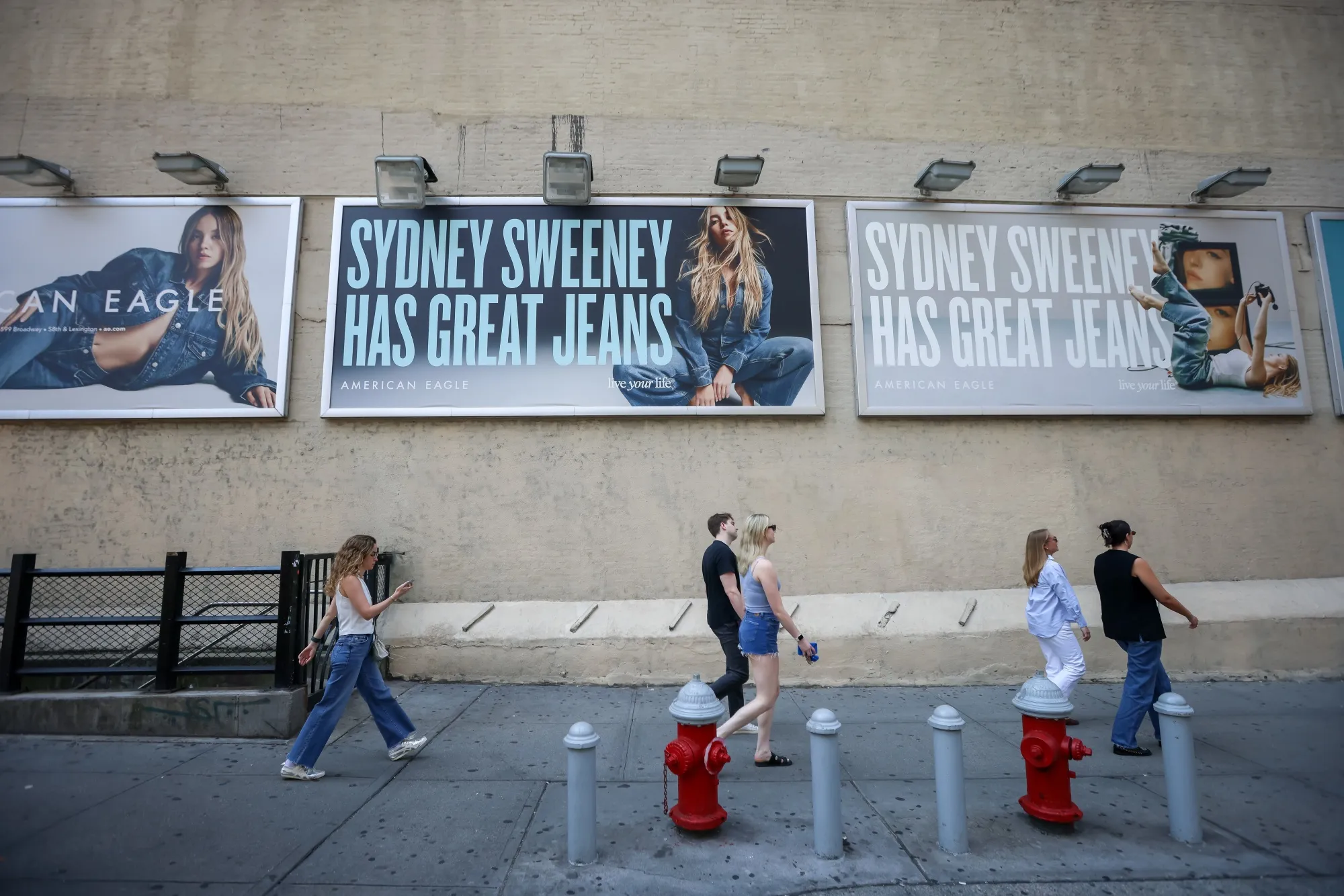
The Male Gaze and Brand Identity in a Progressive Era
A significant portion of the discourse surrounding Sweeney’s advertisements centers on the visual language used by marketing agencies. Sweeney’s image is often tied to a traditional, glamorous aesthetic that some critics argue leans heavily on the “male gaze,” creating a tension with modern, empowerment-focused marketing trends.
Empowerment or Objectification? The Marketing Dilemma
Brands today are navigating a minefield of social expectations. When Sweeney appears in high-concept fashion ads or skincare campaigns that emphasize her physicality, it often triggers a debate about the “commodification of the body” versus “reclaimed agency.” From a brand strategy standpoint, this is a calculated risk. A brand like Savage X Fenty or Frankies Bikinis uses Sweeney to project a specific type of confidence. The controversy emerges when the audience’s interpretation of “empowerment” conflicts with the brand’s visual output. Is the brand catering to a male audience under the guise of female empowerment, or is it celebrating a classic Hollywood aesthetic? This ambiguity is where the controversy lives.
Navigating High-Fashion Visuals in a Progressive Era
High-fashion brands like Miu Miu utilize Sweeney to evoke a sense of “subversive femininity.” However, if the marketing materials are interpreted as regressive, the brand’s identity can take a hit among socially conscious consumers. The controversy here is a reflection of the broader marketing shift from “aspirational perfection” to “relatable values.” Sweeney’s brand often sits squarely in the “aspirational” category, which feels increasingly at odds with a market that demands vulnerability and social awareness from its icons.
Brand Strategy in the Age of Social Media Scrutiny
The controversy surrounding Sydney Sweeney’s ads is also a byproduct of how social media platforms deconstruct marketing campaigns in real-time. A 30-second spot is no longer just a television commercial; it is a series of frames to be analyzed, memed, and critiqued.
The Fragmentation of Audience Perception
One of the core challenges in Sweeney’s brand strategy is that she appeals to wildly different demographics. Her Euphoria fan base (Gen Z) has different values than the White Lotus audience (Millennials/Gen X) or the automotive enthusiasts following her Ford partnership. When a brand launches a campaign featuring Sweeney, they are not talking to one audience; they are talking to a fragmented group of subcultures. Controversy occurs when a campaign designed for one segment (e.g., the high-glamour Armani crowd) is viewed through the lens of another (e.g., the authenticity-focused TikTok community). Managing these “colliding brand worlds” is one of the most difficult tasks for modern marketing directors.
Lessons for Corporate Identity and Influencer Selection
The “Sweeney Phenomenon” offers vital lessons for corporate identity. First, it demonstrates that a celebrity’s personal brand can be both an asset and a liability if it is not surgically aligned with the product. Second, it highlights the importance of “Brand Cohesion.” A company must ask: “Does this ambassador’s presence in five other industries strengthen or weaken our specific message?”
The controversy surrounding her ads is a signal of a maturing market. Consumers are becoming more sophisticated; they understand the “business of being a celebrity.” They are quick to spot a partnership that feels like a “cash grab” rather than a collaboration. For brands, the takeaway is that even the most popular face in the world cannot fix a fundamentally misaligned brand strategy.

Conclusion: The Future of the High-Velocity Personal Brand
The controversy surrounding Sydney Sweeney’s advertisements is ultimately a reflection of the growing pains of modern celebrity branding. We are witnessing the birth of a new kind of “commercial icon”—one who operates at a speed and scale previously unseen. While the friction over her ubiquity, authenticity, and visual representation continues, it serves a secondary purpose: it keeps the conversation centered on the brands she represents.
In the world of brand strategy, “indifference” is the only true failure. As long as Sweeney’s ads are sparking debate, they are achieving the primary goal of any marketing campaign: attention. However, for long-term brand equity to be maintained, both Sweeney and the corporations she represents must move toward a more curated, authentic, and strategically aligned future. The “Sydney Sweeney Ad” controversy isn’t just about a person; it’s about the struggle to find genuine human connection in a hyper-commercialized digital landscape.
aViewFromTheCave is a participant in the Amazon Services LLC Associates Program, an affiliate advertising program designed to provide a means for sites to earn advertising fees by advertising and linking to Amazon.com. Amazon, the Amazon logo, AmazonSupply, and the AmazonSupply logo are trademarks of Amazon.com, Inc. or its affiliates. As an Amazon Associate we earn affiliate commissions from qualifying purchases.