
The daily fluctuations of the stock market are a continuous source of fascination and concern for investors, economists, and the general public alike. When the market experiences a broad upward trajectory, as it might be today, it’s rarely attributable to a single factor. Instead, a confluence of macroeconomic indicators, corporate performance, monetary policy expectations, and investor sentiment typically drives such positive movements. Understanding these underlying currents is crucial for any participant in the financial markets, offering insights into both immediate performance and longer-term trends.
Macroeconomic Tailwinds Fueling Optimism
A robust economic backdrop provides fertile ground for stock market growth. When the fundamental health of an economy improves, it directly translates into better prospects for the companies operating within it.

Favorable Economic Data Releases
Recent economic reports often serve as primary catalysts for market rallies. Indicators signaling a healthy, yet not overheating, economy are particularly welcomed. For instance, stronger-than-expected Gross Domestic Product (GDP) growth suggests increased economic activity, which bodes well for corporate revenues and profits. Simultaneously, disinflationary trends, where inflation is moderating without tipping into deflation, can reassure markets that central banks may have more room to maneuver on interest rates, or even consider cuts, without reigniting price pressures.
Furthermore, a resilient labor market, characterized by low unemployment rates and steady wage growth, indicates strong consumer purchasing power. Consumers, who drive a significant portion of economic activity, are more likely to spend and invest when they feel secure in their employment and financial future. However, a labor market that is too strong can sometimes signal inflation risks, complicating central bank policy. The optimal scenario for equity markets is often a “goldilocks” economy: growing steadily, with contained inflation and healthy employment.
Strengthening Consumer and Business Confidence
Beyond raw data, the psychological state of economic actors plays a pivotal role. When consumers and businesses exhibit increased confidence, they are more inclined to spend, invest, and expand. Consumer confidence surveys, which gauge individuals’ optimism about their current and future financial situations and the broader economy, can directly influence spending patterns. Similarly, business confidence surveys reflect corporate sentiment regarding sales, profits, and hiring intentions.
A surge in these confidence metrics suggests an underlying belief in sustained economic growth. Businesses might accelerate capital expenditures, launch new products, and hire more staff, all of which contribute to economic expansion and, by extension, corporate profitability. This positive feedback loop can generate significant momentum in the stock market, as investors price in future earnings growth.
Corporate Performance and Sectoral Strength
While macroeconomic forces set the stage, the performance of individual companies and specific sectors often dictates the intensity and direction of market movements. Strong corporate fundamentals are the bedrock of any sustainable stock market advance.
Robust Earnings Reports and Positive Guidance
A primary driver of stock market appreciation is corporate earnings. When a significant number of publicly traded companies report quarterly earnings that surpass analyst expectations, it signals underlying strength and efficiency. Investors interpret better-than-expected profits as a testament to effective management, strong product demand, or successful cost-cutting initiatives.
Equally important is forward-looking guidance. If companies not only report strong past performance but also issue optimistic projections for future revenues and earnings, it can significantly boost investor confidence. Positive guidance indicates that management foresees continued growth, potentially driven by new product cycles, market expansion, or favorable industry trends. Such outlooks encourage further investment, as shareholders anticipate higher future returns, thereby pushing stock prices upward. This effect is often amplified when bellwether companies or those within influential sectors deliver strong results, setting a positive tone for the broader market.
Innovation and Productivity Gains
Technological advancements, while often discussed in the “Tech” category, profoundly impact the “Money” category by driving productivity gains and opening new revenue streams for businesses across all sectors. Breakthroughs in areas like artificial intelligence, automation, and biotechnology are not merely scientific feats; they are economic engines.
Companies that successfully integrate these innovations often experience enhanced operational efficiency, reduced costs, and the ability to create new, high-demand products and services. For investors, this translates into higher profit margins and increased market share potential. The market often rewards companies perceived to be leaders in adopting or developing these transformative technologies, viewing their long-term growth prospects as superior. This can lead to sector-specific rallies, where industries at the forefront of innovation see substantial capital inflows and valuation increases, pulling the overall market higher.
Sector-Specific Momentum
Market rallies are rarely uniform across all sectors. Often, certain industries lead the charge due to unique tailwinds. For instance, a surge in demand for consumer goods might boost retail and e-commerce stocks, while rising commodity prices could lift energy and materials sectors. Currently, sectors benefiting from specific trends – such as infrastructure spending, renewable energy mandates, or the aforementioned AI revolution – might be experiencing outsized gains.
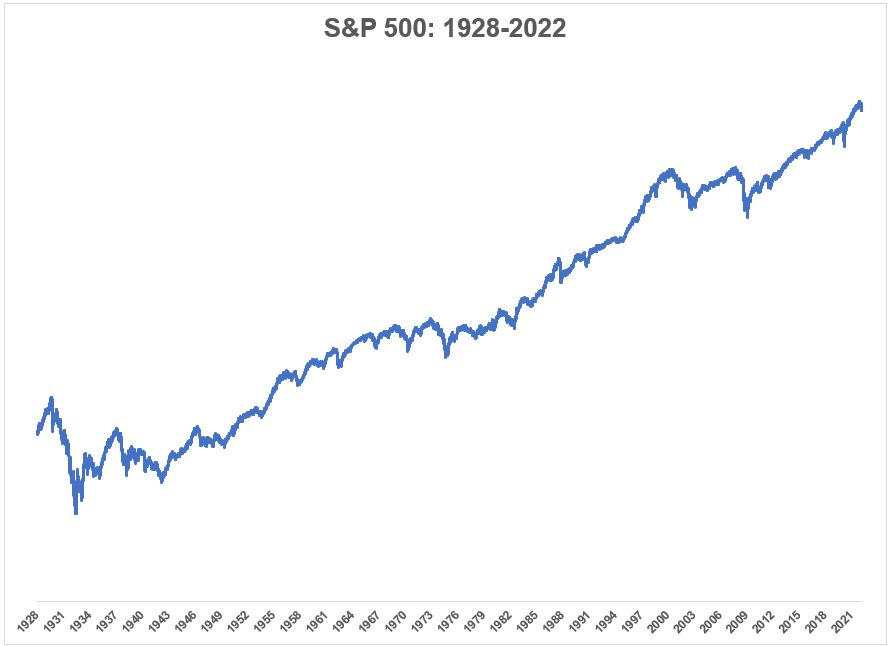
When these leading sectors represent a substantial portion of the overall market capitalization, their strength can exert significant upward pressure on broader indices. This “sector rotation” or “leadership” phenomenon is a natural part of market cycles, reflecting evolving economic conditions and investor preferences. Understanding which sectors are leading and why can provide clues about the underlying forces driving the overall market’s upward movement.
Monetary Policy Expectations and Investor Confidence
Central bank actions and their anticipated future moves are among the most potent forces influencing stock market direction. Changes in interest rates, bond-buying programs, and even rhetorical shifts can dramatically alter the investment landscape.
Central Bank Stance and Interest Rate Outlook
Central banks, such as the U.S. Federal Reserve, wield immense power over financial markets through their monetary policy decisions. The expectation of lower interest rates, or even a pause in rate hikes, often serves as a powerful catalyst for equity markets. Lower interest rates reduce borrowing costs for businesses, making it cheaper to finance expansion, invest in new projects, and manage existing debt. This can directly boost corporate profitability.
Moreover, lower rates make equities more attractive relative to fixed-income investments like bonds. When bond yields decline, the potential returns from dividend-paying stocks and growth stocks become comparatively more appealing, encouraging investors to shift capital from bonds to stocks. Conversely, anticipation of higher rates can have the opposite effect. Therefore, any indication from central banks – through official statements, meeting minutes, or speeches – that they are adopting a more “dovish” (accommodative) stance can ignite a market rally, as investors price in a more favorable interest rate environment.
Investor Sentiment and Risk Appetite
Market movements are not purely rational; they are heavily influenced by the collective psychology of investors. When sentiment turns broadly positive, it can create a self-reinforcing upward trend. Increased optimism leads to higher risk appetite, prompting investors to seek out higher returns in equities rather than safer assets.
This positive sentiment can manifest as “fear of missing out” (FOMO), where investors rush to buy stocks that are already rising, fearing they will miss out on further gains. This herd mentality can exacerbate upward trends, even in the absence of new fundamental information. Institutional buying, where large investment funds and pension funds allocate more capital to equities, also plays a crucial role. Their significant buying power can easily absorb selling pressure and propel markets higher. A sustained period of positive sentiment can create a robust foundation for market growth, even as it sometimes raises concerns about potential overvaluation.
Capital Flows and Liquidity
The availability of capital, or liquidity, also profoundly impacts stock prices. When there is an abundance of money circulating in the financial system, whether from quantitative easing programs, repatriated corporate profits, or global investment flows, a portion of this capital often finds its way into the stock market. Increased liquidity makes it easier and cheaper to invest, fostering greater demand for equities.
Both domestic and international capital flows contribute to this dynamic. If global investors view a particular market as stable, growing, and offering attractive returns, they will channel their funds into it. This influx of foreign capital strengthens demand for local equities and can boost valuations. These flows are often influenced by relative interest rates, economic growth differentials, and geopolitical stability across different regions.
Global Influences and Market Technicals
The interconnectedness of global economies means that external factors and market mechanics also play a significant role in daily stock movements.
Geopolitical Stability and Commodity Prices
A reduction in global geopolitical tensions or positive international trade developments can provide a significant boost to market confidence. Stability reduces uncertainty, which is highly valued by investors. For example, the resolution of trade disputes, signing of new trade agreements, or a de-escalation of conflicts can open up new markets, reduce supply chain risks, and foster global economic growth.
Stable or declining commodity prices, particularly for oil and other raw materials, can also positively impact the stock market. Lower input costs translate into higher profit margins for businesses across various sectors, from manufacturing to transportation. This effectively acts as a boost to corporate earnings without requiring increased sales, enhancing the overall attractiveness of equity investments.

Technical Indicators and Market Structure
While fundamentals drive long-term value, short-term market movements are often influenced by technical factors and market structure. Market breadth, which assesses the number of advancing stocks versus declining stocks, can indicate the underlying strength of a rally. High trading volumes accompanying an upward move suggest strong conviction among buyers.
Furthermore, technical analysis identifies patterns and indicators that can influence trading decisions. For instance, if a major market index breaks above a significant resistance level, it can trigger further buying from traders and algorithmic systems. Short covering, where investors who have bet against the market (short sellers) are forced to buy back shares to close their positions as prices rise, can also contribute to upward momentum. These technical dynamics, while not reflective of fundamental value, can amplify existing trends and contribute to sharp daily moves.
In conclusion, the stock market’s upward movement today is likely the culmination of various interconnected factors. From encouraging macroeconomic data and robust corporate earnings to optimistic central bank expectations and positive investor sentiment, these elements combine to create an environment conducive to equity appreciation. For investors, understanding these multifaceted drivers provides a clearer perspective on the market’s current trajectory and informs future financial decisions.
aViewFromTheCave is a participant in the Amazon Services LLC Associates Program, an affiliate advertising program designed to provide a means for sites to earn advertising fees by advertising and linking to Amazon.com. Amazon, the Amazon logo, AmazonSupply, and the AmazonSupply logo are trademarks of Amazon.com, Inc. or its affiliates. As an Amazon Associate we earn affiliate commissions from qualifying purchases.