
Spirit Airlines occupies a peculiar position in the aviation industry: simultaneously a highly profitable and rapidly expanding carrier, yet frequently at the receiving end of intense public scorn and frustration. The depth of animosity directed towards the airline often seems disproportionate, even in an industry known for its customer complaints. Understanding why Spirit Airlines garners such significant “hate” requires a deep dive into its brand strategy, customer experience model, and the inherent friction between its value proposition and customer expectations. At its core, the brand’s distinct approach to air travel, while financially effective, actively cultivates a divisive reputation, directly impacting its brand equity and public perception.
The Unbundled Business Model: A Brand Strategy Misunderstood or Mismatched?
Spirit Airlines operates on a strict Ultra-Low-Cost Carrier (ULCC) model, a brand strategy designed to offer the absolute lowest base fare possible. This business philosophy dictates that virtually every amenity beyond the seat itself is an optional, additional charge. From a strategic perspective, this allows Spirit to advertise incredibly attractive prices, luring cost-conscious travelers. However, it is precisely this “unbundling” that forms the bedrock of customer dissatisfaction and brand hatred.
The Allure of the Low Base Fare
Spirit’s primary marketing message revolves around affordability. Headlining fares that are significantly lower than legacy carriers or even other budget airlines are a powerful draw, especially in economically sensitive times. For many travelers, the initial sticker shock of a $39 flight is enough to overlook potential future inconveniences. This pricing strategy is not accidental; it’s a deliberate brand positioning meant to appeal to a specific segment of the market: those who prioritize cost above all else and are willing to sacrifice traditional comforts and services. The brand promises accessibility to air travel, democratizing it for a broader audience who might otherwise find flying prohibitively expensive.
The Cumulative Shock of Ancillary Fees
The brand’s unbundling strategy becomes problematic when the initial low fare begins to accumulate a litany of additional charges. Baggage fees are perhaps the most common point of contention, with charges for carry-on bags often surprising first-time Spirit flyers who are accustomed to them being included. Seat selection, printing a boarding pass at the airport, snacks, drinks, and even priority boarding are all extra. What begins as a $39 flight can easily balloon to $150 or more, eroding the perceived value of the initial low fare. This “nickel-and-diming” perception directly damages the brand’s trustworthiness and fairness, as customers feel misled rather than empowered to choose their services. The gap between the advertised dream of cheap travel and the reality of the final bill is a significant contributor to brand resentment.
Customer Education vs. Brand Experience
Part of the challenge for Spirit lies in effectively communicating its brand proposition. While the airline does detail its fees on its website and during the booking process, the sheer volume and nuance of these charges can be overwhelming or simply overlooked by customers conditioned by different airline models. The brand aims to empower choice, allowing passengers to pay only for what they need. However, for many, this translates into a feeling of being penalized for basic necessities of travel. The brand experience, therefore, often starts with a sense of frustration, leading to a negative emotional association that is difficult to reverse. The company’s focus on transactional efficiency often overshadows the psychological impact of its revenue model on customer satisfaction and brand loyalty.
Customer Service and Operational Resilience: Weak Links in the Brand Chain
Beyond the fee structure, the day-to-day interactions and operational performance of Spirit Airlines often fall short of even basic expectations, further exacerbating negative brand perceptions. When things go wrong, as they inevitably do in air travel, the brand’s response mechanisms are critical, and here, Spirit frequently struggles.
Minimalist Staffing and Training Impact
To maintain its low operating costs, Spirit often operates with leaner staffing levels compared to full-service carriers. This cost-saving measure, while beneficial to the bottom line, can severely impact customer service quality. Fewer ground staff and flight attendants mean longer wait times for assistance, less personalized attention, and a potentially stressed workforce. When passengers are already feeling aggrieved by fees or delays, a stretched customer service team can quickly turn dissatisfaction into outright anger, reflecting poorly on the brand’s commitment to its customers. The emphasis on efficiency sometimes comes at the expense of empathy and effective problem-solving, key components of a positive brand interaction.

Handling Disruptions: A Brand Crisis Multiplier
Aviation is susceptible to disruptions – weather, mechanical issues, air traffic control delays. How an airline handles these events is a critical determinant of its brand reputation. Spirit Airlines, due to its operational model, often struggles more acutely with recovery. With fewer spare aircraft, less scheduling flexibility, and limited interline agreements with other carriers, a single delay or cancellation can cascade into significant problems, leaving passengers stranded for extended periods. The brand’s inability to quickly re-accommodate passengers, coupled with the difficulty in securing refunds or alternative travel, transforms a common industry challenge into a profound brand crisis. Social media amplifies these individual instances, painting a broader picture of an unreliable and uncaring brand.
Comfort and Amenities: The Bare Bones Offering
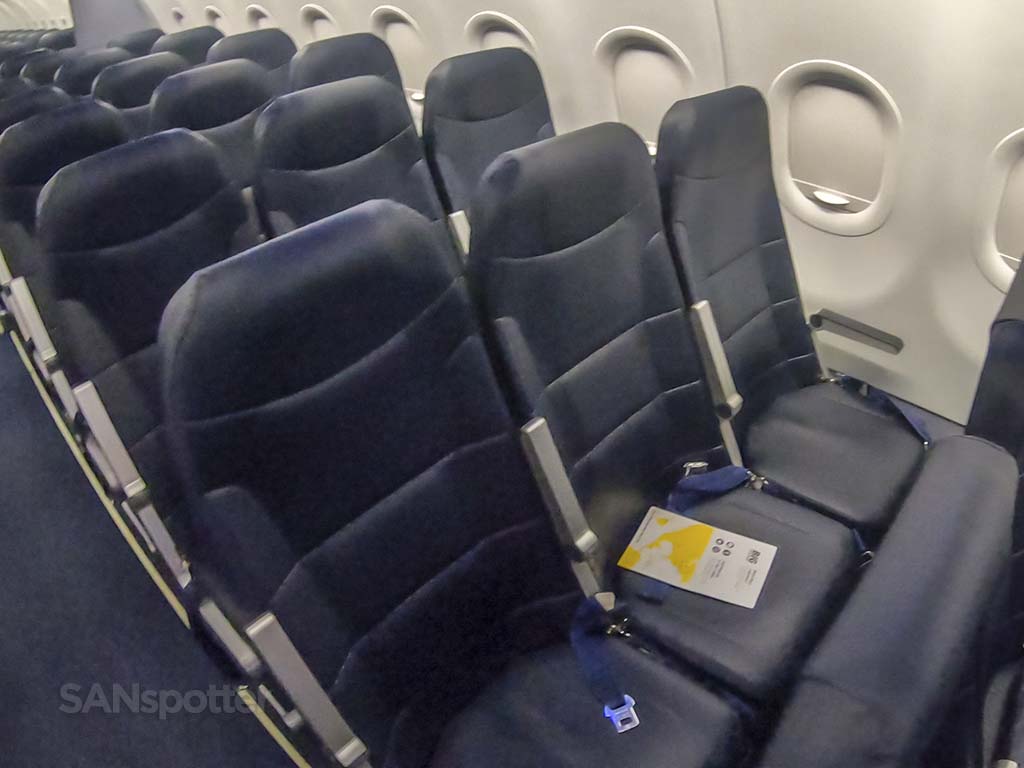
The “bare bones” approach extends beyond fees to the in-flight experience itself. Spirit aircraft are configured for maximum seating capacity, leading to tighter seat pitch and less personal space. Seats are often non-reclining, and in-flight entertainment and Wi-Fi are either non-existent or come at an additional charge. While aligned with the ULCC brand promise of minimizing costs, these choices contribute to a physically uncomfortable and unentertaining journey. For many, travel is not just about getting from A to B but about the journey itself. Spirit’s brand experience, by design, strips away any sense of indulgence or comfort, leading to a functional, often arduous, trip that reinforces the “hated” sentiment.
Marketing, Messaging, and the Perception Gap
Spirit’s brand identity is undeniably provocative. Its marketing often leans into the “no frills, no apologies” mentality, which, while honest, can further alienate customers seeking a more traditional or even aspirational travel experience. The perception gap between what Spirit promises and what customers expect is a crucial factor in its divisive brand image.
“Fly for Less” – A Double-Edged Sword
Spirit’s marketing tagline, variations of “Fly for Less,” directly communicates its core value proposition. However, this message, while clear, often understates the trade-offs involved. The implicit promise of getting a “deal” frequently overshadows the explicit disclaimers about extra costs and minimal service. For new customers, the excitement of the low base fare can create an expectation of a standard flight experience at an unbeatable price, rather than an unbundled, cost-optimized journey. When this expectation isn’t met, the brand is perceived as deceptive, even if technically transparent. This creates a challenging brand narrative where the initial allure quickly sours into resentment.
The Amplifying Echo Chamber of Social Media
In the digital age, individual negative experiences quickly become public narratives. Spirit Airlines is a frequent subject of viral social media posts detailing flight disruptions, frustrating customer service encounters, and hidden fees. These anecdotes, often shared with outrage and indignation, significantly shape public opinion and reinforce negative brand stereotypes. While Spirit might view some of this as the cost of doing business in a transparent, ULCC model, the cumulative effect is a powerful, self-perpetuating narrative of a “hated” brand. The brand’s own responses, or lack thereof, on these platforms further contribute to its image.
Spirit’s Brand Identity: No-Frills, No Apologies
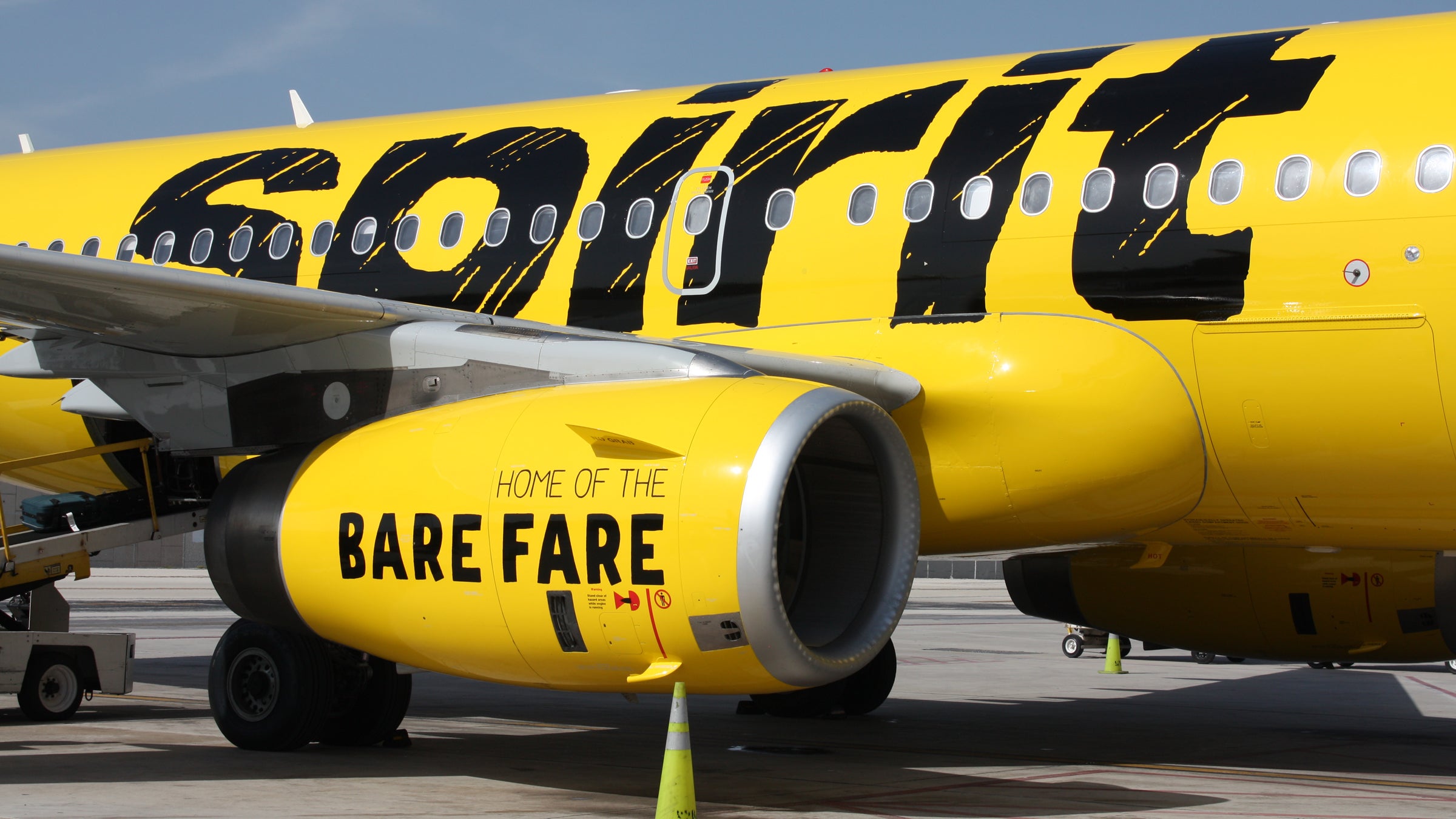
There’s an argument to be made that Spirit’s brand identity, in its stark honesty, actively leans into its controversial reputation. By embracing the “no-frills” identity, the brand implicitly accepts that it won’t appeal to everyone. Its visual identity, characterized by bright yellow planes and playful, somewhat aggressive taglines, reinforces this rebellious, anti-establishment stance within the airline industry. While this may endear it to a niche of truly cost-agnostic travelers, for the majority, it solidifies an image of an airline that prioritizes profit over passenger comfort or satisfaction. The brand’s unapologetic stance, while authentic to its model, can come across as dismissive to a frustrated customer base.
Can a “Hated” Brand Still Be Profitable? The Business of Dislike
Despite the torrent of negative reviews and public “hate,” Spirit Airlines remains a viable and, in many respects, a successful business. This paradox reveals an important insight into brand strategy: profitability does not always equate to universal adoration. Spirit’s brand strategy is not about cultivating widespread affection, but about capturing a specific market segment efficiently and profitably.
The brand’s sustained profitability demonstrates that a significant portion of the traveling public, when presented with the lowest possible fare, is willing to tolerate the trade-offs. For these travelers, the perceived “hate” is a secondary concern to the primary objective of cost savings. Spirit has successfully identified and served a market segment that values price elasticity above all else, proving that a strong, clear brand proposition—even if polarizing—can drive business success. The “hate” is, in a strange way, a testament to the brand’s clear, albeit controversial, differentiation strategy. It signifies that the brand has carved out a unique, if often criticized, niche in a highly competitive industry by meticulously optimizing its operations and brand experience for extreme cost-efficiency.
aViewFromTheCave is a participant in the Amazon Services LLC Associates Program, an affiliate advertising program designed to provide a means for sites to earn advertising fees by advertising and linking to Amazon.com. Amazon, the Amazon logo, AmazonSupply, and the AmazonSupply logo are trademarks of Amazon.com, Inc. or its affiliates. As an Amazon Associate we earn affiliate commissions from qualifying purchases.