
In the world of corporate identity, few names evoke as visceral a reaction as Spirit Airlines. For many travelers, the mention of the bright yellow livery brings to mind cramped seats, unexpected fees, and a customer service experience that feels more like an endurance test than a service. To the casual observer, Spirit Airlines is simply “bad.” However, from a brand strategy and marketing perspective, the reality is far more nuanced.
Spirit Airlines doesn’t suffer from a failed brand identity; rather, it is a victim of its own hyper-focused brand promise. By prioritizing price above all else, the company has intentionally sacrificed traditional markers of prestige and comfort. This article explores the strategic decisions behind Spirit’s controversial brand, the “Villain Strategy” in marketing, and why the perception of being “bad” is actually a core component of their business model.
The Disruption of the Ultra-Low-Cost Carrier (ULCC) Identity
To understand why Spirit is perceived the way it is, one must first understand the Ultra-Low-Cost Carrier (ULCC) model. Unlike legacy carriers like Delta or United, which attempt to balance service quality with tiered pricing, Spirit’s brand is built on a single, unwavering pillar: the lowest possible fare.
Redefining the Value Proposition
In branding, a value proposition is the promise of value to be delivered. Spirit’s proposition is “Less Money, More Go.” They have effectively commoditized air travel, stripping away the romanticism of flight and replacing it with the efficiency of a bus service in the sky. This disruption was intentional. By positioning themselves as the “no-frills” option, they carved out a massive niche among budget-conscious travelers who prioritize the destination over the journey.
The “Unbundled” Pricing Model as a Brand Pillar
Spirit’s “Bare Fare” is a masterclass in unbundled branding. By separating the seat price from every other amenity—carry-on bags, water, seat assignments—Spirit allows the consumer to “pay for only what they use.” While this is logically sound, it creates a brand friction point. Consumers are accustomed to a “bundled” experience where things feel “free.” When Spirit charges for these items, it creates a psychological perception of “nickeling and diming,” which consumers associate with a “bad” brand, even if the total cost remains lower than the competition.
The Psychology of the “Villain Brand” Strategy
While most corporations spend millions trying to be loved, Spirit Airlines has, at times, leaned into being the “villain.” This is a calculated risk in brand management. If you cannot be the most loved, being the most talked about is the next best thing for market visibility.
Embracing Negative Publicity as Marketing
For years, Spirit’s marketing team leaned into the controversy. They utilized provocative, often irreverent advertising that acknowledged their reputation. By not pretending to be a luxury airline, they practiced radical transparency. This “Villain Strategy” works because it sets a low bar. When a brand is perceived as “bad,” any baseline functional performance (getting from Point A to Point B on time) is seen as a success, while the low price remains the primary driver of repeat business.
Managing Expectations vs. Reality
The core of Spirit’s “bad” reputation lies in the gap between consumer expectations and the delivered reality. Most negative brand sentiment occurs when a traveler expects a legacy carrier experience at a ULCC price. Spirit’s branding challenge has always been one of education: teaching the consumer that they are purchasing a utility, not an experience. When the brand fails to manage this expectation, the resulting frustration manifests as viral social media complaints and a “bad” reputation.
Visual Identity and Communication Style
A brand’s visual identity communicates its values before a single word is read. Spirit’s choice of a bright, taxi-cab yellow is one of the most deliberate branding moves in the aviation industry.
The Loud Yellow Aesthetic: Visibility Over Prestige
In color psychology, yellow represents energy, clarity, and—most importantly—affordability. It is a high-visibility color that demands attention. By painting their planes bright yellow, Spirit signaled a departure from the “boring” blues and whites of corporate airlines. The aesthetic says, “We are different, we are loud, and we are cheap.” It is a visual rejection of the “elite” status of flying, reinforcing their identity as a populist, accessible brand for the masses.
Tongue-in-Cheek Advertising
Spirit’s communication style is notoriously cheeky. Their advertisements often use puns, pop culture references, and self-deprecating humor. This brand voice is designed to appeal to a younger, more cynical demographic that values authenticity over corporate polish. By being “the airline that knows it’s cheap,” they build a certain level of brand authenticity that more “serious” airlines struggle to achieve.
The Brand Equity Crisis: When Low Cost Becomes High Risk
While the “cheap” brand worked for a decade, Spirit has recently faced a brand equity crisis. In the world of marketing, brand equity is the value of a brand name beyond its functional utility. When the “bad” reputation begins to outweigh the “cheap” benefit, the brand is in trouble.
The Impact of Customer Service on Long-Term Loyalty
A brand is more than a logo; it is the sum of every interaction a customer has with the company. Spirit’s historical lack of investment in customer recovery—the process of making things right when they go wrong—has severely damaged its brand equity. In an era of social media, one viral video of a stranded passenger can counteract millions of dollars in advertising. The “bad” label has shifted from being a joke about legroom to a serious concern about reliability and safety perceptions.
Can a Brand Pivot Out of “Bad” Sentiment?
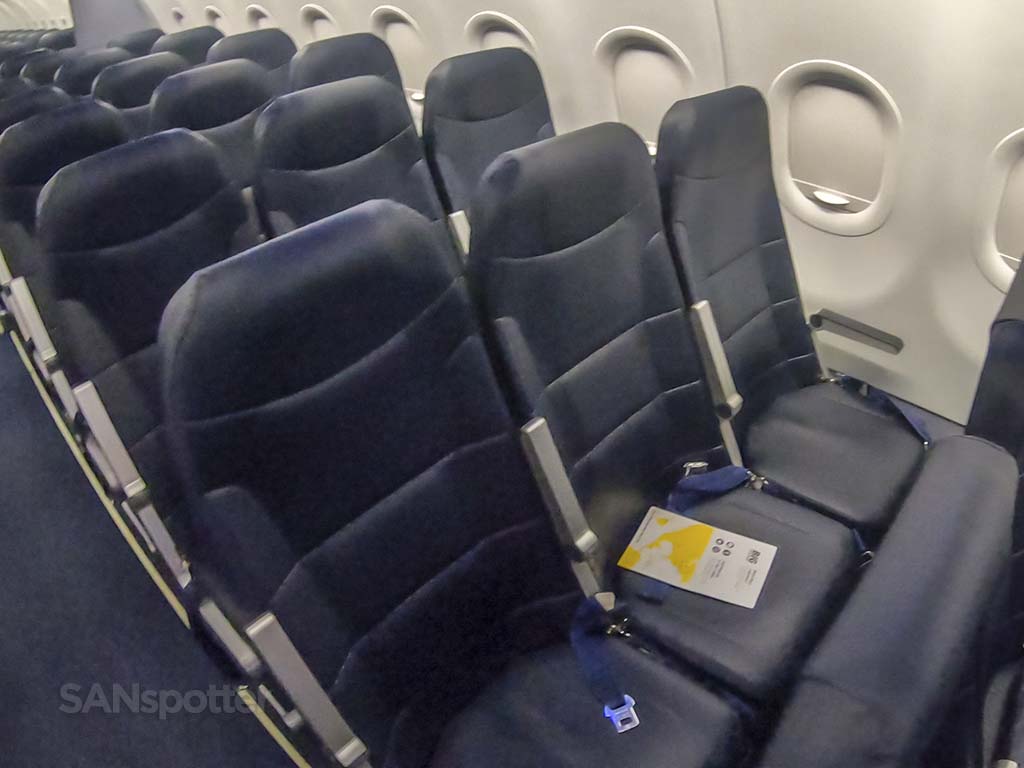
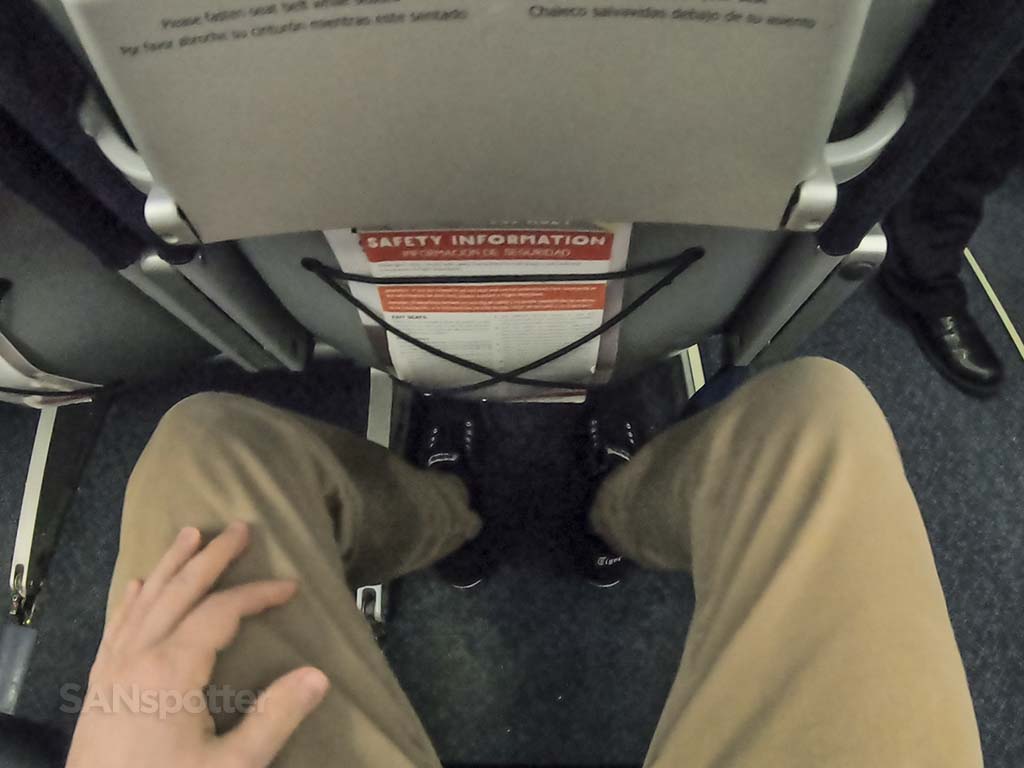
In recent years, Spirit has attempted a brand “refresh.” They have invested in newer, more comfortable seats (the “Big Front Seat”) and improved their on-time performance. However, shifting a deeply ingrained brand perception is incredibly difficult. Once a brand is cemented in the public consciousness as “the worst,” every minor delay is seen as proof of that narrative. Spirit is currently in a transitional phase, trying to move from “Cheap and Bad” to “Value and Reliable.”
Lessons for Modern Marketers
The story of Spirit Airlines provides several critical takeaways for brand strategists and marketing professionals across all industries.
Know Your Audience (And Their Breaking Point)
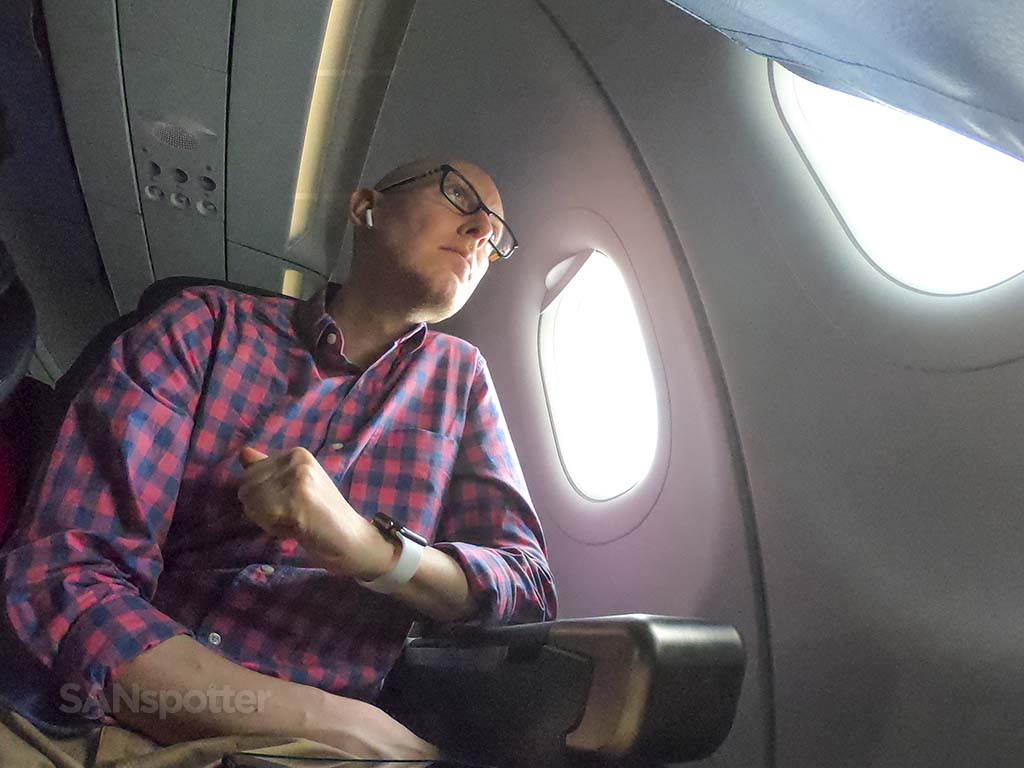
Spirit knows exactly who their customer is: the price-sensitive traveler. They have been successful because they ignored the critics and focused entirely on the one thing their target audience cared about—the fare. However, they also demonstrate the danger of ignoring the “breaking point.” There is a threshold where the cost savings are no longer worth the emotional toll of a poor brand experience. Successful branding requires finding that balance.
Consistency in Brand Promise
Despite the negativity, Spirit is remarkably consistent. You know exactly what you are going to get when you book a flight. In brand strategy, consistency is often more important than being “liked.” If a brand promises a luxury experience and delivers mediocrity, it fails. Spirit promises a “bare fare” and delivers exactly that. By being consistent in their “cheapness,” they have built a business that, until recently, was one of the most profitable in the skies.
In conclusion, Spirit Airlines isn’t “bad” by accident. Its reputation is the byproduct of a rigorous, aggressive brand strategy that prioritized market share and cost-efficiency over traditional brand sentiment. While the “bad” label serves as a cautionary tale for those who ignore customer experience, it also serves as a testament to the power of a clear, uncompromised brand identity in a crowded marketplace. Whether they can successfully evolve into a “quality-value” brand remains to be seen, but for now, Spirit remains the most fascinating case study in the power of the “low-cost” identity.
aViewFromTheCave is a participant in the Amazon Services LLC Associates Program, an affiliate advertising program designed to provide a means for sites to earn advertising fees by advertising and linking to Amazon.com. Amazon, the Amazon logo, AmazonSupply, and the AmazonSupply logo are trademarks of Amazon.com, Inc. or its affiliates. As an Amazon Associate we earn affiliate commissions from qualifying purchases.