
To the uninitiated observer driving down the Parkway, Pigeon Forge, Tennessee, presents a sensory overload that defies traditional urban planning and modern aesthetic sensibilities. Giant upside-down buildings, a massive replica of the Titanic, neon-lit dinner theaters, and a pervasive sense of manufactured nostalgia create an environment that can only be described as “weird.” However, in the world of brand strategy and regional marketing, this weirdness is not a byproduct of chaotic development. It is a calculated, highly successful execution of brand differentiation and immersive storytelling.
The “weirdness” of Pigeon Forge is its greatest commercial asset. By leaning into kitsch, maximalism, and hyper-themed environments, the city has carved out a unique brand identity that distinguishes it from the sterile, corporate gloss of traditional tourist hubs. Understanding why Pigeon Forge is so weird requires a deep dive into the mechanics of brand positioning and the psychology of the “themed experience” economy.
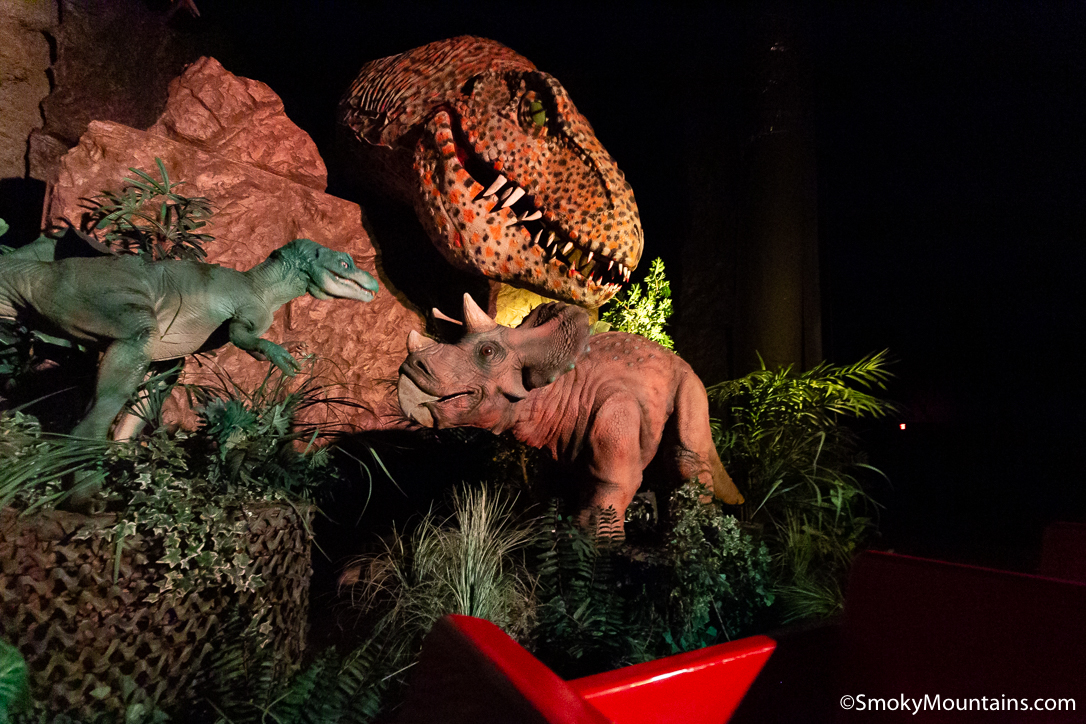
The Architecture of Anomaly: Branding Through Maximalism
The most immediate source of the area’s perceived strangeness is its architecture. In most commercial landscapes, brands strive for “clean” lines and professional minimalism to convey reliability. Pigeon Forge takes the opposite approach, utilizing architectural anomalies to grab attention in a crowded marketplace.
Breaking the Rules of Modern Aesthetic
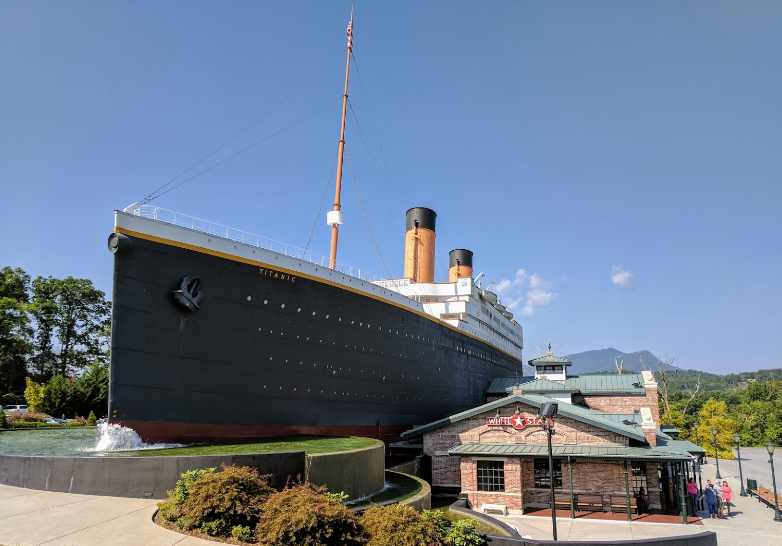
In a digital age where “Instagrammable” often translates to minimalist white walls and succulent plants, Pigeon Forge remains stubbornly committed to high-concept physical structures. When a visitor sees a building like WonderWorks—constructed to look like an upside-down laboratory—or the Titanic Museum Attraction, which is a half-scale replica of the ill-fated ship, they are experiencing “disruption” in its most literal physical form. This architectural defiance is a branding masterstroke; it creates immediate brand recall. You may forget the name of a standard museum, but you never forget the museum that was upside down.
The Visual Hook: Kitsch as a Competitive Advantage
Kitsch is often dismissed as low-brow, but from a marketing perspective, it is an incredibly effective tool for building a “sticky” brand. The kitsch of Pigeon Forge serves as a visual hook that promises an escape from the mundane. By rejecting the “prestige” branding seen in luxury destinations, Pigeon Forge signals to its target demographic—middle-market families—that it is approachable, fun, and unpretentious. The weirdness lowers the barrier to entry, creating a brand environment where the consumer feels permitted to indulge in play rather than performative sophistication.
The Dolly Factor: Personal Branding as a Regional Anchor
No discussion of Pigeon Forge’s brand identity is complete without mentioning its most powerful corporate engine: Dolly Parton. The evolution of Pigeon Forge from a quiet mountain pass to a global destination is inextricably linked to the personal brand of Parton, specifically through the Dollywood umbrella.
From Local Legend to Global Icon
Dolly Parton’s personal brand is a study in contradictions—she is famously “glitzy” and “artificial” in her appearance, yet deeply authentic and grounded in her values. This duality is mirrored in the branding of Pigeon Forge. The “weirdness” of the town reflects Dolly’s own philosophy: “It costs a lot of money to look this cheap.” This is a sophisticated brand strategy that uses a flashy exterior to protect and promote a core of traditional Appalachian hospitality. The town’s aesthetic reflects Parton’s own brand journey—bold, unapologetic, and larger than life.
The Halo Effect of Dollywood
Dollywood acts as the “anchor tenant” for the entire region. Its branding is focused on high-quality storytelling, craftsmanship, and emotional resonance. Because Dollywood maintains such high standards of execution, it provides a “brand halo” for the smaller, weirder attractions nearby. The weirdness of a local wax museum or a hat-themed restaurant is validated by its proximity to a world-class theme park. This creates a cohesive ecosystem where the “weird” and the “world-class” coexist, allowing the city to capture a wide spectrum of consumer spending.
Immersive Storytelling and the “Themed Experience” Economy
Pigeon Forge is “weird” because it functions as a collection of micro-universes. Every attraction is an exercise in immersive storytelling, a trend that has become the gold standard in modern marketing.
Creating a Micro-Universe
The goal of a modern brand is to move beyond selling a product and toward selling an experience. Pigeon Forge has been doing this for decades. When you enter a dinner theater like Dolly Parton’s Stampede or Pirates Voyage, you are not just buying a meal; you are entering a branded narrative. The “weirdness” arises because these narratives are packed so closely together. On one block, you are in the 1950s; on the next, you are in a medieval tournament; on the third, you are at a lumberjack competition. This density of disparate stories creates a surrealist atmosphere that is actually a hyper-efficient way to maximize “time on site” for tourists.
The Psychology of Hyper-Reality
In branding, “hyper-reality” refers to the inability of consciousness to distinguish reality from a simulation of reality. Pigeon Forge thrives on this. The city doesn’t try to be a “real” mountain town; it tries to be the idealized, cinematic version of a mountain town mixed with a carnival. This creates a psychological safe space for consumers. The weirdness is a signal that the rules of the “real world” (work, stress, bills) do not apply here. By maintaining a constant state of themed absurdity, the brand of Pigeon Forge sustains the consumer’s “vacation brain,” leading to higher spending and greater emotional attachment to the destination.
Niche Marketing in a Mass-Market World
While many modern brands try to appeal to everyone by being as neutral as possible, Pigeon Forge leans into specific niches. Its “weirdness” is actually a form of highly targeted marketing that speaks directly to the American road-trip culture.
Targeting the “Road Trip” Nostalgia
There is a long-standing American tradition of the “roadside attraction”—the world’s largest ball of twine, the mystery house, the exotic animal farm. Pigeon Forge is the ultimate evolution of this tradition. It captures the nostalgia of the 20th-century family road trip and scales it for the 21st century. The brand strategy here is to tap into the collective memory of its audience. For many, the weirdness isn’t off-putting; it’s nostalgic. It reminds them of a time before the homogenization of American retail, when every town had something unique and strange to show them.
Consistency in the Chaos
Despite the visual chaos, the Pigeon Forge brand is remarkably consistent. If you visit any attraction in the city, you can expect a similar brand promise: family-friendly entertainment, high energy, and a focus on “value for money.” This consistency is what allows the “weirdness” to work. If the attractions were weird and poor quality, the brand would fail. Because they are weird and professionally managed, the city earns a reputation for reliable fun. The brand is “the weird place where we always have a good time.”
The Business of Oddity: Why Weird Wins
The final reason Pigeon Forge is so weird is simple: it works. From a business and financial perspective, the “weird” strategy has yielded incredible ROI for the region, turning it into one of the most visited areas in the United States.
Brand Recall and Word-of-Mouth
In a saturated travel market, the biggest enemy is being forgotten. “Normal” is forgettable. “Weird” is shareable. Long before social media, Pigeon Forge was built for word-of-mouth marketing. Visitors would go home and tell their neighbors about the “building that looked like a giant bird” or the “dinner show with the horses.” In the digital age, this translates perfectly to viral content. The weirdness of the city provides endless “content” for visitors to share, providing the city with millions of dollars in earned media every year.
Future-Proofing Through Identity
As online shopping and digital entertainment continue to disrupt traditional retail and leisure, physical destinations must offer something that cannot be replicated on a screen. You can buy a product on Amazon, and you can watch a movie on Netflix, but you cannot “experience” the sheer physical absurdity of Pigeon Forge anywhere else. By doubling down on its unique, weird identity, Pigeon Forge has future-proofed its economy. It offers a tactile, immersive, and social experience that is inherently resistant to digital disruption.
In conclusion, the “weirdness” of Pigeon Forge is a masterclass in brand strategy. It is a deliberate rejection of the generic in favor of the memorable. By leveraging architectural disruption, the power of a celebrity anchor brand, and the principles of the themed experience economy, Pigeon Forge has transformed a small mountain valley into a marketing powerhouse. It proves that in a world of endless options, being “weird” is often the smartest business move a brand can make. It is not an accident of history; it is a blueprint for how to stand out in a crowded world.
aViewFromTheCave is a participant in the Amazon Services LLC Associates Program, an affiliate advertising program designed to provide a means for sites to earn advertising fees by advertising and linking to Amazon.com. Amazon, the Amazon logo, AmazonSupply, and the AmazonSupply logo are trademarks of Amazon.com, Inc. or its affiliates. As an Amazon Associate we earn affiliate commissions from qualifying purchases.