
Nvidia, once a seemingly unstoppable force in the technology sector, has captivated investors with its groundbreaking innovations in graphics processing units (GPUs). From powering the most demanding PC games to becoming the bedrock of artificial intelligence and high-performance computing, the company’s trajectory appeared to be perpetually upward. For years, Nvidia stock surged, making it a darling of Wall Street and a testament to the power of specialized hardware in an increasingly digital world. Its market capitalization soared, reflecting investor confidence in its dominant market position and its pivotal role in future technological revolutions.
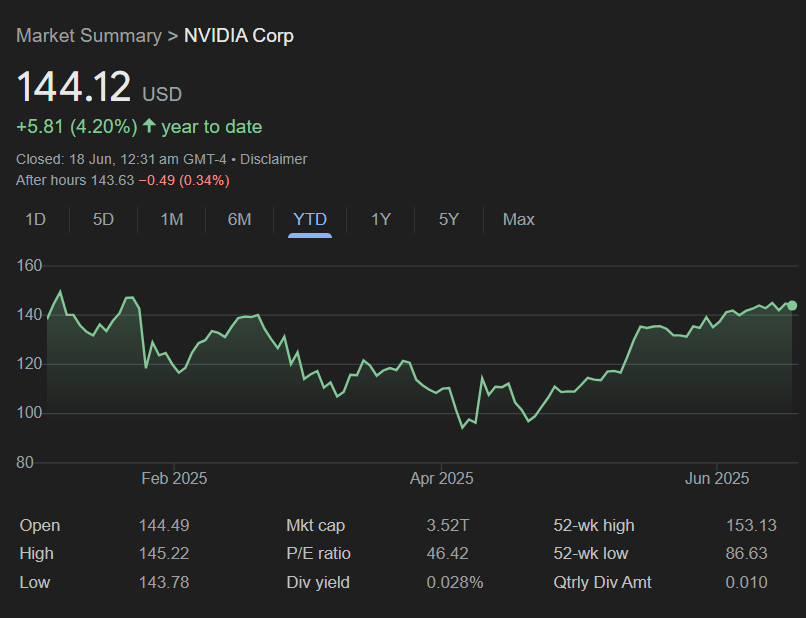
However, even the most robust growth stories encounter periods of recalibration, and Nvidia has not been immune to the cyclical nature of financial markets and sector-specific challenges. The question “why is Nvidia going down?” isn’t just about a simple dip in stock price; it encapsulates a complex interplay of macroeconomic forces, shifting market demands, intensifying competition, and a re-evaluation of its premium valuation by investors. Understanding these factors requires a deep dive into the financial currents influencing the tech sector and Nvidia’s specific business segments. This article will unravel the multifaceted reasons behind Nvidia’s market fluctuations, offering an insightful perspective on the financial pressures and strategic adjustments defining this critical period for the company.
Navigating Macroeconomic Headwinds and Broader Market Corrections
The overarching economic environment plays a significant role in the performance of all companies, but particularly high-growth technology stocks like Nvidia, which are often sensitive to changes in investor sentiment and economic outlook. Recent global economic shifts have created a challenging backdrop for market leaders.
The Impact of Rising Interest Rates and Inflation
One of the most potent forces impacting growth stocks has been the global surge in inflation, prompting central banks worldwide to implement aggressive interest rate hikes. Higher interest rates have a disproportionate effect on companies like Nvidia, which derive a substantial portion of their valuation from future earnings potential. When discount rates rise, the present value of those anticipated future earnings decreases, making the stock less attractive to investors looking for immediate returns or lower-risk alternatives. This re-evaluation often leads to a “multiple compression,” where investors are willing to pay less for each dollar of earnings, causing stock prices to fall even if the company’s fundamental performance remains strong.
Moreover, persistent inflation erodes consumer purchasing power. For a company heavily reliant on consumer spending for its gaming GPUs, a slowdown in discretionary income can translate directly into reduced demand for its premium products. Businesses, too, become more cautious with their capital expenditure, potentially delaying or scaling back investments in data center infrastructure or AI projects, which are key growth drivers for Nvidia.
Risk Aversion and the Tech Sector Sell-off
Beyond interest rate mechanics, a broader wave of risk aversion has swept through financial markets. Concerns about a potential global recession, geopolitical instability, and persistent supply chain issues have led investors to rotate out of speculative growth stocks and into more defensive, value-oriented assets. The tech sector, which enjoyed an unprecedented bull run for over a decade, has been particularly susceptible to this shift. Many tech companies, including Nvidia, had reached exceptionally high valuations based on aggressive growth projections and a low-interest-rate environment.
As market sentiment turned cautious, a widespread “tech sell-off” ensued, affecting even fundamentally strong companies. Nvidia, being a prominent member of this high-growth cohort, experienced significant profit-taking. Institutional investors, having reaped substantial gains over several years, began de-risking their portfolios, contributing to downward pressure on the stock. This market-wide phenomenon demonstrates that sometimes, a company’s stock decline is less about its individual performance and more about the sector it inhabits and the prevailing macroeconomic winds.
Demand Normalization and Sector-Specific Shifts
While macroeconomic factors set the stage, specific shifts within Nvidia’s core markets have also contributed to its recent struggles. The extraordinary demand witnessed during certain periods has begun to normalize, revealing underlying market dynamics that require careful navigation.
The Crypto Mining Collapse and Inventory Glut
Perhaps one of the most significant and abrupt shifts impacting Nvidia was the dramatic downturn in cryptocurrency prices, particularly Ethereum’s transition to proof-of-stake. For years, the booming crypto mining industry fueled insatiable demand for Nvidia’s high-end GPUs, creating an artificial demand surge that distorted the supply chain and inflated prices. Miners bought graphics cards en masse, leading to shortages for traditional gamers and driving up Nvidia’s revenues.
However, as crypto profitability plummeted and the mining landscape changed, the demand for GPUs from this segment evaporated almost overnight. This left Nvidia and its channel partners with a substantial “inventory glut” of graphics cards designed for a market that no longer existed. The company was forced to undertake aggressive inventory corrections, including reducing pricing, slowing shipments to partners, and incurring charges to manage the excess stock. This sudden reversal created a significant headwind for its gaming segment, leading to reduced revenues and impacting profitability.
Gaming Market Maturation Post-Pandemic
The COVID-19 pandemic inadvertently provided a temporary boost to the gaming industry. With lockdowns and increased time at home, consumers invested heavily in gaming hardware and software. Nvidia’s gaming segment benefited immensely from this surge. However, as the world reopened and consumer habits normalized, this elevated demand began to temper. The gaming market, while still robust, is maturing, and the intense upgrade cycles seen during the pandemic have naturally slowed.
Furthermore, economic pressures from inflation and rising interest rates mean consumers have less discretionary income to spend on premium gaming GPUs. This softening consumer market, combined with the lingering effects of the crypto inventory correction, means Nvidia’s gaming division has faced significant challenges in maintaining its previously accelerated growth rates. While new product launches continue to excite enthusiasts, the broader market dynamics necessitate a more conservative outlook on this traditionally strong segment.
Data Center Growth with Caveats
Nvidia’s data center business, which includes its highly profitable AI and high-performance computing GPUs, remains a powerful long-term growth driver. The demand for AI inference and training, cloud computing, and advanced data analytics continues to expand rapidly. However, even this segment faces nuances and potential future challenges that impact short-term investor sentiment.
While overall growth remains strong, some analysts have pointed to potential deceleration in certain areas or increased scrutiny from enterprise customers on their capital expenditures amidst economic uncertainty. More significantly, the rise of “hyperscalers” (cloud giants like Google, Amazon AWS, and Microsoft Azure) developing their own custom AI silicon (e.g., Google TPUs, AWS Trainium/Inferentia) presents a potential long-term competitive threat. While Nvidia’s CUDA ecosystem and software stack remain a significant moat, the increasing prevalence of custom chips could, over time, limit Nvidia’s unchecked dominance or put pressure on its margins in specific data center deployments.
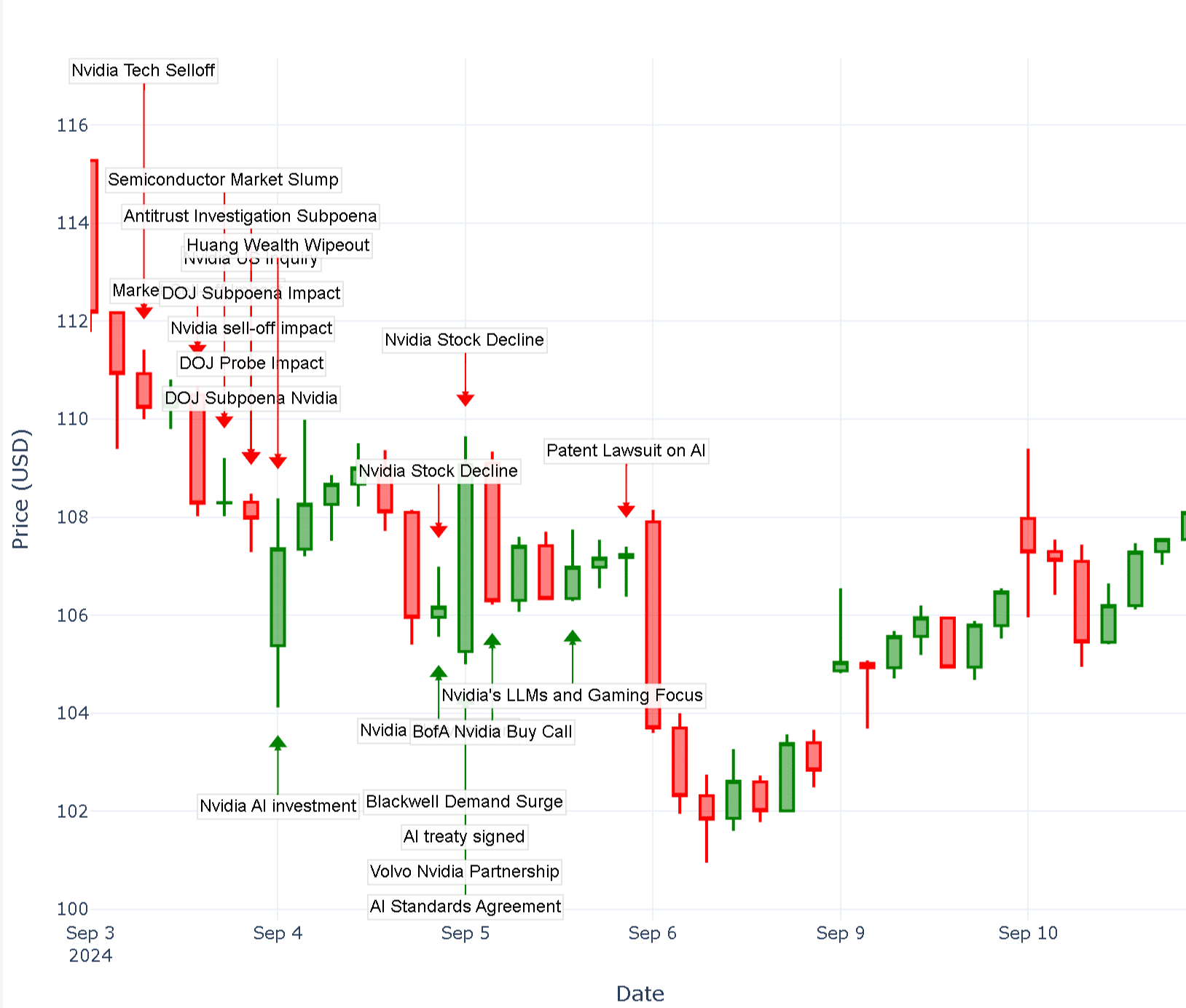
Valuation Scrutiny and Competitive Pressures
Nvidia’s historical success led to a premium valuation that, in changing market conditions, has come under intense scrutiny. Simultaneously, the competitive landscape across its various segments is intensifying, challenging its long-held market leadership.
Re-evaluating Nvidia’s Premium Valuation
For a significant period, Nvidia commanded one of the highest valuations in the semiconductor industry, with its Price-to-Earnings (P/E) ratio and other metrics often far exceeding those of its peers. This premium was justified by its exceptional growth, dominant market share in critical technologies, and perceived future potential in nascent markets like AI and the metaverse. Investors were willing to pay a premium for its leadership and innovation.
However, as macroeconomic conditions tightened, growth projections were revised downward, and market sentiment shifted towards risk aversion, this premium valuation became harder to sustain. Financial analysts and investors began to re-evaluate what constituted a “fair value” for Nvidia’s stock. The perception that the stock was “overvalued” relative to its revised growth outlook or historical norms led to significant price corrections. This is not necessarily an indictment of Nvidia’s business fundamentals but rather a reflection of the market adjusting its expectations for future performance against a more challenging economic backdrop. The market is now pricing in a more realistic growth trajectory, leading to a natural pull-back from its previous highs.
Intensifying Competition Across Key Segments
Nvidia’s remarkable success has inevitably attracted more formidable competition across its product portfolio, putting pressure on its market share and pricing power.
In the GPU market, Advanced Micro Devices (AMD) has made significant strides, particularly with its Radeon series, offering competitive performance at sometimes more aggressive price points. AMD’s dual strength in both CPUs (with its successful Ryzen and EPYC lines) and GPUs makes it a formidable challenger, capable of offering integrated platforms to customers.
Moreover, Intel, the long-time CPU giant, has re-entered the discrete GPU market with its Arc series, aiming to capture market share in both gaming and professional visualization. While still early in its development, Intel’s vast resources and existing ecosystem pose a credible long-term threat.
In the data center and AI space, beyond the aforementioned custom silicon from hyperscalers, there’s also a burgeoning ecosystem of AI accelerators from various startups and established players. While Nvidia’s CUDA platform remains a significant moat, the industry is constantly innovating, and new architectures are emerging that aim to offer specialized performance for specific AI workloads. This evolving competitive landscape means Nvidia must continuously innovate and defend its position, potentially impacting future margins or requiring increased R&D investment.
Supply Chain Dynamics and Operational Adjustments
The global supply chain disruptions of recent years, initially a constraint on Nvidia’s ability to meet demand, have now evolved into a new set of challenges that require careful operational management.
Easing Supply Constraints and Inventory Management
For a considerable period, the semiconductor industry grappled with severe supply chain bottlenecks, leading to component shortages that limited Nvidia’s production capacity and drove up prices for its products. While challenging, this scarcity also allowed Nvidia to maintain strong pricing power.
However, as global supply chains have gradually eased, the situation has reversed in some areas, particularly concerning components for consumer-facing GPUs. This, combined with the sharp decline in crypto mining demand and a softening PC market, has led to an oversupply in certain product categories. Nvidia and its partners now face the challenge of managing excess inventory, which can lead to reduced average selling prices, increased promotional activities, and lower profit margins as they work to clear stock. Effective inventory management becomes crucial to avoid costly write-downs and maintain market stability.
Strategic Adjustments and Future Outlook
In response to these multi-faceted challenges, Nvidia has been making strategic operational adjustments to navigate the short-term headwinds while positioning itself for long-term growth. The company has publicly acknowledged the inventory correction in its gaming segment and outlined plans to clear excess stock through various means, including price adjustments and controlled shipments.
Simultaneously, Nvidia is redoubling its focus on its high-growth, high-margin enterprise segments, particularly in artificial intelligence, high-performance computing, and vertical markets like automotive and industrial automation. Initiatives like the Omniverse platform, which enables 3D design and simulation, and its increasing emphasis on full-stack AI solutions (hardware, software, and services) are critical to diversifying its revenue streams and reducing reliance on cyclical consumer markets. While the company faces a period of market re-adjustment, its continued investment in cutting-edge research and development, coupled with strategic market expansion, underscores its long-term vision and commitment to innovation.

Conclusion: A Market Correction, Not a Fundamental Failure
The question “why is Nvidia going down?” reveals a confluence of powerful financial forces and market-specific dynamics rather than a fundamental flaw in the company’s long-term strategy or technological leadership. The perceived downturn is a complex tapestry woven from macroeconomic tightening, including rising interest rates and inflation, which have disproportionately impacted growth stocks. It’s also a story of market normalization after periods of exceptional, and at times artificial, demand fueled by factors like the cryptocurrency boom and pandemic-driven consumer spending surges.
Furthermore, increasing competition across its key segments, from AMD and Intel in GPUs to custom silicon developers in the data center, alongside a critical re-evaluation of its premium valuation, has contributed to investor caution. Supply chain dynamics, shifting from scarcity to oversupply in certain areas, have added another layer of operational complexity.
It is crucial for investors to differentiate between a market correction and a company in decline. Nvidia remains a technological powerhouse, a leader in AI, high-performance computing, and advanced graphics, with a robust ecosystem and a strong pipeline of innovation. The current period represents a necessary recalibration, as the market digests past exuberance and adapts to a new economic reality. While short-term volatility is likely to persist as these factors play out, Nvidia’s foundational strengths and strategic pivots position it to navigate these challenges. For discerning investors, understanding these nuanced market dynamics is key to assessing the company’s long-term potential beyond the immediate fluctuations.
aViewFromTheCave is a participant in the Amazon Services LLC Associates Program, an affiliate advertising program designed to provide a means for sites to earn advertising fees by advertising and linking to Amazon.com. Amazon, the Amazon logo, AmazonSupply, and the AmazonSupply logo are trademarks of Amazon.com, Inc. or its affiliates. As an Amazon Associate we earn affiliate commissions from qualifying purchases.