
The stock market is a dynamic, complex ecosystem, influenced by an intricate web of economic indicators, geopolitical events, corporate performance, and investor sentiment. When indices like the S&P 500, Dow Jones Industrial Average, or NASDAQ Composite experience significant declines, it’s natural for investors, from seasoned professionals to first-time traders, to ask: “Why is the market dropping today?” Understanding the confluence of factors at play is crucial not just for comprehending current events but for making informed decisions about personal finance and investment strategies. Today’s market movements are rarely attributable to a single cause; more often, they are the culmination of several interconnected forces creating a domino effect across global economies.
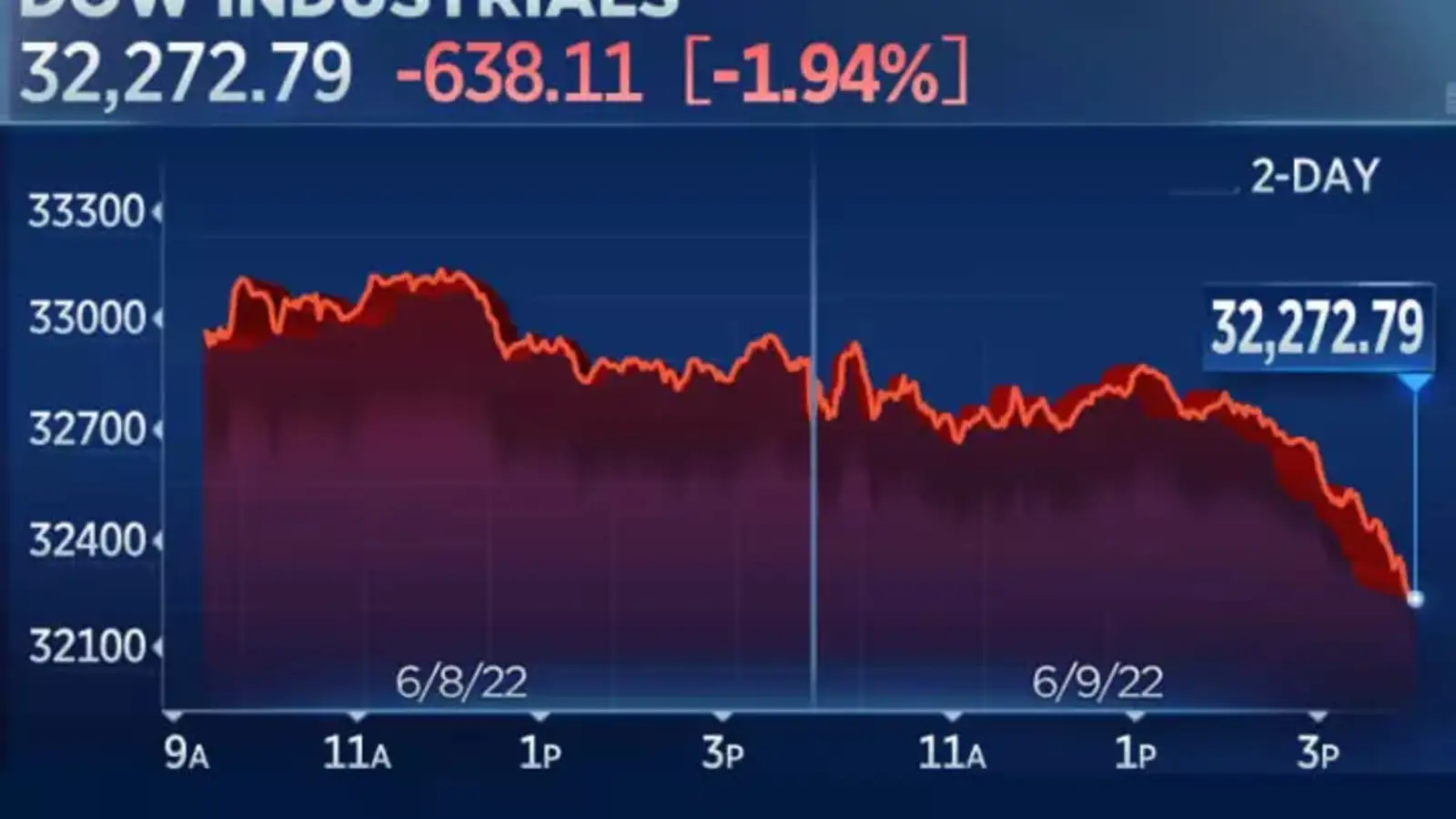
This article delves into the primary drivers behind market downturns, exploring the macroeconomic pressures, geopolitical uncertainties, corporate performance dynamics, and central bank policies that shape the financial landscape. We’ll also touch upon the powerful role of market psychology and offer a long-term perspective on navigating these turbulent times.
Understanding the Macroeconomic Headwinds
One of the most significant forces behind market drops stems from broader macroeconomic conditions. These large-scale economic trends can profoundly impact corporate profitability, consumer spending, and overall investor confidence, leading to widespread selling pressure.
The Inflationary Tug-of-War
Inflation, the persistent rise in the general price level of goods and services, erodes purchasing power and can be a significant drag on economic growth. When inflation runs hot, companies face higher costs for raw materials, labor, and transportation. While some of these costs can be passed on to consumers, there’s a limit before demand starts to suffer. High inflation also means that future corporate earnings, when discounted back to present value, are worth less, making stocks less attractive. The struggle to contain inflation often dictates central bank policy, which in turn heavily influences market direction. Investors watch inflation data like the Consumer Price Index (CPI) and Producer Price Index (PPI) closely, interpreting every release as a potential signal for future market performance.
Interest Rate Hikes and Their Ripple Effects
In response to persistent inflation, central banks, such as the U.S. Federal Reserve, typically raise benchmark interest rates. The goal is to cool down an overheating economy by making borrowing more expensive, thereby reducing demand and slowing price increases. However, higher interest rates have a broad ripple effect across the economy and markets. For businesses, increased borrowing costs can stifle expansion plans, reduce profitability, and make capital investment less appealing. For consumers, higher rates translate to more expensive mortgages, car loans, and credit card debt, which can curb discretionary spending.
From an investment perspective, higher interest rates make fixed-income assets like bonds more attractive relative to equities, as they offer better returns with less risk. This can lead to a rotation of capital out of stocks and into bonds. Furthermore, the valuation of growth stocks, which are often priced on the expectation of strong future earnings, can be particularly sensitive to rising rates. Higher discount rates used in valuation models reduce the present value of those distant future earnings, leading to sharper corrections for these companies.
Recessionary Fears and Slowing Growth
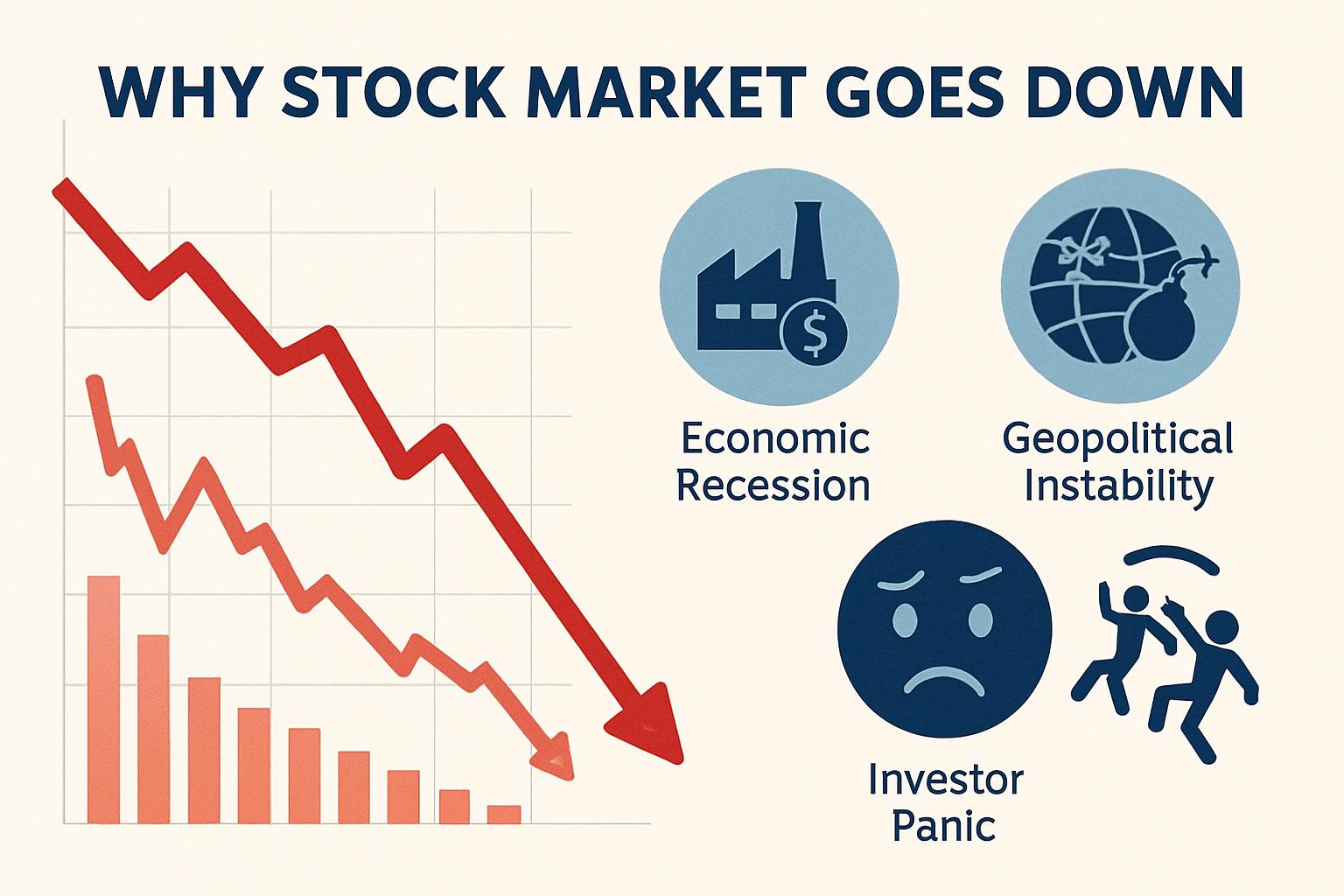
Perhaps the most potent macroeconomic fear that can trigger a market drop is the prospect of a recession. A recession is typically defined as a significant decline in economic activity spread across the economy, lasting more than a few months, normally visible in real GDP, real income, employment, industrial production, and wholesale-retail sales. Concerns about slowing economic growth or an impending recession can cause investors to pull back, anticipating lower corporate earnings and increased unemployment. Leading indicators such as inverted yield curves, declining manufacturing indices, and falling consumer confidence often fuel these fears. Businesses, bracing for reduced demand, may cut back on investments or even lay off workers, creating a self-fulfilling prophecy of economic contraction that further depresses market sentiment and asset prices.
Geopolitical Instability and Global Supply Chains
Beyond purely economic metrics, the global political landscape and the intricate web of supply chains can exert immense pressure on market stability, often leading to unexpected drops.
International Conflicts and Their Economic Fallout
Geopolitical events, particularly international conflicts, wars, or significant political tensions, can inject massive uncertainty into global markets. These events often disrupt trade routes, escalate energy prices, and lead to sanctions that impede global commerce. For instance, a major conflict involving key energy producers can send oil and natural gas prices soaring, increasing input costs for virtually every industry and squeezing consumer budgets. The threat of wider escalation or prolonged instability can cause investors to flee risky assets in favor of safe havens like gold or government bonds, leading to a broad market sell-off. Such events are notoriously difficult to predict and can rapidly alter investor confidence, creating an environment of heightened volatility and fear.
Supply Chain Disruptions Persist
Even years after major global disruptions, supply chain issues continue to plague various industries. Bottlenecks in production, shortages of critical components (e.g., semiconductors), labor disputes, and logistical challenges can limit companies’ ability to produce goods, meet demand, and control costs. These disruptions contribute directly to inflationary pressures and can force companies to revise down their earnings forecasts. When a major sector, like automotive or technology, is impacted by persistent supply chain woes, the effects can ripple through the broader economy and investor sentiment, contributing to market declines as profitability is constrained.
Energy Market Volatility
Energy prices, particularly for crude oil and natural gas, are often a bellwether for market stability. Sharp increases in energy costs act like a tax on both consumers and businesses. Consumers have less disposable income for other goods and services, while businesses face higher operational costs, from manufacturing to transportation. Geopolitical tensions, production cuts by major oil-producing nations, or even natural disasters can trigger sudden spikes in energy prices, leading to widespread inflationary pressures and decreased corporate margins, both of which are catalysts for market downturns. The inherent volatility of energy markets means they are a constant source of potential market disruption.
Corporate Performance, Sectoral Shifts, and Market Sentiment
While macro factors set the stage, the performance of individual companies and sectors, combined with the often-irrational waves of investor sentiment, plays a critical role in daily market movements.
Disappointing Earnings Reports and Future Outlooks
At the micro-level, market drops can be triggered by a wave of disappointing corporate earnings reports. When companies fail to meet analyst expectations for revenue or profit, or when they issue a weaker-than-anticipated outlook for future quarters, their stock price can plummet. If this happens across many large companies, particularly those in influential sectors, it can drag down the broader market indices. Investors analyze earnings reports not just for past performance but, more importantly, for forward guidance, which provides clues about the health of the economy and the future trajectory of corporate profitability. Negative guidance often signals upcoming challenges, prompting a re-evaluation of stock valuations across the board.
Sector-Specific Pressures and Valuation Adjustments
Not all sectors react to economic news in the same way. During periods of rising interest rates, for instance, growth-oriented technology companies, whose valuations often rely heavily on distant future earnings, might face sharper corrections than value-oriented sectors like consumer staples or utilities. Similarly, supply chain issues might disproportionately affect manufacturing or retail. When a prominent sector undergoes a significant re-evaluation due to changing economic conditions, regulatory scrutiny, or shifting consumer preferences, it can have a substantial impact on the overall market, especially if that sector represents a large portion of market capitalization. Investors often rotate out of vulnerable sectors into those perceived as more resilient, leading to market-wide adjustments.
The Psychology of Fear: Investor Sentiment and Panic Selling
Beyond all rational economic and corporate analyses, market psychology plays a profound role in downturns. Fear, uncertainty, and doubt (FUD) can be highly contagious, leading to herd mentality and panic selling. When markets start to fall, even for legitimate reasons, the initial drop can trigger a cascade as investors, fearing further losses, decide to sell their holdings. This emotional, rather than fundamental, selling can exacerbate downturns, pushing prices well below their intrinsic value. News headlines, social media chatter, and the general mood can all contribute to this cycle, making market bottoms difficult to predict until sentiment eventually shifts and bargain hunters or long-term investors step back in.
Central Bank Policy and Fiscal Responses
The actions of central banks and governments are pivotal in shaping economic conditions and market direction, often serving as both causes and potential remedies for market drops.
Monetary Tightening Cycles
As discussed, central banks respond to inflation by engaging in monetary tightening, primarily through raising interest rates. However, tightening cycles also involve other tools, such as quantitative tightening (QT), where the central bank reduces the size of its balance sheet by allowing government bonds and other assets to mature without reinvesting the proceeds. This effectively pulls liquidity out of the financial system, making money scarcer and more expensive. While intended to curb inflation, aggressive or prolonged monetary tightening can slow economic growth too much, increasing the risk of recession and directly contributing to market downturns as investors react to tighter financial conditions and the prospect of lower corporate earnings.
Government Fiscal Policies and Their Impact
Government fiscal policies—decisions regarding spending, taxation, and debt—also have a significant impact on markets. Large government spending initiatives can stimulate the economy but, if unchecked, can contribute to inflation and balloon national debt. Conversely, austerity measures or tax increases can dampen economic activity. Investors monitor fiscal policies closely because they can influence corporate profitability, consumer demand, and the overall economic outlook. Uncertainty around government budgets, debt ceilings, or significant policy shifts can create market jitters and contribute to volatility.
Navigating Market Volatility: A Long-Term Investor’s Perspective
While understanding why the market is dropping today is important, it’s equally crucial for personal finance to know how to respond, particularly for long-term investors. Market drops are an inherent part of investing, and historically, every downturn has eventually been followed by a recovery.
Diversification and Risk Management
One of the most fundamental principles of investing is diversification. Spreading investments across different asset classes (stocks, bonds, real estate, commodities), sectors, geographies, and company sizes can help mitigate risk during market downturns. When one part of your portfolio is struggling, another might be performing better or at least holding steady. A well-diversified portfolio is designed to weather various economic conditions, reducing the impact of any single negative event. Regular rebalancing ensures that your asset allocation remains aligned with your risk tolerance and financial goals.
The Power of Dollar-Cost Averaging
Dollar-cost averaging is an investment strategy where you invest a fixed amount of money at regular intervals, regardless of the market’s performance. When prices are high, your fixed investment buys fewer shares; when prices are low, it buys more shares. Over time, this strategy can reduce the average cost per share and smooth out the impact of market volatility. During a market drop, dollar-cost averaging allows you to buy assets at lower prices, positioning you for greater returns when the market eventually recovers. It removes the emotional element of trying to time the market, which is notoriously difficult to do consistently.
Focus on Fundamentals and Long-Term Goals
In times of market turbulence, it’s tempting to get caught up in the daily noise and make impulsive decisions. However, a crucial aspect of successful long-term investing is to focus on the fundamentals of the companies you own and your personal financial goals. Evaluate whether the reasons for the market drop fundamentally alter the long-term prospects of your investments. Are the companies you own still strong, well-managed, and poised for future growth? If so, temporary market fluctuations might represent an opportunity rather than a cause for panic. Maintaining a long-term perspective, sticking to a well-thought-out financial plan, and avoiding emotional reactions are key to navigating market downturns and ultimately achieving your wealth-building objectives.
In conclusion, market drops are a natural, albeit often uncomfortable, part of the investment cycle. They are rarely the result of a single factor but rather a complex interplay of macroeconomic forces, geopolitical events, corporate performance, and investor psychology. By understanding these dynamics and adhering to sound financial principles, investors can better equip themselves to weather the storm and position themselves for future growth.
aViewFromTheCave is a participant in the Amazon Services LLC Associates Program, an affiliate advertising program designed to provide a means for sites to earn advertising fees by advertising and linking to Amazon.com. Amazon, the Amazon logo, AmazonSupply, and the AmazonSupply logo are trademarks of Amazon.com, Inc. or its affiliates. As an Amazon Associate we earn affiliate commissions from qualifying purchases.