
Lululemon Athletica Inc. stands as a titan in the global activewear market, a brand synonymous with premium yoga apparel, athletic wear, and a distinct lifestyle. Its retail stores are sleek, its products are coveted, and its community engagement is legendary. Yet, for all its pervasive presence and brand recognition, one question frequently lingers in the minds of consumers and branding enthusiasts alike: “Why is Lululemon named that?” Unlike descriptive names such as “Foot Locker” or “Sports Authority,” Lululemon’s moniker offers no immediate clue to its purpose or product. It’s a series of syllables that rolls off the tongue with a certain rhythm, yet reveals nothing literal. This enigmatic quality is not an accident but a deliberate, strategic choice that provides a fascinating case study in corporate identity and brand innovation.

This article delves into the origins of Lululemon’s distinctive name, dissecting the founder’s controversial rationale and exploring the broader implications of such a naming strategy within the context of modern branding. We will uncover how an abstract, non-descriptive name can become a powerful asset, fostering memorability, exclusivity, and global appeal, and ultimately becoming a cornerstone of a multi-billion-dollar brand empire.
The Genesis of a Global Lifestyle Brand
Before we unravel the specific “why” behind the name, it’s crucial to understand the fertile ground from which Lululemon emerged. The brand’s rapid ascent from a niche yoga apparel retailer to a global lifestyle powerhouse is a testament to astute market sensing, innovative product design, and, crucially, a highly effective brand strategy that began even before the first pair of yoga pants hit the shelves.
From Yoga Pants to a Movement: Lululemon’s Origins
Lululemon was founded by Chip Wilson in Vancouver, Canada, in 1998, opening its first standalone store in 2000. Wilson, an avid athlete, identified a significant gap in the market: quality, fashionable athletic wear specifically designed for women practicing yoga and other fitness activities. At the time, women’s athletic apparel was largely functional but lacked style, comfort, and the technical innovation needed for demanding practices like yoga. Wilson envisioned a brand that would not only provide superior products but also foster a community, promote wellness, and embody a lifestyle.
This foundational vision went beyond mere product; it was about creating an experience and an identity. Lululemon’s early success wasn’t just in selling pants but in cultivating a devoted following through in-store yoga classes, brand ambassadors, and a distinct focus on community building. This holistic approach meant that every element of the brand, from the fabric technology to the store aesthetics, and crucially, the name itself, needed to resonate with this overarching aspiration to create a movement, not just a merchandise line.
Chip Wilson’s Vision and Philosophy
Chip Wilson’s philosophy was rooted in performance, design, and a deep understanding of consumer psychology. He believed that the right athletic wear could enhance performance and confidence, thereby enriching the wearer’s life. This belief translated into a meticulous approach to product development, utilizing advanced fabrics and ergonomic designs that set Lululemon apart.
However, Wilson’s vision extended to the very DNA of the brand’s identity, including its name. He understood that a brand name is often the first point of contact and can profoundly influence perception. His approach to naming was unconventional, driven by a desire to stand out, create mystique, and, perhaps surprisingly, to test certain linguistic theories, which ultimately led to the choice of “Lululemon.” This context highlights that the name wasn’t randomly chosen but was a deliberate, albeit idiosyncratic, part of a larger, ambitious branding exercise.
Deciphering the “Lululemon” Enigma
The question of “why Lululemon” often elicits a mix of curiosity and mild confusion. Unlike brands that clearly state their purpose or evoke an image (e.g., “Nike” for victory, “Apple” for simplicity and innovation), Lululemon’s name appears to be a construct without direct meaning. However, this seemingly arbitrary choice was born from a specific set of beliefs held by its founder.
The Founder’s Candid Explanation: A Marketing Experiment
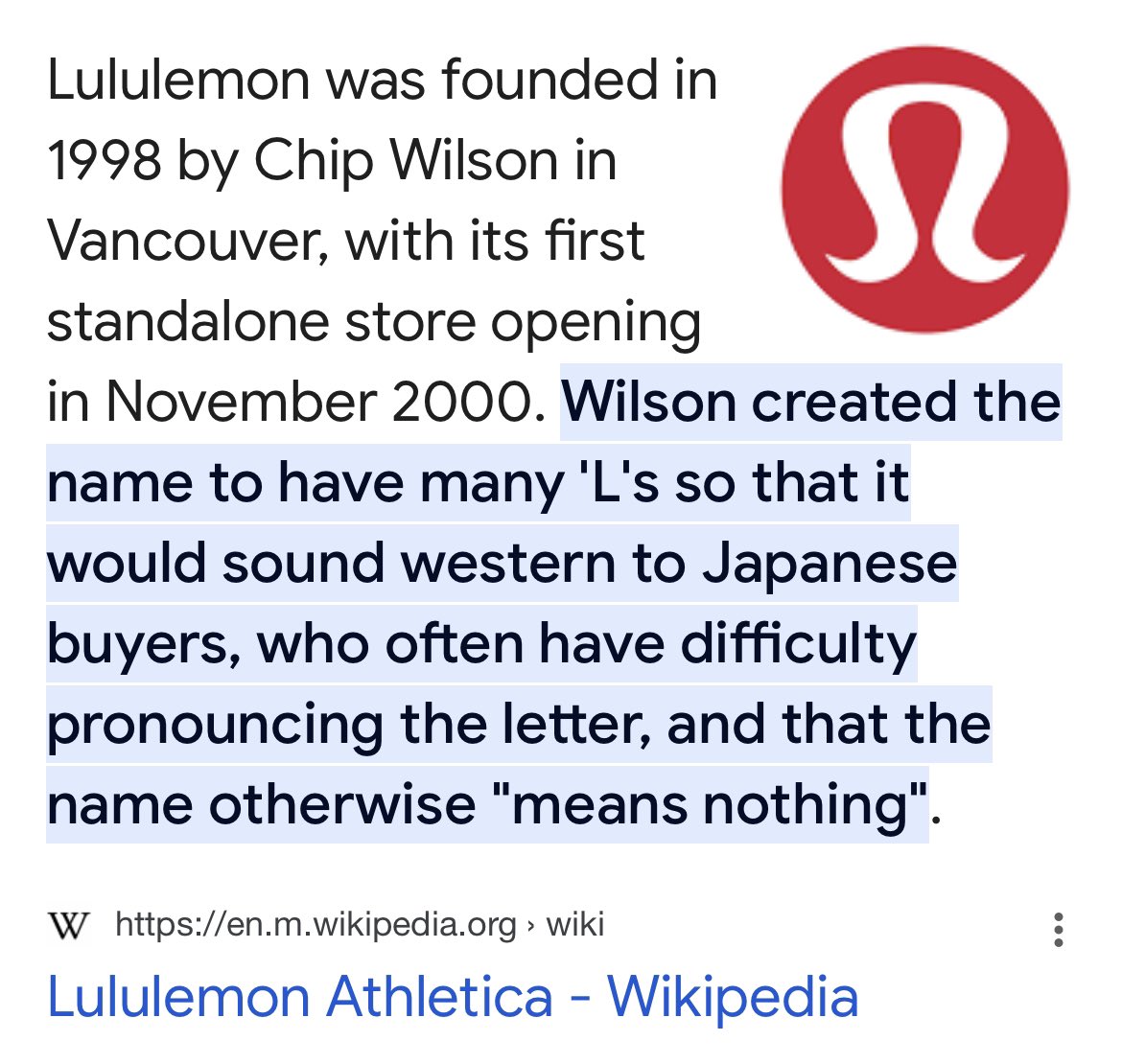
Chip Wilson has been quite open, and at times controversial, about the genesis of the name “Lululemon.” According to his own accounts, the name was born out of a marketing experiment aimed at creating a distinctive sound and aesthetic, particularly for an international audience. Wilson explained that he intentionally chose a name with multiple “L” sounds because he believed that “the Japanese consumer wouldn’t be able to say the L,” and that the presence of three “L’s” would be a distinctive, if not slightly challenging, element for them to pronounce. He also stated that he wanted to create a name that sounded “authentically Japanese” to his ear, despite having no direct Japanese roots or meaning.
This explanation, while unconventional and perhaps culturally insensitive by some interpretations, reveals a strategic intent: to craft a name that was not easily replicated, was memorable due to its distinctiveness, and carried a certain exotic, aspirational feel for specific target markets. It was less about conveying direct meaning and more about creating a phonetic and psychological impression. The intention was to challenge conventional naming wisdom and explore how abstract sounds could contribute to brand identity and perceived value.
The Phonetic and Aesthetic Appeal
Beyond the controversial aspects of its origin, the name “Lululemon” undeniably possesses a certain phonetic and aesthetic appeal. The repetition of the “L” sound, combined with the soft “u” and “e” vowels, gives it a lyrical, almost playful quality. It rolls off the tongue, is relatively easy to remember once heard, and stands out in a sea of more generic or descriptive brand names.
From a design perspective, the symmetry and flow of the letters contribute to a clean, modern aesthetic that aligns well with the brand’s minimalist and premium image. The name itself, divorced from any literal meaning, becomes a blank canvas upon which the brand can paint its identity through product quality, marketing messages, and community engagement. This inherent flexibility is a significant advantage, allowing the brand to evolve and expand its product lines without being constrained by a descriptive name.
Beyond Direct Meaning: Building a Blank Slate Brand
Many successful brands today opt for invented or abstract names precisely because they lack direct meaning. Brands like Kodak, Xerox, Google (initially), and even Spotify didn’t immediately convey their product or service. This “blank slate” approach offers several strategic advantages:
-
Freedom from Connotation: A non-descriptive name avoids pre-existing cultural or linguistic baggage, allowing the brand to define its own meaning and associations entirely through its actions and offerings.
-
Versatility and Scalability: As Lululemon expanded from yoga wear to running, training, and everyday apparel, a non-specific name allowed it to grow without needing a rebrand. If it had been named “YogaPants Inc.,” its expansion would have felt incongruous.
-
Distinctiveness and Memorability: An unusual name, while initially harder to grasp, becomes highly memorable precisely because of its uniqueness. It stands out from competitors and creates a unique mental footprint.
Lululemon’s name, therefore, is a prime example of a brand leveraging the power of an abstract moniker to build a rich, multifaceted identity.
The Strategic Power of a Unique Name
The decision to adopt a unique, non-descriptive name like Lululemon is a high-stakes gamble in the world of branding. While it carries the risk of not immediately communicating a product or purpose, when successful, it confers significant strategic advantages that can define a brand’s longevity and global reach.
Memorability and Distinctiveness in a Crowded Market
In today’s oversaturated consumer market, cutting through the noise is paramount. A name like Lululemon, because of its distinctiveness, is inherently more memorable than a generic or purely descriptive one. Imagine a fitness market flooded with “ActiveWear Pro” or “YogaGear Solutions.” Lululemon, by contrast, sounds fresh, intriguing, and instantly recognizable. This memorability is crucial for consumer recall and plays a significant role in word-of-mouth marketing, where the name itself becomes a topic of discussion. The uniqueness creates a conversational hook, prompting people to ask, “What is Lululemon?” This curiosity directly translates into brand engagement and exploration.
Furthermore, distinctiveness is a powerful tool for trademarkability and legal protection. An invented word is far easier to trademark and defend against infringement than a descriptive term, which typically cannot be exclusively owned. This foresight provides Lululemon with a strong legal foundation for its brand identity worldwide.
International Appeal and Pronounceability
While Chip Wilson’s original rationale touched on specific linguistic considerations related to Japanese consumers, the abstract nature of “Lululemon” has, perhaps unintentionally, contributed to its international appeal. Invented words often transcend language barriers more effectively than names that have specific meanings or cultural connotations in one language that might be lost or even negatively perceived in another.
“Lululemon” is relatively easy for speakers of many different languages to pronounce, even if the “L” sounds might present a challenge for some. Its rhythmic quality makes it feel accessible globally. This universal phonetic quality, combined with the brand’s consistent visual identity and marketing, has allowed Lululemon to establish a strong presence in diverse markets without needing to adapt or translate its core name, a significant advantage for global expansion.
Brand Storytelling and Evolution
A non-descriptive name empowers a brand to craft its own narrative from the ground up. Lululemon has masterfully used its name as a vessel to carry its brand story of technical innovation, community, well-being, and aspirational living. The name itself, being a blank slate, means that its meaning is entirely derived from the brand’s actions, products, and customer experiences.
This allows for immense flexibility and evolution. As Lululemon’s product offerings expanded beyond yoga to include gear for running, training, men’s apparel, and even personal care products, the name “Lululemon” remained relevant and adaptable. It doesn’t pigeonhole the brand into a specific product category but rather identifies a lifestyle and a quality standard. This ability to evolve the brand story without changing its core identity is a critical long-term strategic advantage, ensuring the brand can remain dynamic and responsive to changing consumer trends and market demands.
Naming Conventions in the Modern Brand Landscape
Lululemon’s naming approach, while unique in its specific origin story, is part of a broader trend in modern branding towards non-descriptive, invented, or abstract names. This shift reflects an understanding that a brand name is not just a label but a strategic asset, capable of influencing perception, protecting intellectual property, and defining market positioning.
The Shift from Descriptive to Invented Names
Historically, many brands chose descriptive names that immediately conveyed their product or service (e.g., General Electric, American Airlines). While straightforward, these names often lack distinctiveness and can limit a brand’s growth potential. In the contemporary landscape, there’s a clear move towards names that are evocative, suggestive, or entirely invented. This allows brands greater flexibility, uniqueness, and trademarkability. Consider “Google,” “Starbucks,” “Zara,” or “Amazon” – names that, at their inception, did not explicitly describe their primary offering but have since become synonymous with innovation, quality, and global reach. Lululemon fits squarely into this modern paradigm, leveraging an abstract name to build a powerful and enduring identity.
Legal and Linguistic Considerations
Beyond marketing appeal, legal and linguistic considerations are paramount in brand naming. Invented names, being unique, are far less likely to infringe on existing trademarks and are easier to register and protect globally. This legal robustness is a significant advantage, as intellectual property battles can be costly and detrimental to brand reputation.
Linguistically, brand namers now often assess pronounceability across multiple languages, avoiding names with unintended negative connotations or difficult phonetics in key markets. While Chip Wilson’s specific reasoning for the “L” sounds in Lululemon was peculiar, the underlying idea of considering cross-cultural phonetics is a valid and crucial aspect of modern international brand naming. The goal is to create a name that can travel well, resonate globally, and be integrated seamlessly into diverse linguistic environments.
The Role of Sound and Emotion
Modern brand naming recognizes the profound impact of sound and emotion. Phonetic qualities—the actual sounds and rhythms of a name—can evoke subconscious associations. Hard consonants (like in “Kodak” or “Volvo”) might suggest strength and durability, while soft vowels and fluid consonants (like in “Lululemon” or “Chanel”) can convey elegance, comfort, or approachability.
Lululemon’s name, with its repeating ‘L’s and soft vowels, inherently carries a gentle, almost meditative quality that aligns with its yoga roots and wellness lifestyle branding. It doesn’t shout; it flows. This sonic identity contributes to the brand’s overall emotional connection with its audience, fostering feelings of calm, quality, and aspiration. The name itself, therefore, becomes an emotional touchpoint, a subtle cue that reinforces the brand’s core values.
Lululemon’s Name as a Cornerstone of its Brand Identity
Ultimately, the name “Lululemon” has transcended its unconventional origins to become an indispensable cornerstone of the brand’s formidable identity. It’s more than just a label; it’s a fundamental component of the mystique and aspirational allure that defines the company.
Aligning Name with Brand Values and Community
Despite its abstract nature, Lululemon has successfully aligned its name with its deeply ingrained brand values of well-being, community, quality, and an active lifestyle. Through consistent messaging, premium product offerings, and a strong community engagement strategy (including in-store classes and brand ambassadors), the company has imbued “Lululemon” with meaning. The name now evokes high-performance athletic wear, mindful living, and a sense of belonging among its loyal customer base. It signifies a commitment to quality and a particular lifestyle, effectively transforming a made-up word into a symbol of aspiration and authenticity within its niche.
Sustaining the Mystique and Exclusivity
The slightly mysterious, non-descriptive quality of “Lululemon” also plays into the brand’s sense of exclusivity and premium positioning. A name that doesn’t immediately explain itself invites curiosity and implies a certain “if you know, you know” understanding. This can foster a sense of belonging for those in the know, reinforcing the brand’s community aspect. It subtly communicates that Lululemon is not for everyone but for those who appreciate its specific values, quality, and lifestyle. This sustained mystique contributes to the brand’s aspirational appeal, making its products coveted and its community membership desirable.
Conclusion
The story behind the name “Lululemon” is a compelling illustration of how deeply intertwined naming strategy is with overall brand identity and market success. From Chip Wilson’s idiosyncratic linguistic experiment to the brand’s evolution into a global powerhouse, “Lululemon” stands as a testament to the power of a unique, abstract name. It demonstrates that a brand name doesn’t necessarily need to be descriptive to be effective. Instead, it can serve as a blank canvas upon which a brand paints its narrative, builds community, and cultivates mystique.
Lululemon’s journey teaches us that strategic naming, even when unconventional, can foster memorability, enable global expansion, and provide the flexibility needed for long-term brand evolution. The name “Lululemon,” far from being a random assortment of syllables, has become a potent symbol of quality, community, and an aspirational lifestyle, proving that sometimes, the most powerful names are those that allow the brand itself to define their meaning. It is a masterclass in how corporate identity, marketing, and design converge to turn a curious question into a definitive answer of brand brilliance.
aViewFromTheCave is a participant in the Amazon Services LLC Associates Program, an affiliate advertising program designed to provide a means for sites to earn advertising fees by advertising and linking to Amazon.com. Amazon, the Amazon logo, AmazonSupply, and the AmazonSupply logo are trademarks of Amazon.com, Inc. or its affiliates. As an Amazon Associate we earn affiliate commissions from qualifying purchases.