
Wall Street. The name conjures images of bustling traders, towering financial institutions, and the very pulse of global capitalism. It’s a moniker synonymous with wealth, power, ambition, and often, controversy. Yet, for many, the literal origin of this iconic name remains shrouded in the mists of history. “Why is it called Wall Street?” is a question that leads us back to the foundational days of New York City, revealing a fascinating narrative woven from defense, commerce, and the relentless drive that would ultimately forge the world’s most influential financial district. This exploration delves into the historical bedrock that underpins Wall Street’s legendary status, tracing its evolution from a rudimentary defensive barrier to the epicenter of modern finance, firmly rooting its story within the expansive domain of money, markets, and economic history.
The Colonial Cradle: A Defensive Wall in New Amsterdam
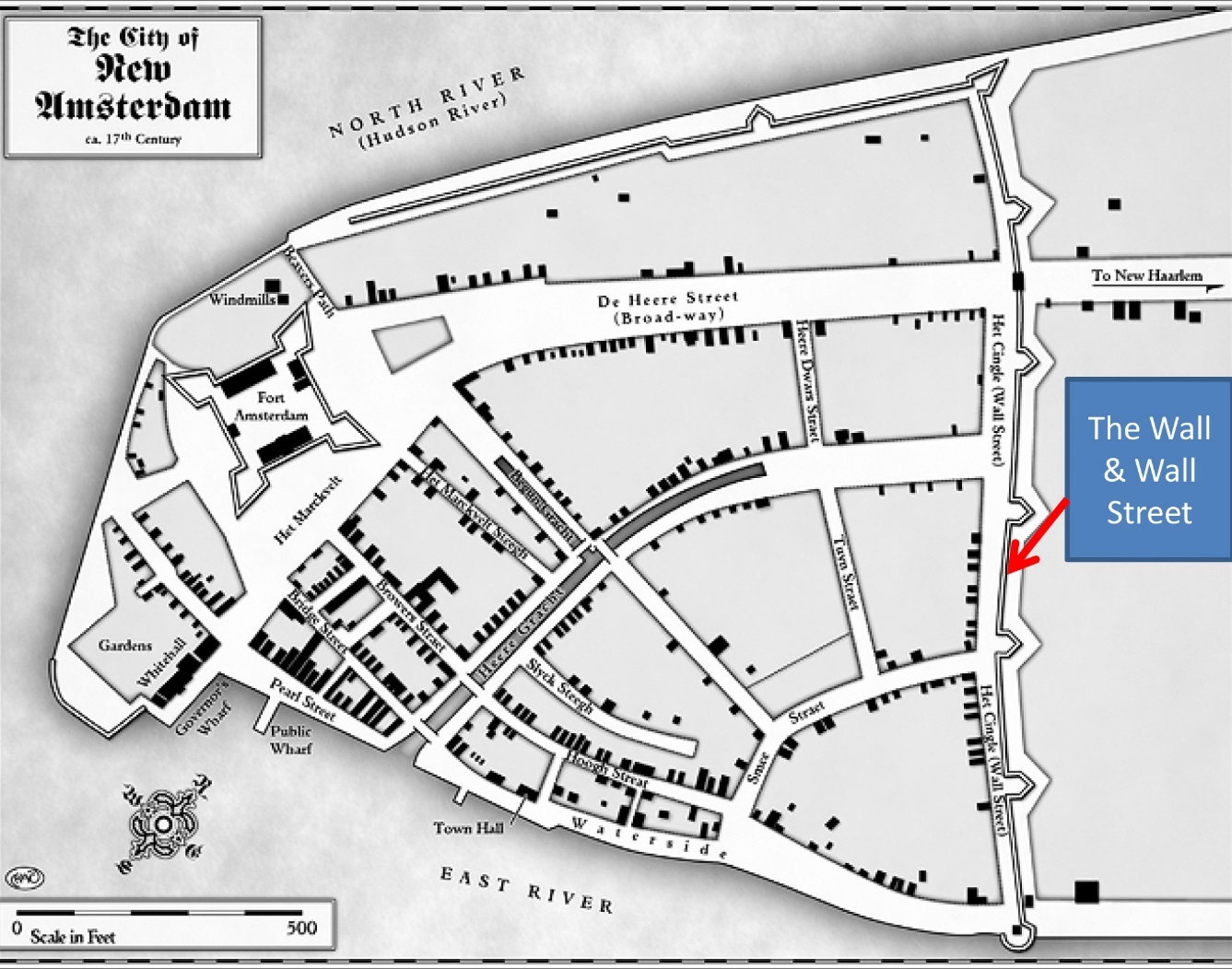
The story of Wall Street begins not with stock tickers or corporate giants, but with a humble wooden palisade erected by Dutch colonists. In the early 17th century, the island of Manhattan, then known as New Amsterdam, was a nascent settlement vulnerable to a myriad of external threats. The defensive structure that would lend its name to a financial legend was a direct response to these pressing insecurities.
New Amsterdam’s Vulnerabilities: A Call for Protection
In the 1640s, New Amsterdam was a burgeoning yet fragile outpost of the Dutch West India Company, primarily focused on fur trading. Its strategic location at the mouth of the Hudson River made it valuable, but also exposed it to dangers from various quarters. Relations with indigenous populations, particularly the Lenape, were often strained, leading to intermittent conflicts. Beyond native tribes, the Dutch faced existential threats from rival European colonial powers, most notably the English, whose territorial ambitions in North America were rapidly expanding. Piracy was also a constant menace along the Atlantic coast, threatening vital trade routes and settlements. The cumulative effect of these threats created an urgent need for robust protection for the growing community and its valuable trading assets.
The Physical Barrier: Protecting Dutch Interests
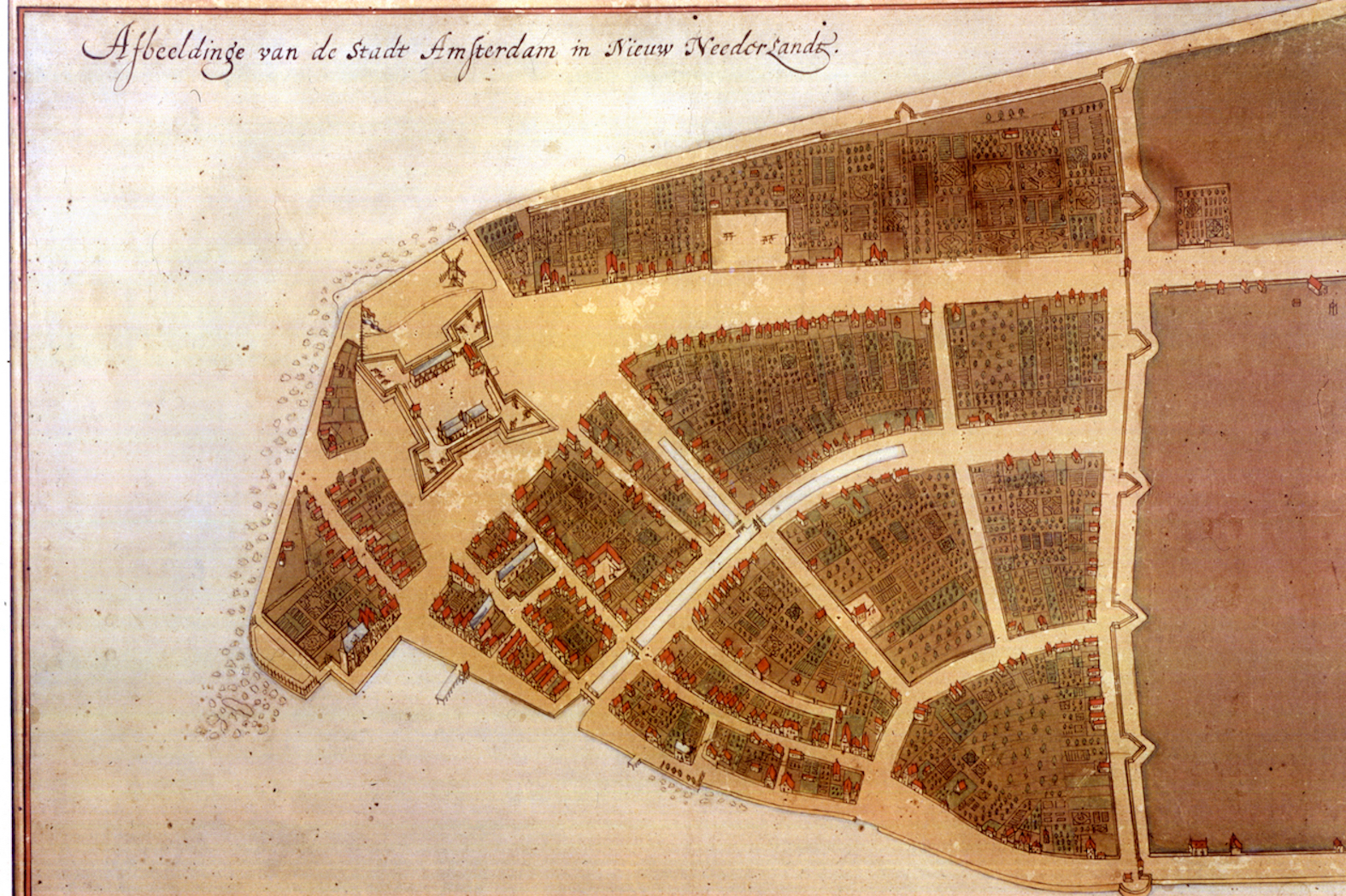
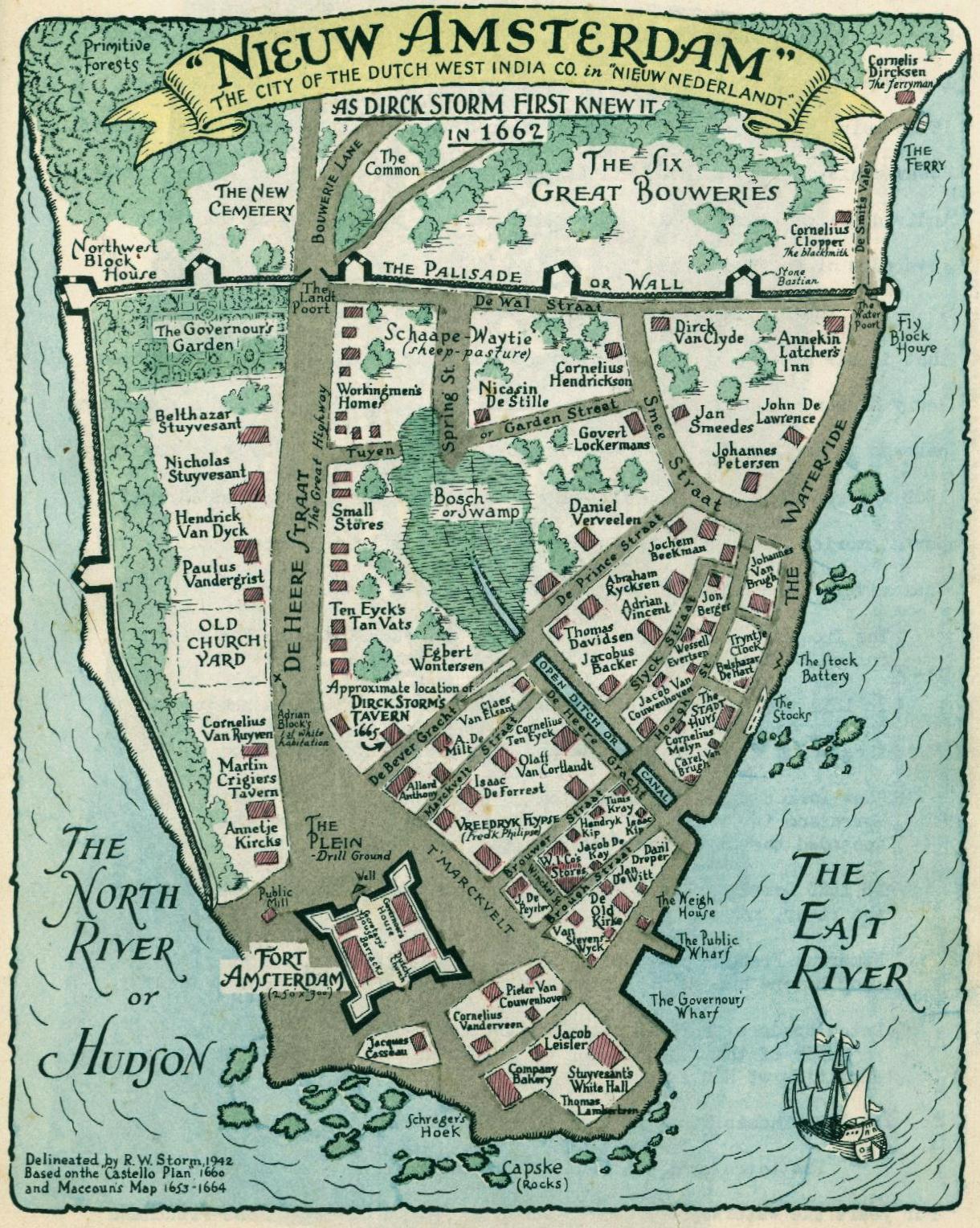
Governor Peter Stuyvesant, known for his stern resolve and peg-leg, recognized the imperative for enhanced security. In 1653, spurred by rumors of an impending attack by English forces from New England, Stuyvesant ordered the construction of a protective palisade. This formidable barrier stretched across the width of lower Manhattan, from the North River (now the Hudson River) to the East River. It was a substantial structure, consisting of 12-foot-high timber planks, reinforced with earth and stone, and topped with sharpened points. Guarded by cannons and a small force of soldiers, this “wall” was not merely symbolic; it was a tangible, physical bulwark designed to deter invaders and secure the Dutch claim to the territory. Its primary purpose was to safeguard the burgeoning economic interests of the Dutch West India Company, protecting its warehouses, fur pelts, and burgeoning mercantile operations.
Life Behind the Wall: Early Settlements and Commerce
The area immediately south of this defensive wall became the heart of New Amsterdam’s economic and social life. Inside the palisade, the settlement thrived, fostering a diverse community of Dutch, English, African (both enslaved and free), and various other European immigrants. Merchants and traders established their businesses, taverns flourished, and the nascent infrastructure of a colonial town began to take shape. The street that ran alongside the inner side of this wall naturally became a focal point for activity. Goods were exchanged, news was disseminated, and the early seeds of commercial enterprise were sown. This physical barrier, therefore, didn’t just define the settlement’s boundaries; it inadvertently created a central artery for its economic life, laying the groundwork for the street’s future prominence.
From Palisade to Pavement: The Street’s Evolution
The defensive wall, though crucial in its time, was ultimately temporary. As political landscapes shifted and the English eventually took control of New Amsterdam (renaming it New York), the wall’s strategic importance diminished. What remained, however, was the cleared path alongside it, a natural thoroughfare that would continue to evolve, eventually transforming into the bustling commercial street we recognize today.
The Wall’s Demise: Adapting to Peace and Prosperity
By the late 17th century, after the English takeover in 1664 and the subsequent Treaty of Westminster in 1674 which formally transferred control, the threat of Dutch re-conquest or attacks from indigenous groups had largely receded. The protective palisade, no longer serving its original defensive purpose, became an impediment to the city’s outward expansion. As New York grew and prospered, the wall was seen as an obsolete relic, hindering traffic and development. In 1699, the decision was made to dismantle it. The materials were repurposed, and the land it occupied was cleared, leaving behind a wide, prominent street that continued to be known as “Wall Street,” a direct and lasting legacy of its former barrier. This transition marked a crucial shift: the street shed its military function and embraced its destiny as a commercial artery.
A Hub of Early Commerce: Merchants and Tradesmen
With the physical wall gone, Wall Street rapidly emerged as a vibrant center for commerce in the burgeoning city of New York. Its strategic location, extending from river to river, made it ideal for merchants to conduct business, access shipping, and exchange goods. The street became home to taverns, coffee houses, and market stalls where goods like furs, tobacco, and grains were traded. Public spaces like the Tontine Coffee House, located at the intersection of Wall and Water Streets, became informal meeting points for merchants, ship owners, and brokers. These gatherings were more than just social events; they were crucial for price discovery, information exchange, and the negotiation of deals. The concentration of commercial activity on and around Wall Street naturally fostered an environment where financial transactions, though informal, became increasingly sophisticated.
The Birth of Formal Trading: From Coffee Houses to Covenants
It was within this energetic atmosphere of informal trade that the seeds of formal financial markets were sown. Early forms of speculative trading emerged, particularly in government bonds issued to finance the Revolutionary War and shares of early banks like the Bank of New New York. Without formal exchanges, these transactions were often conducted haphazardly, sometimes leading to price manipulation and instability. The need for a more organized and trustworthy system became apparent. It was out of this necessity that a pivotal agreement would arise, an event that directly links the commercial street to the formalized financial institution that would define it for centuries to come. The transition from chaotic, ad-hoc trading in coffee houses to structured agreements was critical for the legitimacy and growth of American finance.
The Buttonwood Agreement: Laying the Foundations of American Finance
The evolution of Wall Street from a simple street to a financial powerhouse wasn’t accidental; it was the result of deliberate actions by key individuals who sought to bring order and integrity to the nascent American financial markets. The Buttonwood Agreement stands as the foundational document for what would become the New York Stock Exchange, a direct outcome of the informal trading practices that characterized early Wall Street.
The Need for Regulation: Combating Price Manipulation
In the late 18th century, trading in securities, particularly new government bonds and shares in early banks and insurance companies, was growing but lacked structure. Without established rules or a central marketplace, prices were volatile and susceptible to manipulation by unscrupulous dealers. Brokers often acted as principals, buying and selling for their own accounts, creating conflicts of interest. The lack of transparency and ethical standards made investing risky and deterred participation, hindering the capital formation necessary for a young nation’s growth. There was a clear and pressing need for a system that would instill trust, standardize practices, and ensure fair dealings for investors and issuers alike. This period highlighted the importance of market integrity for economic development.
The Historic Gathering: A Synergistic Pact
On May 17, 1792, a pivotal moment occurred just steps from the former wall. Twenty-four stockbrokers and merchants gathered under a buttonwood tree (a sycamore tree) located outside 68 Wall Street. This informal meeting resulted in the signing of the “Buttonwood Agreement,” a concise yet profoundly impactful document. The agreement established fundamental rules for how securities trading would be conducted among its signatories. It primarily stipulated that members would trade only with each other, giving preferential treatment and charging a minimum commission rate. This pact was a direct response to the market’s previous disorder, aiming to create a more organized, reliable, and trustworthy environment for buying and selling shares. It was a conscious effort to professionalize the burgeoning brokerage business, recognizing that a stable financial system was crucial for national prosperity.
Principles of Professionalism: Brokerage and Commissions
The Buttonwood Agreement laid down two core principles that would define the American financial industry for centuries:
- Exclusivity: Signatories agreed to “give preference to each other in our negotiations,” meaning they would primarily trade among themselves. This created a closed network, fostering trust and accountability within the group.
- Fixed Commissions: They also agreed to charge “one quarter percent commission on the purchase & sale of all species of Public Stock.” This standardized pricing and ensured a fair return for brokers, discouraging undercutting and promoting professional conduct.
These principles established the foundations for a regulated exchange, moving away from fragmented, unregulated trading to a more structured marketplace. This agreement effectively created the first organized stock market in the United States, which, over time, would evolve into the New York Stock Exchange (NYSE). The physical location where these transactions took place, Wall Street, thus became inextricably linked to the formal mechanisms of capital markets.
Wall Street as a Metaphor: From Physical Street to Financial Powerhouse
Today, Wall Street is far more than just a street in lower Manhattan; it is a global metonym for the entire American financial industry. Its name evokes a complex ecosystem of institutions, practices, and ideologies that shape economic realities worldwide. The transformation from a mere street to a powerful metaphor reflects its unparalleled growth and influence.
The Expanding Ecosystem: Banks, Brokerages, and Institutions
Following the Buttonwood Agreement, the formalization of trading on Wall Street accelerated. The early 19th century saw the establishment of more sophisticated financial institutions: banks like the Bank of New York (founded by Alexander Hamilton) and the Bank of the United States, insurance companies, and a growing number of brokerage firms. These entities congregated around Wall Street, drawn by the proximity to the stock exchange and the concentration of capital and expertise. The physical limitations of the street itself quickly became irrelevant as the financial “district” expanded outward, encompassing surrounding blocks and eventually becoming a sprawling urban hub for finance. The area became a magnet for talent, innovation, and capital, continually reinforcing its central role in the nation’s economic life. This expansion transformed the street into a vast network of interconnected financial services.
Economic Cycles and Global Influence: Boom and Bust
Throughout the 19th and 20th centuries, Wall Street grew exponentially, reflecting and driving America’s ascent as a global economic power. It witnessed periods of immense prosperity and innovation, financing industrial expansion, technological breakthroughs, and massive infrastructure projects. Concurrently, it endured catastrophic crashes and panics—the Panic of 1907, the Great Crash of 1929, Black Monday in 1987, and the 2008 financial crisis—each leaving an indelible mark and often leading to regulatory reforms. Despite these tumultuous cycles, Wall Street’s influence only solidified. It became the primary conduit for capital formation globally, attracting investors and corporations from every corner of the world. Its decisions, trends, and even its mood, could send ripples through international markets, demonstrating its profound global reach.
A Symbol of Capitalism: Its Enduring Legacy and Future
More than just a geographical location or a collection of financial firms, Wall Street has become a potent symbol. It embodies the triumphs and failures of capitalism, representing both opportunity and excess, innovation and speculation. For some, it is the engine of progress, driving economic growth and creating wealth. For others, it represents unchecked greed and inequality. This dual perception underscores its immense cultural and political significance.
As technology continues to reshape finance, with electronic trading platforms and decentralized finance challenging traditional models, the physical street itself may seem less relevant. Yet, the idea of Wall Street endures. Its name remains shorthand for the complex, dynamic, and often controversial world of global finance. From a defensive barrier in a colonial outpost to the beating heart of the world’s financial system, Wall Street’s journey is a testament to the enduring power of commerce, the necessity of structure, and the relentless human pursuit of economic opportunity. Its name, rooted in a simple palisade, continues to resonate as the ultimate symbol of money and markets.
aViewFromTheCave is a participant in the Amazon Services LLC Associates Program, an affiliate advertising program designed to provide a means for sites to earn advertising fees by advertising and linking to Amazon.com. Amazon, the Amazon logo, AmazonSupply, and the AmazonSupply logo are trademarks of Amazon.com, Inc. or its affiliates. As an Amazon Associate we earn affiliate commissions from qualifying purchases.