
In an increasingly digital financial landscape, platforms like Cash App have revolutionized how millions manage and transfer money. Offering unparalleled convenience for everything from splitting bills to receiving direct deposits, these tools are central to modern personal finance. However, encountering a blocked payment can be a frustrating and anxiety-inducing experience, disrupting essential financial flows and raising concerns about the security and accessibility of your funds. When Cash App puts a hold on a transaction, it’s rarely arbitrary; instead, it’s typically a protective measure rooted in the platform’s commitment to financial security, regulatory compliance, and the integrity of its users’ accounts. Understanding the underlying financial reasons for these blocks is crucial for navigating digital finance effectively and ensuring uninterrupted access to your money. This article delves into why Cash App might block your payments, offering insights into its financial security framework and practical strategies for maintaining seamless transactions within the realm of personal finance.

Cash App’s Commitment to Financial Security and Compliance
At its core, Cash App operates within a highly regulated financial environment designed to protect consumers and prevent illicit activities. Every transaction processed through the platform is subject to scrutiny, not just for technical execution, but for adherence to stringent financial laws and internal security protocols. These measures are fundamental to maintaining trust in digital financial tools and safeguarding the vast sums of money that flow through them daily.
The Regulatory Landscape for Digital Financial Tools
Cash App, like all financial institutions and payment processors, is bound by a complex web of financial regulations. Key among these are Know Your Customer (KYC) and Anti-Money Laundering (AML) laws. KYC protocols require financial service providers to verify the identity of their clients, preventing fraud and terrorist financing. This often involves requesting personal information, such as your full name, date of birth, Social Security Number, and physical address. AML regulations, on the other hand, mandate that platforms monitor transactions for suspicious patterns that could indicate money laundering or other illegal financial activities. When Cash App blocks a payment, it could be an automatic flag triggered by these regulatory compliance mechanisms, indicating a need for further verification or an attempt to prevent potentially illegal financial transfers. Adherence to these laws is not optional; it is a legal requirement that protects the broader financial system.
Proactive Fraud Prevention Algorithms
Beyond legal compliance, Cash App employs sophisticated algorithms and artificial intelligence to detect and prevent fraudulent activity in real-time. These systems analyze numerous data points associated with each transaction, including sender and recipient information, transaction history, location data, and behavioral patterns. The goal is to identify anomalies that deviate from typical user behavior, which might suggest unauthorized access to an account or an attempt to defraud another user. For instance, a large payment sent to a new recipient in a different geographic location than usual might trigger a security alert, leading to a temporary block while the system assesses the risk. These algorithms are constantly learning and evolving to combat increasingly sophisticated fraud attempts, acting as a crucial line of defense for your personal funds.
Balancing Security with User Convenience
The challenge for any digital financial tool is to strike a delicate balance between robust security measures and a seamless user experience. Overly stringent security can impede legitimate transactions and frustrate users, while lax security can expose individuals and the platform to significant financial risks. Cash App continuously refines its security protocols to minimize false positives – legitimate payments mistakenly flagged as suspicious – while maximizing its ability to catch genuine threats. A blocked payment, while inconvenient, is often a sign that these systems are working as intended, prioritizing the safety and security of your financial assets over immediate processing speed. It’s a calculated decision made to protect your money, even if it causes a temporary disruption to your personal financial plans.
Primary Financial Triggers for Payment Obstructions
While the overarching goal of Cash App’s security framework is clear, understanding the specific financial scenarios that commonly lead to payment blocks can empower users to prevent disruptions. These triggers often directly relate to personal financial management practices, account status, or adherence to the platform’s financial guidelines.
Exceeding Transaction Limits and Daily Caps
Cash App implements various transaction limits, including daily, weekly, and monthly caps on how much money can be sent or received. These limits are in place for several reasons: to comply with regulatory requirements, to mitigate financial risk, and to protect users from large-scale fraud. For instance, an unverified account will have lower limits than a fully verified one. Attempting to send a sum that exceeds your current limit will invariably result in a blocked payment. This is not a punitive measure but a standard financial safeguard. Users need to be aware of their specific limits, especially when planning larger financial transfers, and consider verifying their account fully to unlock higher thresholds.
Insufficient Funds and Account Linkage Issues
Perhaps the most straightforward reason for a blocked payment is simply a lack of sufficient funds in your Cash App balance or the linked bank account/debit card. If you attempt to send money from a linked bank account that doesn’t have the necessary balance, the transaction will fail. Similarly, issues with the linked funding source, such as an expired debit card, a bank account that has been closed, or a temporary hold placed by your bank, can also prevent payments from going through. Maintaining an accurate record of your financial balances and ensuring your linked accounts are current and active are essential personal finance practices for using Cash App effectively.
Suspected Fraudulent Activity or Unusual Spending Patterns
Cash App’s fraud prevention algorithms are designed to detect financial activities that deviate significantly from a user’s typical behavior. This could include:
- Large, unusual transactions: Sending or receiving a significantly larger amount than you typically do.
- Rapid, consecutive transactions: Multiple quick payments that might mimic fraudulent activity.
- Payments to or from high-risk accounts: Interactions with accounts previously flagged for suspicious financial conduct.
- Geographic discrepancies: Attempting to send a payment from a location drastically different from your usual geographic footprint, especially if coupled with other unusual activity.
- Device changes: Accessing your account from a new, unrecognized device can also trigger alerts, as this could indicate unauthorized access to your financial credentials.
These flags are designed to protect your money from being compromised, leading to a temporary block while Cash App investigates the legitimacy of the transaction.
Verification Failures and Account Information Discrepancies
For Cash App to operate securely and comply with financial regulations, it relies on accurate and up-to-date user information. If there are discrepancies in your account information – perhaps your name or address doesn’t match government records, or you haven’t completed identity verification – payments might be blocked. Attempting to make a payment before completing necessary verification steps, especially for higher transaction amounts, is a common reason for blocks. Furthermore, if the system detects that you’re attempting to use a payment method (e.g., a debit card) that doesn’t match the name or address on file for your Cash App account, it can also lead to a payment block as a security measure to prevent unauthorized financial use.
Violation of Terms of Service (TOS) Related to Financial Conduct
Cash App’s Terms of Service outline specific rules regarding acceptable financial conduct on the platform. Engaging in activities that violate these terms can result in payment blocks or even account suspension. Prohibited financial activities often include:
- Using Cash App for illegal transactions: This encompasses gambling, drug sales, or other illicit activities.
- Operating an unauthorized business: Using a personal Cash App account for high-volume commercial transactions without a business account.
- Misrepresentation: Providing false information about yourself or the nature of a transaction.
- Engaging in scams or deceptive practices: Attempting to defraud other users.
Violations of the TOS are taken seriously, as they undermine the financial integrity of the platform and can expose other users to risk. Payments associated with such activities will be blocked to protect all parties involved.
Strategies for Ensuring Seamless Financial Transactions on Cash App
Proactive management of your Cash App account and a clear understanding of its operational guidelines are paramount to avoiding payment blocks and ensuring your personal finance transactions proceed smoothly. Embracing best practices can significantly reduce the likelihood of encountering disruptions.
Proactive Account Management and Verification

One of the most effective ways to prevent payment blocks is to fully verify your Cash App account as early as possible. This typically involves providing your full legal name, date of birth, and the last four digits of your Social Security Number. Full verification not only raises your transaction limits but also signals to Cash App that your account is legitimate and less likely to be involved in fraudulent activity, thereby reducing security flags. Regularly review and update your personal information and linked bank accounts/debit cards to ensure they are current and accurate. An expired card or outdated address can easily lead to unnecessary payment disruptions.
Understanding and Adhering to Transaction Limits
Familiarize yourself with your specific sending and receiving limits on Cash App. These limits are clearly outlined in the app’s settings or can be found on their support pages. If you anticipate making a larger payment, plan ahead. If your current limits are insufficient, ensure your account is fully verified to potentially increase them. For extremely large transactions, consider alternative financial methods or breaking down the payment into smaller, permissible chunks over a period, if feasible and within the spirit of the platform’s rules. This financial planning approach can prevent unexpected blocks.
Maintaining Adequate Account Balances
Before initiating any payment, always double-check that you have sufficient funds in your Cash App balance or your linked bank account. This basic personal finance principle is critical. If funds are low, initiate a transfer from your bank to your Cash App balance well in advance, as these transfers can take time to process. For direct bank transfers, ensure your bank account is active and has no holds or restrictions that could impede the transaction. A quick check can save significant frustration.
Regular Review of Transaction History
Make it a habit to regularly review your Cash App transaction history. This not only helps you track your personal spending but also allows you to quickly identify any unauthorized or suspicious financial activity. If you spot a transaction you don’t recognize, immediately report it to Cash App support. Proactive monitoring of your financial activity enhances your account’s security profile and helps Cash App’s algorithms better understand your typical financial patterns, reducing the chances of false positives.
Resolving Blocked Payments and Restoring Financial Access
Even with the best preventative measures, a payment might occasionally get blocked. When this happens, a clear and methodical approach to resolution is key to restoring your financial access and completing your transaction.
Immediate Steps When a Payment is Blocked
When a payment is blocked, Cash App will typically notify you within the app with a specific message. Do not immediately attempt to retry the transaction multiple times without understanding the reason, as this could exacerbate the issue or lead to further account restrictions.
- Read the Notification Carefully: The message often provides clues about why the payment was blocked (e.g., “Payment failed for your protection,” “Transaction limit exceeded”).
- Check Account Balances and Linked Cards: Verify that you have enough money and that your linked funding source is active and correct.
- Review Transaction Details: Ensure the recipient’s information and the amount are accurate.
- Consider Recent Activity: Have you just made several large transactions? Is this an unusual sum or recipient for you?
Communicating Effectively with Cash App Support
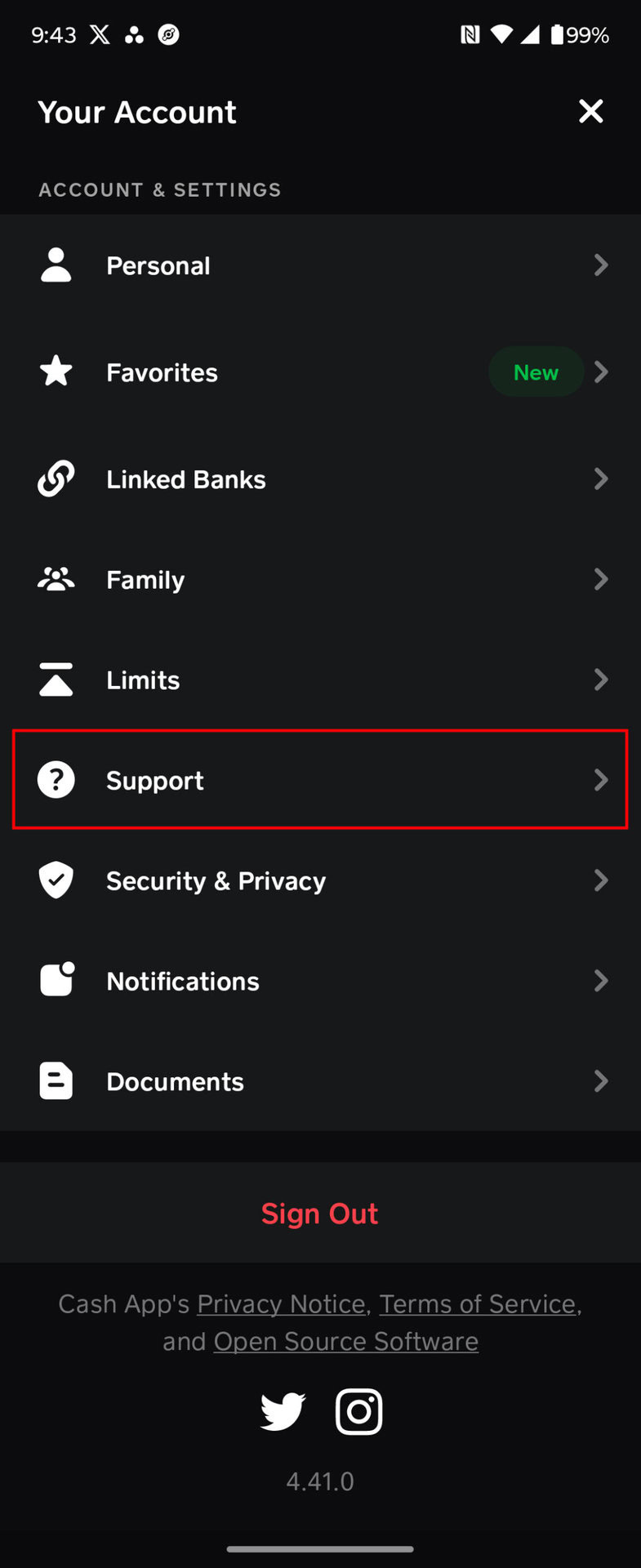
If the reason for the block isn’t immediately clear or easily resolved, contacting Cash App support is the next step.
- Use Official Channels: Access support through the Cash App itself or their official website. Avoid third-party support services.
- Provide Clear Information: When contacting support, be prepared to provide your account details, the exact amount of the blocked payment, the date and time, and any specific error messages you received.
- Be Patient and Professional: Security investigations can take time. Provide all requested information promptly and maintain a professional demeanor. Clearly explain the financial context of your transaction.
Providing Necessary Documentation for Verification
In many cases, resolving a blocked payment, especially those flagged for security or regulatory reasons, will require additional identity verification. Cash App might request documents such as:
- Government-issued ID (driver’s license, passport)
- Proof of address (utility bill, bank statement)
- selfies or video verification
Have these documents ready and be prepared to securely submit them as requested. This process ensures the legitimacy of your financial transactions and your identity, protecting both you and the platform from fraud.
Understanding the Appeal Process
If your account is temporarily restricted or a payment remains blocked despite your efforts, Cash App often has an appeal process. This allows you to present your case and provide further evidence to demonstrate the legitimacy of your financial activity. It’s crucial to understand that these processes are in place to thoroughly investigate potential risks, which is ultimately a benefit to all users of the financial tool. Following the instructions provided by Cash App support for appeals, providing all requested financial details, and maintaining transparent communication will give you the best chance of successful resolution.
The Broader Impact of Digital Financial Security on Personal Finance
The experience of a blocked payment on Cash App, while specific, highlights larger trends and critical considerations in the evolving landscape of digital money management. As individuals increasingly rely on financial tools like Cash App for daily transactions, understanding the interplay between convenience, security, and personal financial responsibility becomes paramount.
The Evolving Landscape of Digital Money Management
Digital payment platforms have undeniably reshaped personal finance, offering instant transfers, simplified budgeting, and seamless access to funds. However, this convenience comes with an inherent need for robust security infrastructures. Blocked payments serve as a reminder that these platforms are not just simple transfer mechanisms; they are sophisticated financial systems designed to safeguard user assets against a myriad of threats, from individual scams to large-scale cyber fraud and money laundering. As digital financial tools continue to innovate, users must also evolve their understanding of how these systems operate, including their security protocols and regulatory obligations.
Empowering Users Through Financial Literacy
Navigating the complexities of digital financial tools effectively requires a certain level of financial literacy. This includes understanding transaction limits, the importance of identity verification, recognizing common scams, and adhering to terms of service. When a payment is blocked, it’s an opportunity for users to deepen their understanding of how financial security measures protect their money. Platforms like Cash App have a responsibility to educate their users, but individuals also bear the responsibility of staying informed about best practices for secure digital transactions. Enhanced financial literacy empowers users to make informed decisions, manage their accounts proactively, and minimize disruptions to their financial activities.
The Future of Secure Online Transactions
The future of digital finance will undoubtedly continue to prioritize security while striving for even greater user experience. As technology advances, so too do the methods of financial fraud. Platforms like Cash App will continue to invest heavily in artificial intelligence, machine learning, and biometric authentication to enhance their fraud detection capabilities and improve the speed and accuracy of transaction processing. For the average user, this means a continued need for vigilance, adherence to security guidelines, and an appreciation for the complex systems that work behind the scenes to keep their money safe. A blocked payment, while a momentary inconvenience, is a testament to these ongoing efforts, reinforcing the commitment of financial technology to protect individual and collective financial well-being in an interconnected digital world.
aViewFromTheCave is a participant in the Amazon Services LLC Associates Program, an affiliate advertising program designed to provide a means for sites to earn advertising fees by advertising and linking to Amazon.com. Amazon, the Amazon logo, AmazonSupply, and the AmazonSupply logo are trademarks of Amazon.com, Inc. or its affiliates. As an Amazon Associate we earn affiliate commissions from qualifying purchases.