
Cash App has emerged as a ubiquitous tool for peer-to-peer payments, investing, and direct deposits, simplifying countless financial transactions. However, the convenience it offers is underpinned by stringent security measures designed to protect both users and the platform from fraud, money laundering, and other illicit activities. When Cash App blocks a payment, it’s rarely arbitrary; it’s typically an automated response to a detected anomaly or a perceived risk within the transaction or account history. Understanding these underlying financial protocols and triggers is crucial for preventing future disruptions and ensuring smooth management of your digital funds.

Understanding Cash App’s Financial Security Protocols
Cash App, like any other financial institution or payment service, operates under a strict regulatory framework that mandates robust security and compliance. These protocols are not merely suggestions but legal obligations designed to safeguard user assets and maintain the integrity of the financial system. When a payment is blocked, it’s often an indication that one of these built-in financial safeguards has been triggered.
Fraud Prevention and Suspicious Activity
One of the primary reasons Cash App might block a payment is its advanced fraud detection system. This system constantly monitors transactions for patterns indicative of fraudulent activity. This could include unusually large transfers, frequent small transfers to multiple new recipients, transactions involving known scam accounts, or payments initiated from a new or unrecognized device. The algorithm aims to differentiate legitimate but unusual transactions from those that pose a genuine threat to your financial security, often erring on the side of caution to protect your funds.
Account Verification and KYC Compliance
Cash App adheres to Know Your Customer (KYC) regulations, which require financial institutions to verify the identity of their clients. Unverified accounts often face lower transaction limits and are more susceptible to payment blocks, especially for larger sums. If your account details (such as your linked bank account, debit card, or personal information) are incomplete, outdated, or don’t match your verified identity, Cash App may block transactions to prevent potential identity theft or unauthorized use of funds. This ensures that the money is going to and coming from a legitimate, identified source.
Transaction Limits and Unusual Spending Patterns
Every Cash App account has specific transaction limits, which can vary based on your verification status and account history. Attempting to send or receive money that exceeds these daily or weekly limits will result in a block. Beyond explicit limits, Cash App also flags unusual spending patterns. For instance, if you typically send small amounts to family but suddenly attempt a very large transfer to an entirely new recipient, this deviation from your established financial behavior can trigger a block. This serves as a protective measure against unauthorized account access or impulsive, high-risk financial decisions.
Common Financial Triggers for Payment Blocks
Beyond the general security protocols, several specific financial scenarios frequently lead to Cash App blocking payments. These often relate directly to the funds available, the source or destination of the money, or discrepancies in transaction details.
Insufficient Funds and Declined Bank Links
The most straightforward reason for a payment block is often a lack of sufficient funds in your linked bank account or Cash App balance. If you attempt to send money that isn’t available, the transaction will obviously fail. Less obvious, however, are issues with the linked financial instrument itself. If your debit card has expired, your bank account is frozen, or there’s a connectivity issue between Cash App and your bank, payments can be declined. Cash App’s system may interpret repeated declines from a linked account as a security risk, potentially leading to temporary blocks on further transaction attempts.
Disputes, Chargebacks, and Reversed Payments
Financial disputes, chargebacks, and reversed payments are significant red flags for any payment platform. If you or a recipient initiates a chargeback through your bank after a Cash App transaction, or if a payment you received is later reversed due to fraud or insufficient funds from the sender, it can lead to severe restrictions on your account. These actions often signal potential financial instability, dispute resolution issues, or involvement in fraudulent schemes, prompting Cash App to block future payments to mitigate further financial risk and potential losses.
Receiving Funds from Unverified or Risky Sources
Cash App scrutinizes the source of incoming funds just as much as outgoing payments. If you repeatedly receive money from accounts that are unverified, have a history of suspicious activity, or are linked to known scams, Cash App may block these incoming payments. This is a crucial defense mechanism against money laundering and protecting users from becoming unwilling participants in illicit financial flows. Accepting funds from sources with dubious financial backgrounds can also lead to your account being flagged, making it difficult to conduct legitimate transactions later.
User Actions That Can Lead to Blocks

While many blocks are due to automated financial security measures, user behavior and adherence to Cash App’s terms of service play a significant role. Your financial conduct on the platform directly impacts its trust in your account.
Violating Cash App’s Terms of Service (Financial Misuse)
Cash App’s Terms of Service outline acceptable financial conduct. Violations can range from engaging in prohibited transactions (like gambling, illegal goods/services, or drug sales) to using the app for commercial purposes without proper registration. For instance, consistently receiving large sums for goods or services without being set up as a business account can trigger flags. Any activity that appears to facilitate money laundering, terrorist financing, or other illegal financial activities will result in immediate payment blocks and potentially permanent account closure. These rules are in place to ensure a safe and legally compliant financial environment for all users.
Repeated Failed Attempts and Incorrect Information
Persistence can sometimes be counterproductive. Repeatedly attempting a payment after it has been declined, especially if you’re not addressing the underlying issue (e.g., incorrect card details, insufficient funds), can be interpreted as suspicious activity. Similarly, entering incorrect card numbers, CVV codes, or bank account details multiple times can lock down your ability to make payments. This is a basic security measure designed to prevent brute-force attempts at unauthorized financial access. Always double-check your financial input before initiating a transaction.
New Accounts and Large Initial Transactions
New accounts, by their nature, have no established financial history or reputation on the platform. Attempting to make very large transactions shortly after opening an account can trigger an immediate block. This is a common tactic used by fraudsters to move large sums quickly before their account is flagged. Cash App often implements stricter limits and monitoring for new users, gradually increasing trust and transaction capabilities as a legitimate financial history is built up over time. It’s advisable for new users to start with smaller, routine transactions to establish credibility.
Steps to Resolve a Blocked Payment
Encountering a blocked payment can be frustrating, but there are clear steps you can take to understand the issue and potentially resolve it, often involving direct interaction with your financial details and Cash App support.
Review Account Activity and Notifications
The first step is always to check your Cash App activity feed and any notifications or emails from Cash App. Often, the reason for the block is explicitly stated, such as “insufficient funds” or “transaction flagged for review.” This initial review can provide immediate insight into whether the issue is simple (like an expired card) or more complex (requiring verification). Look for warnings about unusual activity, pending verification requests, or updates to terms of service.
Contact Cash App Support (with emphasis on financial details)
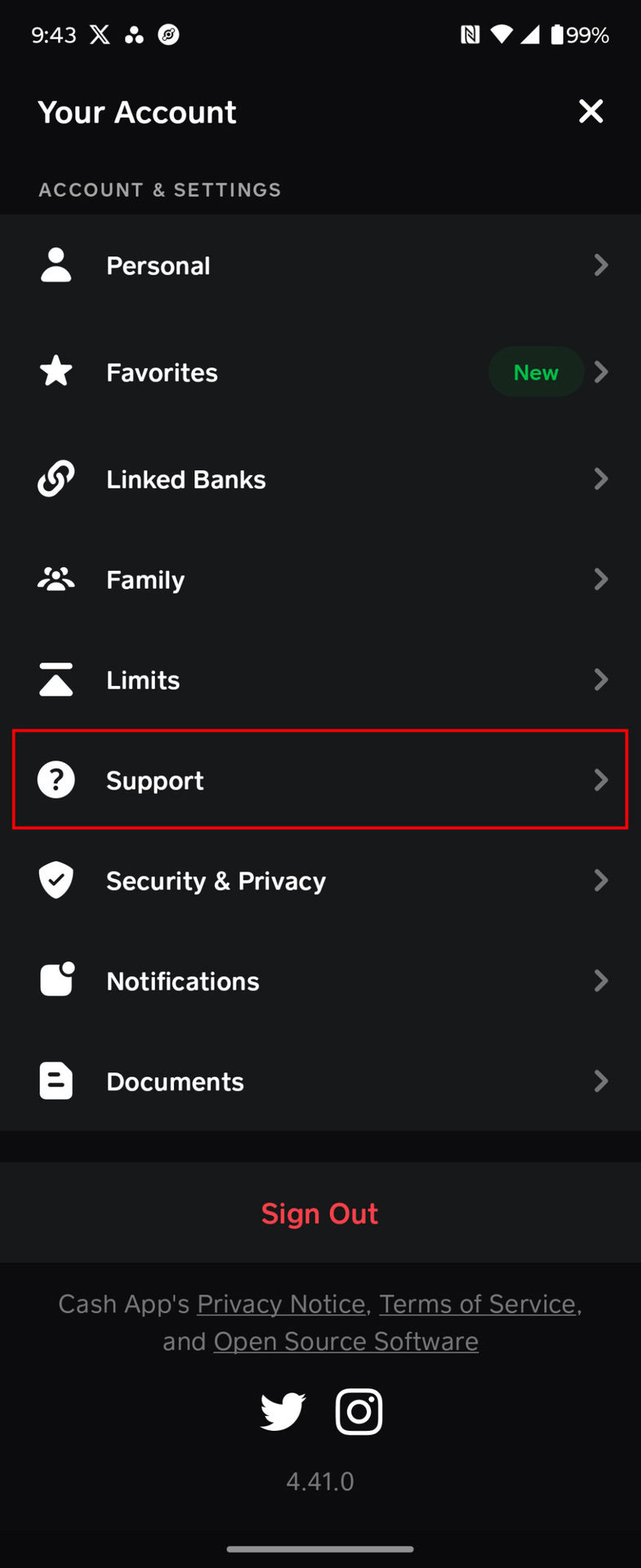
If the reason isn’t clear, or if you need to resolve a verification issue, contacting Cash App support is the next step. When you reach out, be prepared to provide specific financial details related to the blocked payment, including the exact amount, date, recipient/sender, and any error messages received. You may also need to confirm your identity by providing personal financial information or answering security questions to verify account ownership. Be patient, as financial investigations can take time.
Verify Your Identity and Link Reliable Financial Instruments
Often, a permanent solution involves strengthening your account’s financial verification. This means ensuring your full name, date of birth, and the last four digits of your Social Security Number are correctly entered and verified. You may also need to provide additional documentation, like a photo ID, especially for higher transaction limits. Furthermore, ensure that any linked bank accounts or debit cards are active, in good standing, and accurately reflect your current financial situation. Using reputable financial institutions and keeping your linked payment methods current reduces the likelihood of future blocks.
Best Practices for Uninterrupted Financial Transactions
Proactive measures are always better than reactive solutions when it comes to financial transactions. By adopting certain best practices, you can significantly reduce the chances of encountering a blocked payment on Cash App.
Maintain Accurate and Up-to-Date Financial Information
Regularly review your Cash App profile to ensure all personal and linked financial information is current. This includes your address, phone number, email, and especially the expiration dates of your linked debit or credit cards. Outdated information can lead to verification failures and transaction declines. Keeping your banking details current with Cash App ensures seamless communication between your bank and the app, preventing connectivity issues that can block payments.
Understand and Adhere to Transaction Limits
Familiarize yourself with your account’s specific daily, weekly, and monthly transaction limits. These are usually visible in your account settings. Plan larger transactions accordingly to stay within these parameters. If you anticipate needing higher limits, proactively complete any additional verification steps Cash App requests well in advance of your transaction. Trying to circumvent limits by splitting large payments into many small ones rapidly can also trigger fraud alerts.
Protect Your Account from Unauthorized Access
Implementing robust security for your Cash App account is paramount. Use a strong, unique password and enable two-factor authentication (2FA). Be wary of phishing attempts and never share your login credentials or PIN with anyone. Regularly monitor your transaction history for any unfamiliar activity. If you suspect your account has been compromised, immediately change your password and contact Cash App support. Protecting your account from unauthorized financial access is a shared responsibility, and vigilance on your part is a critical deterrent against fraud that could lead to payment blocks.
aViewFromTheCave is a participant in the Amazon Services LLC Associates Program, an affiliate advertising program designed to provide a means for sites to earn advertising fees by advertising and linking to Amazon.com. Amazon, the Amazon logo, AmazonSupply, and the AmazonSupply logo are trademarks of Amazon.com, Inc. or its affiliates. As an Amazon Associate we earn affiliate commissions from qualifying purchases.