
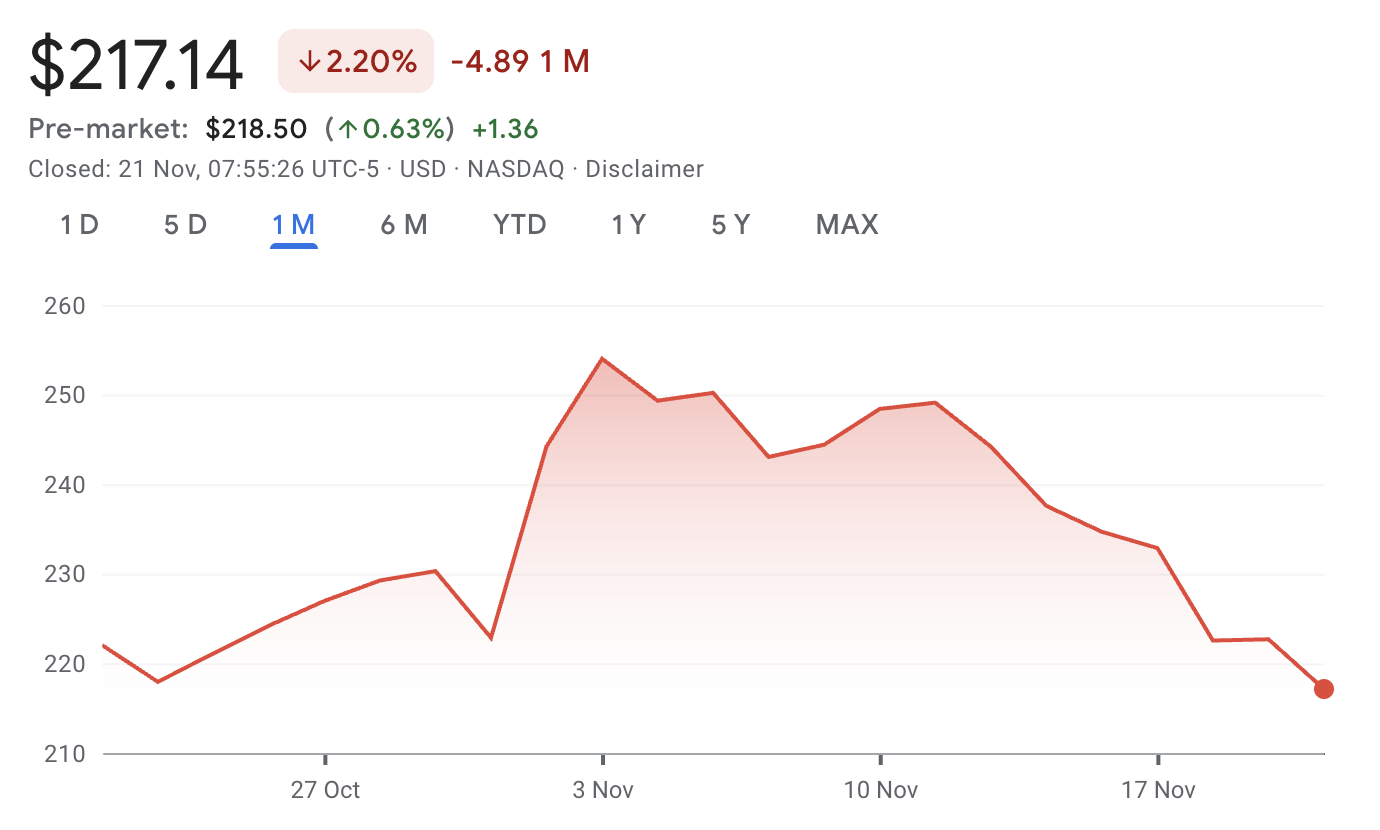
Amazon (NASDAQ: AMZN) has long been a bellwether for both the technology sector and the broader consumer economy. When its stock price moves upward, it is rarely due to a single isolated event but rather a confluence of fundamental strength, strategic pivots, and favorable macroeconomic conditions. Investors tracking the retail and cloud giant today are seeing the results of years of infrastructure investment finally yielding high-margin returns. From the explosive growth of its advertising business to the operational efficiencies realized in its fulfillment network, several key drivers are pushing the valuation higher.
To understand why Amazon is gaining momentum, one must look past the surface-level retail numbers and into the mechanics of its diversified business model. The current rally reflects a growing confidence that Amazon has successfully transitioned from a high-growth, high-spend phase into a period of sustained profitability and cash flow generation.
Earnings Performance and the High-Margin Revenue Shift
The primary catalyst for Amazon’s upward trajectory is the undeniable strength of its financial reporting, specifically the composition of its revenue. For years, Amazon was viewed as a low-margin retailer that reinvested every penny into growth. Today, the narrative has shifted toward its high-margin segments: Amazon Web Services (AWS) and Digital Advertising.
AWS Dominance and Cloud Acceleration
Amazon Web Services remains the undisputed leader in the cloud infrastructure market. While competitors like Microsoft Azure and Google Cloud have made strides, AWS continues to benefit from a massive first-mover advantage and a deep bench of enterprise services. Investors are reacting positively to the stabilization of cloud spending. After a period of “cloud optimization”—where companies trimmed their digital budgets—enterprises are once again spending heavily on digital transformation.
The acceleration of AWS revenue is critical because it contributes a disproportionate amount to Amazon’s operating income. Even when the retail side faces headwinds, the high margins of the cloud business provide a safety net and a war chest for future innovation. Today’s stock movement reflects the market’s belief that AWS is not just a utility but the backbone of the next era of enterprise computing.
The Advertising Juggernaut
Perhaps the most overlooked aspect of Amazon’s recent success is its advertising segment. Amazon has built the world’s third-largest digital advertising platform, trailing only Google and Meta. Unlike social media ads, Amazon’s ads are placed at the “point of purchase.” When a user searches for a product on Amazon, they have a high intent to buy, making those ad slots incredibly valuable to brands.
This business carries significantly higher margins than selling physical goods. As Amazon leverages its first-party data to refine ad targeting, this segment is growing at a rate that outpaces its core retail business. Investors are increasingly valuing Amazon not just as a store, but as a high-margin data and media platform.
Strategic Cost Cutting and Operational Efficiency
Under the leadership of CEO Andy Jassy, Amazon has undergone a fundamental shift in how it manages its massive logistics footprint. During the pandemic, the company doubled its fulfillment network to meet unprecedented demand. However, this led to a period of overcapacity and inefficiency. The recent uptick in stock price is a direct response to the “lean” transformation the company has undergone over the last year.
Regionalization of the Fulfillment Network
One of the most significant structural changes has been the transition from a national fulfillment model to a regionalized one. By dividing the country into distinct regions and stocking inventory closer to the end consumer, Amazon has dramatically reduced the “cost to serve.”
Shorter travel distances for packages mean lower fuel costs, fewer “touches” by employees, and faster delivery times for Prime members. This regionalization hasn’t just improved the customer experience; it has significantly boosted the operating margins of the North American retail segment. Wall Street is rewarding the fact that Amazon can now deliver packages faster while simultaneously spending less to do so.
Headcount Management and Resource Allocation
In addition to logistics, Amazon has been aggressive in trimming non-core projects and managing its corporate headcount. By sunsetting experimental programs that lacked a clear path to profitability and streamlining its workforce, the company has demonstrated a disciplined approach to capital allocation. For investors, this signals a maturity in management—moving away from “growth at any cost” toward a focus on free cash flow and shareholder value.
The AI Catalyst: Enhancing Retail and Tech

Artificial Intelligence is the dominant theme in the current market, and Amazon is positioned to benefit from it in ways that few other companies can. The stock is reacting to the realization that Amazon is a “triple threat” in the AI space: it provides the infrastructure for others to build AI, uses AI to optimize its own operations, and sells AI-driven services to consumers.
Generative AI in the AWS Ecosystem
Through services like Amazon Bedrock, AWS is making it easy for companies to build and scale generative AI applications. By offering a choice of high-performing foundation models from leading AI startups alongside its own Titan models, Amazon is positioning itself as the neutral “arms dealer” in the AI wars.
Furthermore, Amazon’s development of its own AI chips—Trainium and Inferentia—provides a cost-effective alternative to expensive GPUs. As companies look to train large language models without breaking the bank, Amazon’s custom silicon becomes a major competitive advantage that drives more traffic to AWS.
AI-Driven Advertising and Personalization
On the retail side, AI is being used to revolutionize the way products are discovered. Advanced machine learning algorithms are improving the accuracy of product recommendations and the efficiency of the supply chain. AI-powered tools are now helping sellers create better product descriptions and images, which in turn increases conversion rates. This “flywheel” effect—where AI makes the platform better for sellers, which attracts more buyers, which generates more data for the AI—is a long-term value driver that the market is currently pricing in.
Macroeconomic Trends and Market Sentiment
External factors are also playing a role in why Amazon stock is up today. The broader macroeconomic environment has begun to stabilize, providing a “tailwinds” effect for large-cap tech stocks.
Interest Rates and Growth Stock Valuations
As inflation data shows signs of cooling, there is a growing expectation that the Federal Reserve may pause or reverse interest rate hikes. High interest rates typically hurt growth stocks because they increase the discount rate used to value future earnings. As the outlook for rates improves, investors are rotating back into “Big Tech” names like Amazon, which offer both growth and the safety of a massive balance sheet.
Consumer Resilience
Despite fears of a recession, consumer spending has remained remarkably resilient. Amazon, as the primary destination for online shopping, is the direct beneficiary of this trend. Even as consumers become more price-conscious, they tend to flock to Amazon for its competitive pricing and the perceived value of the Prime membership. The market is recognizing that Amazon’s “moat”—its loyal base of over 200 million Prime members—is deep enough to withstand economic volatility.
Future Outlook: The Path to a New Valuation
When evaluating why Amazon is performing well today, it is important to look at the long-term trajectory of the company’s valuation. Analysts are increasingly moving away from valuing Amazon on a Price-to-Earnings (P/E) basis and are looking more closely at Enterprise Value to EBITDA or Free Cash Flow.
Diversification Beyond Retail
Amazon’s expansion into healthcare (with One Medical) and satellite internet (Project Kuiper) represents the next frontier of growth. While these ventures are still in their early stages, they provide a roadmap for how Amazon intends to stay relevant in the coming decade. Investors are betting that the “Amazon Playbook”—using technology to disrupt inefficient industries—will work just as well in these new sectors as it did in books, general retail, and enterprise computing.

Strengthening the Balance Sheet
The company’s ability to generate massive amounts of free cash flow is perhaps the most compelling reason for the current stock rally. After a period of heavy capital expenditure, Amazon is now entering a cycle where it can use its cash to pay down debt, buy back shares, or invest in the next big technological shift. This financial flexibility provides a level of security that attracts institutional investors and drives up the share price.
In summary, Amazon stock is up today because the company has proven it can balance aggressive innovation with fiscal responsibility. By optimizing its core retail operations, dominating the cloud market, and positioning itself at the center of the AI revolution, Amazon has convinced the market that its best days are still ahead. For the savvy investor, the current movement is a reflection of a business that has mastered the art of the pivot, turning operational challenges into competitive advantages.
aViewFromTheCave is a participant in the Amazon Services LLC Associates Program, an affiliate advertising program designed to provide a means for sites to earn advertising fees by advertising and linking to Amazon.com. Amazon, the Amazon logo, AmazonSupply, and the AmazonSupply logo are trademarks of Amazon.com, Inc. or its affiliates. As an Amazon Associate we earn affiliate commissions from qualifying purchases.