
Amazon, a name synonymous with convenience and boundless selection, has revolutionized how the world shops, reads, and even consumes media. Its omnipresence in modern life is undeniable, a testament to its relentless innovation and customer-centric approach. Yet, beneath the veneer of seamless one-click ordering and next-day delivery, a growing chorus of criticism questions the true cost of this digital convenience. For many, Amazon’s colossal scale and aggressive business practices have fostered a corporate identity fraught with ethical dilemmas, raising significant concerns about its impact on competition, labor, the environment, and even societal values. To understand “why Amazon is bad” is to delve into the complex interplay between its dominant brand strategy and the far-reaching consequences of its operations, challenging the narrative of an unalloyed good and revealing the shadow cast by its immense power.

The Erosion of Competitive Landscape and Small Businesses
Amazon’s brand strategy is built on scale, efficiency, and aggressive market penetration. While beneficial for consumers seeking low prices and vast selection, this strategy often comes at the expense of competition, particularly for smaller businesses. The “Amazon Effect” has become a recognized phenomenon, describing the transformative and often destructive power of its market dominance.
Predatory Pricing and Market Dominance
One of the most potent criticisms leveled against Amazon’s corporate identity is its alleged engagement in predatory pricing. With its vast capital reserves and intricate logistics network, Amazon can afford to operate on razor-thin margins, or even at a loss, in specific product categories to outcompete and eliminate rivals. This strategy, while attracting customers with unbeatable prices, systematically stifles competition. Once smaller competitors are driven out of business or forced to scale back, Amazon gains an even larger market share, solidifying its dominant position and potentially allowing for price increases in the long run. This cycle not only creates a near-monopoly in certain sectors but also discourages new entrants, effectively narrowing consumer choices and innovation in the broader market. The brand, initially perceived as a consumer champion, begins to look more like an insurmountable titan that leaves little room for others to thrive.
The “Amazon Effect” on Local Economies
Beyond direct competition, Amazon’s business model profoundly impacts local economies and the fabric of community life. The shift from brick-and-mortar retail to online shopping, largely spearheaded by Amazon, has led to a significant decline in local businesses. As consumers flock to Amazon for convenience and price, main streets and shopping centers struggle to retain foot traffic, resulting in store closures, job losses, and a decrease in local tax revenues. This isn’t merely an economic shift; it’s a cultural one. Local businesses are often pillars of their communities, fostering unique identities, providing personalized service, and supporting local events. When they disappear, a piece of the community’s character often goes with them. Amazon’s brand, while globally recognized, lacks the local connection and community investment that small businesses inherently provide, leading to a homogenization of retail landscapes and a weakening of local economic ecosystems.
Supplier Squeeze and Platform Dependencies
For businesses that do manage to operate on Amazon’s platform, a different set of challenges arises, highlighting another facet of Amazon’s powerful brand identity: its control over its marketplace. Third-party sellers, who comprise a significant portion of Amazon’s sales, often find themselves in a precarious position. They are heavily reliant on Amazon’s platform for reach and sales, but this dependency comes at a cost. Amazon dictates terms, commission rates, and advertising fees, which can eat significantly into a seller’s profits. Furthermore, Amazon has been accused of using seller data to identify popular products, then launching its own competing “Amazon Basics” or private-label versions, often giving them preferential visibility in search results. This practice, often referred to as “copy-catting,” demonstrates a brand strategy that, while maximizing Amazon’s own profits, can be seen as exploitative and predatory towards the very businesses that contribute to its marketplace’s success. Sellers are caught between the need for Amazon’s vast customer base and the fear of being undercut or replicated by the platform itself, revealing a complex and often unequal power dynamic.
Labor Practices and Employee Welfare Concerns
Perhaps one of the most persistent and damaging criticisms of Amazon’s brand identity revolves around its labor practices. Despite its image as an innovative tech giant, reports from its fulfillment centers and delivery networks frequently paint a picture of intense pressure, precarious working conditions, and a corporate culture that prioritizes efficiency above all else, often at the expense of employee welfare.
Intensive Workload and Performance Expectations
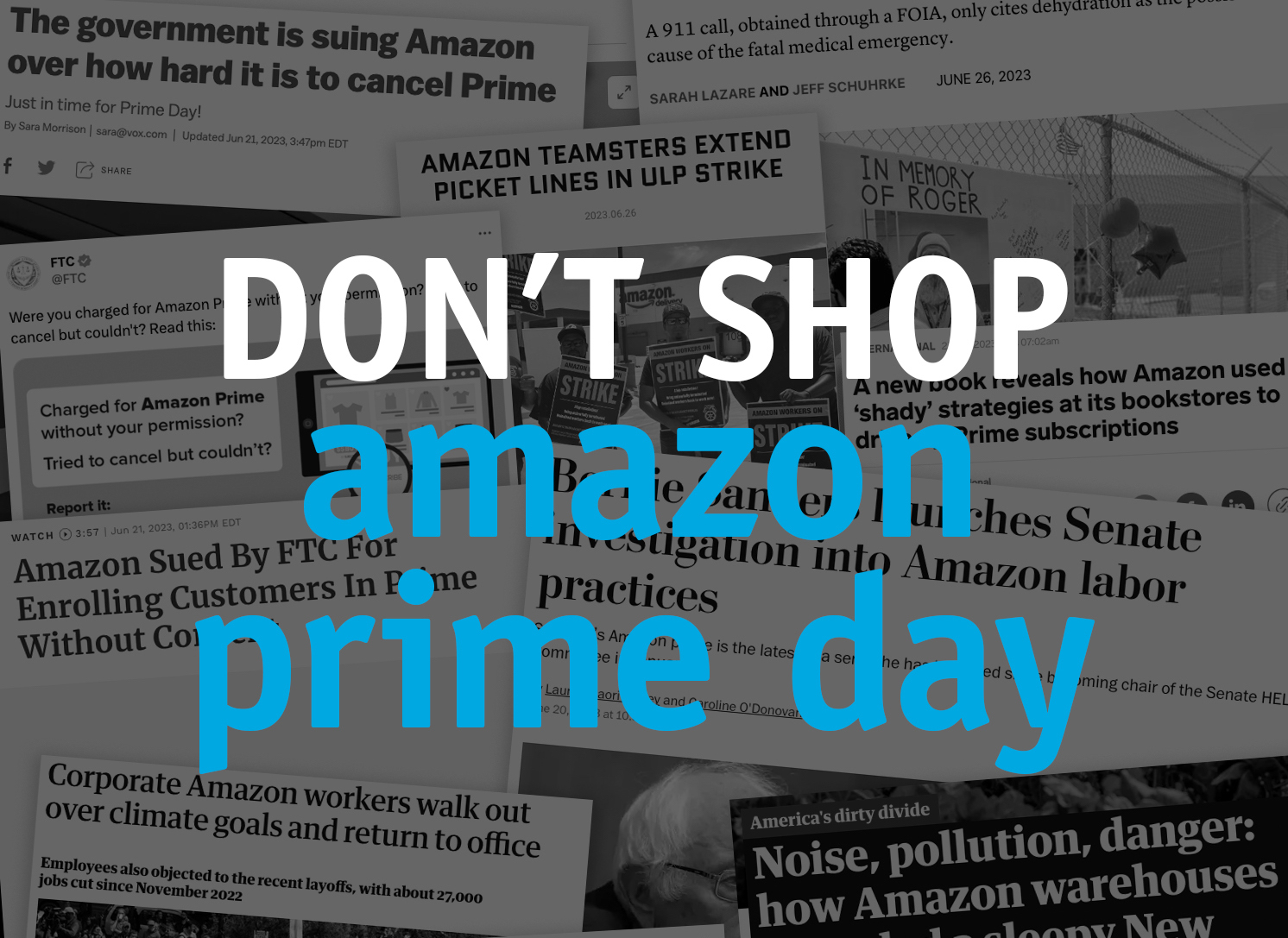
At the heart of Amazon’s logistics operation are its vast network of fulfillment centers, where employees are subject to demanding performance metrics and intense workloads. Workers often report strict quotas for picking, packing, and shipping items, monitored by sophisticated surveillance systems that track every movement. These metrics are not just targets; they often dictate job security, creating an environment of constant pressure and stress. The pace is relentless, with limited breaks and long shifts, particularly during peak seasons. The brand’s promise of rapid delivery to customers is directly translated into hyper-efficiency demands on its workforce, leading to high rates of repetitive strain injuries and mental health challenges. This operational reality clashes sharply with the perception of a modern, innovative employer, exposing a brand identity that, while efficient, appears to be built on an unsustainable level of human exertion.
Union Busting and Suppressing Worker Voices
Another significant stain on Amazon’s corporate identity is its aggressive stance against labor unionization. Historically, Amazon has employed various strategies to deter unionization efforts among its workforce, ranging from sophisticated surveillance of organizers to mandatory anti-union meetings and swift termination of pro-union employees. Critics argue that these tactics are designed to suppress worker voices, prevent collective bargaining for better wages and working conditions, and maintain tight control over its labor costs and operational flexibility. The company’s resistance to unions suggests a brand that is wary of empowering its employees, preferring to dictate terms rather than engage in collaborative dialogue. This approach not only raises ethical questions about workers’ rights to organize but also contributes to an environment where employees feel disrespected and unable to advocate for their own well-being without fear of reprisal. Such actions fundamentally undermine the image of a progressive, forward-thinking company and instead present a brand deeply entrenched in outdated, anti-labor practices.
Safety Issues and High Turnover Rates
The combination of intensive workloads and anti-union sentiment often contributes to significant safety concerns within Amazon’s facilities. Numerous reports and studies have highlighted injury rates at Amazon warehouses that are significantly higher than the industry average. The pressure to meet quotas, coupled with inadequate training or insufficient rest, can lead to accidents and musculoskeletal injuries. The high pace also contributes to mental and emotional stress, leading to burnout. Consequently, Amazon’s fulfillment centers are notorious for their incredibly high employee turnover rates. While this might allow the company to maintain a flexible workforce, it also suggests a failure to create sustainable, appealing employment conditions. A brand that consistently struggles with employee retention and faces persistent criticism over workplace safety reveals a significant disconnect between its public image and its internal operational reality. The cost of convenience for the consumer, in this context, appears to be borne heavily by the unacknowledged labor of its workforce.
Ethical and Environmental Responsibilities Under Scrutiny
Beyond its direct impact on competition and labor, Amazon’s massive scale and influence necessitate a closer examination of its broader ethical and environmental responsibilities. As a global behemoth, its actions (or inactions) reverberate across various societal and ecological spheres, contributing to criticisms that challenge its corporate citizenship and overall brand integrity.
Data Privacy and Surveillance Concerns
Amazon’s brand is synonymous with data. From personalized recommendations to targeted advertising, the company collects vast amounts of information about its users’ purchasing habits, browsing history, and even spoken commands (via Alexa). While this data fuels many of its convenient services, it also raises significant privacy concerns. Critics point to the opaque nature of data collection, the potential for misuse, and the vast power Amazon wields through its intimate knowledge of consumer behavior. The company’s growing involvement in surveillance technology, through products like Ring doorbells and Amazon Sidewalk, further exacerbates these worries, creating a pervasive sense that Amazon’s brand identity is intertwined with constant monitoring. For many, the comfort of convenience is increasingly overshadowed by the discomfort of being constantly observed and analyzed, questioning the ethical boundaries of Amazon’s data-driven business model and its commitment to individual privacy.
Packaging Waste and Carbon Footprint
The sheer volume of products shipped by Amazon daily has a profound environmental impact, a challenge that consistently dogs its brand’s sustainability claims. The issue of excessive packaging waste is particularly glaring, with countless cardboard boxes, plastic air pillows, and other materials frequently accompanying even small items. While Amazon has made commitments to reduce waste and increase recycling, the scale of its operations means that the environmental burden remains immense. Furthermore, the global logistics network required for rapid delivery—involving vast fleets of vans, planes, and ships—contributes significantly to carbon emissions. Despite investments in renewable energy and electric vehicles, the company’s growth trajectory inherently increases its overall carbon footprint. This environmental aspect poses a serious ethical dilemma for a brand that seeks to be seen as modern and responsible. The convenience of fast delivery directly conflicts with the urgent need for environmental stewardship, leaving many to question the true ecological cost of Amazon’s brand promise.

Tax Avoidance and Societal Contributions
Another area where Amazon’s brand faces significant ethical scrutiny is its tax practices. Critics frequently highlight the company’s sophisticated strategies for minimizing its corporate tax liabilities in various countries, often through legal loopholes, international profit shifting, and aggressive accounting practices. While these methods are often legal, they are seen as ethically dubious, especially given Amazon’s immense profitability and the public services (infrastructure, education, etc.) that enable its operations. The argument is that by paying disproportionately low amounts of tax compared to its revenue and profit, Amazon is not contributing its fair share to the societies that facilitate its success. This perceived lack of civic responsibility damages its brand image, positioning it as a corporate entity that prioritizes shareholder wealth above collective societal good. For many, a truly responsible and ethical brand would actively contribute to the well-being of the communities it serves, rather than seeking to minimize its financial obligations to them.
In conclusion, “why Amazon is bad” is not a simplistic indictment but rather a complex critique of a dominant corporate identity whose pursuit of efficiency and market leadership often generates significant negative externalities. From stifling competition and eroding local economies to raising serious questions about labor rights, environmental impact, and ethical data practices, Amazon’s brand faces intense scrutiny. While its innovation and customer focus have undeniably reshaped the world, these benefits are increasingly weighed against the ethical costs and societal implications of its immense power. Understanding these criticisms is crucial not only for evaluating Amazon as a company but also for reflecting on the broader impact of unchecked corporate growth in the digital age.
aViewFromTheCave is a participant in the Amazon Services LLC Associates Program, an affiliate advertising program designed to provide a means for sites to earn advertising fees by advertising and linking to Amazon.com. Amazon, the Amazon logo, AmazonSupply, and the AmazonSupply logo are trademarks of Amazon.com, Inc. or its affiliates. As an Amazon Associate we earn affiliate commissions from qualifying purchases.