
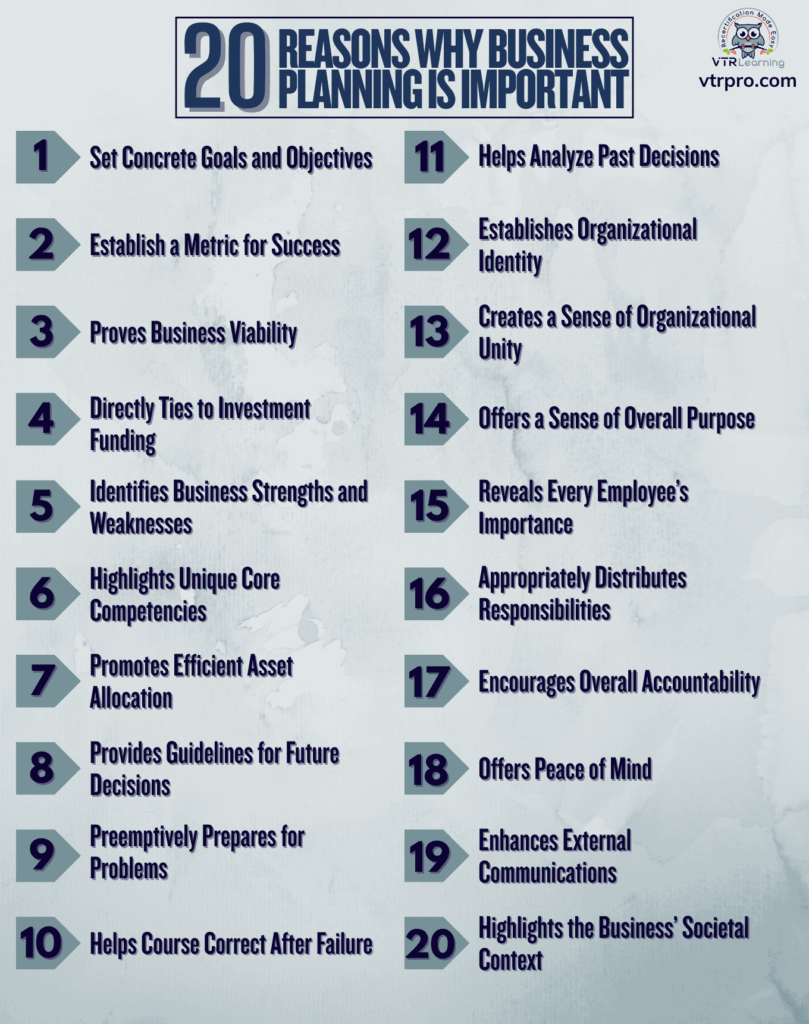
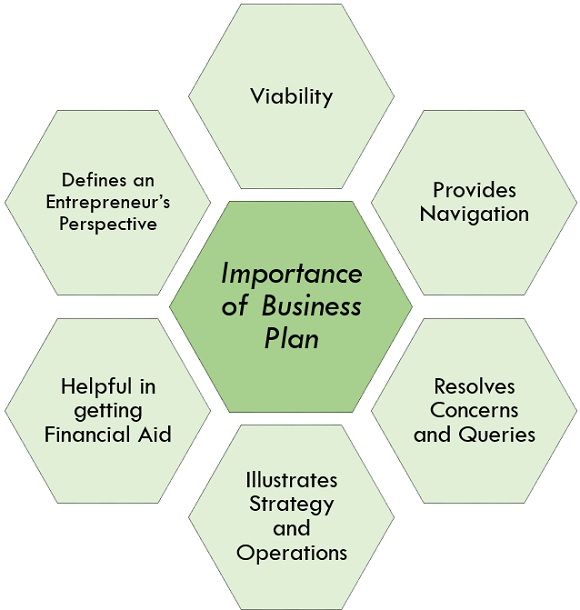
In the intricate world of entrepreneurship and corporate strategy, few documents hold as much weight and widespread utility as the business plan. Far from being a mere formality, a well-crafted business plan is the foundational blueprint upon which sustainable success is built. Within the realm of finance, its importance cannot be overstated, serving as an indispensable tool for guiding financial decisions, attracting investment, managing risk, and optimizing profitability. For any venture, from a budding startup to an established corporation contemplating expansion, the business plan is not just an idea generator; it is a meticulously constructed financial narrative that dictates direction, evaluates viability, and ultimately, determines destiny.

The Business Plan as a Financial Roadmap
At its core, a business plan functions as the financial roadmap for any enterprise. It translates aspirations into actionable financial objectives, providing a clear trajectory for resource allocation and expenditure. Without such a map, even the most innovative ideas risk veering off course, succumbing to poor financial management or unforeseen obstacles.
Guiding Financial Decisions
A comprehensive business plan empowers leaders to make informed financial decisions by providing a detailed overview of the company’s fiscal landscape. It compels entrepreneurs to critically assess every facet of their operation, from product development costs to marketing expenses and administrative overheads. By meticulously outlining anticipated revenues and expenditures, the plan creates a framework for budgeting, allowing capital to be allocated strategically to areas that promise the highest return or are critical for operational stability. This pre-emptive financial analysis helps in distinguishing between essential investments and frivolous spending, ensuring that every dollar contributes to the business’s overarching objectives. It forces a disciplined approach, moving beyond instinct to data-driven choices about where and how to invest money. For instance, a detailed budget within the plan can reveal that a specific marketing channel, while appealing, might be financially unsustainable in the initial phases, leading to a pivot towards more cost-effective strategies.
Forecasting Financial Performance
One of the most critical aspects of a business plan is its capacity for financial forecasting. This involves projecting revenue, estimating expenses, and analyzing potential profitability over a defined period, typically three to five years. Such forecasts are not mere guesswork; they are grounded in market research, historical data (if available), and realistic assumptions about sales volumes, pricing strategies, and operational costs. A robust financial forecast includes detailed profit and loss statements, cash flow projections, and balance sheets. These financial statements are vital for understanding the anticipated health and liquidity of the business. The profit and loss statement reveals expected revenues and expenses, leading to a projected net profit or loss. The cash flow statement, arguably the most critical for day-to-day operations, illustrates the movement of cash in and out of the business, highlighting potential shortfalls or surpluses. Finally, the balance sheet provides a snapshot of the company’s assets, liabilities, and equity at a specific point in time. Together, these forecasts enable stakeholders to visualize the financial trajectory of the business, identify potential bottlenecks, and set realistic performance targets.
Identifying Funding Needs
Perhaps one of the most immediate practical applications of a business plan, particularly for startups and expanding businesses, is its role in identifying and justifying funding needs. Before approaching banks, venture capitalists, or angel investors, an entrepreneur must clearly articulate how much capital is required, how it will be utilized, and what returns can be expected. The financial sections of a business plan—specifically the capital expenditure schedule, working capital requirements, and funding request—provide this clarity. It details not only the initial seed capital needed to launch but also the ongoing operational funds required until the business reaches self-sufficiency or profitability. This includes outlining requirements for inventory, equipment, facilities, marketing campaigns, and employee salaries. A well-justified funding request, backed by robust financial projections and a clear repayment strategy, significantly increases the likelihood of securing the necessary capital, as it demonstrates meticulous planning and a credible path to financial stability for potential lenders or investors.
Securing Capital and Attracting Investors
The business plan is arguably the single most important document when it comes to securing external funding. It acts as the primary communication tool between entrepreneurs and potential investors, translating vision and strategy into tangible financial metrics and investment opportunities.
The Investor’s Blueprint
For an investor, the business plan is their blueprint for evaluating the potential of an investment. It offers a comprehensive overview of the business model, market opportunity, competitive landscape, management team, and, critically, the financial projections. Investors scrutinize the plan to assess the viability of the business idea, the competence of the leadership, and the realism of the financial forecasts. A well-structured plan demonstrates that the entrepreneur has done their homework, understands the market, and has a clear strategy for generating returns. It reduces perceived risk by showcasing a thoughtful approach to potential challenges and a clear pathway to profitability. Conversely, a vague or incomplete plan often signals a lack of preparation and a higher risk profile, deterring potential funding.
Articulating Financial Projections
Beyond just identifying funding needs, the business plan must articulate detailed financial projections that resonate with investor expectations. This means presenting professional, clear, and defensible pro forma financial statements. Investors are particularly interested in the income statement (P&L), cash flow statement, and balance sheet, looking for indicators of revenue growth, profit margins, operational efficiency, and liquidity. They will assess assumptions made in these projections against industry benchmarks and market realities. A plan that convincingly demonstrates strong unit economics, scalable revenue models, and controlled cost structures is far more appealing. Furthermore, the plan should include a break-even analysis, showing the point at which the business covers its costs and begins to generate profit, which is a key metric for many investors.
Demonstrating Return on Investment (ROI)
Ultimately, investors are seeking a significant return on their capital. The business plan must clearly articulate how this ROI will be achieved. This involves outlining potential exit strategies, such as an acquisition by a larger company, an initial public offering (IPO), or a buyback of shares. The plan should include valuation methodologies and projected returns over the investment horizon, providing investors with a clear understanding of what they can expect. It’s not enough to simply project profits; the plan must show how those profits translate into tangible value for the investor. This might involve demonstrating a compelling growth trajectory, a unique market position, or proprietary technology that enhances the company’s value. The ability to clearly connect financial projections with a compelling ROI narrative is paramount to attracting and securing investment.
Managing Financial Risk and Ensuring Sustainability
The proactive identification and mitigation of financial risks are crucial for long-term business sustainability. A business plan serves as a critical tool in this regard, forcing a thorough examination of potential pitfalls and the development of strategies to navigate them.
Risk Assessment and Mitigation Strategies
A robust business plan doesn’t shy away from potential challenges; it confronts them head-on. This includes a dedicated section on risk assessment, where potential financial risks are identified and analyzed. These risks could range from market volatility and economic downturns to competitive threats, supply chain disruptions, or regulatory changes. For each identified risk, the plan should outline specific mitigation strategies. For instance, if market demand is uncertain, the plan might include contingency budgets for extended marketing efforts or scenarios for scaling back operations. If a key supplier poses a risk, the plan could detail alternative supplier agreements or vertical integration strategies. This proactive approach not only prepares the business for potential setbacks but also instills confidence in investors and stakeholders that management has a realistic understanding of the operating environment and a methodical approach to crisis management.
Setting Financial Benchmarks and KPIs
The business plan establishes clear financial benchmarks and Key Performance Indicators (KPIs) against which the company’s actual performance can be measured. These might include monthly revenue targets, gross profit margins, customer acquisition costs, average transaction value, or cash burn rate. By setting these measurable goals upfront, the business plan provides a framework for ongoing financial monitoring and evaluation. Regular comparison of actual results against planned targets allows management to quickly identify deviations, understand their causes, and implement corrective actions. This continuous feedback loop is vital for maintaining financial health and ensuring the business stays on track towards its profitability objectives. Without a baseline provided by the plan, it’s difficult to gauge success or failure objectively.
Adapting to Market Changes
The business world is dynamic, and market conditions can shift rapidly. While a business plan provides a fixed initial strategy, it also serves as a living document that facilitates adaptation. By laying out the initial financial assumptions and projections, it becomes a crucial reference point for re-evaluating financial strategies when external factors change. For example, an unexpected increase in raw material costs or a sudden surge in competitor activity might necessitate a revision of pricing strategies, expense budgets, or even product offerings. The business plan’s detailed financial models allow for “what-if” scenarios to be run, enabling management to assess the financial impact of various strategic adjustments before implementation. This agility, supported by a foundational financial plan, is key to navigating uncertainties and ensuring the long-term viability and financial resilience of the enterprise.
Optimizing Operational Efficiency and Profitability
Beyond securing funding and managing risk, the business plan is instrumental in optimizing the day-to-day financial operations of a business, directly impacting its efficiency and overall profitability.
Resource Allocation and Cost Control
A well-defined business plan compels a detailed analysis of all operational costs, from production and distribution to marketing and administration. This detailed breakdown allows for a more efficient allocation of resources, ensuring that capital is deployed where it can generate the maximum value. By understanding where every dollar is spent, businesses can identify areas of inefficiency or excessive expenditure. The plan can highlight opportunities for cost savings, such as negotiating better terms with suppliers, optimizing production processes, or leveraging technology to reduce labor costs. This rigorous approach to cost control, embedded within the financial projections, is critical for improving profit margins and achieving sustained financial growth. It ensures that the business operates leanly and efficiently, avoiding unnecessary financial drain.
Revenue Generation Strategies
The financial section of the business plan doesn’t just focus on costs; it also meticulously outlines strategies for revenue generation. This includes detailed sales forecasts, pricing models, and plans for market penetration and customer acquisition. The plan requires businesses to articulate how they will attract customers, what their pricing strategy will be (e.g., premium, value-based, competitive), and how they will scale sales over time. It might explore different revenue streams, such as product sales, service subscriptions, or licensing agreements, and project their respective contributions to the overall top line. By clearly defining these strategies and their associated financial targets, the business plan provides a roadmap for sales and marketing teams, aligning their efforts directly with financial objectives and ensuring a consistent focus on growing the company’s income.
Cash Flow Management
The adage “cash is king” holds true for businesses of all sizes, and effective cash flow management is paramount to survival. The business plan, particularly through its detailed cash flow projections, acts as an early warning system for potential liquidity issues. It tracks the inflow and outflow of cash, helping to anticipate periods of surplus or deficit. This foresight allows businesses to plan for working capital needs, negotiate credit lines in advance, or strategically delay certain expenditures during leaner periods. Without this forward-looking perspective, businesses risk running out of cash, even if they are technically profitable on paper. The cash flow forecast in the business plan is a dynamic tool that helps maintain operational solvency, ensuring that the business always has sufficient funds to meet its immediate financial obligations, such as payroll, rent, and supplier payments.
Strategic Growth and Long-Term Financial Planning
The importance of a business plan extends beyond immediate operational and funding needs; it is a vital instrument for envisioning and planning for long-term growth and ultimate financial success.
Scaling Operations and Expansion
For businesses with ambitions to grow, the business plan is indispensable for charting the financial implications of scaling operations. Whether it involves expanding into new markets, introducing new product lines, increasing production capacity, or acquiring other businesses, each growth initiative has significant financial ramifications. The plan allows for a detailed financial modeling of these expansion scenarios, projecting the capital required, the anticipated increase in revenue and expenses, and the potential impact on profitability. It helps answer critical questions like: Can the existing cash flow support expansion? Will additional funding be needed? What are the financial risks associated with scaling up? By providing a structured financial analysis, the business plan enables a methodical and fiscally responsible approach to growth, preventing overextension and ensuring that expansion efforts contribute positively to the company’s financial health.
Succession Planning and Exit Strategies
While often overlooked, the financial aspects of succession planning and exit strategies are crucial components that a comprehensive business plan addresses. For entrepreneurs, thinking about an exit strategy from the outset is vital for maximizing the value of their investment. The plan can outline potential pathways for selling the business, merging with another entity, or transitioning ownership to family members or employees. Each of these scenarios has distinct financial implications, including valuation methodologies, tax considerations, and legal costs. By planning for these eventualities early, the business can be structured and managed in a way that enhances its attractiveness to potential buyers or facilitates a smooth transition, thereby securing the financial legacy of its founders. This foresight ensures that years of hard work culminate in a financially rewarding conclusion.
Continuous Financial Monitoring and Adjustment
Finally, a business plan is not a static document to be filed away once completed. Its true power lies in its capacity as a living, breathing tool for continuous financial monitoring and adjustment. The financial forecasts and benchmarks within the plan serve as a dynamic reference point against which actual performance is constantly measured. Regular reviews—monthly, quarterly, annually—allow management to compare real-world results against projections, identify variances, and understand the underlying reasons. This ongoing financial health check facilitates proactive adjustments to strategy, operations, and budgets. If revenue targets are missed, the plan guides the analysis of why and informs corrective actions, such as revising marketing strategies or adjusting pricing. If costs are higher than anticipated, the plan prompts an investigation into operational inefficiencies. This iterative process of planning, executing, monitoring, and adjusting, all centered around the financial framework of the business plan, is what ultimately drives financial resilience, sustained profitability, and long-term success in an ever-evolving market landscape.
aViewFromTheCave is a participant in the Amazon Services LLC Associates Program, an affiliate advertising program designed to provide a means for sites to earn advertising fees by advertising and linking to Amazon.com. Amazon, the Amazon logo, AmazonSupply, and the AmazonSupply logo are trademarks of Amazon.com, Inc. or its affiliates. As an Amazon Associate we earn affiliate commissions from qualifying purchases.