
The Dow Jones Industrial Average (DJIA) is more than just a number; it’s a barometer of the American economy and, by extension, global financial sentiment. When this iconic index dips, it sends ripples of concern through individual investors, financial institutions, and policymakers alike. Understanding why the Dow Jones might be down on any given day requires a nuanced look at a complex interplay of macroeconomic forces, corporate performance, investor psychology, and unforeseen global events. It’s a perpetual dance between expectation and reality, driven by trillions of dollars and countless individual decisions.
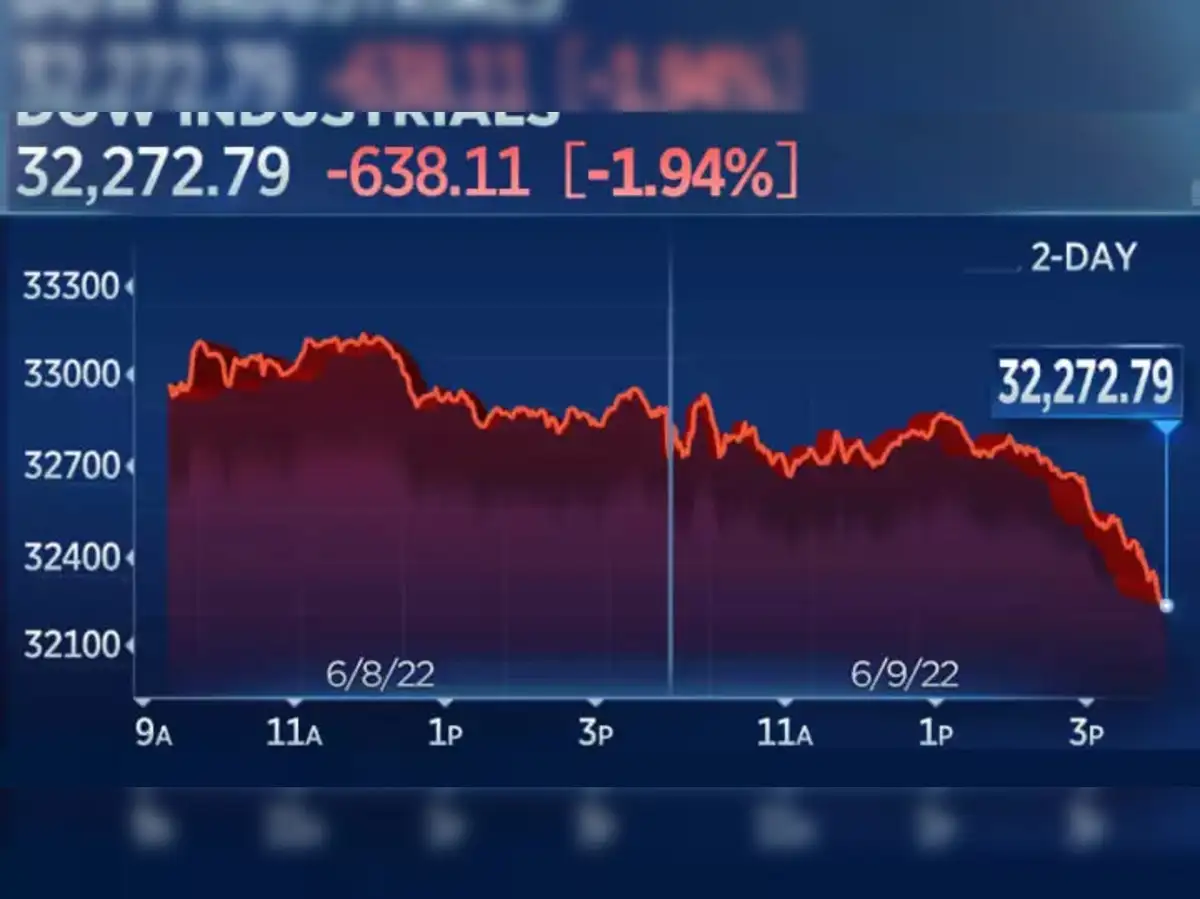
Today’s decline, like many before it, is not a singular event but often a culmination of various pressures building in the financial landscape. For the savvy investor, or even the curious observer, deciphering these forces is crucial to navigating the often-turbulent waters of the stock market. This article delves into the primary drivers behind a Dow Jones downturn, offering insights into the mechanisms at play and a framework for understanding market movements within the broader financial ecosystem.
Macroeconomic Headwinds: The Big Picture Influences
The economy operates on a grand scale, and its overarching trends frequently dictate the market’s direction. When these trends turn unfavorable, even strong individual companies can find themselves swimming against a powerful current. Macroeconomic headwinds are perhaps the most significant and pervasive factors contributing to a Dow Jones decline.
Inflationary Pressures and Interest Rate Hikes
One of the most potent forces impacting markets is inflation. When the cost of goods and services rises persistently, it erodes purchasing power and increases operating costs for businesses. Central banks, like the Federal Reserve in the U.S., typically respond to high inflation by raising interest rates. While intended to cool the economy and bring inflation under control, higher interest rates have several direct negative consequences for the stock market:
- Increased Borrowing Costs: Businesses face higher costs for debt financing, impacting their profitability and investment plans.
- Reduced Consumer Spending: Higher rates on mortgages, car loans, and credit cards can dampen consumer demand, which is a significant driver of economic growth.
- Valuation Compression: Higher interest rates make future earnings less valuable in today’s terms (discounting future cash flows at a higher rate), leading to lower stock valuations, particularly for growth stocks.
- Alternative Investment Appeal: Higher yields on safer assets like government bonds become more attractive, drawing capital away from riskier equities.
If today’s market is reacting to hotter-than-expected inflation data or the anticipation of aggressive rate hikes, it’s a classic reason for the Dow to decline.
Geopolitical Events and Global Uncertainty
The interconnectedness of the global economy means that events far from Wall Street can have profound local impacts. Geopolitical tensions – such as conflicts, trade disputes, or political instability in major economic regions – introduce significant uncertainty. Investors generally shy away from uncertainty, preferring stable environments where future earnings can be more reliably predicted.
- Supply Chain Disruptions: Wars or political unrest can disrupt global supply chains, leading to shortages, higher production costs, and reduced corporate profitability.
- Commodity Price Volatility: Geopolitical events often cause spikes or plunges in commodity prices (oil, gas, agricultural products), directly affecting industries and consumer budgets.
- Investor Flight to Safety: During times of heightened global risk, investors tend to move capital out of equities and into perceived safe-haven assets like gold, government bonds, or certain currencies.
A sudden escalation of a conflict, a new trade tariff announcement, or unexpected political turmoil abroad can easily trigger a wave of selling that pulls the Dow Jones lower.
Economic Data Releases and Their Impact
Every day, a barrage of economic data is released, offering a snapshot of the economy’s health. Key indicators such as Gross Domestic Product (GDP) growth, unemployment rates, manufacturing indices, retail sales, and consumer confidence surveys are closely watched.
- Disappointing Growth Figures: A lower-than-expected GDP report can signal a slowing economy, prompting concerns about future corporate earnings.
- Rising Unemployment: An unexpected jump in unemployment indicates a weakening labor market, which can foreshadow reduced consumer spending.
- Weak Manufacturing or Services Data: These reports can suggest a contraction in industrial output or service sector activity, both crucial for economic vitality.
When these reports fall short of expectations, or, paradoxically, when they are too strong and suggest overheating (leading to anticipated rate hikes), they can act as catalysts for a market downturn. Today’s decline might stem from a recent data release that painted a less optimistic picture of the economy’s trajectory.
Corporate Earnings and Sectoral Performance
While macroeconomic factors set the stage, the performance of individual companies and specific sectors within the Dow Jones index provides the plot. The Dow is composed of 30 large, publicly owned companies, and their collective health is paramount.
Disappointing Earnings Reports
Companies regularly report their quarterly earnings, providing a detailed look at their financial health. These reports include revenue, profit margins, and earnings per share (EPS). Investors and analysts use these figures to gauge a company’s performance and future prospects.
- Missing Estimates: Even if a company reports a profit, if it fails to meet or exceed analyst expectations (the “estimates”), its stock price can fall significantly. This is because market prices often bake in future expectations; when those expectations aren’t met, a correction occurs.
- Reduced Profit Margins: High inflation and increased operating costs can squeeze profit margins, even if revenues are stable, leading to lower profitability.
- Sales Declines: A drop in sales revenue signals weakening demand for a company’s products or services, which is a direct concern for investors.
If several key Dow components have recently reported weaker-than-expected earnings, or if there’s a general trend of earnings misses across a broad swath of the market, this can drag the entire index down.
Sector-Specific Weakness
The Dow Jones is diversified across various sectors, including technology, finance, healthcare, industrials, and consumer goods. However, if one or more of these sectors faces particular challenges, it can weigh heavily on the index.
- Technological Disruptions: Rapid advancements or shifts in consumer preferences can negatively impact established companies, particularly in the tech or consumer discretionary sectors.
- Regulatory Scrutiny: Increased government regulation or anti-trust actions targeting specific industries (e.g., big tech, pharmaceuticals) can create uncertainty and dampen investor enthusiasm.
- Cyclical Downturns: Certain sectors are highly cyclical, meaning their performance closely tracks the broader economic cycle. A slowdown in housing, for instance, can impact financials and construction-related companies.
Today’s Dow decline might be exacerbated by particular weakness in a heavily weighted sector, where concerns about future growth or profitability are concentrated.
Future Guidance and Investor Confidence
Beyond historical numbers, companies also provide “guidance” – their projections for future earnings, revenues, and business outlook. This forward-looking information is often more impactful than past results.
- Pessimistic Outlook: If a company issues conservative or pessimistic guidance for the upcoming quarters or year, it can signal headwinds ahead, even if current earnings are strong.
- Withdrawal of Guidance: In uncertain times, some companies may withdraw their guidance entirely, leaving investors in the dark and often leading to speculative selling.
- Management Commentary: What executives say about the economy, consumer demand, supply chains, and their competitive landscape in earnings calls can heavily influence investor confidence.
When multiple Dow components issue cautious outlooks, it creates a domino effect, leading to a broader market re-evaluation of future growth prospects and a subsequent decline in the index.
Investor Sentiment and Market Psychology
Beyond fundamentals and economic data, the collective mood and psychological biases of millions of investors play a critical role in daily market movements. Markets are not always rational, and emotions can amplify trends, both up and down.
Fear, Uncertainty, and Doubt (FUD)
Market downturns often breed an environment of Fear, Uncertainty, and Doubt (FUD). This psychological state can lead to irrational decision-making, where investors prioritize selling to avoid further losses rather than holding or buying.

- Panic Selling: A rapid cascade of selling, often triggered by a sudden piece of negative news or a breach of technical support levels, can create a downward spiral.
- Negative Feedback Loop: As prices fall, more investors become fearful, leading to more selling, which pushes prices down further, creating a self-reinforcing negative loop.
- Media Influence: Financial news outlets, particularly during downturns, can amplify negative sentiment, further contributing to FUD.
A pervasive sense of FUD could explain why the Dow is down today, even if underlying fundamentals haven’t drastically changed overnight. The market is reacting not just to facts, but to the interpretation of those facts by a nervous populace.
Technical Indicators and Momentum Trading
Many traders and institutional investors rely on “technical analysis” – studying past price movements and patterns to predict future trends. When key technical indicators signal a downturn, it can trigger automated or discretionary selling.
- Breaching Support Levels: If the Dow falls below historically significant price levels (support levels), it can signal further weakness and prompt selling.
- Moving Average Crossovers: Bearish crossovers of moving averages (e.g., the 50-day moving average crossing below the 200-day moving average) are often interpreted as sell signals.
- Momentum Reversal: When positive price momentum dissipates or reverses, it can lead to selling by momentum traders who bet on the continuation of trends.
A bearish signal from technical analysis can act as a self-fulfilling prophecy, contributing to a Dow decline as traders react to these signals.
Herd Mentality and Market Overreactions
Humans are social creatures, and in financial markets, this can manifest as herd mentality. Investors often follow the actions of the majority, even if those actions are not based on independent analysis.
- Following the Crowd: When a significant number of investors start selling, others may follow suit, fearing they will be left behind as prices continue to fall.
- Overreaction to News: Markets are notorious for overreacting to both good and bad news in the short term. A piece of negative news, even if its long-term impact is minimal, can cause an outsized immediate downturn.
- Liquidity Crises: In extreme cases, widespread selling can dry up market liquidity, making it harder to find buyers, further accelerating the decline.
Today’s Dow dip could be partly a result of investors collectively reacting to a perceived negative catalyst, even if a more measured, long-term view would suggest a different course of action.
The Role of External Shocks and Black Swan Events
Sometimes, the market is simply caught off guard by an unforeseen, high-impact event – a “black swan.” These events are by definition unpredictable but can have devastating immediate consequences.
Unexpected Global Crises
While geopolitical events fall under macroeconomic headwinds, a truly sudden and unprecedented crisis can be an external shock.
- Natural Disasters: Major earthquakes, pandemics, or other widespread natural disasters can cripple economies, disrupt supply chains, and trigger market panic.
- Cyberattacks: A widespread, successful cyberattack on critical financial infrastructure or major corporations could have immediate and severe market repercussions.
- Health Crises: A new, highly contagious virus outbreak, even if localized, can spark fears of economic shutdowns and global recession.
While rare, such events can lead to sharp, swift declines in the Dow Jones as investors scramble to reassess risk and preserve capital.
Policy Shifts and Regulatory Changes
Governments and regulatory bodies can introduce sudden policy changes that impact industries or the economy as a whole.
- Fiscal Policy Surprises: Unexpected tax hikes, cuts in government spending, or changes to subsidies can alter corporate profitability and consumer behavior.
- Monetary Policy Surprises: While central bank actions are often anticipated, a surprisingly aggressive or dovish stance can shock markets.
- New Regulations: Stricter environmental regulations, changes in labor laws, or new industry-specific rules can increase compliance costs and reduce profits for affected companies.
A sudden, unexpected policy announcement, especially one perceived as unfavorable to business or economic growth, can easily send the Dow reeling.
Navigating Market Downturns: A Prudent Investor’s Approach
Understanding why the Dow Jones is down is only half the battle. For investors, the more crucial aspect is how to react – or, more often, not to react – to such movements.
Long-Term Perspective vs. Short-Term Noise
One of the most valuable lessons in investing is to distinguish between short-term market noise and long-term economic trends. Daily fluctuations in the Dow, while attention-grabbing, often have little bearing on a well-constructed, long-term investment plan.
- Focus on Fundamentals: Instead of panicking over daily drops, successful investors focus on the long-term earnings potential and financial health of the companies they own.
- Time in the Market: History shows that sustained periods of economic growth eventually overcome short-term volatility. “Time in the market” generally outperforms “timing the market.”
- Ignore the Headlines: While staying informed is good, obsessing over every negative headline can lead to emotional decisions that undermine long-term goals.
A prudent investor understands that a “down day” for the Dow is an inherent part of the market cycle and not necessarily a signal to abandon their strategy.
Diversification and Risk Management
No single investment is guaranteed to perform well all the time. Diversification – spreading investments across different asset classes, sectors, and geographies – is a cornerstone of risk management.
- Asset Allocation: A balanced portfolio typically includes equities, bonds, real estate, and potentially alternative assets, which often perform differently during various market conditions.
- Sectoral Diversification: Within equities, investing in a mix of sectors reduces the impact of weakness in any single industry.
- Geographic Diversification: Investing globally can mitigate risks tied to a single country’s economy or political landscape.
When the Dow is down, a diversified portfolio helps cushion the blow, as some holdings may be more resilient or even performing positively.

The Opportunity in Volatility
Paradoxically, market downturns, while unsettling, often present opportunities for long-term investors.
- Buying at a Discount: When the Dow declines, high-quality companies may become available at more attractive valuations. “Buying the dip” can be a powerful strategy for accumulating assets at lower prices.
- Rebalancing Portfolios: Downturns are an excellent time to rebalance a portfolio, selling assets that have performed well and reallocating funds to those that are temporarily undervalued.
- Dollar-Cost Averaging: Continuously investing a fixed amount at regular intervals, regardless of market movements, allows investors to buy more shares when prices are low and fewer when prices are high, averaging out the cost over time.
For those with a long-term horizon and adequate liquidity, today’s Dow decline might not be a source of fear, but rather an invitation to strategically deploy capital into quality assets at a more favorable price point.
In conclusion, a day when the Dow Jones is down is a complex tapestry woven from global economic threads, corporate realities, human psychology, and occasional surprises. While unnerving in the short term, understanding these drivers empowers investors to remain calm, stick to their financial plans, and even identify opportunities amidst the turbulence, reinforcing the enduring wisdom that successful investing is a marathon, not a sprint.
aViewFromTheCave is a participant in the Amazon Services LLC Associates Program, an affiliate advertising program designed to provide a means for sites to earn advertising fees by advertising and linking to Amazon.com. Amazon, the Amazon logo, AmazonSupply, and the AmazonSupply logo are trademarks of Amazon.com, Inc. or its affiliates. As an Amazon Associate we earn affiliate commissions from qualifying purchases.