
In the world of corporate identity, few brands are as polarizing as Spirit Airlines. Known for its bright yellow livery and even brighter headlines, Spirit has become a cultural shorthand for a specific type of travel experience—one often characterized by frustration, hidden fees, and Spartan cabins. However, from a brand strategy perspective, Spirit Airlines presents one of the most intriguing case studies in modern business. Its “bad” reputation is not merely an accident of poor service; it is the byproduct of a hyper-focused, intentional business model that prioritizes cost-efficiency over traditional brand equity.

To understand why Spirit has the reputation it does, one must look past the viral social media complaints and examine the fundamental tension between a brand’s promise and consumer expectations. Spirit is an Ultra-Low-Cost Carrier (ULCC), a niche that fundamentally challenges the legacy definitions of hospitality and service.
The Anatomy of an Ultra-Low-Cost Brand Strategy
At the core of Spirit’s reputation is its “Bare Fare” philosophy. This is a classic example of “unbundling,” a brand strategy where a company strips away every non-essential component of a service to offer the lowest possible entry price. While legacy carriers like Delta or United include a “brand tax” in their ticket prices—covering everything from snacks to seat selection—Spirit removes these elements entirely.
The Psychology of Unbundling
The negative reputation stems largely from the psychological friction created by this unbundled model. In traditional branding, value is perceived as a combination of quality and price. When Spirit charges for a carry-on bag or a bottle of water, it violates the unspoken “social contract” of air travel that many consumers grew up with. To the consumer, these are not “options”; they are “subtractions.” This leads to a perception of “nickel and diming,” even if the total cost of the flight remains lower than that of a competitor.
Target Audience vs. Mass Market
Spirit’s brand strategy is not designed for the business traveler or the luxury seeker; it is designed for the price-sensitive traveler who prioritizes the destination over the journey. The brand’s reputation suffers because its marketing often reaches the mass market, including those who expect a traditional service level. When a consumer who values comfort over cost chooses Spirit solely on price, a brand mismatch occurs. The resulting dissatisfaction is not a failure of the airline to deliver on its promise—it is a failure of the consumer to understand the brand’s niche.
The Visual and Verbal Identity: Embracing the “Yellow” Disruptor
Most airlines opt for a visual identity that evokes trust, stability, and calm—think of the deep blues of JetBlue or the patriotic reds and blues of American Airlines. Spirit famously moved in the opposite direction. In 2014, the airline underwent a massive rebranding, adopting a bright, “taxi-cab” yellow color scheme. This was a deliberate move to signal disruption.
Visual Branding as a Filter
The choice of bright yellow was a strategic masterstroke in brand signaling. It screams “discount.” It is loud, unapologetic, and highly visible. By embracing an aesthetic that feels more like a value-oriented retail brand (similar to IKEA or Best Buy) than a traditional airline, Spirit sets a visual expectation. It tells the customer immediately: “This is different.” This visual identity helps filter the audience, but it also reinforces the “cheap” perception that contributes to its reputation.
Provocative Marketing and the “Villain” Persona
Spirit’s marketing team has historically leaned into its controversial status. Rather than trying to hide their fees or pretend they offer a premium experience, they have often used snarky, irreverent advertising. They have mocked their own reputation and leaned into viral news stories. From a brand management standpoint, this is an attempt to own the narrative. If you can’t be the most-loved airline, be the most-honest about being the cheapest. However, this bravado can backfire, as it can be interpreted as a lack of empathy for customers who experience genuine travel disruptions.
The Expectation Gap: Where Marketing Meets Reality

The most significant contributor to Spirit’s bad reputation is the “Expectation Gap”—the distance between what a brand promises and what the customer experiences. While Spirit is transparent about its fees in its digital checkout process, the emotional experience of air travel often overrides rational economic choices.
Operational Efficiency vs. Brand Experience
To maintain its low prices, Spirit must maintain an incredibly high level of operational efficiency. This means faster turn-around times at gates and high aircraft utilization. When things go right, the system is a marvel of logistics. When things go wrong—such as weather delays or mechanical issues—the lean nature of the operation means there are fewer “buffer” resources to help passengers. A passenger stranded without a meal voucher or a hotel stay feels abandoned by the brand, leading to a viral complaint that tarnishes the brand identity for millions of onlookers.
The Role of Social Media Amplification
We live in an era where brand reputation is no longer controlled by the company’s PR department; it is co-created by the customers. Spirit has become a “meme-able” brand. Because the “bad Spirit flight” is such a recognizable trope, social media algorithms prioritize this content. A single video of a dispute at a gate can garner millions of views, reinforcing a narrative that may not represent the average experience of the millions of passengers who fly Spirit every year without incident. In the digital age, a brand’s reputation is often defined by its worst 1% of experiences rather than its median 99%.
Strategic Friction: Why Negativity Might Be Part of the Plan
There is a school of thought in brand strategy that suggests some brands actually benefit from a certain level of “strategic friction.” For Spirit, having a reputation for being “bare-bones” ensures that their customers are primarily those who are looking for the lowest price.
Protecting the Bottom Line
If Spirit were to “fix” its reputation by adding free snacks, more legroom, and more customer service agents, its operating costs would rise. To cover these costs, it would have to raise ticket prices. If Spirit’s prices were the same as Delta’s, the brand would cease to exist. Its reputation for being “bad” is actually a protective barrier that keeps its cost structure intact. It ensures that expectations are low, which, paradoxically, makes it easier for the airline to meet its primary brand promise: getting the passenger from Point A to Point B for the lowest price possible.
Differentiation in a Crowded Market
In a sea of “sameness” in the domestic airline industry, Spirit stands out. Being the “most hated” is a form of brand awareness that many companies would actually pay for. Everyone knows Spirit’s name. In the “Attention Economy,” being notorious is often more profitable than being forgotten. Spirit’s brand strategy ensures it is never forgotten.
Evolution of the Spirit Brand: Can a Reputation Be Reclaimed?
In recent years, there have been signs that Spirit is attempting to shift its brand narrative. Under new leadership and amidst potential mergers, the airline has made concerted efforts to improve its on-time performance and guest experience.
Improving the Product Identity
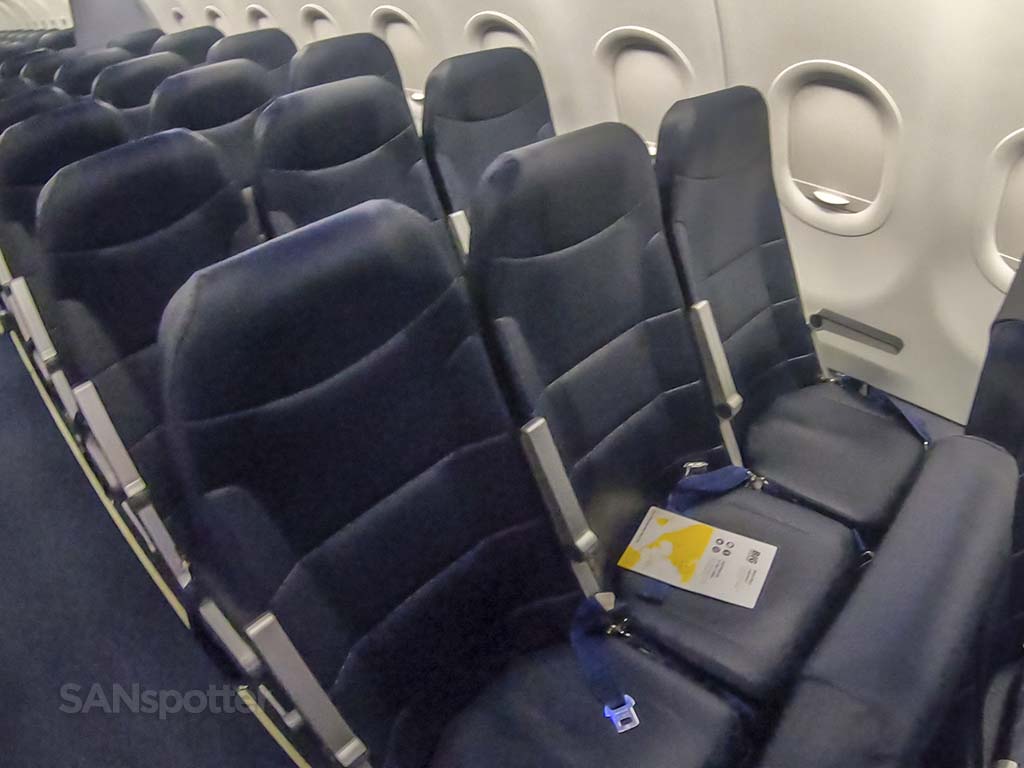
Spirit has introduced “The Big Front Seat,” a premium seating option that provides more comfort without the traditional “first-class” price tag. This is a subtle shift in brand strategy—moving from “lowest price at all costs” to “best value for the savvy traveler.” By offering a tier of comfort, Spirit is attempting to bridge the gap between its ULCC roots and the expectations of a broader demographic.
The Reliability Push
Brand reputation is ultimately built on consistency. Recognizing that operational failures were the primary driver of negative sentiment, Spirit has invested heavily in its fleet and scheduling. When an airline becomes consistently reliable, its “bad” reputation eventually loses its sting. For Spirit, the path to a better reputation isn’t necessarily through better snacks; it’s through a more reliable schedule.
The reputation of Spirit Airlines is a complex tapestry woven from economic necessity, bold marketing, and the inherent stresses of modern travel. While it may remain a punchline for late-night comedians, its brand strategy is a masterclass in market positioning. It serves as a reminder that in the world of branding, you don’t have to be liked to be successful—you just have to be clear about who you are and what you offer. For Spirit, that means being the unapologetic, yellow-clad disruptor of the American skies.
aViewFromTheCave is a participant in the Amazon Services LLC Associates Program, an affiliate advertising program designed to provide a means for sites to earn advertising fees by advertising and linking to Amazon.com. Amazon, the Amazon logo, AmazonSupply, and the AmazonSupply logo are trademarks of Amazon.com, Inc. or its affiliates. As an Amazon Associate we earn affiliate commissions from qualifying purchases.