
Understanding why a transaction on a financial tool like Cash App might show a “pending” status is crucial for effective personal finance management. While the convenience of digital payments often implies instantaneous transfers, several factors can introduce delays, leading to a temporary holding pattern for your funds. These delays are not merely technical glitches; they often stem from intricate financial protocols, security measures, and the operational specifics of both the payment platform and the underlying banking system. Navigating these pending statuses requires insight into the transaction lifecycle and proactive financial planning to avoid disruptions to your cash flow.
Unpacking the Lifecycle of a Digital Transaction
A seemingly simple action of sending or receiving money via Cash App triggers a complex series of events. When your transaction is marked “pending,” it’s caught somewhere in this multi-stage process, awaiting final clearance.
The Initiation and Authorization Phase
When you initiate a payment, Cash App first verifies that you have sufficient funds or a linked bank account/card with the necessary balance. It also performs an initial check for common errors like incorrect recipient details. If these initial checks pass, the transaction is authorized, meaning Cash App has reserved the funds or initiated the request to your linked financial institution. At this point, the funds might appear deducted from your account balance, but they haven’t yet reached the recipient.
Backend Processing and Security Protocols
Following authorization, the transaction enters a processing phase. This stage involves communication between Cash App, your bank, and the recipient’s bank. It’s during this critical period that various security protocols are enforced. Automated systems scan for suspicious activity, potential fraud, or compliance issues (e.g., anti-money laundering regulations). Furthermore, transaction details are routed through payment networks, which can involve multiple intermediaries. This intricate dance of data exchange and verification is often where the “pending” status truly manifests, as different parties work to confirm the legitimacy and integrity of the transfer before funds are released.
Final Settlement and Fund Availability
The final stage is settlement, where the actual transfer of funds occurs between the financial institutions. Once all checks are cleared and the banks confirm the transfer, the funds are officially credited to the recipient’s Cash App balance or linked bank account. Only at this point is the transaction considered complete, and the “pending” status is resolved. The speed of this entire process can vary significantly, often influenced by the time of day, weekend and holiday banking schedules, and the specific policies of the financial institutions involved.
Common Financial and Operational Reasons for Pending Transactions
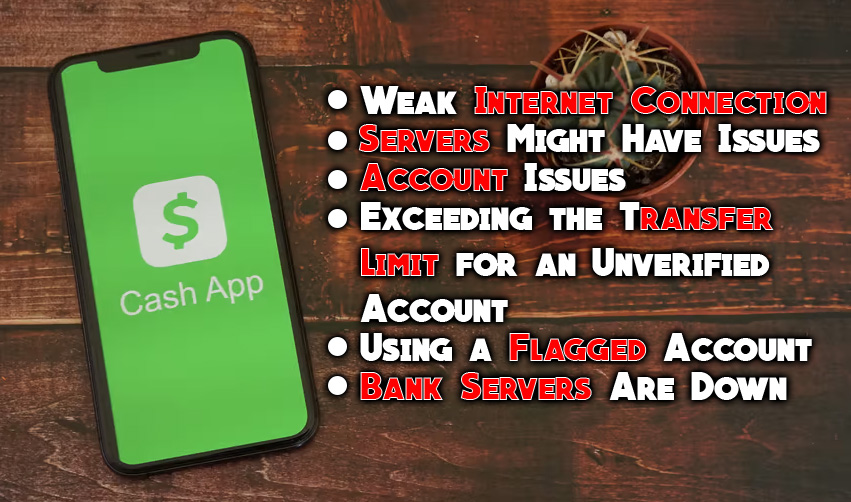
Several factors, both internal to Cash App and external within the broader financial ecosystem, can cause a transaction to remain in a pending state. Understanding these can help manage expectations and identify potential issues.
Bank Processing Times and Network Delays
One of the most frequent reasons for pending status involves the traditional banking system. While Cash App aims for instant transfers, the underlying process still relies on banks. Banks have specific operating hours, and transfers initiated outside these hours (even digital ones) or on weekends/holidays may not be processed until the next business day. Furthermore, interbank transfers sometimes pass through various clearing networks, each with its own processing schedule, leading to delays.
Security Holds and Verification Checks
Cash App, like all financial tools, employs robust security measures to protect users from fraud and unauthorized access. If a transaction triggers an anomaly detection system – perhaps due to an unusually large amount, an unfamiliar recipient, a new device, or a departure from typical spending patterns – it may be temporarily held for review. This security hold allows Cash App to verify the transaction’s legitimacy, often requiring the user to confirm their identity or the payment details. While inconvenient, these checks are vital for safeguarding your financial assets.
Insufficient Funds or Account Issues
A pending transaction can sometimes indicate a problem with the funding source. If you attempt to send money from a linked bank account or debit card that has insufficient funds, the transaction may initially appear pending while Cash App attempts to re-verify the balance or waits for your bank to confirm the availability of funds. Similarly, if your linked bank account has other issues, such as being frozen, closed, or having exceeded daily transaction limits, it can lead to a pending state until resolved.
Incorrect Recipient Details
Accuracy is paramount in financial transactions. If the recipient’s Cashtag, phone number, or email address is entered incorrectly, the transaction might pend while the system attempts to resolve the discrepancy or may eventually fail. While Cash App often has checks for obvious mismatches, subtle errors can lead to a transaction being held until it either times out or is manually corrected/canceled.
High Transaction Volume or System Maintenance
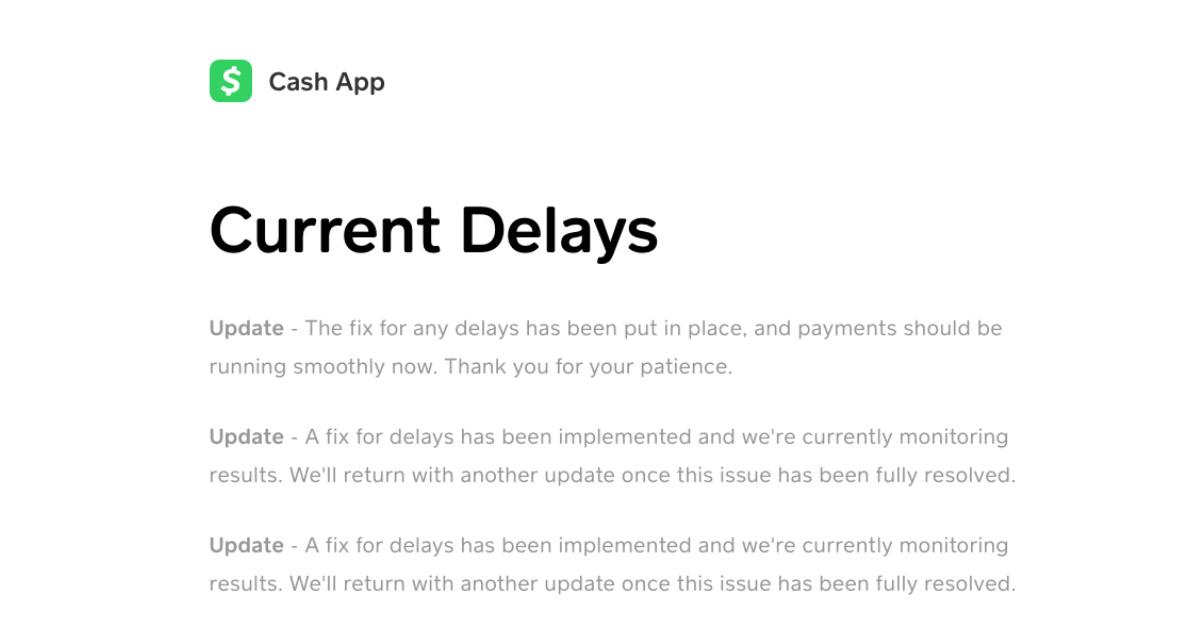
Occasionally, Cash App itself might experience high transaction volumes during peak times, which can slow down processing. Less frequently, scheduled or unscheduled system maintenance can temporarily impact transaction speeds. While Cash App systems are designed for resilience, any complex digital platform can encounter moments where processing efficiency is temporarily affected, leading to pending statuses for a segment of transactions.
Regulatory Compliance and Transaction Limits
Financial regulators impose strict rules on money transfer services, including reporting requirements for large transactions and restrictions on certain types of payments. If a transaction approaches or exceeds certain thresholds, it might trigger additional review for compliance purposes. Similarly, Cash App has its own daily, weekly, or monthly sending/receiving limits, especially for unverified accounts. Attempting to send an amount exceeding these limits can cause the transaction to pend while the system assesses compliance or prompts for identity verification.
The Financial Impact of Pending Transactions
Beyond the inconvenience, pending transactions can have tangible financial consequences, particularly for individuals or businesses relying on timely fund transfers.
Disruption to Budgeting and Cash Flow
For those operating on tight budgets or managing daily cash flow, a pending transaction can throw financial plans into disarray. Funds that were expected to be available may be inaccessible, potentially delaying bill payments, affecting daily spending, or even leading to missed financial obligations. This necessitates careful reconciliation and a buffer in your finances to absorb such unforeseen delays.
Risk of Overdrafts and Late Fees
If a pending transaction is linked to a bank account with a low balance, and other payments are scheduled, the delay could inadvertently lead to an overdraft if the expected funds don’t clear in time. Similarly, if you’re awaiting funds to pay a bill, and the transfer remains pending, you could incur late fees from creditors, impacting your credit score or financial standing. It underscores the importance of not relying solely on pending funds for critical financial commitments.
Uncertainty in Business Operations
For small businesses or freelancers who use Cash App for client payments, pending transactions can create operational headaches. Delays in receiving payments can impact inventory purchases, payroll, or other critical business expenses, potentially disrupting supplier relationships or service delivery. Clear communication with clients about potential payment processing times becomes essential.
Proactive Steps and Troubleshooting for Pending Funds
While some reasons for pending transactions are beyond your control, there are several steps you can take to mitigate risks and troubleshoot effectively.
Verify All Details Before Sending
Before hitting “send,” meticulously double-check the recipient’s Cashtag, phone number, or email. Confirm the amount, and if possible, cross-reference with the recipient. This simple act can prevent many errors that lead to pending transactions or irreversible misdirected funds.
Maintain Account Health and Verification
Ensure your Cash App account is fully verified by linking your bank account and verifying your identity. Verified accounts often have higher transaction limits and may experience fewer security holds, streamlining your financial transactions. Regularly review your linked payment methods to ensure they are current and active.
Monitor Transaction Status Regularly
After initiating a transaction, regularly check its status within the Cash App. If it remains pending for an unusual duration, reviewing the transaction details for any error messages or alerts is the first step. Understanding the expected processing times for different types of transactions (e.g., standard vs. instant) can help set realistic expectations.
Contact Cash App Support When Necessary
If a transaction remains pending for an extended period (beyond the typical 1-3 business days for bank transfers) and you cannot identify the cause, contact Cash App support. Provide them with the transaction details, including the amount, date, and recipient. They can often provide specific insights into the hold and guide you on necessary steps for resolution. Be prepared to provide additional verification information to ensure your account security.
Consider Alternative Payment Methods for Time-Sensitive Transfers
For critical or time-sensitive payments, always have a backup payment method. While Cash App is generally reliable, unexpected pending statuses can occur. Using direct bank transfers, wire transfers, or other established financial tools for urgent payments can provide an alternative if Cash App experiences delays. Factor in the potential for delays in your financial planning, especially for large sums or payments due on specific dates.
By understanding the mechanics behind Cash App’s “pending” status and adopting proactive financial habits, you can better manage your digital transactions, minimize disruptions, and maintain more effective control over your personal and business finances.
aViewFromTheCave is a participant in the Amazon Services LLC Associates Program, an affiliate advertising program designed to provide a means for sites to earn advertising fees by advertising and linking to Amazon.com. Amazon, the Amazon logo, AmazonSupply, and the AmazonSupply logo are trademarks of Amazon.com, Inc. or its affiliates. As an Amazon Associate we earn affiliate commissions from qualifying purchases.