
For many taxpayers, the annual ritual of filing taxes is often accompanied by a distinct sense of dread. Beyond the complexities of tax codes and the scramble for documents, there’s the question of cost, particularly when opting for professional assistance. H&R Block, as one of the most recognizable names in tax preparation, frequently prompts the query: why do they charge so much? This isn’t a simple question with a single answer; rather, H&R Block’s pricing structure is a complex interplay of service models, value propositions, operational overheads, and market positioning. Understanding these elements is crucial for any individual or business looking to make informed financial decisions about their tax preparation.
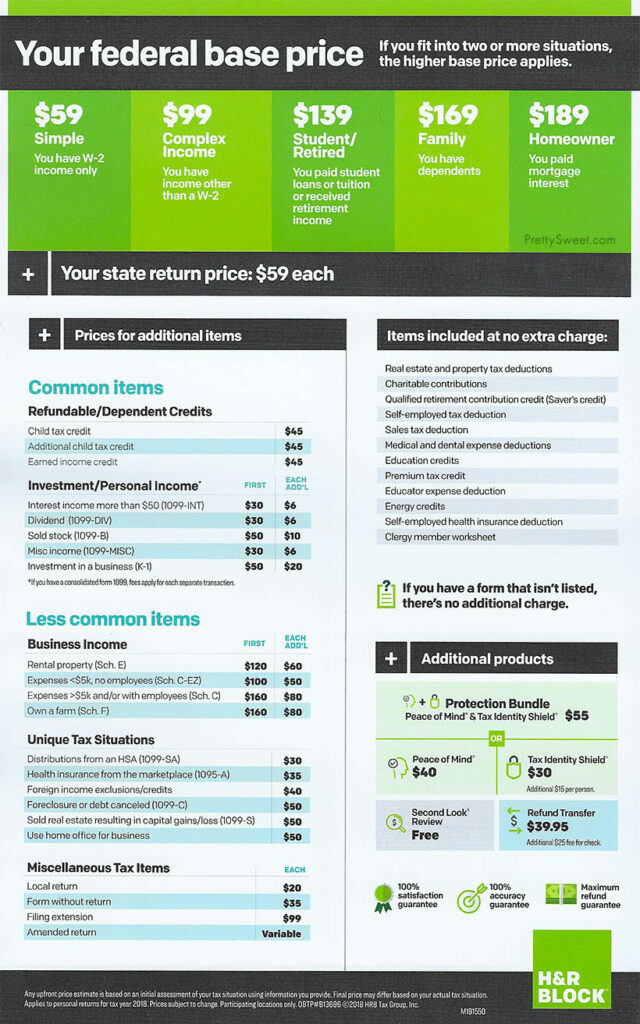
In an increasingly competitive landscape, where free online filing options abound, H&R Block continues to command a significant market share. Their pricing reflects not just the act of filling out forms, but a comprehensive suite of services designed to provide accuracy, convenience, and peace of mind. By delving into the various facets of their business, we can unpack the reasons behind their fees and evaluate the true value proposition they offer to millions of taxpayers each year.
Unpacking H&R Block’s Diverse Service Models
H&R Block doesn’t offer a one-size-fits-all solution, and neither does its pricing. Their fees are intricately tied to the level of service, complexity of the tax situation, and the expertise required to accurately file a return. This multi-tiered approach allows them to cater to a broad spectrum of clients, from those with simple W-2s to individuals and businesses with intricate financial profiles.
DIY Online Options: Complexity-Based Pricing
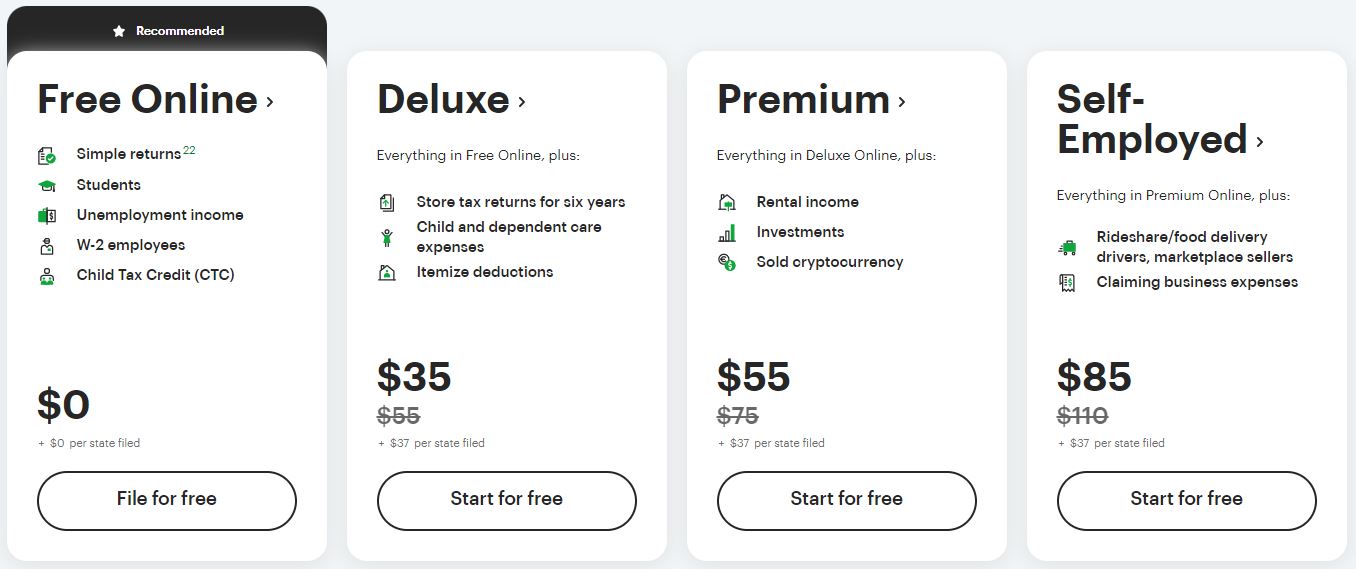
At its most basic, H&R Block provides online do-it-yourself (DIY) tax software, which competes directly with platforms like TurboTax. These online offerings typically start with a free option for very simple returns (e.g., W-2 income, standard deduction) and progressively increase in cost as the tax situation becomes more complex.
- Free Tiers: Designed for basic filers, these tiers often cover federal and state returns for straightforward income and deductions. They serve as a loss leader, drawing in users who might upgrade later or return in future years.
- Paid Tiers (Deluxe, Premium, Self-Employed): As you add investments, rental properties, business income, itemized deductions, or other complex forms (like Schedule C for self-employment), the cost escalates. Each tier unlocks additional forms, guidance, and often includes features like chat support or audit assistance. The pricing here reflects the development and maintenance of sophisticated software, algorithms, and compliance with ever-changing tax laws. Users are paying for the tool itself, which guides them through the process, checks for errors, and helps optimize their return.
In-Person Tax Preparation: The Premium for Professional Expertise
The most visible and often most expensive service H&R Block offers is in-person tax preparation with a professional tax preparer. This is where the perception of “charging so much” often originates, as these fees can be significantly higher than online options. However, these charges are justified by several factors:
- Personalized Service: Clients meet directly with a tax professional who can ask clarifying questions, understand unique financial situations, and offer tailored advice. This human element is invaluable for those who feel overwhelmed by tax forms or have particularly complex circumstances.
- Expert Knowledge: H&R Block preparers undergo extensive training and certification. They possess current knowledge of federal and state tax laws, credits, and deductions. This expertise can translate into significant savings or avoid costly errors for clients, often paying for the service itself.
- Audit Support and Guarantees: Many in-person services come with robust audit support and guarantees against penalties or interest resulting from H&R Block’s error. This peace of mind is a significant part of the value proposition.
- Handling Complex Returns: For small business owners, freelancers, investors with diverse portfolios, or individuals with international income, the expertise of a professional is often indispensable. They can navigate intricate forms, identify obscure deductions, and ensure compliance.
Hybrid Models and Software Integrations
Recognizing the evolving needs of taxpayers, H&R Block has also introduced hybrid models that blend the convenience of online filing with professional oversight. Services like “Tax Pro Review” allow users to prepare their taxes online and then have a professional review the return before filing. This offers a middle ground, providing a layer of expert verification at a cost lower than full in-person preparation but higher than pure DIY. These hybrid models leverage technology and human expertise, reflecting costs associated with both.
The Value Proposition: What You’re Really Paying For
Beyond the direct service of filling out forms, H&R Block’s charges encapsulate a range of benefits and assurances that contribute to its perceived value, especially for those who view tax preparation as a daunting task.
Expertise and Accuracy: Minimizing Errors and Maximizing Returns
One of the primary reasons individuals and businesses turn to professional tax services is the assurance of accuracy. The U.S. tax code is notoriously complex, with thousands of pages of rules and frequent changes.
- Error Prevention: A professional preparer or robust software significantly reduces the likelihood of costly errors, which can lead to audits, penalties, and interest charges. The cost of professional help can often be less than the potential penalties from a mistake.
- Optimizing Deductions and Credits: Experts are adept at identifying every eligible deduction and credit, ensuring clients don’t overpay their taxes. This proactive approach can often offset a significant portion, if not all, of the preparation fee. For businesses, this can mean a substantial impact on profitability.
- Staying Current: Tax laws change annually. H&R Block invests heavily in training its preparers and updating its software to reflect the latest legislation, ensuring compliance and maximizing taxpayer benefits.
Time Savings and Convenience
For many, time is money. Preparing taxes can be a time-consuming and frustrating endeavor, especially for those unfamiliar with the process or with complex financial situations.
- Reduced Stress: Offloading the responsibility to a professional or using intuitive software can significantly reduce the stress and anxiety associated with tax season.
- Efficiency: Professionals can typically complete a return much faster than an individual navigating the forms for the first time. This frees up valuable time for clients to focus on their work, family, or other priorities.
- Accessibility: With thousands of locations and accessible online platforms, H&R Block offers unparalleled convenience and availability across the country.
Audit Support and Guarantees
A significant concern for many taxpayers is the possibility of an audit. H&R Block understands this and incorporates various levels of audit support into its service offerings.
- Peace of Mind: Many of their paid services include guarantees that cover penalties and interest if an H&R Block error leads to an issue. Higher-tier services or in-person preparation often include representation during an audit, a service that can be extremely valuable and costly if sought independently.
- Tax Identity Shield: Some premium offerings include protection services that help restore identity in case of tax-related identity theft, an increasingly prevalent concern.
Year-Round Support and Financial Advice
For clients opting for more comprehensive services, particularly those with complex business or investment needs, H&R Block can offer more than just annual filing.
- Financial Planning Insights: Preparers might offer insights into tax planning strategies for the upcoming year, helping clients make informed financial decisions regarding investments, retirement, or business expansions.
- Ongoing Consultation: Some plans provide access to tax professionals throughout the year, allowing clients to ask questions or seek advice outside of tax season.
Operational Overheads and Business Costs
Like any large corporation, H&R Block incurs substantial operational costs that are factored into its pricing. These expenditures are necessary to maintain its market presence, ensure service quality, and innovate.
Extensive Network of Physical Locations
H&R Block operates thousands of physical offices across the United States. Maintaining this extensive brick-and-mortar footprint involves significant costs:
- Rent and Utilities: Lease payments, electricity, heating, and cooling for thousands of offices.
- Infrastructure: Furniture, equipment, computer systems, and network connectivity for each location.
- Seasonal Staffing: While some staff are year-round, tax season requires a massive influx of seasonal employees, including preparers and administrative staff. Training, onboarding, and payroll for this temporary workforce are substantial expenses.

Marketing, Advertising, and Brand Recognition
H&R Block invests heavily in marketing and advertising to maintain its brand visibility and attract new clients.
- Aggressive Campaigns: From television commercials to online ads and sponsorships, these campaigns are designed to reinforce their brand as a trusted name in tax preparation.
- Brand Equity: The trust and recognition built over decades are valuable assets that allow them to command premium pricing. Maintaining this equity requires continuous investment.
Technology Development and Data Security
In the digital age, technology is central to H&R Block’s operations, both for its online platforms and internal systems.
- Software Development: Continual investment in developing, updating, and maintaining its online tax software, ensuring it is user-friendly, compliant, and feature-rich.
- Cybersecurity: Protecting sensitive client financial data is paramount. H&R Block must invest heavily in robust cybersecurity measures, data encryption, and compliance with data privacy regulations. This includes infrastructure, software, and dedicated security teams.
- AI and Automation: Exploring and integrating advanced technologies to streamline processes, improve accuracy, and enhance the client experience also contributes to technological overhead.
Employee Training and Compensation
The quality of H&R Block’s service largely depends on the expertise of its tax professionals.
- Extensive Training: All preparers, especially those in brick-and-mortar offices, undergo rigorous training programs to ensure they are up-to-date with tax laws and proficient in H&R Block’s systems. This training is an ongoing expense.
- Compensation and Benefits: Employing thousands of professionals, even seasonally, involves substantial payroll, benefits, and administrative costs. Highly skilled preparers command competitive salaries.
Market Positioning and Competitive Landscape
H&R Block operates within a diverse and competitive market, influencing its pricing strategies as it seeks to differentiate itself from free alternatives, other software providers, and independent CPAs.
Differentiating from Free/Low-Cost Alternatives
The existence of free tax filing options (e.g., FreeTaxUSA, IRS Free File program) and cheaper online software (like TurboTax’s free tiers) forces H&R Block to continually justify its higher price points. They achieve this by emphasizing:
- Enhanced Features: More robust error checking, dedicated support channels, and access to more complex forms.
- Guarantees and Support: The added security of audit assistance and guarantees against errors.
- Human Touch: The option for in-person consultation which free services simply cannot offer.
Competing with CPAs and Independent Tax Preparers
On the other end of the spectrum, H&R Block competes with Certified Public Accountants (CPAs) and smaller, independent tax preparation firms. While a CPA might charge more, especially for complex business or high-net-worth individual returns, H&R Block aims to offer:
- Convenience and Accessibility: A standardized, reliable service across thousands of locations.
- Brand Trust: The comfort of dealing with a nationally recognized brand rather than a potentially unknown independent preparer.
- Standardized Pricing: Often more transparent and predictable pricing compared to some independent preparers who might have more variable rates.
The Psychology of Pricing and Perceived Value
Pricing isn’t just about cost; it’s also about perceived value. H&R Block positions itself as a premium service provider in many segments, leveraging its brand recognition and perceived reliability. Many clients are willing to pay more for the assurance that their taxes are handled correctly, to save time, and to have access to expert advice and support. This psychological aspect plays a significant role in their pricing strategy.
Strategies for Managing Your Tax Preparation Costs
While H&R Block’s charges are understandable given their service model, taxpayers can employ strategies to manage their costs effectively.
Assessing Your Tax Complexity
Before choosing a service, accurately assess the complexity of your tax situation.
- Simple Returns: If you only have W-2 income, no dependents, and take the standard deduction, you likely qualify for free online filing options, including H&R Block’s free tier.
- Moderate Complexity: If you have itemized deductions, investments, or a simple side gig, a paid online software package (Deluxe or Premium) might suffice.
- High Complexity: For small business owners, real estate investors, or those with significant varied income streams, professional in-person assistance might be a worthwhile investment.
Leveraging Free Resources and Software
Explore the truly free options available. The IRS Free File program, for instance, allows eligible taxpayers to file federal returns for free using partner software. Many state tax departments also offer free filing options. If your situation allows, these can eliminate preparation costs entirely.
Comparing Services and Prices Annually
Tax situations can change, and so can pricing models. Don’t blindly return to the same service provider each year without reviewing your options.
- Shop Around: Compare H&R Block’s online and in-person prices with competitors like TurboTax, TaxAct, and local CPAs.
- Review Features: Ensure you’re not paying for features or support you don’t need, or conversely, that you’re getting all the necessary assistance for your situation.
Keeping Meticulous Records
The better organized your financial records are throughout the year, the less time a professional preparer will need to spend sorting through them. This can translate to lower fees, especially for services billed by the hour or those that charge extra for disorganized records. Using budgeting apps or financial software can help streamline this process.
Ultimately, H&R Block’s pricing reflects a multifaceted business model that balances accessible technology with personalized human expertise. While the costs might seem high to some, they represent an investment in accuracy, convenience, peace of mind, and the comprehensive support network that a market leader provides. By understanding what drives these charges and evaluating your own financial needs, you can make a fiscally responsible choice for your annual tax filing.
aViewFromTheCave is a participant in the Amazon Services LLC Associates Program, an affiliate advertising program designed to provide a means for sites to earn advertising fees by advertising and linking to Amazon.com. Amazon, the Amazon logo, AmazonSupply, and the AmazonSupply logo are trademarks of Amazon.com, Inc. or its affiliates. As an Amazon Associate we earn affiliate commissions from qualifying purchases.