
In the dynamic and often opaque world of cryptocurrency, choosing the right platform can significantly impact an investor’s financial journey. Crypto.com has emerged as a prominent player, celebrated for its extensive ecosystem, user-friendly interface, and ambitious marketing campaigns. However, a common observation among both novice and experienced users is the perception of “higher prices” when transacting on the platform. This isn’t merely anecdotal; it’s a financial reality rooted in Crypto.com’s operational model, value proposition, and the broader economic forces at play within the digital asset market. For any investor, understanding these underlying cost structures is paramount to making informed financial decisions, optimizing returns, and navigating the complexities of crypto investing effectively. This article delves into the multifaceted reasons behind Crypto.com’s pricing, dissecting the factors that contribute to its perceived higher costs and exploring how these relate to the value it offers to its users.
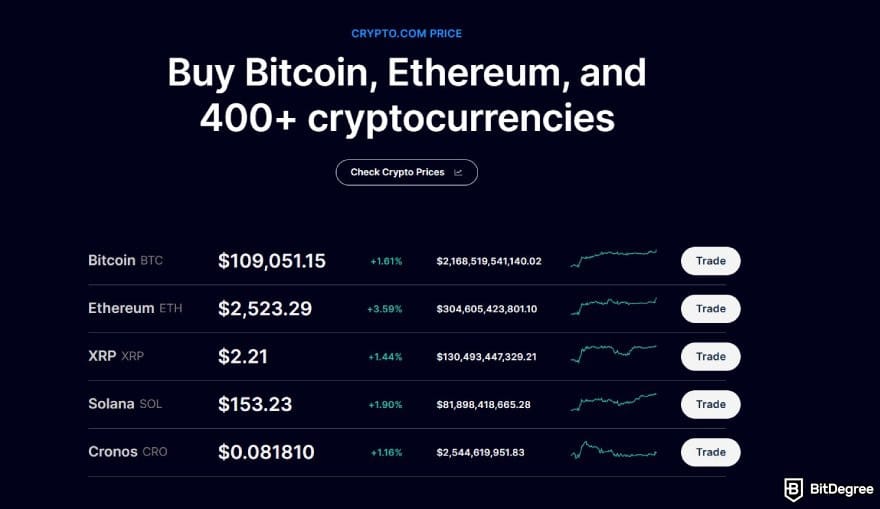
Understanding the Crypto.com Cost Structure
The “higher prices” on Crypto.com are not always a straightforward fee, but often a blend of various charges and mechanisms inherent to its platform design. For investors, recognizing these different components is the first step towards a financially savvy approach.
The Concept of Spread: The Invisible Cost
One of the primary drivers of what users perceive as higher prices on the Crypto.com App is the spread. Unlike traditional exchanges that prominently display maker/taker fees, the Crypto.com App often incorporates its profit margin directly into the buy and sell prices it offers. The spread is the difference between the bid (sell) price and the ask (buy) price for a cryptocurrency. When you buy crypto, you pay the ask price, which is slightly higher than the prevailing market price, and when you sell, you receive the bid price, which is slightly lower.
This mechanism is particularly noticeable for popular trading pairs and fiat-to-crypto conversions. While it simplifies the user experience by presenting a single “price” rather than a separate asset price and a fee, it means the effective cost of your transaction is embedded within that price difference. For instance, if Bitcoin’s market price is $50,000, Crypto.com might offer to sell it to you at $50,250 and buy it from you at $49,750, indicating a spread that benefits the platform. This model is common among brokerage services, where convenience and simplicity are prioritized over displaying complex order books and fee schedules.
Explicit Fees and Hidden Charges
While spread is often the largest component, Crypto.com also charges various explicit fees that accumulate, contributing to the overall cost for investors.
-
Credit/Debit Card Purchase Fees: When users opt to buy cryptocurrencies directly with a credit or debit card, Crypto.com typically levies a percentage-based fee (e.g., 2.99% or higher in some regions). While convenient, this is a significant additional cost compared to funding an account via bank transfer.
-
Withdrawal Fees: Moving cryptocurrencies off the Crypto.com platform to an external wallet or another exchange incurs withdrawal fees. These fees vary by cryptocurrency and are designed to cover the blockchain network transaction fees (gas fees) as well as a small administrative charge from Crypto.com. While necessary, they add to the total cost of ownership, especially for frequent withdrawals or small amounts.
-
Fiat Withdrawal Fees: Withdrawing fiat currency (e.g., USD, EUR) back to a bank account can also incur fees, depending on the currency, amount, and region. These charges reflect the banking infrastructure and processing costs involved in traditional money transfers.
-
Blockchain Network Fees (Gas Fees): Although often passed through, these are inherent costs of transacting on decentralized networks. For ERC-20 tokens or other high-traffic blockchains, these “gas fees” can be substantial and are ultimately borne by the user, regardless of whether Crypto.com directly profits from them.
These explicit fees, when combined with the spread, paint a clearer picture of why the total cost of transacting on Crypto.com can appear higher than on platforms with different pricing models.
Dynamic Pricing and Liquidity
The effective price users encounter on Crypto.com is also influenced by market liquidity and dynamic pricing algorithms. In volatile markets or during periods of low liquidity for a specific asset, the spread can widen significantly. This is because Crypto.com needs to source the requested crypto from its liquidity providers, and if liquidity is scarce, the cost to acquire or sell that asset increases, which is then passed on to the user. For larger transactions, the impact of spread and dynamic pricing can be even more pronounced, as filling a substantial order might require accessing deeper and potentially more expensive liquidity pools. Understanding that prices are not static but react to market conditions and order size is crucial for investors.
The Value Proposition: What Justifies the Premium?
The perception of higher prices on Crypto.com is often counterbalanced by a robust value proposition that attracts millions of users worldwide. These value-added services and operational commitments contribute to the platform’s overall costs, which are then reflected in its pricing model.
Security and Regulatory Compliance
Crypto.com has made substantial investments in security infrastructure and regulatory compliance, positioning itself as a trustworthy and secure platform—a critical factor for any financial endeavor.
-
Robust Security Measures: The platform employs industry-leading security protocols, including multi-factor authentication, cold storage for customer funds, and advanced encryption. It has also obtained various security certifications (e.g., ISO/IEC 27001, ISO/IEC 27701). Maintaining such stringent security requires significant ongoing investment in technology, personnel, and auditing, costs that must be covered.
-
Regulatory Adherence: Operating globally means navigating a complex web of financial regulations across numerous jurisdictions. Crypto.com invests heavily in legal and compliance teams to meet KYC (Know Your Customer) and AML (Anti-Money Laundering) requirements, obtain necessary licenses, and adapt to evolving regulatory landscapes. This commitment to compliance, while costly, provides users with a layer of protection and legitimacy that not all crypto platforms offer, making it a safer financial haven.
-
Insurance Coverage: Crypto.com holds substantial insurance policies for cold storage assets, providing an added layer of financial security for user funds against certain types of incidents. This insurance coverage is a significant operational expense that offers immense peace of mind to investors.
These investments in security and compliance reduce financial risk for users, a premium service that naturally comes with a cost.
Ecosystem and Product Diversity
Beyond simple buying and selling, Crypto.com offers an expansive ecosystem of financial products and services. Maintaining and continually developing this diverse suite requires significant resources, influencing its overall pricing strategy.
-
The Crypto.com App & Exchange: Two distinct platforms catering to different user needs (brokerage vs. advanced trading).
-
Crypto.com Visa Card: A globally accepted prepaid card that allows users to spend crypto in everyday transactions, offering cashback rewards in CRO. Developing and maintaining the infrastructure for a global card program involves partnerships, compliance, and ongoing operational costs.
-
Crypto Earn: A feature allowing users to earn interest on their cryptocurrency holdings, similar to a savings account.
-
DeFi Wallet: A non-custodial wallet providing users full control over their private keys and access to decentralized finance (DeFi) applications.
-
NFT Platform, Crypto.com Pay, and Supercharger: Further extending its utility into NFTs, merchant payments, and liquidity mining.
The sheer breadth of services means Crypto.com is not just a crypto exchange but a comprehensive digital finance platform. The operational costs associated with developing, integrating, and supporting this vast ecosystem are substantial and are, in part, covered by the fees and spreads users pay. Investors benefit from the convenience of having multiple financial tools under one roof, eliminating the need to use separate platforms for different crypto-related activities.
Accessibility and User Experience
Crypto.com places a high emphasis on user experience, particularly for individuals new to cryptocurrency. Its intuitive app design, streamlined onboarding process, and accessible customer support contribute to its “premium” feel.
-
User-Friendly Interface: The main Crypto.com App is designed for simplicity, making it easy for beginners to navigate, buy, and sell cryptocurrencies without needing to understand complex trading jargon or order books.
-
Global Accessibility: Crypto.com supports a wide range of fiat currencies and payment methods, making it accessible to a global audience. This extensive integration involves significant operational and partnership costs.
-
Customer Support: Providing responsive and effective customer support across multiple channels and languages is an expensive but crucial service that enhances user trust and satisfaction.
This commitment to accessibility and a seamless user experience lowers the barrier to entry for new investors, effectively offering a premium, guided entry into the crypto market. For many, the value of ease of use and reduced learning curve outweighs the marginally higher costs.
Comparison with Competitors: Deconstructing Market Differences
To fully grasp why Crypto.com’s prices may seem higher, it’s essential to compare its model with other players in the cryptocurrency market. Different platforms cater to different segments of investors and employ varied pricing strategies.
Exchange vs. Brokerage Model
A fundamental distinction lies in whether a platform operates primarily as an exchange or a brokerage.
-
Crypto.com App (Brokerage Model): The main Crypto.com App functions largely as a brokerage service. When you buy crypto, you are essentially buying it directly from Crypto.com at a pre-determined price that includes their margin (the spread). This simplifies the process for users but often comes with a wider spread compared to an exchange where you trade directly with other users. It’s akin to buying foreign currency at a bank versus directly from another individual.
-
Crypto.com Exchange (Exchange Model): For more experienced users, Crypto.com also offers a separate “Crypto.com Exchange” platform. This operates more like a traditional exchange, featuring an order book, maker/taker fees, and often tighter spreads. The fees here are generally lower than on the App, but the interface is more complex. Many competitors like Binance, Kraken, and Coinbase Pro primarily operate on this exchange model, charging explicit, volume-tiered maker/taker fees.
The higher prices on the Crypto.com App are therefore partly a consequence of its brokerage model, designed for convenience and simplicity, which naturally incorporates a higher embedded cost.
Fee Structures of Alternative Platforms
Competitors typically utilize explicit fee structures, which can appear lower on the surface but require users to understand trading mechanics.
-
Maker/Taker Fees: Platforms like Binance, Kraken, and Coinbase Pro employ a maker/taker fee model. Taker fees are charged when an order immediately removes liquidity from the order book (e.g., a market order), while maker fees are for orders that add liquidity (e.g., a limit order that waits to be filled). These fees are usually a low percentage (e.g., 0.1% to 0.5%) and often decrease with higher trading volumes or for users holding the platform’s native token.
-
Tiered Fees: Many exchanges also implement tiered fee structures, where fees decrease as a user’s 30-day trading volume increases. This benefits high-volume traders but might make initial transactions relatively more expensive for small-scale investors.
-
Subscription Models: Some platforms might explore subscription models or offer premium features for a recurring fee.
While these explicit fees can appear lower than Crypto.com’s combined spread and fees, the overall cost depends on trading frequency, volume, and the complexity a user is willing to manage. For a casual investor making infrequent, small purchases, the simplicity of Crypto.com’s pricing might still offer value despite the higher implicit costs.
The Role of Geographic Reach and Fiat On/Off-Ramps
Crypto.com’s global ambition and extensive support for various fiat currencies and payment methods contribute to its operational complexity and, consequently, its costs.
-
Multi-Jurisdictional Operations: Operating in numerous countries with diverse regulatory requirements is expensive. Each new market entry requires significant legal, compliance, and technological adaptation.
-
Fiat On/Off-Ramp Infrastructure: Supporting dozens of fiat currencies for deposits and withdrawals, integrating with various banking partners, and processing different payment methods (SEPA, SWIFT, ACH, credit cards) involves substantial financial and technical overhead. This convenience of easily converting local currency to crypto and vice-versa is a premium feature that costs money to maintain.
Competitors that focus on fewer markets or offer fewer fiat gateways might have lower operational costs, allowing them to pass on some savings in the form of lower fees. Crypto.com’s comprehensive global financial infrastructure is a key differentiator but also a significant cost driver.
Strategies for Minimizing Costs on Crypto.com
For investors committed to using Crypto.com, several strategies can help mitigate the perceived higher costs and optimize their financial outcomes.
Utilizing the Crypto.com Exchange (if available)
The most effective way to reduce costs for active traders is to migrate from the main Crypto.com App to the Crypto.com Exchange. The Exchange platform offers significantly lower explicit maker/taker fees and generally tighter spreads due to its order book model. This requires a slightly steeper learning curve but is financially beneficial for anyone making frequent or larger transactions. Funds can be transferred seamlessly between the App and the Exchange, making this a viable strategy for cost-conscious investors.
Leverage CRO Staking and Loyalty Programs
Crypto.com Coin (CRO) is central to the platform’s ecosystem, and staking CRO can unlock various benefits that effectively reduce transaction costs.
-
Fee Reductions: Staking CRO on the Crypto.com Exchange can lower your maker/taker fees, making trading more economical.
-
Higher Earn Rates: Staking CRO can boost the interest rates you earn on other cryptocurrencies via Crypto Earn, enhancing passive income.
-
Visa Card Benefits: Tiers of CRO staking for the Crypto.com Visa Card offer higher cashback percentages, reimbursement for streaming services, and lounge access, providing significant financial value that offsets transaction costs elsewhere.
By participating in these loyalty programs, investors can reduce their net expenses and extract more value from the platform.
Strategic Timing and Transaction Sizing
Understanding market dynamics can also help. During periods of high liquidity, spreads tend to be tighter. Conversely, during low liquidity, spreads widen. Executing trades when the market is active can lead to better effective prices. Additionally, while small transactions might be convenient, the impact of spread can be relatively higher. For larger amounts, considering using the Exchange is almost always more cost-effective. Batching smaller transactions into larger ones, where feasible, might also reduce the cumulative impact of fixed withdrawal fees.
Understanding Fiat On/Off-Ramp Options
Always review the different fiat deposit and withdrawal options available in your region. Bank transfers (e.g., ACH, SEPA) are almost always more cost-effective for funding your account than credit/debit card purchases, which incur significant processing fees. Similarly, understanding the withdrawal fees for various fiat currencies and methods can help you choose the cheapest way to off-ramp your funds.
The Long-Term Financial Perspective
Ultimately, understanding Crypto.com’s pricing strategy requires a holistic, long-term financial perspective that balances explicit costs against intangible benefits.
Balancing Cost vs. Convenience and Features
For many users, especially those new to crypto, the convenience, security, and broad ecosystem of Crypto.com justify the slightly higher transaction costs. The platform abstracts away much of the complexity, offering a streamlined experience that minimizes the learning curve and potential for costly errors. Investors must evaluate whether the time saved, the peace of mind from enhanced security, and the integrated financial services are worth the premium compared to managing assets across multiple, potentially cheaper but more complex, platforms. This is a personal financial decision based on individual needs, experience, and risk tolerance.
The Total Cost of Ownership in Crypto Investing
The total cost of crypto investing extends beyond just transaction fees. It includes the cost of security breaches (if a platform is compromised), the opportunity cost of missed trades due to a confusing interface, the time spent managing multiple wallets and exchanges, and the peace of mind derived from regulatory compliance. Crypto.com’s pricing reflects its investment in reducing these less obvious but equally significant “costs” for its users. Its comprehensive approach aims to provide a secure, convenient, and feature-rich environment, even if it means higher direct transaction expenses.
Future Outlook for Crypto.com’s Pricing
As the cryptocurrency market matures and competition intensifies, Crypto.com’s pricing strategy may evolve. Increased competition often leads to downward pressure on fees. Furthermore, as Crypto.com continues to expand its user base and operational efficiencies improve, there could be opportunities to adjust its pricing models. However, its core value proposition of security, comprehensive services, and user-friendliness will likely remain central, meaning a certain level of “premium” pricing may persist to support these commitments. Investors should stay informed about platform updates and market developments to adapt their strategies accordingly.
In conclusion, Crypto.com’s “higher prices” are a multi-faceted phenomenon, stemming from its brokerage model, extensive security and regulatory investments, diverse product ecosystem, and commitment to a user-friendly experience. While explicit fees and spreads can be higher than some competitors, these costs often finance a comprehensive value proposition that includes convenience, security, and a broad suite of integrated financial services. For the financially savvy investor, understanding these dynamics allows for informed platform selection and the implementation of strategies to mitigate costs, ensuring their crypto journey is as efficient and profitable as possible.
aViewFromTheCave is a participant in the Amazon Services LLC Associates Program, an affiliate advertising program designed to provide a means for sites to earn advertising fees by advertising and linking to Amazon.com. Amazon, the Amazon logo, AmazonSupply, and the AmazonSupply logo are trademarks of Amazon.com, Inc. or its affiliates. As an Amazon Associate we earn affiliate commissions from qualifying purchases.