
In the intricate world of personal finance, one question frequently surfaces for millions of bank customers: “Why do I have to pay a monthly service fee?” For those banking with Chase, one of the largest financial institutions globally, understanding these charges is crucial. While seemingly a simple deduction from your account balance, these fees are multifaceted, reflecting the operational realities, regulatory demands, and service offerings of a major bank. Far from arbitrary, they underpin the extensive infrastructure, technology, and human capital required to manage countless transactions, secure your funds, and provide a vast array of financial services.

This article delves into the core reasons behind Chase’s monthly service fees, exploring the economic necessities that drive them, the specific charges tied to various account types, and, most importantly, actionable strategies you can employ to potentially avoid them. By understanding the ‘why’ behind these fees, you can make more informed financial decisions and optimize your banking relationship with Chase.
The Operational Realities Behind Bank Fees
Operating a financial institution the size and scope of Chase is an undertaking of immense complexity and cost. Banks are not merely digital repositories for your money; they are sophisticated enterprises that require constant investment, meticulous management, and adherence to stringent regulations. Monthly service fees are, in essence, a mechanism to help cover these foundational expenditures, ensuring the bank’s solvency, security, and ability to continue providing essential services.
Covering Operational Costs and Infrastructure
Imagine the sheer scale of Chase’s operations: thousands of physical branches, tens of thousands of ATMs, and millions of employees across numerous departments, from customer service and tellers to fraud prevention and financial advisors. Each of these components requires significant investment to build, maintain, and staff. Rent for physical locations, utilities, salaries, benefits, and ongoing maintenance of properties and equipment all contribute to a substantial overhead. The logistical challenge of moving money safely and efficiently across state lines and even internationally also adds to this cost. Monthly service fees contribute to sustaining this vast physical and human infrastructure that ensures your money is accessible, your transactions are processed, and your queries are answered.
Investment in Technology and Security
In the 21st century, banking is inseparable from technology. Chase invests billions annually in cutting-edge digital platforms, mobile banking apps, online portals, and the underlying IT infrastructure that powers every transaction. This includes sophisticated cybersecurity measures designed to protect your accounts from fraud, hacking, and identity theft—a non-negotiable expense in an age of ever-evolving cyber threats. Developing new features, ensuring seamless user experiences, and maintaining real-time transaction processing capabilities require an army of software engineers, IT specialists, and constant upgrades. These technological advancements, while offering convenience and enhanced security, come with a significant price tag that fees help offset.
Regulatory Compliance and Risk Management
Financial institutions like Chase operate under a labyrinth of federal and state regulations designed to protect consumers, prevent money laundering, and ensure the stability of the financial system. Complying with these regulations—such as Dodd-Frank, the Bank Secrecy Act, and various consumer protection laws—involves extensive legal, audit, and compliance departments, robust reporting systems, and continuous training. These regulatory burdens are substantial and costly. Furthermore, banks bear significant risk in lending money, managing investments, and facilitating complex financial products. Fees also contribute to building reserves and managing the inherent risks associated with these core banking functions, protecting both the bank and its customers from potential financial shocks.
Specific Chase Account Fees and Their Rationale
Chase offers a variety of checking and savings accounts, each designed to meet different customer needs. Correspondingly, the monthly service fees and the conditions for waiving them can vary significantly. Understanding these specifics is key to managing your banking costs.
Checking Account Service Fees
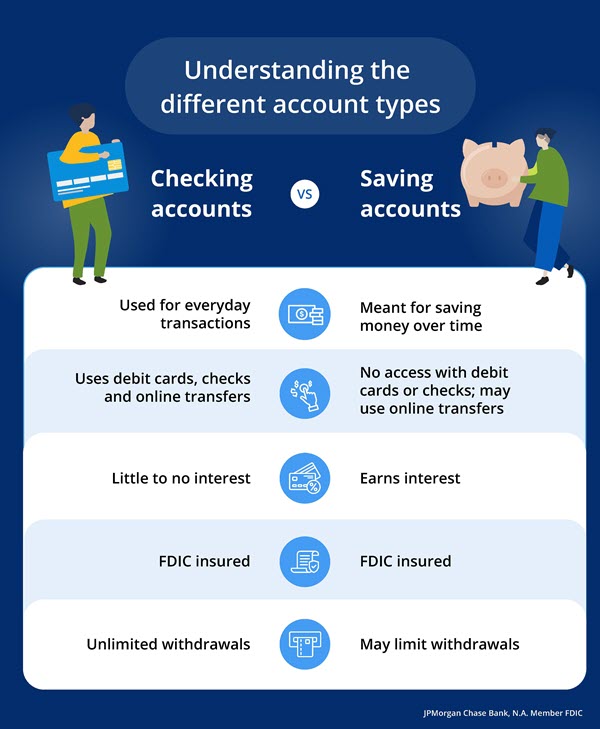
Checking accounts are the most commonly used banking product, facilitating daily transactions, bill payments, and direct deposits. Chase offers several checking options, such as Chase Total Checking®, Chase Premier Plus Checking℠, and Chase Sapphire℠ Checking.
-
Chase Total Checking®: This is often the most basic and widely held account. It typically carries a relatively modest monthly service fee. The rationale here is to cover the basic operational costs associated with maintaining the account, providing a debit card, offering online and mobile banking, and access to customer support and branches.
-
Chase Premier Plus Checking℠: This account typically has a higher monthly fee but offers additional benefits like no fees on certain services (e.g., money orders, cashier’s checks) and possibly higher interest rates on linked savings accounts. The increased fee reflects the enhanced features and value proposition.
-
Chase Sapphire℠ Checking: This is a premium checking account, often with a significantly higher monthly fee, but it comes with a wealth of exclusive benefits, including no ATM fees worldwide, no foreign exchange fees, dedicated customer service, and potentially investment benefits. The fee here is for the comprehensive, high-tier service package.
For all checking accounts, Chase provides clear conditions for waiving the monthly fee, which often include maintaining a minimum daily balance, setting up direct deposits totaling a specific amount, or having a certain aggregate balance across linked Chase accounts. These conditions encourage customers to consolidate their financial relationship with Chase, which in turn helps the bank with liquidity and cross-selling other financial products.
Savings Account Fees
While less common than checking account fees, some savings accounts may also incur a monthly service charge, especially if they are basic accounts without significant balances. The reasoning is similar to checking accounts: covering the administrative costs of maintaining the account, providing statements, and offering access to funds. However, Chase often makes it easier to waive savings account fees, typically through maintaining a minimum daily balance or by linking it to an eligible Chase checking account. This encourages customers to keep their savings within the bank and utilize multiple Chase products.
Other Common Chase Fees
Beyond monthly service charges, banks like Chase also levy fees for specific services or actions. These are generally transaction-based and are designed to cover the specific cost of the service or to discourage certain behaviors.
-
Overdraft Fees: Charged when you spend more money than you have in your account. This fee covers the administrative cost of processing the overdraft and the credit risk the bank takes by advancing you funds.
-
ATM Fees (Non-Chase ATMs): While Chase offers free access to its own extensive ATM network, using an out-of-network ATM often incurs a fee from both Chase and the ATM owner. This fee covers the cost of accessing other bank networks.
-
Wire Transfer Fees: Domestic and international wire transfers are secure, real-time methods of sending money. The fee covers the increased administrative and security protocols involved in ensuring these high-value transactions are executed correctly and safely.
-
Stop Payment Fees: If you need to stop payment on a check or an automated transaction, Chase charges a fee for the administrative effort required to process this request and ensure the payment is indeed halted.
Strategies to Avoid Chase Monthly Service Fees
One of the most empowering aspects of banking is that monthly service fees are rarely unavoidable. Chase, like most major banks, offers several clear pathways for customers to waive these charges, allowing you to enjoy the benefits of their services without the recurring cost. Being proactive and understanding these options is key to smart financial management.
Meeting Minimum Balance Requirements
This is one of the most common ways to avoid fees. Chase often specifies a minimum daily balance or a minimum average daily balance that, if maintained throughout the statement period, will waive the monthly service fee. For instance, Chase Total Checking® might require a certain minimum balance in your checking account at the beginning of each day, or an average daily balance for the month, to avoid the fee. The rationale is that higher balances provide the bank with more funds for lending and investment, thereby justifying the fee waiver.
Setting Up Direct Deposits

Many Chase checking accounts offer a fee waiver if you have qualifying direct deposits totaling a certain amount each statement period. This is often an excellent option for individuals receiving regular paychecks, government benefits, or pension payments. By having your income directly deposited into your Chase account, you provide the bank with a consistent inflow of funds, strengthening your banking relationship and often qualifying you for the fee waiver.
Maintaining an Average Daily Balance Across Linked Accounts
For customers with multiple accounts at Chase, consolidating your funds can be a powerful fee-avoidance strategy. Chase often allows customers to waive fees on certain checking or savings accounts if they maintain a specified combined average daily balance across all eligible linked Chase accounts (checking, savings, and sometimes even investment accounts). This encourages a deeper relationship with the bank, centralizing your financial life within Chase.
Student and Senior Account Exemptions
Chase recognizes the unique financial situations of certain demographics. Students, particularly those aged 17-24 and enrolled in eligible educational institutions, may qualify for fee waivers on select checking accounts. Similarly, some senior citizens might be eligible for accounts with no monthly service fees or reduced fees. These exemptions are part of Chase’s community outreach and efforts to cater to specific life stages. Always inquire about these specific programs if you fall into one of these categories.
Linking Accounts and Bundling Services
Sometimes, simply linking a Chase savings account to your Chase checking account can help waive the checking account fee, even if the individual balances wouldn’t otherwise qualify. Similarly, having a mortgage, auto loan, or investment account with Chase can sometimes grant you fee waivers on your deposit accounts. Banks appreciate customers who use multiple services, and bundling is often rewarded with reduced or waived fees. It’s always worth discussing your full financial relationship with a Chase representative to see if you qualify for any bundling benefits.
The Value Proposition: What You Get for Your Fee
While avoiding fees is a primary goal for many, it’s also important to recognize the value that a major bank like Chase provides, often justifying the underlying operational costs that fees help cover. When you choose to bank with Chase, you’re not just getting an account; you’re gaining access to a comprehensive financial ecosystem.
Access to Branch Network and Customer Service
For many, the ability to walk into a physical branch, speak with a teller, or consult with a financial specialist is invaluable. Chase boasts one of the most extensive branch and ATM networks in the country, providing convenient access to your funds and in-person support. Beyond branches, their dedicated customer service lines, online chat, and secure messaging offer multiple avenues for assistance, resolving issues, and answering questions. This human touch and accessibility remain a significant draw for many customers.
Digital Banking Tools and Mobile Apps
Chase has consistently invested in robust digital platforms. Their mobile app and online banking portal offer a wealth of features: mobile check deposit, Zelle® for peer-to-peer payments, budgeting tools, bill pay, account alerts, and seamless integration with other financial apps. These tools provide unparalleled convenience, allowing you to manage your money 24/7 from anywhere, effectively acting as a personal finance hub. The constant innovation and security updates for these platforms are a direct benefit of the bank’s operational investments.
Financial Security and Peace of Mind
Perhaps the most significant value proposition is the security and peace of mind that comes with banking with a federally insured institution. Your deposits with Chase are insured by the FDIC up to the maximum allowed by law ($250,000 per depositor, per ownership category). This insurance, combined with Chase’s advanced fraud detection systems and robust cybersecurity measures, means your money is significantly safer than if it were kept at home or in less regulated institutions. The bank’s massive resources are dedicated to protecting your assets.
Exclusive Benefits and Rewards
For those with premium accounts (like Chase Premier Plus Checking℠ or Chase Sapphire℠ Checking) or those utilizing Chase credit cards, the value proposition extends to exclusive benefits. These can include higher interest rates on linked savings accounts, no fees on certain banking services, travel benefits, cashback rewards, or access to special events. These perks, while often tied to higher fees or balance requirements, can provide significant value that outweighs the cost for specific customer segments.
Navigating the Competitive Banking Landscape
Understanding Chase’s fee structure also involves placing it within the broader banking landscape. The financial services industry is highly competitive, offering a spectrum of choices from traditional banks to online-only institutions and credit unions. This competition can work to your advantage, provided you know how to navigate it.
Traditional Banks vs. Online Banks
Traditional banks like Chase offer a hybrid model: extensive physical infrastructure combined with robust digital services. This comes with the benefits mentioned above but also the potential for higher fees to sustain that infrastructure. Online-only banks, on the other hand, often boast zero monthly service fees, higher interest rates on savings, and fewer overall charges because they lack the overhead of physical branches. However, they may offer less personalized service and no in-person options. Your choice often comes down to your preference for physical presence versus cost savings.
The Importance of Understanding Fee Schedules
Regardless of where you bank, it is paramount to thoroughly review and understand the fee schedule associated with your specific account. Banks are legally required to provide this information, often available on their websites or upon request. Pay close attention not just to monthly service fees, but also to overdraft fees, ATM fees, wire transfer fees, and any other charges that might apply to your banking habits. Proactive knowledge can save you money.
Choosing the Right Account for Your Needs
Ultimately, the best way to avoid unnecessary fees and maximize your banking experience is to choose an account that perfectly aligns with your financial habits and goals. If you consistently maintain a high balance, a premium account with higher fees but more benefits might be worthwhile. If you prefer direct deposit and rarely visit a branch, a basic account with easily waivable fees is likely ideal. If you require no fees at all and are comfortable with a purely digital experience, an online-only bank might be a better fit.
In conclusion, Chase charges monthly service fees not out of arbitrary desire, but out of necessity. These fees contribute to the massive operational, technological, and regulatory costs of running a world-class financial institution. However, the good news is that most of these fees are avoidable through conscious financial management and by meeting specific criteria. By understanding the “why” and actively utilizing the strategies available, you can enjoy the extensive benefits of banking with Chase without incurring recurring service charges, making your money work smarter for you.
aViewFromTheCave is a participant in the Amazon Services LLC Associates Program, an affiliate advertising program designed to provide a means for sites to earn advertising fees by advertising and linking to Amazon.com. Amazon, the Amazon logo, AmazonSupply, and the AmazonSupply logo are trademarks of Amazon.com, Inc. or its affiliates. As an Amazon Associate we earn affiliate commissions from qualifying purchases.