
In the fast-paced world of digital finance, tools like Cash App have become indispensable for countless users, facilitating quick, convenient transfers of funds. However, few things are as unsettling as initiating or awaiting a transaction only to see it stuck in a “pending” state. This limbo, where money isn’t quite in your account nor returned to its origin, can cause significant anxiety and disrupt personal financial planning. Understanding why Cash App transactions get stuck in pending is crucial for managing expectations, resolving issues, and maintaining control over your financial assets.
This article delves into the various financial and operational reasons behind Cash App’s pending status, offering insights into how to diagnose and potentially resolve these delays. We’ll explore how this status affects your personal cash flow and provide a comprehensive guide to best practices for ensuring smoother future transactions, all within the lens of effective financial management.
Understanding the “Pending” Status: A Gateway to Financial Processing
When a Cash App transaction displays as “pending,” it’s not merely a technical glitch; it represents a critical phase in the financial processing pipeline. This status indicates that your funds are in transit, undergoing various checks and validations before they are either successfully deposited into the recipient’s account or returned to the sender. It’s a temporary holding period, designed to ensure the integrity and security of the financial ecosystem.
What “Pending” Truly Signifies for Your Funds
For a user, “pending” signifies that the funds involved in the transaction are neither fully available nor fully settled. If you are the sender, the money has likely left your available balance but hasn’t yet reached the recipient. If you are the recipient, the funds are expected but not yet credited to your account, meaning they cannot be spent or withdrawn. This state protects both parties by allowing the system to verify all necessary parameters—from account balances and security protocols to network stability—before the transaction is finalized. It’s a necessary pause that, while sometimes frustrating, is fundamental to secure digital money movement.
The Immediate Impact on Personal Cash Flow
A pending transaction can have an immediate and tangible impact on an individual’s personal cash flow. For senders, funds are often debited from their linked bank account or Cash App balance, reducing their available spending power. This can be particularly problematic if the sender is operating on a tight budget or needs those funds for immediate expenses. For recipients, the delay means anticipated funds are inaccessible, potentially affecting bill payments, purchases, or savings goals. The uncertainty surrounding a pending transaction can lead to careful financial planning being thrown off course, necessitating alternative arrangements or creating stress about when the funds will eventually become available. Effective personal finance management requires clear visibility of available funds, and a pending status can obscure this clarity.
Common Financial and Operational Roadblocks Causing Delays
The journey of digital money from one account to another is complex, involving multiple checks and balances. Several factors, rooted in both financial protocols and operational mechanics, can cause a Cash App transaction to become pending. Understanding these common roadblocks is the first step toward effectively managing and resolving such situations.
Insufficient Funds: The Simplest Explanation for Stalled Payments
One of the most straightforward and common reasons for a pending transaction is a lack of sufficient funds in the sender’s linked bank account or Cash App balance. While Cash App often has systems in place to prevent transactions from initiating if funds are explicitly unavailable, there can be a delay in real-time balance updates from linked banks or a situation where funds are available at the moment of initiation but then become insufficient due to other debits before Cash App can fully process the transaction. When the system attempts to pull the money and finds an empty or insufficient account, the transaction will hang in a pending state before eventually failing or being canceled. This highlights the importance of regularly monitoring your account balances, a core tenet of responsible personal finance.
Security Protocols and Fraud Prevention: Protecting Your Financial Assets
Cash App, like all financial platforms, employs sophisticated security protocols to protect users from fraudulent activities and unauthorized transactions. If a transaction triggers one of these automated security flags, it may be put into a pending state for manual review or further verification. Such flags can be raised by:
- Unusual Transaction Patterns: Sending unusually large sums, frequent transactions to new recipients, or transactions that deviate significantly from a user’s typical spending habits.
- New Account Activity: Transactions from newly created accounts or accounts with limited history.
- Location Discrepancies: Transactions initiated from an unusual geographical location for the user.
- Suspicious Recipient Activity: If the recipient’s account has been flagged for past suspicious behavior.
While these measures can cause temporary inconvenience, they are vital for safeguarding your financial assets against scams, identity theft, and money laundering. It’s a trade-off between instantaneity and security, with the latter often prioritized in the realm of personal finance.
Verification Hiccups: Ensuring Account Integrity and Compliance
For financial services, robust identity verification (KYC – Know Your Customer) and account integrity are paramount. If there are any outstanding verification issues with either the sender’s or recipient’s Cash App account, linked bank account, or debit card, transactions may be held pending. This could include:
- Incomplete Profile Verification: Users who haven’t fully verified their identity (SSN, date of birth, etc.) may face transaction limits or holds.
- Expired or Invalid Linked Cards/Banks: An expired debit card or a disconnected bank account can prevent Cash App from processing payments.
- Name Mismatch: Discrepancies between the name on the Cash App account and the linked financial institution can also trigger holds.
Ensuring all your financial details are current and verified is essential for smooth operation and compliance with financial regulations.
System Congestion and Network Latency: The Unseen Delays
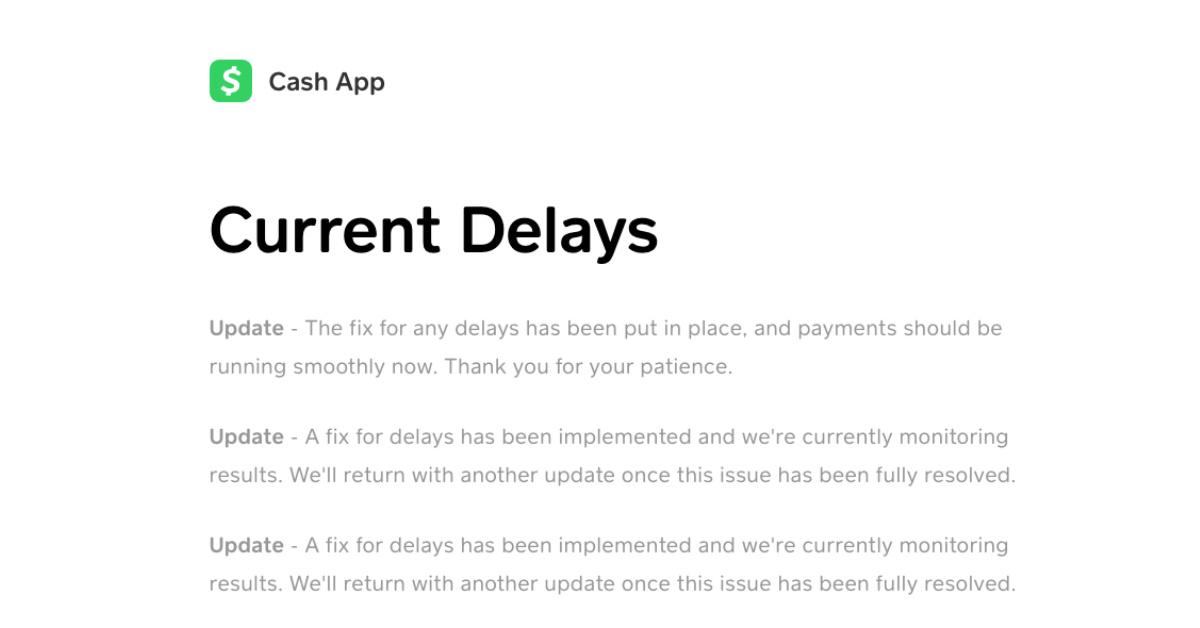
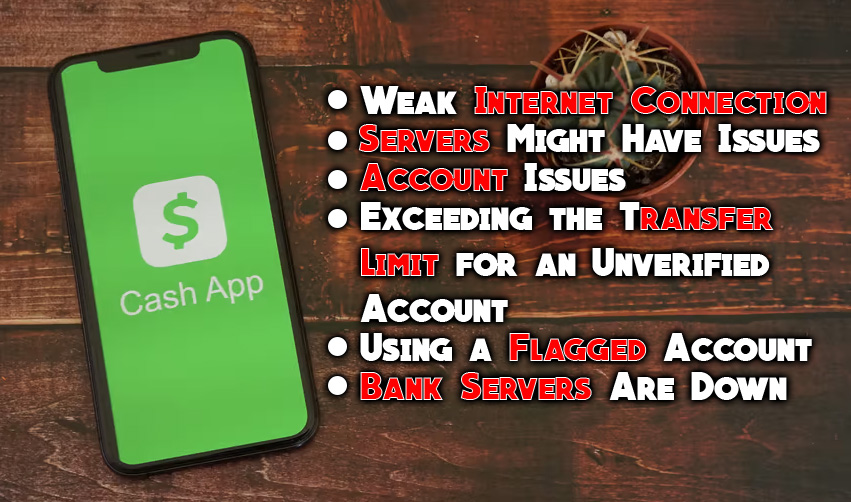
While often overlooked, the underlying infrastructure that powers digital transactions can also be a source of delays. High transaction volumes during peak hours, routine system maintenance, or unexpected server outages on Cash App’s side can lead to processing backlogs, causing transactions to linger in a pending state. Similarly, issues with the internet connection of either the sender or recipient, or broader network latency, can disrupt the real-time communication required for swift transaction finalization. These are less about personal financial responsibility and more about the operational realities of digital platforms, though a user’s own internet stability plays a role.
Transaction Limits: Staying Within Your Financial Boundaries
Cash App imposes daily and weekly transaction limits for sending and receiving funds, especially for unverified accounts or new users. These limits are a security measure designed to mitigate risk. If an attempted transaction exceeds these predetermined financial boundaries, it will likely be held pending or outright declined. Verified accounts typically have higher limits, but even they can hit ceilings for very large transfers. Being aware of and operating within these limits is an important aspect of managing your financial interactions on the platform.
Proactive Steps to Resolve a Pending Cash App Transaction
When faced with a pending Cash App transaction, taking immediate and systematic steps can often lead to a quicker resolution. Proactive engagement with the issue is key to mitigating its impact on your personal finances.
Immediate Checks: Internet, Balance, and Recipient Details
Before escalating the issue, perform these foundational checks:
- Internet Connection: Ensure both you and the recipient have a stable and strong internet connection. A patchy signal can interrupt the communication necessary for transaction finalization. Try switching between Wi-Fi and mobile data.
- Sender’s Account Balance: If you are the sender, double-check your linked bank account or Cash App balance to ensure sufficient funds were available at the time of the transaction. If funds were insufficient, transferring money into the account may sometimes allow the pending transaction to complete, though it’s more likely it will eventually fail.
- Recipient Details: Verify that the recipient’s $Cashtag, email, or phone number was entered correctly. An error here might send money to the wrong person, or in some cases, cause a transaction to pend if the system detects an unresolvable mismatch.
- Cash App Status: Check Cash App’s official social media channels or status page for any reported system-wide outages or maintenance. This can often explain widespread pending issues.
Navigating Cash App’s Support Channels for Financial Assistance
If the immediate checks don’t resolve the issue, contacting Cash App support becomes necessary.
- In-App Support: The most efficient way to get help is often through the Cash App itself. Go to your profile icon, then scroll down to “Cash Support” or “Help.” This allows support agents to view your account details more readily.
- Explain Clearly: When contacting support, provide all relevant details: the transaction amount, date, time, recipient’s $Cashtag (if applicable), and any error messages you received. Explain the financial impact this pending status is having.
- Be Patient: Cash App support may take some time to investigate, especially if the issue involves linked financial institutions or complex security reviews. Maintain professionalism and follow any instructions they provide.
Verifying Account Information and Identity for Smooth Processing
Often, pending transactions are linked to unverified accounts or outdated financial information.
- Complete Verification: Ensure your Cash App account is fully verified by providing your full legal name, date of birth, and the last four digits of your Social Security Number when prompted. Verified accounts generally have higher transaction limits and fewer security holds.
- Update Linked Accounts: Check that your linked debit card or bank account is current and valid. Update any expired cards or re-link bank accounts if necessary. This ensures Cash App can successfully debit or credit funds without issue. These steps are crucial for maintaining the financial health of your Cash App profile and preventing future delays.
Best Practices for Seamless Cash App Transactions and Financial Management
Preventing pending transactions is always better than resolving them. By adopting a few best practices, users can significantly reduce the likelihood of encountering such financial delays, ensuring their digital transactions remain smooth and efficient.
Maintaining Account Health and Verification Status
A fully verified and regularly used Cash App account is less likely to encounter random security flags or limits.
- Full Verification: Always complete the full identity verification process. This not only increases your transaction limits but also builds trust with the platform, reducing the chances of security holds on your transactions.
- Keep Information Current: Periodically review and update your linked bank accounts, debit cards, and personal information within the app. Expired cards or outdated addresses can cause unforeseen processing issues.
- Regular Activity: Consistent, legitimate use of the app can help establish a positive transaction history, which can reduce the likelihood of unusual activity flags.
Understanding Transaction Flows and Potential Pitfalls
Familiarizing yourself with how Cash App operates can help you anticipate and avoid issues.
- Know Your Limits: Be aware of the daily and weekly sending/receiving limits, especially if you have an unverified account or plan to send large sums. Plan larger transfers across multiple days if necessary to stay within these financial parameters.
- Double-Check Details: Before confirming any transaction, take an extra moment to verify the recipient’s $Cashtag, email, or phone number. A simple typo can send your money to the wrong person, leading to significant financial headaches.
- Understand Funding Sources: Be clear about which linked account Cash App will draw funds from. Ensure that account always has sufficient balance for your intended transactions.
Cultivating Good Digital Financial Habits
Responsible use of digital financial tools goes beyond just the mechanics of sending money.
- Secure Network Use: Always conduct financial transactions over secure and private internet connections. Avoid public Wi-Fi networks when handling sensitive financial data.
- Monitor Activity: Regularly check your Cash App transaction history and your linked bank account statements. Promptly identify and report any suspicious activity. This vigilance is a cornerstone of personal financial security.
- Educate Yourself: Stay informed about common scams and security practices related to Cash App and other digital payment platforms. A well-informed user is a less vulnerable user, better equipped to protect their financial interests.
When to Seek Professional Guidance: Escalating Persistent Financial Delays
While many pending Cash App transactions resolve themselves or can be fixed with basic troubleshooting, there are instances where the issue persists, warranting more assertive action and potentially external financial advice. Recognizing when to escalate and how to do so effectively is crucial for protecting your funds.
Recognizing Red Flags in Long-Term Pending Status
A transaction that remains pending for an unusually long time—typically more than 2-3 business days without explanation—should be considered a red flag.
- Unresolved After Support Contact: If you’ve contacted Cash App support, followed their instructions, and the status remains unchanged, it indicates a deeper issue.
- No Communication: A lack of communication from Cash App regarding the reason for the delay or an estimated resolution time should prompt further inquiry.
- Significant Financial Impact: If the pending funds are critical for your financial obligations (e.g., rent, urgent bills), the urgency to resolve the issue escalates significantly. In such cases, the financial stress alone warrants more aggressive follow-up.
Documenting Your Efforts and Engaging Support Effectively
When a pending transaction becomes a long-term problem, thorough documentation of your efforts becomes invaluable.
- Keep Records: Save screenshots of the pending transaction, dates and times of your communication with Cash App support, reference numbers, and the names of any agents you spoke with. This paper trail provides concrete evidence of your attempts to resolve the issue.
- Clear Communication: When re-engaging with support, clearly state that the previous attempts were unsuccessful. Refer to your documentation to show the history of the problem.
- Consider Formal Complaints: If Cash App support is unresponsive or unable to resolve the issue after a reasonable period, you may need to consider filing a formal complaint with relevant regulatory bodies, such as the Consumer Financial Protection Bureau (CFPB) in the United States. This is a measure of last resort but can sometimes prompt more decisive action from financial service providers.
Ultimately, while Cash App simplifies many financial transactions, the “pending” status serves as a reminder that digital money movement is a complex process with inherent risks and necessary safeguards. By understanding the reasons for these delays, taking proactive steps, and knowing when to escalate, users can navigate the occasional uncertainties and maintain confidence in their personal financial management.
aViewFromTheCave is a participant in the Amazon Services LLC Associates Program, an affiliate advertising program designed to provide a means for sites to earn advertising fees by advertising and linking to Amazon.com. Amazon, the Amazon logo, AmazonSupply, and the AmazonSupply logo are trademarks of Amazon.com, Inc. or its affiliates. As an Amazon Associate we earn affiliate commissions from qualifying purchases.