
In the increasingly digitized landscape of personal finance, tools like Apple Cash have revolutionized how we send and receive money, making peer-to-peer transactions nearly instantaneous. However, there’s a common scenario that can cause frustration and confusion: seeing an Apple Cash transaction stuck in “pending” status. Far from being a random glitch, a pending transaction is often a signal of a sophisticated, multi-layered process designed to ensure security, compliance, and the integrity of your financial transfers. Understanding the financial mechanics behind these delays is crucial for any user navigating the digital economy.
This article delves into the various reasons why your Apple Cash transaction might be pending, exploring the underlying financial processes, security protocols, and regulatory requirements that govern digital money transfers. We’ll provide insights into how these systems protect both senders and recipients, offer practical steps to troubleshoot a pending transaction, and advise on best practices to minimize future delays, all within the comprehensive framework of personal and business finance.

Understanding Apple Cash: A Digital Wallet Overview
Before we dissect the “pending” status, it’s essential to grasp the fundamentals of Apple Cash itself. As an integrated feature within the Wallet app on Apple devices, Apple Cash offers a seamless way to send, receive, and request money directly from Messages. It functions much like a digital debit card, backed by Green Dot Bank, enabling users to store funds, make purchases, or transfer money to their linked bank accounts.
What is Apple Cash?
Apple Cash acts as a virtual debit card within Apple Wallet, allowing users to send and receive money via Apple Pay. When you receive money, it’s added to your Apple Cash card, which you can then use for purchases wherever Apple Pay is accepted, or transfer to your bank account. This service simplifies everyday financial interactions, from splitting a dinner bill to sending funds to family members, all without needing to exchange bank details. It’s a key component of the broader digital payment ecosystem, emphasizing convenience and speed.
How Apple Cash Transactions Work
At its core, an Apple Cash transaction involves several steps. When you send money, you authorize a transfer from your Apple Cash balance or a linked debit card. This request then travels through a network of financial institutions—Apple, Green Dot Bank (the issuing bank for Apple Cash), and potentially your linked bank or card issuer. Each party in this chain plays a role in verifying the transaction, checking for fraud, and ensuring compliance with financial regulations. The “instant” nature of these transactions often masks a complex, rapid-fire exchange of data and approvals happening in milliseconds. However, any snag in this chain can manifest as a pending status, indicating that one or more of these checks require further attention.
Common Reasons for Pending Status: The Financial Mechanics
A pending status is not just a waiting game; it’s an active phase where various financial and security checks are being performed. These checks are put in place for your protection and to comply with a myriad of banking laws and regulations.
Initial Processing and Verification
Every transaction, regardless of size, undergoes an initial processing phase. This involves verifying the sender’s identity, the availability of funds, and the legitimacy of the recipient’s account. Apple and Green Dot Bank have sophisticated algorithms to flag any transaction that deviates from a user’s typical spending pattern or involves unusual amounts. During this stage, a transaction might be held pending as systems work to confirm all details and rule out simple errors. This often takes mere seconds, but complex cases can extend the duration.
Bank and Card Issuer Review Periods
When you send money directly from a linked debit card, or when you transfer money from Apple Cash to your bank account, other financial institutions become involved. Your bank or card issuer might have its own internal review processes for outgoing or incoming transfers. They may hold funds for a period to verify the legitimacy of the transaction, especially if it’s a large sum or an unusual activity. This is a standard banking practice designed to protect against unauthorized transactions and ensure that funds are properly cleared. Depending on the banks involved, these review periods can range from a few hours to several business days.
Security Protocols and Fraud Prevention
This is perhaps the most critical reason for pending transactions. Digital payment platforms are constant targets for fraudsters. Apple Cash, like all financial tools, employs robust security protocols to detect and prevent fraudulent activities. If a transaction triggers any of these security flags—such as being sent to a new recipient, an unusual amount, rapid successive transactions, or activity from an unfamiliar location—the system may automatically place it in pending status for manual review. This human intervention, while delaying the transaction, is vital for safeguarding users’ funds and preventing financial crime. It’s a testament to the platform’s commitment to security, even if it occasionally causes inconvenience.
Daily/Weekly Transaction Limits
To manage risk and comply with financial regulations, Apple Cash imposes certain transaction limits. These limits apply to the amount of money you can send, receive, and transfer to your bank account over a specific period (daily, weekly). If a transaction, either by itself or combined with other recent transactions, exceeds these limits, it will be automatically flagged and may enter a pending state while the system determines how to proceed, or it might be outright declined. Understanding and adhering to these limits is an important aspect of managing your digital finances effectively.
Sender/Receiver Account Issues
Sometimes, the “pending” status has less to do with systemic checks and more to do with specific account details.
- Insufficient Funds: While typically leading to an immediate decline, in some edge cases involving linked cards, it might initially show as pending while the system attempts to process or verify funds.
- Expired or Invalid Linked Cards: If the debit card linked to the sender’s Apple Cash account is expired, cancelled, or has incorrect details, the transaction may pend until the issue is resolved or decline altogether.
- Unverified Accounts: Both senders and recipients may need to complete identity verification steps (KYC – Know Your Customer) to fully utilize Apple Cash, especially for larger transactions. If either party has not completed these steps, transactions might be held.
Regulatory Compliance and KYC (Know Your Customer) Checks
Financial institutions, including those backing Apple Cash, are bound by stringent regulatory requirements such as the Bank Secrecy Act (BSA) and Anti-Money Laundering (AML) laws. These laws mandate that financial services collect and verify customer identities (KYC) and report suspicious activities. If a transaction size, frequency, or pattern triggers AML alerts, it will inevitably be placed on hold for deeper scrutiny. This is a non-negotiable aspect of modern finance, ensuring that digital platforms are not used for illicit activities like money laundering or terrorist financing. The pending status, in these instances, reflects a critical step in maintaining the integrity of the global financial system.
The Impact of Pending on Your Personal Finance
A pending transaction isn’t just a technical detail; it has real implications for your financial planning and the immediate availability of funds. Understanding these impacts can help you manage expectations and plan your finances more effectively.
Fund Availability and Financial Planning
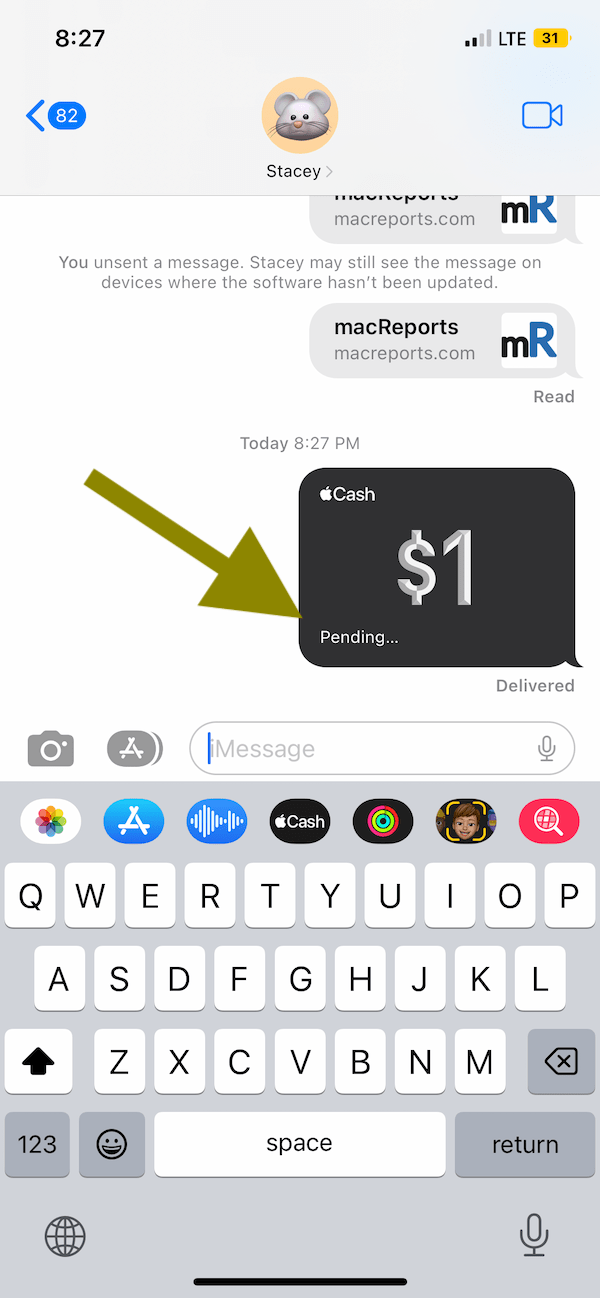
For the sender, funds for a pending transaction are typically debited or held, meaning they are not available for other uses. For the recipient, the money is not yet accessible. This can create immediate financial challenges, especially if the funds were intended for an urgent expense or part of a carefully managed budget. Personal finance management relies on predictable fund availability, and pending transactions introduce an element of uncertainty that can disrupt these plans. It underscores the need for a buffer in your budget, especially when relying on digital transfers for critical payments.
Communication and Transparency
The ambiguity of a pending status can be frustrating. While Apple typically provides notifications about transaction status changes, the reasons behind a prolonged pending state aren’t always immediately clear to the end-user. This lack of granular detail can lead to anxiety, especially when significant amounts are involved. Financial tools are increasingly working towards greater transparency, but the complexities of backend banking processes sometimes limit what can be communicated to users in real-time.
Recipient’s Perspective
From the recipient’s point of view, a pending transaction means waiting. If they were expecting funds for a time-sensitive purchase or to cover a bill, the delay can cause significant inconvenience. It emphasizes the importance of communication between the sender and recipient, ensuring both parties are aware of potential delays and can make alternative arrangements if necessary.
Troubleshooting a Pending Apple Cash Transaction: Practical Steps
When you encounter a pending transaction, taking proactive steps can often help resolve the issue or at least provide clarity. These troubleshooting methods are firmly rooted in sound personal finance practices and direct engagement with financial tools.
Reviewing Transaction Details
First, meticulously check the transaction details within your Wallet app.
- Recipient: Is the correct person listed? A typo in the recipient’s contact information can lead to issues.
- Amount: Is the amount correct? An unusually large sum might trigger security reviews.
- Source: Was the money sent from your Apple Cash balance or a linked debit card? Ensure the linked card is valid and has sufficient funds.
A simple oversight here can be the cause of the delay.
Checking Linked Bank Accounts and Cards
If the transaction involves a linked debit card or a transfer to your bank account, log into your online banking portal or check your bank statements.
- Linked Card Status: Is the debit card still active? Has it expired? Are there any restrictions on it?
- Bank Account Alerts: Check for any notifications or alerts from your bank regarding the transaction or your account.
- Available Balance: Confirm that there were (and are) sufficient funds in your linked account if the transaction was initiated directly from it.
Contacting Apple Support and Your Financial Institution
If after reviewing details you’re still uncertain, it’s time to reach out for help.
- Apple Support: Contact Apple Support for assistance with Apple Cash specific issues. They can access backend information about the transaction’s status within their system. Be prepared to provide transaction IDs and account details.
- Green Dot Bank: As the issuer of Apple Cash, Green Dot Bank may also be able to provide information, especially concerning deeper processing issues.
- Your Bank/Card Issuer: If the pending transaction involves funds coming from or going to your linked bank account, contact your bank. They can check if they have received the transfer request and if it’s being held on their end for review.
Ensuring Compliance with Terms of Service
Revisit the Apple Cash Terms and Conditions. Sometimes, a transaction might be pending because it violates a specific term, perhaps related to prohibited uses, maximum daily limits, or geographic restrictions. Ensure your use of the service aligns with these guidelines to avoid future holds.
Minimizing Future Delays: Best Practices for Apple Cash Users
While some delays are unavoidable due to necessary security and compliance checks, adopting certain best practices can significantly reduce the likelihood of your Apple Cash transactions getting stuck in a pending state. These are proactive steps towards smoother digital financial management.
Verifying Account Information
Always ensure your Apple Cash account is fully verified. This typically involves providing personal information to satisfy KYC (Know Your Customer) requirements. A fully verified account is less likely to trigger security flags for larger transactions. Similarly, ensure all linked debit cards and bank accounts are current and accurately linked. Regularly reviewing and updating this information prevents potential processing hiccups.
Understanding Transaction Limits
Familiarize yourself with Apple Cash’s daily and weekly transaction limits for sending, receiving, and transferring money to your bank account. Planning your transactions within these limits can prevent automatic holds. For very large transfers, consider alternative methods or plan to break them into smaller, permissible amounts over time, but be aware that this itself can sometimes trigger scrutiny due to unusual patterns.
Maintaining Account Security
Strong security practices are paramount. Use a strong passcode for your Apple device, enable two-factor authentication for your Apple ID, and avoid sharing your device or Apple ID credentials. Regular monitoring of your Apple Cash transaction history can help you quickly identify and report any unauthorized activity, which in turn helps keep the system robust and less prone to blanket holds. The better you protect your account, the less likely it is to be associated with suspicious activity that would cause pending status.

Proactive Communication
If you know you’ll be sending or receiving a large sum, especially to a new contact, a brief heads-up to Apple Support or your bank can sometimes help. While they won’t pre-approve transactions, being aware of an upcoming unusual transfer might help contextualize it if it gets flagged. More importantly, maintaining clear communication with the recipient or sender ensures that both parties are informed and can react appropriately if a transaction goes pending.
In conclusion, an Apple Cash transaction showing as “pending” is a normal, albeit sometimes inconvenient, part of the digital financial ecosystem. It serves as a necessary buffer where critical checks for security, compliance, and financial integrity are performed. By understanding the underlying reasons and adopting proactive troubleshooting and best practices, users can navigate these occasional delays with greater confidence and maintain effective control over their personal finances in the digital age.
aViewFromTheCave is a participant in the Amazon Services LLC Associates Program, an affiliate advertising program designed to provide a means for sites to earn advertising fees by advertising and linking to Amazon.com. Amazon, the Amazon logo, AmazonSupply, and the AmazonSupply logo are trademarks of Amazon.com, Inc. or its affiliates. As an Amazon Associate we earn affiliate commissions from qualifying purchases.