
The stock market’s seemingly unpredictable nature can often leave investors questioning the underlying causes of sudden downturns. While specific triggers vary, a market fall is rarely attributable to a single factor. Instead, it typically results from a complex interplay of macroeconomic forces, geopolitical events, corporate performance, and shifts in investor sentiment. Understanding these dynamics is crucial for both seasoned investors and those new to the financial landscape, providing perspective beyond the immediate headlines.
Macroeconomic Factors Driving Market Downturns
The broader economic environment is arguably the most significant determinant of stock market direction. When fundamental economic indicators signal instability or contraction, investor confidence wanes, leading to capital withdrawal from equity markets.

Inflationary Pressures and Interest Rate Hikes
Inflation, the rate at which the general level of prices for goods and services is rising, erodes purchasing power and can significantly impact corporate profitability. When inflation becomes persistent and high, central banks, such as the U.S. Federal Reserve, typically respond by raising benchmark interest rates. Higher interest rates increase the cost of borrowing for businesses and consumers alike. For companies, this means higher debt service costs, which can squeeze profit margins and reduce the attractiveness of future investments. For consumers, higher rates can curb spending on big-ticket items like homes and cars, slowing economic activity.
Furthermore, rising interest rates make “safer” investments, like government bonds, more appealing as they offer higher yields. This shift in attractiveness can draw capital away from the stock market, as investors seek less volatile returns. The discounting of future earnings also becomes more aggressive with higher interest rates, lowering the present value of companies and their stock prices. A robust earnings forecast today might look significantly less appealing when discounted by a higher rate, leading to a re-evaluation of stock valuations across the board.
Economic Slowdown and Recession Fears
An economic slowdown or the prospect of a recession is a powerful catalyst for market declines. A recession is generally defined by two consecutive quarters of negative growth in real Gross Domestic Product (GDP), coupled with other indicators like rising unemployment, declining industrial production, and reduced consumer spending. When the economy contracts, corporate revenues and earnings are expected to fall. Businesses face lower demand for their products and services, leading to reduced profits, layoffs, and cutbacks in capital expenditure.
Investors, anticipating this decline in corporate performance, often pre-emptively sell off stocks to mitigate potential losses. The fear of a prolonged economic downturn can trigger a self-fulfilling prophecy, where widespread selling accelerates the market’s descent. Companies with high debt loads or those in cyclical industries are particularly vulnerable during such periods, as their financial health is highly sensitive to economic fluctuations. The prospect of prolonged stagnation, or “stagflation” (high inflation with low economic growth), can be particularly damaging to investor sentiment, as it offers no clear positive pathway for either economic recovery or central bank intervention.
Supply Chain Disruptions
Modern global economies are intricately linked through complex supply chains. Disruptions to these chains, whether from pandemics, geopolitical conflicts, natural disasters, or trade disputes, can have widespread and severe consequences for businesses and, by extension, the stock market. When supply chains are disrupted, companies face challenges in sourcing raw materials, manufacturing products, and delivering goods to customers. This can lead to increased production costs, inventory shortages, delayed sales, and ultimately, lower revenues and profits.
For example, a semiconductor shortage can halt production in industries ranging from automobiles to consumer electronics. These bottlenecks lead to increased input costs for manufacturers, which they may or may not be able to pass on to consumers. If they do, it fuels inflation; if they don’t, it eats into their profit margins. The uncertainty created by persistent supply chain issues makes it difficult for companies to plan and for investors to forecast future earnings, contributing to market volatility and potential declines.
Geopolitical Tensions and Global Economic Stability
Beyond purely economic data, the geopolitical landscape plays an increasingly significant role in shaping investor confidence and market direction. Instability on the world stage can introduce substantial risk premiums into asset prices.
International Conflicts and Trade Wars
Major international conflicts, regional skirmishes, and trade wars can have immediate and dramatic impacts on stock markets. Wars, for instance, can disrupt global energy supplies, sending oil and gas prices soaring, which in turn fuels inflation and increases costs for nearly every industry. Sanctions imposed as a result of conflicts can isolate economies, disrupt global trade flows, and create severe supply chain bottlenecks, further exacerbating inflationary pressures and slowing global growth.
Trade wars, characterized by retaliatory tariffs and protectionist policies, can shrink export markets for domestic companies, increase the cost of imported components, and reduce corporate profitability. The uncertainty generated by these tensions leads investors to pull back from riskier assets like stocks, opting for safe havens such as gold, specific government bonds, or strong reserve currencies. The potential for escalation or unforeseen consequences makes long-term planning difficult for businesses and investors alike, often resulting in market volatility and sustained downturns.
Political Instability and Policy Uncertainty
Domestic political instability, such as government changes, policy paralysis, or social unrest, can also create an unpredictable environment for businesses. Unexpected shifts in regulatory frameworks, taxation policies, or trade agreements can deter foreign and domestic investment, reduce corporate earnings visibility, and impact overall economic stability. For instance, uncertainty surrounding a major election outcome, or the implementation of radical new economic policies, can cause market participants to pause investment decisions or even divest assets until clarity emerges.
This uncertainty adds a “political risk premium” to investments, especially in emerging markets but also in developed economies facing internal divisions. Investors seek stability and predictability, and when these are lacking, capital tends to flow out of the affected markets, leading to sell-offs. The erosion of institutional trust or the perception of a weakening rule of law further diminishes confidence, making a market fall more likely and potentially more severe.
Corporate Performance and Investor Sentiment
Ultimately, the stock market is a reflection of current and anticipated corporate performance, heavily influenced by the collective psychology of investors.
Disappointing Earnings and Revenue Reports
The bedrock of stock valuations is a company’s ability to generate profits and revenue. When individual companies or, more critically, a significant number of companies across various sectors report earnings and revenue that fall short of analyst expectations, it can trigger widespread selling. Investors scrutinize these reports for signs of weakening demand, increasing costs, or competitive pressures. A downward revision in future earnings guidance by corporate management can be particularly damaging, signaling a tougher road ahead.
If these disappointments are widespread, it can indicate a broader economic slowdown or systemic issues affecting multiple industries. This collective downturn in corporate prospects significantly reduces the intrinsic value assigned to stocks, prompting a market-wide re-evaluation and subsequent sell-off. The immediate aftermath of a batch of poor corporate results often sees stock prices adjust swiftly to reflect the new, less optimistic outlook.
Valuation Concerns and Speculative Bubbles
Periods of irrational exuberance can lead to asset prices becoming detached from their underlying fundamental value, creating speculative bubbles. Characterized by rapid price increases fueled by optimism and speculative trading rather than tangible earnings growth or economic fundamentals, these bubbles are inherently unsustainable. Examples include the dot-com bubble of the late 1990s or the housing bubble preceding the 2008 financial crisis.
When a bubble bursts, often triggered by a shift in economic conditions, a change in monetary policy, or simply a realization among investors that valuations are unsustainable, it leads to a rapid and dramatic market fall. The decline is typically steep as investors panic and rush to sell overvalued assets, causing a domino effect. The market then corrects sharply, often to levels well below what might be considered fair value, as the initial optimism gives way to widespread fear and risk aversion.
Psychological Factors and Herd Behavior
Investor sentiment, driven by fear and greed, plays a powerful role in market movements. During periods of uncertainty, fear can lead to irrational decision-making, where investors panic-sell even fundamentally sound assets. This “herd behavior” can amplify initial declines, as everyone rushes for the exit simultaneously, pushing prices down further. News cycles, social media, and financial pundits can exacerbate these psychological effects, creating a feedback loop of negativity.
Conversely, during periods of optimism, greed can drive prices up beyond reasonable valuations. However, when the tide turns, collective fear can overwhelm logical analysis, leading to a capitulation where investors sell regardless of the price, contributing to a sharp market fall. Understanding these psychological undercurrents is vital, as they explain why market movements don’t always perfectly align with economic fundamentals in the short term.
The Role of Monetary Policy and Central Banks
Central banks wield immense power over financial markets through their control of monetary policy. Their decisions on interest rates and money supply directly impact liquidity and investor behavior.
Quantitative Tightening (QT) and Liquidity Withdrawal
After periods of quantitative easing (QE), where central banks inject liquidity into the financial system by buying assets, they may engage in quantitative tightening (QT). QT involves reducing the size of their balance sheets, typically by allowing maturing bonds to roll off without reinvestment or actively selling assets. This process effectively withdraws money from the financial system, tightening financial conditions.
When liquidity is abundant, it tends to flow into asset markets, supporting higher valuations. Conversely, when liquidity is withdrawn through QT, there is less money available to chase assets, which can put downward pressure on stock prices. Higher borrowing costs and reduced availability of credit make it harder for businesses to grow and for investors to finance leveraged positions, contributing to a market fall as the cost of capital increases across the board.
Forward Guidance and Market Expectations
Central banks use “forward guidance” to communicate their intentions regarding future monetary policy. This guidance, which might involve hints about future interest rate hikes, balance sheet reductions, or changes in inflation targets, can significantly influence market expectations and investor behavior even before any concrete action is taken.
If forward guidance signals a more hawkish stance (i.e., a commitment to tighter monetary policy to combat inflation), it can lead investors to anticipate higher borrowing costs and slower economic growth. This anticipation alone can trigger a sell-off in the stock market, as investors adjust their portfolios to a less favorable interest rate and liquidity environment. The market often tries to price in future actions, meaning that even the credible threat of tighter policy can precipitate a fall.
Understanding Market Corrections vs. Crashes
While both involve a decline in stock prices, it’s important to distinguish between a market correction and a crash, as their causes, duration, and implications can differ significantly.
Defining Market Corrections
A market correction is typically defined as a decline of 10% to 20% from a market’s recent peak. Corrections are a normal and relatively frequent part of the stock market cycle. They are often a healthy phenomenon, helping to cool down overheated markets, reduce speculative excesses, and bring valuations back in line with fundamentals. Corrections can be triggered by a range of factors, including minor economic headwinds, profit-taking after a strong rally, or a shift in investor sentiment. While unsettling in the short term, they are usually temporary and do not necessarily signal a sustained downturn in the broader economy. Many long-term investors view corrections as opportunities to buy quality assets at reduced prices.
Defining Market Crashes
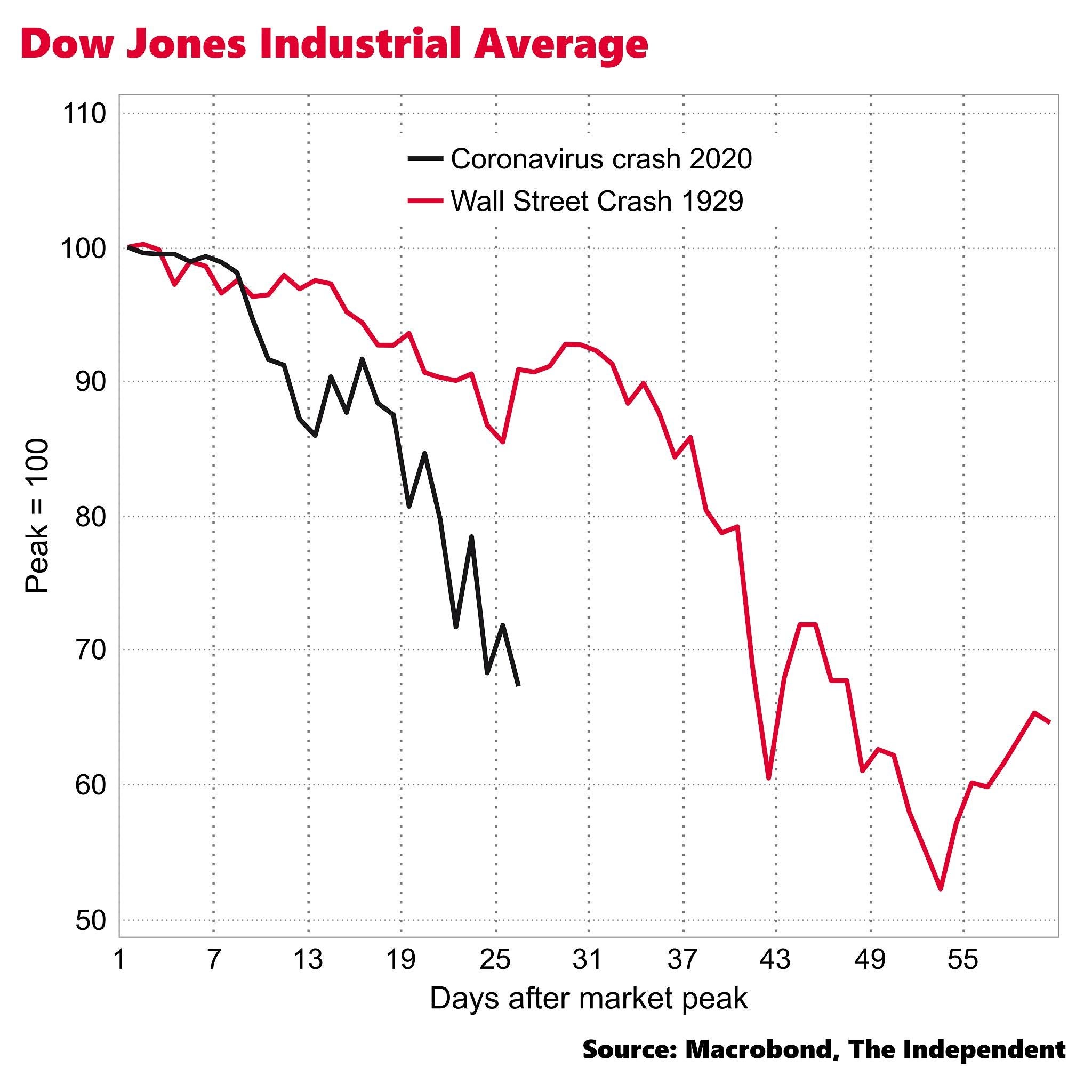
A market crash, by contrast, is a much more severe and rapid decline, typically defined as a fall of 20% or more over a very short period, often days or weeks. Crashes are usually associated with widespread panic, systemic economic issues, or a major financial crisis. They are less frequent but have a much more profound and lasting impact on investor wealth and economic activity. Examples include the 1929 Black Tuesday, the 1987 Black Monday, and the 2008 financial crisis. Crashes often result from the bursting of speculative bubbles, significant economic shocks, or a loss of confidence in the financial system itself. The recovery from a market crash can be prolonged, sometimes taking years for markets to regain their previous highs.
Implications for Investors
For investors, distinguishing between a correction and a crash helps in managing expectations and emotions. During corrections, maintaining a long-term perspective and sticking to a diversified investment strategy is often advisable. Panic selling during a correction can lock in losses and miss out on the subsequent recovery. During a crash, the implications are more severe, requiring a deeper assessment of one’s financial position, risk tolerance, and investment goals. However, even in a crash, a disciplined approach, avoiding emotional decisions, and potentially even rebalancing portfolios can be crucial for navigating the turbulence and positioning for eventual recovery. The key is to understand that market falls, whether corrections or crashes, are an inherent part of the investing landscape, driven by a complex interplay of forces.
aViewFromTheCave is a participant in the Amazon Services LLC Associates Program, an affiliate advertising program designed to provide a means for sites to earn advertising fees by advertising and linking to Amazon.com. Amazon, the Amazon logo, AmazonSupply, and the AmazonSupply logo are trademarks of Amazon.com, Inc. or its affiliates. As an Amazon Associate we earn affiliate commissions from qualifying purchases.