
The stock market, an intricate dance of billions of transactions, is a barometer of economic health, investor sentiment, and future expectations. Its movements, particularly sharp downturns, often trigger widespread anxiety, prompting the fundamental question: “Why did the stock market drop?” While sudden plunges can feel like unpredictable events, they are almost always the culmination of identifiable economic, geopolitical, psychological, and structural factors. Understanding these underlying causes is crucial not only for seasoned investors but for anyone whose financial well-being is tied to the broader economy. This article delves into the multifaceted reasons behind stock market declines, offering insights into the complex forces at play and how investors might navigate such turbulent waters.

The Interplay of Economic Fundamentals
At the heart of most significant market drops lie shifts in fundamental economic indicators. These are the bedrock upon which corporate earnings, consumer spending, and investment decisions are built. When this foundation shows cracks, investor confidence erodes, leading to sell-offs.
Inflationary Pressures and Interest Rate Hikes
One of the most potent catalysts for a market downturn is persistent inflation. When the cost of goods and services rises steadily, it erodes purchasing power and increases business expenses, ultimately impacting corporate profits. Central banks, like the Federal Reserve in the U.S., typically combat high inflation by raising interest rates. While necessary to cool down an overheating economy, higher interest rates have several negative implications for the stock market. They increase the cost of borrowing for companies, slowing down expansion and reducing profitability. Moreover, higher rates make bonds and other fixed-income investments more attractive, drawing capital away from riskier equities. The present value of future earnings, a key component of stock valuation, also decreases with higher discount rates, making stocks appear less valuable. This dual pressure — reduced corporate earnings and a higher cost of capital — often precipitates a market correction.
Recessionary Fears and GDP Contraction
The specter of a recession looms large over investor psychology. A recession, typically defined as two consecutive quarters of negative Gross Domestic Product (GDP) growth, signifies a broad economic slowdown. During a recession, consumer spending contracts, businesses lay off workers, and corporate profits plummet. The stock market, being a forward-looking mechanism, often begins to price in a recession long before it officially starts. Investors anticipate reduced future earnings and increased corporate bankruptcies, leading to widespread selling. Indicators such as an inverted yield curve (where short-term Treasury yields exceed long-term yields), declining manufacturing output, and persistent jobless claims are closely watched as potential harbingers of an impending economic contraction, and their deterioration can trigger significant market declines.
Supply Chain Disruptions and Corporate Earnings
In an increasingly interconnected global economy, supply chain disruptions can have profound and far-reaching effects on corporate profitability. Events like pandemics, geopolitical conflicts, or natural disasters can halt production, delay shipments, and drive up input costs. When companies cannot source components, produce goods efficiently, or deliver products on time, their revenue and earnings suffer. Disappointing corporate earnings reports, or even just revised downward guidance from major companies, can trigger sector-specific sell-offs that cascade across the broader market. If these disruptions are widespread and prolonged, they signal a significant hurdle to economic growth, making investors wary and prompting them to de-risk their portfolios by selling stocks.
Geopolitical Events and External Shocks
Beyond economic fundamentals, the world stage frequently introduces elements of uncertainty that can send tremors through financial markets. Geopolitical developments, by their very nature, are often unpredictable and can have swift, dramatic impacts.
International Conflicts and Trade Tensions
Major international conflicts, such as wars or large-scale civil unrest, introduce immense uncertainty and risk. They can disrupt global trade routes, trigger sanctions, displace populations, and shift geopolitical alliances, all of which have direct economic consequences. The threat of war, or its actual outbreak, often leads to a rush into safe-haven assets like gold and government bonds, while equities, perceived as riskier, are sold off. Similarly, escalating trade tensions between major economic powers, involving tariffs, import restrictions, or technology bans, can disrupt global supply chains, increase costs for businesses, and reduce overall economic activity. Investors become concerned about reduced corporate profitability and overall economic growth, leading to widespread selling in anticipation of a challenging operating environment.
Commodity Price Volatility
Commodities, particularly oil and natural gas, are the lifeblood of the global economy. Significant and sudden fluctuations in their prices can have a cascading effect on financial markets. A sharp increase in oil prices, for instance, acts as a tax on consumers and businesses, reducing discretionary spending and increasing transportation and production costs. This can fuel inflation, reduce corporate profits, and slow economic growth, creating a challenging environment for stocks. Conversely, a dramatic drop in commodity prices, while potentially beneficial for consumers in the short term, can signal a severe downturn in global demand, pointing towards an impending recession. Moreover, countries heavily reliant on commodity exports can face economic instability, adding another layer of global risk that reverberates through equity markets.
Investor Psychology and Market Dynamics
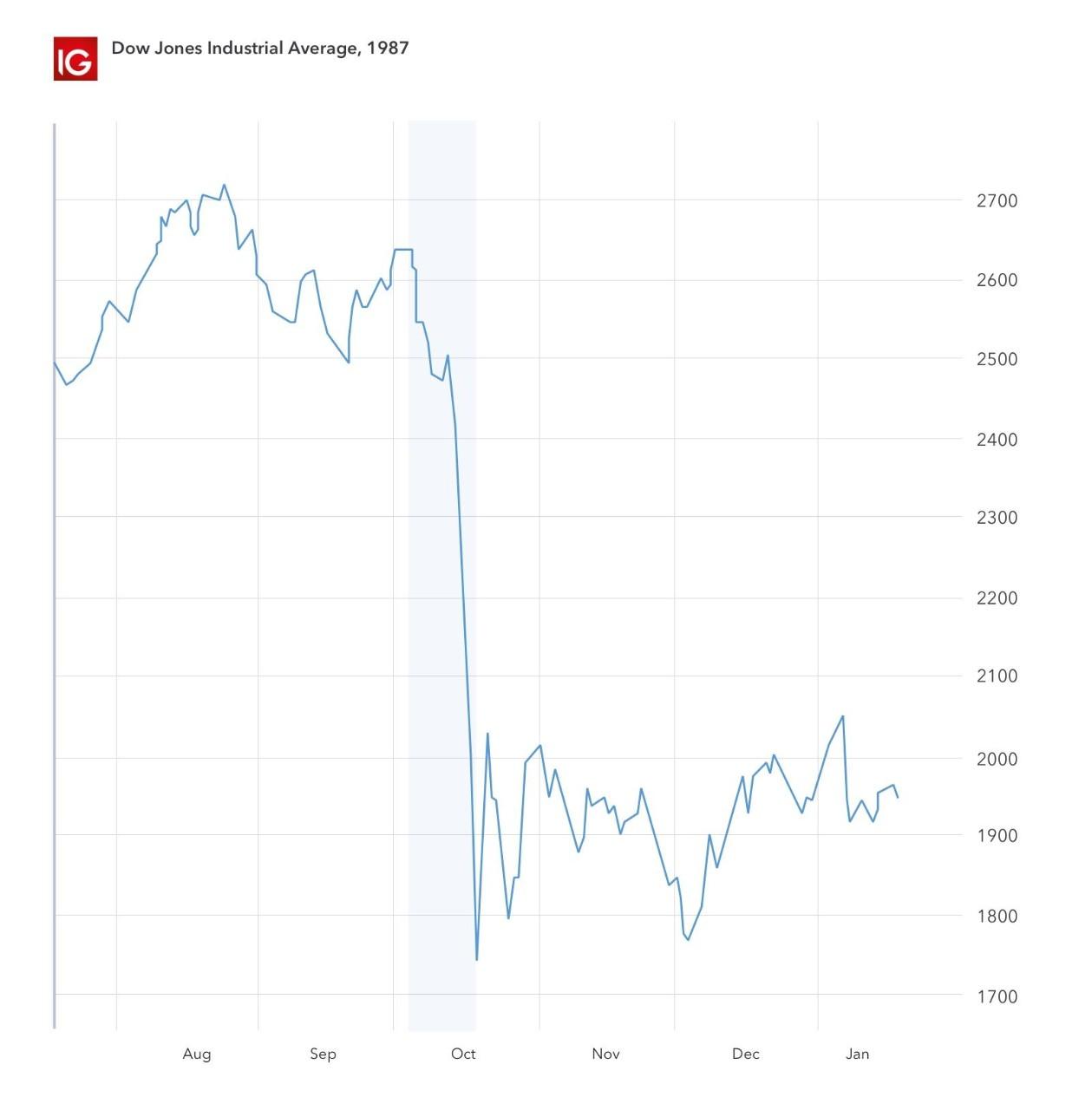
While economic data and geopolitical events provide the narrative for market movements, it is collective investor behavior that translates these narratives into buying and selling pressure. Psychology plays a pivotal, and sometimes irrational, role in market dynamics.
The Power of Fear and Herd Mentality
Fear is arguably the most powerful emotion driving market downturns. When negative news emerges – be it a recession warning, a corporate scandal, or a geopolitical crisis – fear can quickly spread through the market, leading to panic selling. This is often amplified by “herd mentality,” where investors, seeing others sell, feel compelled to do the same, even if their underlying investment thesis hasn’t fundamentally changed. This self-reinforcing cycle can accelerate market declines, turning a measured correction into a full-blown crash. Cognitive biases, such as loss aversion (the tendency to prefer avoiding losses over acquiring equivalent gains), contribute to this phenomenon, as investors rush to liquidate assets to prevent further perceived losses, often at the worst possible time.
Market Overvaluation and Corrections
Periods of sustained economic growth and positive sentiment can sometimes lead to market overvaluation. When stock prices rise significantly faster than underlying corporate earnings or economic growth, they can become detached from their intrinsic value. This can create “bubbles” in certain sectors or the market as a whole. Eventually, something triggers a reevaluation – perhaps a slight uptick in interest rates, a disappointing earnings report, or a shift in economic outlook. When this happens, investors realize assets are overpriced, and a swift correction ensues as prices adjust back to more realistic levels. This correction, while painful in the short term, is a natural and often healthy part of the market cycle, purging excesses and setting the stage for more sustainable growth.
The Role of Algorithmic Trading
In the modern financial landscape, algorithmic trading, driven by complex computer programs, plays an increasingly significant role in market movements. These algorithms execute trades at lightning speed based on predefined rules, market conditions, and data analysis. While they can enhance liquidity and efficiency, they can also exacerbate market volatility during periods of stress. If a particular piece of negative news or a rapid price decline triggers selling signals across numerous algorithms simultaneously, it can lead to a “flash crash” or accelerate a downturn much faster than human traders ever could. The sheer volume and speed of algorithmic selling can create a downward spiral, making it harder for fundamental analysis to quickly reassert itself.
Navigating Market Volatility: A Long-Term Perspective
Understanding why the stock market drops is essential, but equally important is knowing how to respond. For long-term investors, market downturns are often opportunities rather than catastrophic events. A disciplined approach focused on enduring principles can help mitigate anxiety and even capitalize on volatility.
Embracing Diversification and Asset Allocation
One of the most fundamental tenets of sound investing is diversification. Spreading investments across various asset classes (stocks, bonds, real estate, commodities), industries, geographies, and company sizes helps cushion the blow of a downturn in any single area. When one sector or region is struggling, others might be performing relatively well, mitigating overall portfolio losses. Asset allocation, the strategic distribution of investments among different asset classes based on an investor’s risk tolerance, time horizon, and financial goals, is a dynamic process. Regularly reviewing and rebalancing your asset allocation ensures your portfolio remains aligned with your objectives, especially after significant market moves.
The Discipline of Dollar-Cost Averaging
Market timing – attempting to buy at the bottom and sell at the top – is notoriously difficult and often leads to suboptimal returns. Dollar-cost averaging offers a simpler, more effective strategy for dealing with market volatility. This involves investing a fixed amount of money at regular intervals, regardless of market conditions. When prices are high, your fixed investment buys fewer shares; when prices are low (during a drop), the same investment buys more shares. Over time, this strategy averages out your purchase price and can lead to lower average costs per share, potentially enhancing returns when the market eventually recovers. It removes emotion from the investment process and encourages a consistent, long-term approach.
The Importance of Emotional Resilience
Perhaps the most challenging aspect of a stock market drop is managing the psychological impact. The urge to sell everything and stop the bleeding can be overwhelming. However, historical data consistently shows that investors who panic and sell during downturns often lock in losses and miss out on the subsequent recoveries. Emotional resilience involves sticking to your long-term investment plan, avoiding impulsive decisions driven by fear, and remembering that market corrections are a normal part of the economic cycle. Educating oneself on market history, understanding the underlying causes of drops, and focusing on one’s personal financial goals rather than daily market fluctuations can significantly contribute to maintaining a rational perspective during turbulent times. Consulting with a financial advisor can also provide invaluable guidance and a steady hand when emotions run high.
Conclusion
The stock market’s journey is rarely a straight line upwards; drops are an inevitable and recurring feature of its landscape. They are seldom the result of a single cause but rather a complex interplay of economic fundamentals, geopolitical shifts, technological advancements, and the often-irrational tides of human psychology. From rising inflation and interest rates to global conflicts and investor panic, each factor contributes to the market’s descent. However, understanding these dynamics provides clarity and perspective. For the diligent investor, market downturns are not just periods of anxiety but also moments of reevaluation and potential opportunity. By adopting a long-term mindset, embracing diversification, practicing dollar-cost averaging, and cultivating emotional resilience, investors can not only weather the storms but also emerge stronger, better positioned to capitalize on the eventual recovery that has historically followed every market decline.
aViewFromTheCave is a participant in the Amazon Services LLC Associates Program, an affiliate advertising program designed to provide a means for sites to earn advertising fees by advertising and linking to Amazon.com. Amazon, the Amazon logo, AmazonSupply, and the AmazonSupply logo are trademarks of Amazon.com, Inc. or its affiliates. As an Amazon Associate we earn affiliate commissions from qualifying purchases.