
The Dow Jones Industrial Average (DJIA) remains one of the most watched barometers of the American economy. When the “Blue Chip” index ticks upward, it often reflects more than just a good day for thirty specific companies; it signals a shift in investor sentiment, economic expectations, and the complex interplay of global financial forces. To understand why the Dow Jones went up today, one must look past the surface-level numbers and analyze the structural, fundamental, and psychological drivers that propel the market higher.
Investing in the modern era requires an appreciation for the nuances of market movement. A rally in the Dow is rarely the result of a single isolated event. Instead, it is typically a confluence of favorable macroeconomic data, strong corporate performance, and technical triggers that prompt institutional buying. By dissecting these layers, investors can better position themselves to capitalize on upward trends and manage risk during periods of volatility.
The Macroeconomic Engine: Why Policy and Data Drive Price
The primary driver of any significant movement in the Dow Jones is the broader macroeconomic environment. Because the DJIA is comprised of massive, multinational corporations across sectors like industrials, finance, and healthcare, these companies are highly sensitive to the cost of capital and the health of the consumer.
Federal Reserve Policy and Interest Rate Expectations
The Federal Reserve is perhaps the most influential entity in the financial markets. When the Dow climbs, it is often because investors have received a “dovish” signal from the central bank. If the Fed suggests that interest rate hikes are pausing or that cuts are on the horizon, the market reacts positively.
Lower interest rates reduce the cost of borrowing for the giants within the Dow, such as Boeing or Caterpillar, allowing them to fund expansion and innovation more cheaply. Furthermore, lower rates make the yields on “safe” investments like Treasury bonds less attractive, pushing capital toward the equity markets in a “search for yield.” When investors believe the Fed is successfully navigating a “soft landing”—taming inflation without triggering a recession—the Dow frequently responds with a sustained rally.
Inflationary Trends and the Consumer Price Index (CPI)
Inflation is the silent enemy of stock valuations. When inflation data, such as the Consumer Price Index (CPI) or the Personal Consumption Expenditures (PCE) price index, comes in lower than expected, the Dow typically surges. Lower inflation suggests that the purchasing power of the consumer is stabilizing and that the Fed will not need to keep rates “higher for longer.” For Dow components like Walmart or Home Depot, cooling inflation means more predictable input costs and a consumer base that has more discretionary income to spend on goods and services.
Fundamental Strength: Corporate Earnings as a Catalyst
While macroeconomics sets the stage, corporate fundamentals provide the performance. The Dow Jones is a price-weighted index, meaning the stocks with the highest share prices have the greatest impact on the index’s movement. When these heavyweights report strong earnings, the entire index feels the lift.
The Impact of “Beat and Raise” Quarters
The rhythm of the market is often dictated by earnings season. When a Dow component reports quarterly results that exceed analyst expectations—a “beat”—and subsequently raises its future guidance—a “raise”—it acts as a powerful catalyst for the index. Strong earnings indicate that despite economic headwinds, America’s largest corporations are finding ways to maintain margins, optimize supply chains, and grow their bottom lines.
For instance, a strong performance from UnitedHealth Group or Goldman Sachs can provide enough upward pressure to pull the entire index higher, even if other sectors are stagnant. Investors look for growth in “Earnings Per Share” (EPS) and revenue as evidence that the company’s business model remains resilient.
Sector Rotation and the Value Proposition
The Dow Jones is often viewed as a “Value” index compared to the tech-heavy Nasdaq. On days when the Dow outperforms other indices, it is frequently due to “sector rotation.” This occurs when investors move money out of high-growth, high-valuation tech stocks and into the more stable, dividend-paying “Value” stocks found in the Dow.
This shift often happens when investors become wary of overextended valuations in the tech sector or when they seek the safety of companies with established cash flows and physical assets. On a day when the Dow is up, we are often seeing a vote of confidence in the “old economy”—industrials, energy, and consumer staples—that form the backbone of the global infrastructure.
Market Psychology and Technical Indicators

The stock market is not always a rational machine; it is a reflection of human and algorithmic psychology. The movement of the Dow is often dictated by technical levels and the collective sentiment of the trading community.
Breaking Through Resistance Levels
Professional traders and institutional algorithms monitor “support” and “resistance” levels. Resistance is a price ceiling that the index has struggled to stay above in the past. When the Dow Jones breaks through a significant resistance level—such as a round number like 38,000 or 40,000—it often triggers a wave of automated buying.
This “breakout” signals to the market that the bulls have regained control. Short sellers, who bet on the market going down, are forced to buy back shares to cover their positions (a “short squeeze”), which adds even more upward momentum to the index.
The Role of Algorithmic and High-Frequency Trading
In the modern financial landscape, a significant portion of daily trading volume is driven by algorithms. These programs are designed to identify momentum. Once the Dow starts to move upward based on a news catalyst, these algorithms can amplify the move by executing thousands of trades per second. This creates a “snowball effect” where a small gain in the morning can turn into a substantial rally by the closing bell.
Sentiment and the “Fear of Missing Out” (FOMO)
Investor psychology plays a massive role in why the Dow goes up. When the market shows consistent strength, the “Fear of Missing Out” (FOMO) begins to take hold of both retail and institutional investors. Those who were sitting on the sidelines in cash begin to deploy capital to ensure they don’t miss the next leg of the bull market. This influx of “sidelined” cash provides the liquidity necessary to sustain an intraday rally.
The Geopolitical and Global Context
The companies within the Dow Jones Industrial Average are global entities. Therefore, the index is highly sensitive to international developments. A rally in the Dow is often a sign that global tensions are easing or that international trade is improving.
Trade Relations and Global Stability
Positive news regarding trade agreements or the easing of tariffs can act as a major tailwind for the Dow. Companies like 3M, Caterpillar, and Apple rely on smooth global supply chains and access to international markets. When geopolitical friction decreases, the “risk premium” that investors demand for holding stocks also decreases, leading to higher valuations.
The Strength of the U.S. Dollar
The relationship between the Dow and the U.S. Dollar is complex but vital. For the multinational giants in the Dow, a slightly weaker dollar can actually be a benefit. When the dollar weakens against other major currencies, the international sales of Dow companies become more valuable when converted back into USD. This can lead to a “currency tailwind” that boosts earnings reports and drives stock prices higher.
Navigating the Rally: Strategies for Investors
When the Dow Jones goes up, it presents both opportunities and challenges for the disciplined investor. While a rising tide lifts all boats, it is essential to distinguish between a sustainable rally and a “dead cat bounce.”
Rebalancing and Profit Taking
For the long-term investor, a significant upward move in the Dow is an opportunity to review the portfolio. If the rally has caused your equity exposure to exceed your target asset allocation, it may be time to rebalance. This involves selling a portion of the winners to lock in gains and moving that capital into underperforming areas or “dry powder” (cash) for future opportunities.
Assessing Market Breadth
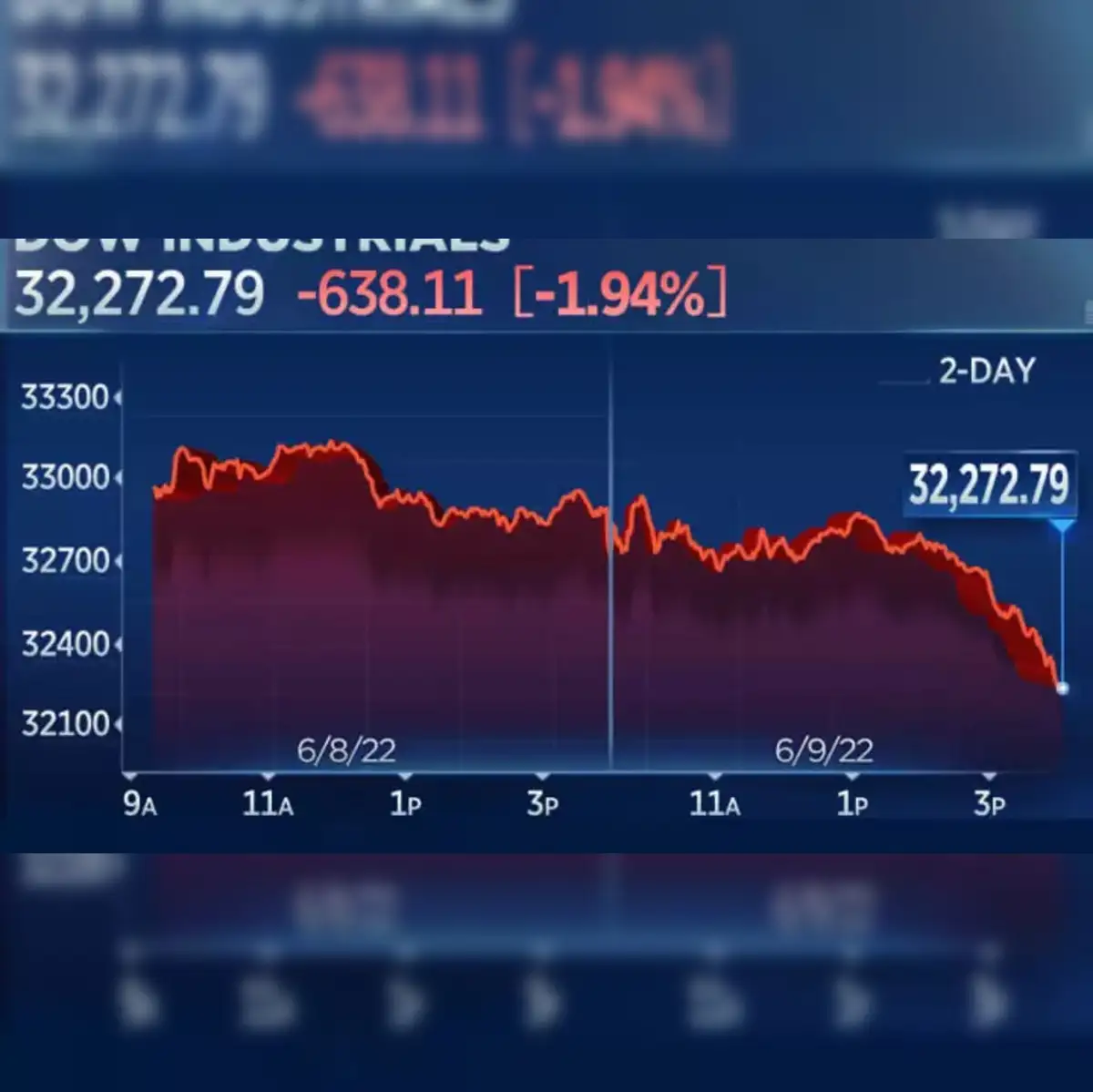
One key metric to watch when the Dow is up is “market breadth.” Breadth refers to how many individual stocks are participating in the rally. If the Dow is up 300 points but only five of its thirty components are actually gaining, the rally is considered “thin” and potentially fragile. Conversely, if 25 out of 30 stocks are moving higher together, it indicates a healthy, broad-based confidence in the market.
Focusing on Quality and Dividends
Many investors turn to the Dow specifically for its dividend-paying components. When the index rises, the dividend yield (the annual dividend divided by the stock price) technically drops. However, a rising Dow usually signifies that these companies are healthy enough to continue—and perhaps increase—their dividend payouts. For those focused on “Online Income” or “Passive Income,” the Dow remains a premier destination for building a portfolio of “Dividend Aristocrats.”
In conclusion, the Dow Jones Industrial Average going up is rarely the result of chance. It is the mathematical outcome of improved economic data, solid corporate performance, and a shift in the psychological landscape of the investing world. By understanding these diverse factors—from Fed policy to technical breakouts—investors can move beyond simply watching the numbers and begin to understand the narrative of the global economy. Whether driven by a cooling inflation report or a blockbuster earnings beat from a blue-chip giant, a rising Dow reflects a collective bet on the continued resilience and growth of the American industrial and financial machine.
aViewFromTheCave is a participant in the Amazon Services LLC Associates Program, an affiliate advertising program designed to provide a means for sites to earn advertising fees by advertising and linking to Amazon.com. Amazon, the Amazon logo, AmazonSupply, and the AmazonSupply logo are trademarks of Amazon.com, Inc. or its affiliates. As an Amazon Associate we earn affiliate commissions from qualifying purchases.