
The stock market, a dynamic barometer of economic health and corporate performance, is inherently susceptible to periods of volatility and decline. When headlines blare about falling indices, or portfolios shrink, the immediate and often anxious question on every investor’s mind is: “Why did stocks drop?” There’s rarely a single, simple answer. Instead, market declines are typically the confluence of multiple interconnected factors, ranging from macroeconomic shifts and geopolitical tremors to corporate specifics and the powerful, often irrational, forces of investor psychology. Understanding these underlying causes is not merely an academic exercise; it’s crucial for informed decision-making, risk management, and maintaining a rational long-term investment perspective. This article delves into the multifaceted reasons behind stock market downturns, offering insights into what drives these shifts and how savvy investors might navigate them.
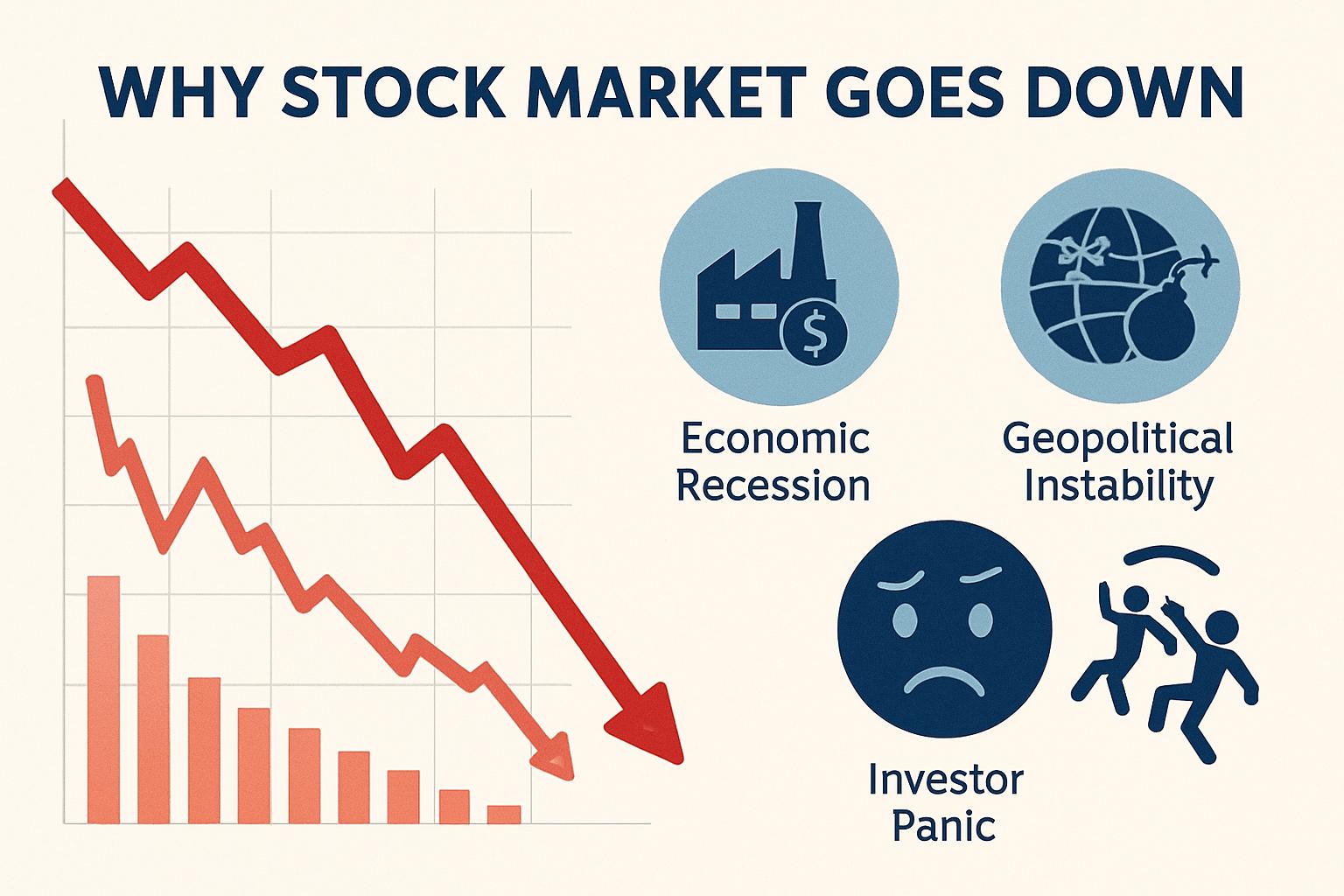
Economic Fundamentals and Macroeconomic Headwinds
One of the most profound drivers of stock market performance is the broader economic environment. When the fundamental health of economies falters or faces significant challenges, the ripple effects inevitably cascade into financial markets.
Interest Rate Hikes and Monetary Policy Tightening
Central banks, such as the U.S. Federal Reserve, wield immense power over economic cycles through their monetary policy tools, primarily interest rates. When inflation runs hot, central banks typically raise interest rates to cool down the economy by making borrowing more expensive. While effective in curbing inflation, this tightening has several implications for the stock market. Higher interest rates increase the cost of capital for businesses, impacting their profitability and growth prospects. It also makes bonds and other fixed-income investments more attractive relative to stocks, as they offer higher risk-free returns, prompting a rotation of capital out of equities. Furthermore, higher discount rates used in valuation models reduce the present value of future earnings, hitting growth stocks particularly hard.
Inflationary Pressures
Persistent inflation – a general rise in prices and fall in the purchasing value of money – is a significant concern for investors. While moderate inflation can be a sign of a healthy, growing economy, runaway inflation erodes corporate profit margins by increasing the cost of raw materials, labor, and transportation. Consumers, facing higher prices for goods and services, may reduce discretionary spending, further impacting company revenues. For investors, inflation reduces the real return on investments, and the expectation of central bank action to combat it often precedes interest rate hikes, creating a dual pressure point that can send stocks tumbling.
Slowing Economic Growth or Recession Fears
The specter of a recession, or even a pronounced slowdown in economic growth, is a potent catalyst for market declines. A recession is characterized by a significant decline in economic activity spread across the economy, lasting more than a few months, normally visible in real GDP, real income, employment, industrial production, and wholesale-retail sales. When economic growth stalls or reverses, corporate earnings suffer as demand for goods and services diminishes. Companies might cut back on investments, halt hiring, or even lay off employees, creating a vicious cycle. Leading economic indicators, such as manufacturing data, consumer confidence surveys, and unemployment claims, are closely watched by investors for signs of an impending slowdown, often leading to proactive selling as expectations for future corporate profits diminish.
Geopolitical Events and Global Instability
Beyond domestic economic indicators, the interconnectedness of the global economy means that events far from a company’s headquarters can still have a profound impact on its stock price and the broader market.
International Conflicts and Trade Wars
Geopolitical conflicts, such as regional wars or prolonged trade disputes between major economic powers, introduce a massive amount of uncertainty and risk into global markets. Conflicts can disrupt critical supply chains, leading to shortages and price spikes for essential commodities like oil and agricultural products. Sanctions imposed as a result of conflicts can isolate economies, sever business ties, and create volatility in currency markets. Trade wars, characterized by tariffs and retaliatory measures, increase costs for businesses, reduce international trade volumes, and can stifle economic growth, all of which directly weigh on corporate profitability and investor sentiment.
Energy Price Shocks
Sudden and significant spikes in energy prices, particularly crude oil and natural gas, have historically been precursors to economic downturns and market corrections. Energy is a fundamental input for nearly every sector of the economy, from manufacturing and transportation to heating homes and powering businesses. When energy costs surge, it acts like a tax on consumers and businesses, reducing disposable income and increasing operational expenses. This can dampen consumer spending, squeeze corporate profit margins, and contribute to inflationary pressures, prompting central banks to raise interest rates, thereby creating a multi-faceted drag on stock market performance.
Political Uncertainty and Policy Shifts
Domestic and international political landscapes are always in flux, and significant political events can inject considerable uncertainty into financial markets. Major elections, changes in government, or shifts in regulatory policy can create an environment where businesses struggle to plan for the future. For example, new environmental regulations might impact energy companies, or changes in tax policy could affect corporate earnings across the board. The unpredictability associated with political transitions or policy overhauls often leads investors to adopt a wait-and-see approach, potentially selling off riskier assets until a clearer picture emerges, contributing to market declines.
Corporate Performance and Sector-Specific Challenges
While macroeconomic and geopolitical forces set the broader stage, the fundamental health and prospects of individual companies and industries are what ultimately drive their stock prices.
Disappointing Earnings Reports
At the heart of stock market valuations is the expectation of future corporate earnings. When companies report quarterly earnings that fall short of analyst expectations, or when their forward guidance for future quarters is pessimistic, it can trigger sharp declines not just in that company’s stock, but potentially across its entire sector or the broader market if the disappointment is widespread. Lower earnings translate directly into lower profitability and, consequently, a lower intrinsic value for the company. This phenomenon highlights the importance of strong fundamental analysis and the impact of the quarterly earnings cycle on investor sentiment.
Industry-Specific Headwinds
Even when the broader economy is stable, specific industries can face unique challenges that lead to a downturn in their associated stocks. This could be due to rapid technological disruption (e.g., traditional retail struggling against e-commerce), changing consumer preferences (e.g., declining demand for certain products), increased competition, or new regulatory hurdles (e.g., pharmaceutical companies facing stricter drug approval processes). These headwinds can lead to reduced revenues, compressed margins, and a loss of market share for companies within the affected sector, causing investors to re-evaluate their valuations and potentially exit positions.
Debt Levels and Financial Health
A company’s balance sheet strength is a critical factor for investors. High levels of corporate debt, particularly in a rising interest rate environment, can become a significant burden. Increased interest payments eat into profits, and concerns about a company’s ability to service its debt can raise fears of financial instability or even bankruptcy. Furthermore, companies with weak balance sheets are more vulnerable during economic downturns, making them less attractive to investors seeking stability. If numerous companies within a sector or across the market show signs of financial distress due to excessive leverage, it can contribute to a broader market decline.
Investor Psychology and Market Dynamics
Beyond the tangible economic and corporate factors, the collective behavior and sentiment of investors themselves play an enormous role in market movements, often amplifying trends.
Fear, Uncertainty, and Doubt (FUD)
Markets are not purely rational. They are heavily influenced by human emotions, and fear, uncertainty, and doubt (FUD) can be powerful drivers of selling pressure. Negative news cycles, rumors, or a sudden downturn can trigger panic selling, where investors offload assets quickly, often without a thorough reassessment of fundamentals, simply because they fear further losses. This “herd mentality” can create a self-fulfilling prophecy, pushing prices down further than underlying fundamentals might justify. The speed and interconnectedness of modern financial markets mean that fear can spread rapidly, leading to swift and significant drops.
Technical Factors and Market Corrections
Sometimes, stock drops are simply a function of market dynamics after periods of sustained growth. A “market correction” is generally defined as a decline of 10% or more from a recent peak. These corrections are often healthy, serving to cool off overheated markets and bring valuations back in line with historical averages. They can be triggered by profit-taking after significant rallies, or by prices hitting key technical resistance levels that prompt traders to sell. Algorithmic trading, which executes trades based on pre-programmed rules and technical indicators, can also exacerbate downward movements by automatically selling when certain thresholds are breached.
Liquidity Crises and Systemic Risks
While rarer, systemic risks pose the most severe threat to financial markets. A liquidity crisis occurs when there is a sudden and severe shortage of liquidity across a financial market or segment of it. This means that buyers for assets disappear, making it difficult or impossible for sellers to find counter-parties, leading to sharp price declines. Such crises can be triggered by a major bank failure, a sovereign debt crisis, or an unexpected economic shock that undermines confidence in the entire financial system. The interconnectedness of global finance means that a problem in one corner of the world can quickly spread, leading to widespread market panic and significant stock market declines.
Navigating Market Declines: A Strategic Approach
Understanding why stocks drop is the first step; the next is knowing how to react, or, more importantly, how not to react impulsively. Market downturns, while unsettling, are a normal and often healthy part of the investment cycle.
Long-Term Perspective
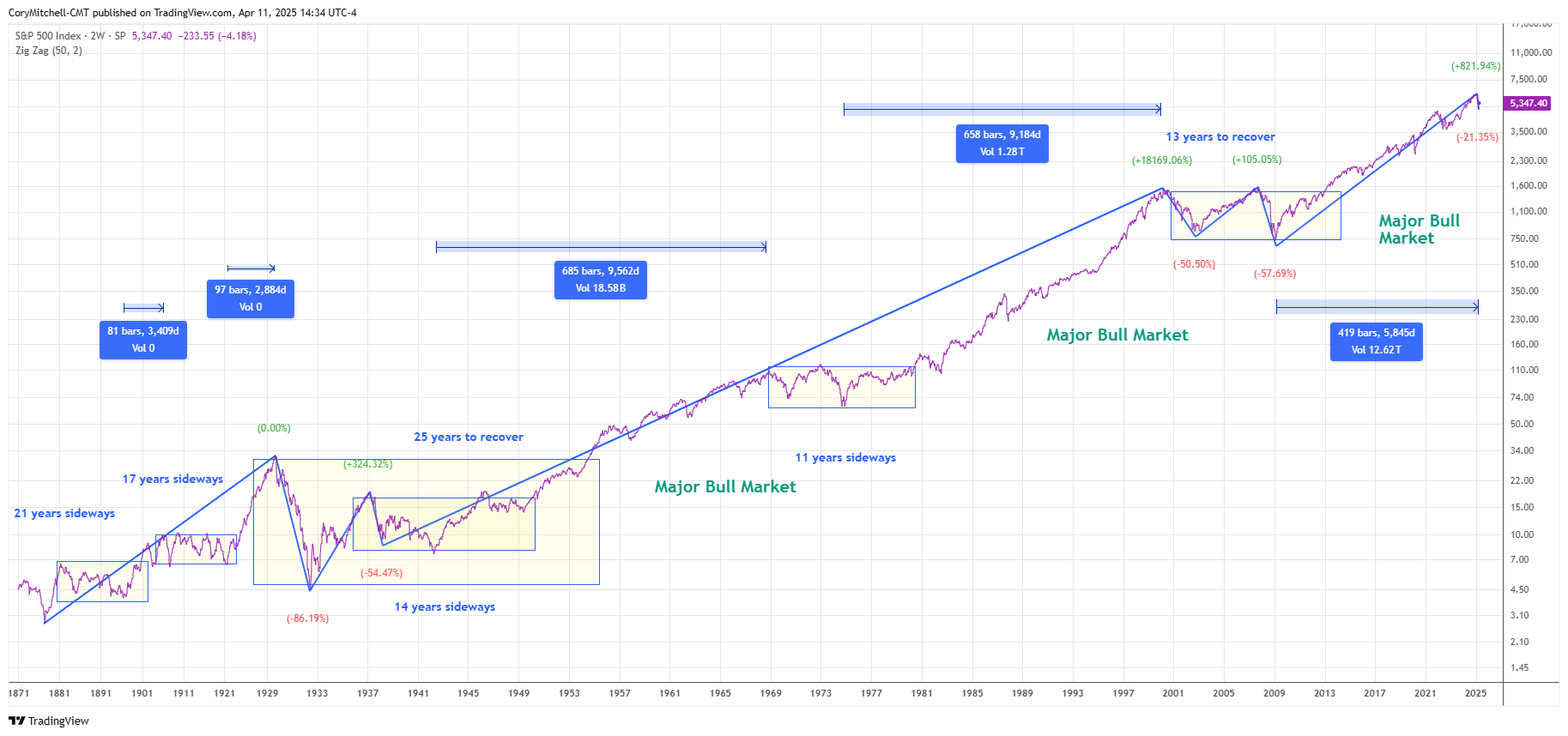
One of the most valuable lessons for investors is the importance of a long-term perspective. Historically, stock markets have recovered from every major downturn and have trended upwards over extended periods. Short-term volatility and corrections are inevitable, but panicking and selling during a drop often locks in losses and prevents participation in the subsequent recovery. Focusing on long-term financial goals allows investors to weather temporary storms without making emotionally driven decisions that undermine their wealth accumulation strategy.
Diversification and Asset Allocation
A well-diversified portfolio is the best defense against market volatility. By spreading investments across various asset classes (stocks, bonds, real estate, commodities), different industries, geographies, and company sizes, investors can mitigate the impact of a downturn in any single area. When one sector or asset class is struggling, others might be performing relatively better, providing a buffer. Strategic asset allocation, which involves determining the optimal mix of assets based on an investor’s risk tolerance and time horizon, ensures that a portfolio is resilient even during market stress.
Rebalancing and Dollar-Cost Averaging
Market drops can be viewed not just as risks, but as opportunities. “Buying the dip” is a strategy many seasoned investors employ. Dollar-cost averaging, which involves investing a fixed amount of money at regular intervals regardless of market fluctuations, ensures that an investor buys more shares when prices are low and fewer when prices are high. This systematic approach can lower the average cost per share over time. Similarly, rebalancing a portfolio involves periodically adjusting asset allocations back to their target weights, which often means selling assets that have performed well (and are now overweight) and buying assets that have underperformed (and are now underweight), thus capitalizing on market movements.
Opportunity in Volatility
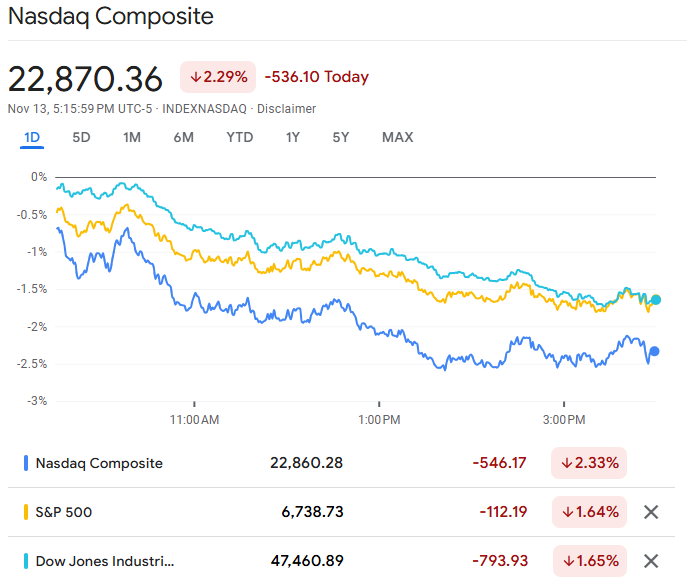
While fear grips many during a market drop, insightful investors often see these periods as prime opportunities. High-quality companies that were previously considered expensive may become available at more attractive valuations. Market corrections can shake out weaker, overvalued companies, leaving stronger players to thrive. This is a time when thorough research and due diligence become paramount, enabling investors to identify undervalued assets with strong fundamentals and long-term growth potential, positioning themselves for significant gains during the subsequent market recovery.
In conclusion, stock market drops are complex events, rarely attributable to a single cause. They are the intricate dance of economic fundamentals, geopolitical realities, corporate performance, and, crucially, human psychology. For the discerning investor, understanding these dynamics is not about predicting the next downturn, but about cultivating resilience, maintaining a long-term perspective, and applying sound investment principles that transform fear into strategic opportunity. By doing so, market drops cease to be solely moments of anxiety and instead become integral, albeit sometimes painful, chapters in the journey of wealth creation.
aViewFromTheCave is a participant in the Amazon Services LLC Associates Program, an affiliate advertising program designed to provide a means for sites to earn advertising fees by advertising and linking to Amazon.com. Amazon, the Amazon logo, AmazonSupply, and the AmazonSupply logo are trademarks of Amazon.com, Inc. or its affiliates. As an Amazon Associate we earn affiliate commissions from qualifying purchases.