
The stock market is a complex ecosystem, a living entity that breathes through the collective decisions of millions of investors, ranging from retail day traders to massive institutional hedge funds. When the ticker tape turns green and the major indices—the S&P 500, the Dow Jones Industrial Average, and the Nasdaq—climb in unison, investors naturally ask: Why did the stock market rise today? Understanding these movements requires looking past the surface-level numbers and diving into the intricate web of macroeconomics, corporate performance, and investor psychology.
A single day’s rally is rarely the result of a single event. Rather, it is typically a confluence of factors that align to create a “risk-on” environment. Whether it is a cooling inflation report, a surprisingly strong earnings season, or a shift in central bank rhetoric, the catalysts for a market upswing are multifaceted. In this exploration, we will break down the primary drivers that propel equity markets upward and what these shifts mean for your personal finance strategy.
The Macroeconomic Engine: Why Interest Rates and Inflation Dictate Momentum
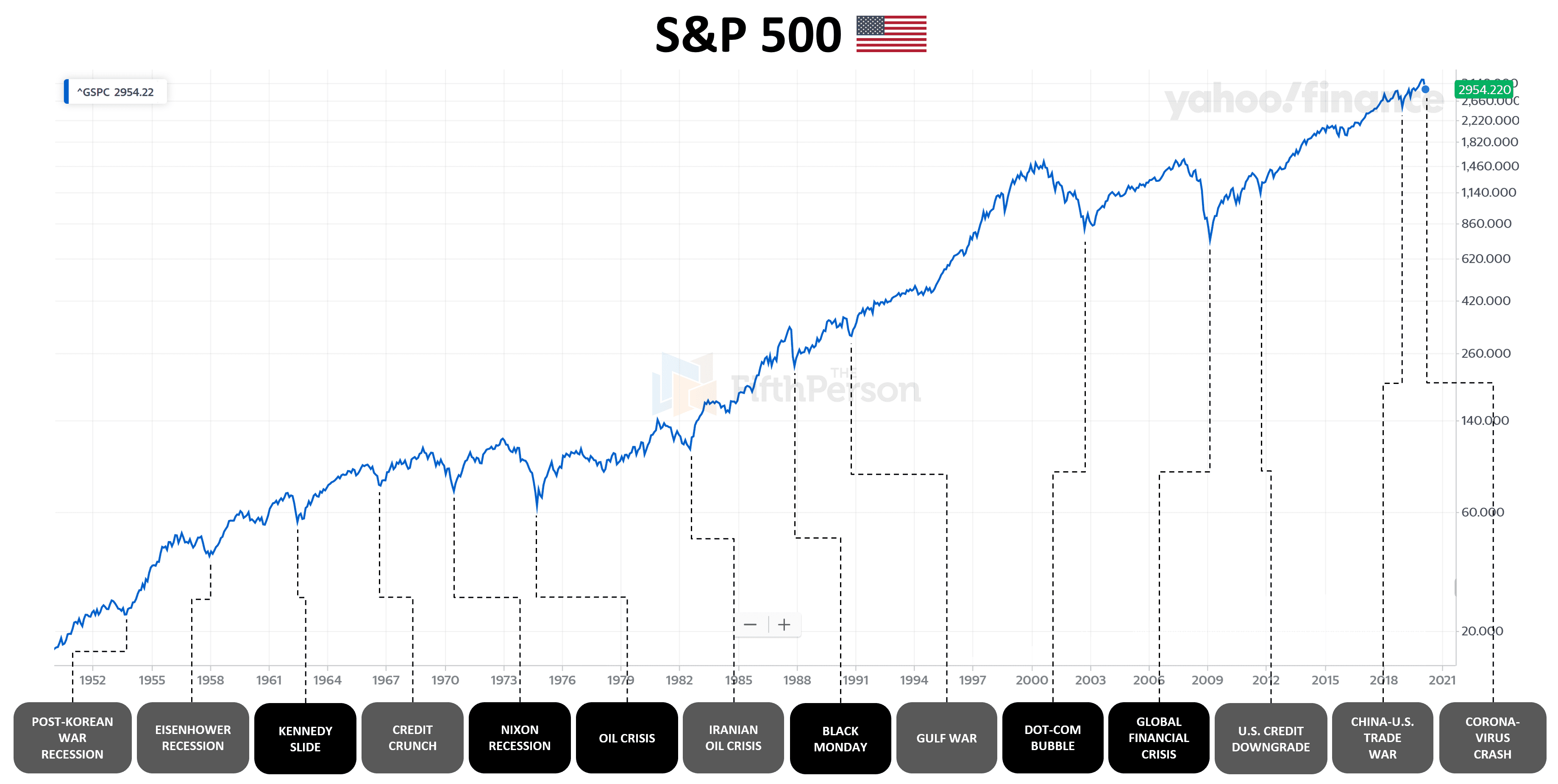
At the heart of every market movement lies the macroeconomic environment. For the modern investor, no two factors are more influential than inflation and the subsequent response from central banks, most notably the Federal Reserve in the United States.
The Role of the Federal Reserve and Interest Rates
The stock market has an inverse relationship with interest rates. When interest rates are high or rising, the cost of borrowing increases for both consumers and corporations. This tends to slow down economic activity and makes future corporate earnings less valuable when discounted back to the present. Conversely, when the Federal Reserve signals a “dovish” stance—meaning they are likely to pause rate hikes or begin cutting them—the market often responds with a significant rally.
Today’s rise may be attributed to a shift in expectations regarding the “terminal rate.” If investors believe the Fed has reached the peak of its tightening cycle, they begin to price in a more favorable environment for business expansion. Lower rates mean cheaper capital, which fuels investment in research, development, and infrastructure, ultimately driving stock prices higher.
Inflationary Pressures and the Consumer Price Index (CPI)
Inflation is the silent killer of purchasing power, and the stock market hates uncertainty regarding price stability. Markets often rally on days when the Consumer Price Index (CPI) or the Personal Consumption Expenditures (PCE) price index comes in lower than expected.
When inflation data “cools,” it provides the central bank with the breathing room necessary to ease monetary policy. A lower-than-anticipated inflation print suggests that the economy is achieving a “soft landing”—a scenario where inflation returns to target levels without triggering a deep recession. This optimism is a powerful fuel for market gains, as it restores confidence in the consumer’s ability to keep spending and the corporation’s ability to maintain profit margins without constant price hikes.
The Influence of Corporate Performance and Earnings Seasons
While macroeconomics sets the stage, corporate earnings are the individual actors that drive the narrative. Every quarter, publicly traded companies release their financial results, providing a window into the health of the private sector.
Revenue Growth and Margin Expansion
A market rise is often concentrated in sectors that show resilient earnings power. When major companies report revenue growth that beats analyst expectations, it signals that demand remains robust despite economic headwinds. However, revenue is only half the story. Investors also look closely at profit margins.
In an era of rising costs, companies that can maintain or expand their margins through efficiency, automation, or brand loyalty are rewarded handsomely. If a bellwether company—such as a major tech giant or a massive retail conglomerate—reports strong earnings and, more importantly, provides “positive guidance” (an optimistic outlook for future quarters), it can lift the entire index. This “halo effect” occurs because strong performance from a market leader suggests that the broader industry is also healthy.
The “Magnificent” Influence of Market Caps
In the modern market, a handful of mega-cap stocks often carry the weight of the entire index. Due to the market-cap-weighted nature of indices like the S&P 500, a significant jump in just five or six of the largest companies can cause the entire market to rise, even if the majority of smaller stocks are trading flat.
Today’s upward movement might be driven by a breakthrough in a specific sector, such as Artificial Intelligence or renewable energy, which disproportionately benefits the largest players. When these giants move, the indices follow, creating a sense of broad-market strength that encourages further buying.
Technical Analysis and the Psychology of the Rally
Not every market move is rooted in fundamental data like earnings or interest rates. Sometimes, the stock market rises because of the way it is structured and the way humans—and algorithms—interact with it.
Algorithmic Trading and Technical Breakouts
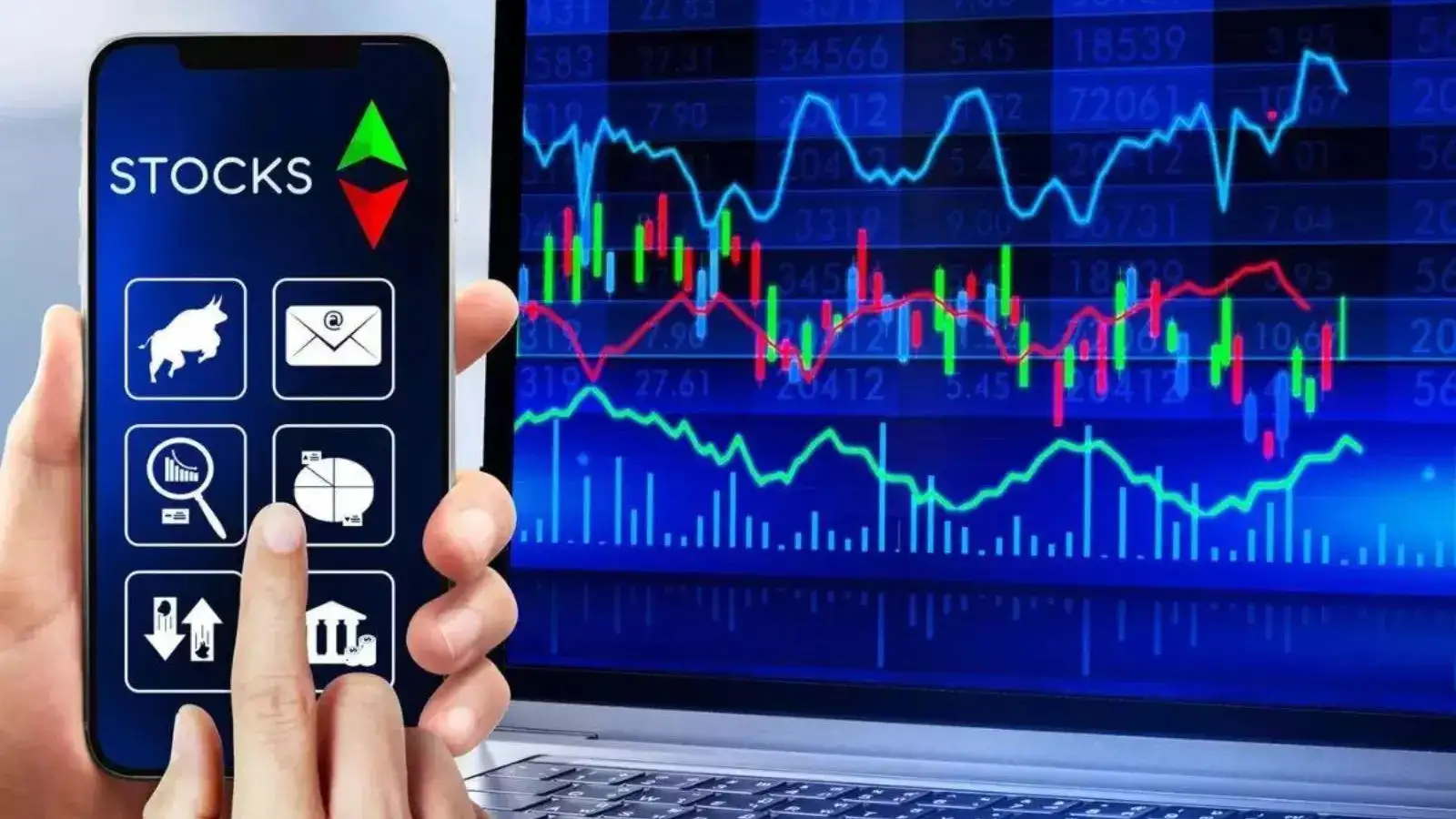
A significant portion of daily trading volume is executed by high-frequency trading algorithms. These programs are designed to identify technical patterns. If an index hits a “support level”—a price point where buying interest has historically been strong—algorithms may trigger a wave of buy orders.
Furthermore, if the market breaks through a “resistance level” (a previous ceiling), it often leads to a momentum trade. As the price moves higher, it triggers “stop-loss” orders for short-sellers, forcing them to buy back shares to close their positions. This phenomenon, known as a “short squeeze,” can rapidly accelerate a market rise, turning a modest gain into a full-blown rally.
Investor Sentiment and the “Fear of Missing Out” (FOMO)
Human psychology plays a pivotal role in market dynamics. Financial markets are often driven by two primary emotions: fear and greed. On a day when the market rises, the “Fear of Missing Out,” or FOMO, often takes hold of the retail and institutional investment community alike.
When investors see prices climbing, they worry about being left on the sidelines while their peers reap gains. This leads to a surge in buying activity that is decoupled from fundamental news. Sentiment indicators, such as the Put/Call Ratio or the VIX (Volatility Index), often show a shift toward “greed” or “complacency” during these periods. While fundamentalists may argue the rise is unjustified, the sheer weight of capital moving into the market based on sentiment is enough to keep prices trending upward.
Geopolitical Stability and External Catalyst Events
The global economy is interconnected, and events occurring thousands of miles away can have an immediate impact on domestic stock prices. A rise in the market often reflects a decrease in global “risk premium.”
Global Trade and Supply Chain Resilience
Markets thrive on stability. If there is news of a de-escalation in a trade conflict, a peace negotiation in a volatile region, or a breakthrough in global supply chain logistics, investors breathe a sigh of relief. For instance, a drop in crude oil prices can act as a massive tax cut for both consumers and businesses, lowering the cost of transport and production. When energy costs stabilize, the market often responds by revaluing equities higher, as the threat of an “energy-led recession” fades.
Fiscal Policy and Government Spending
Government action, separate from the Federal Reserve, also influences market direction. Announcements regarding new infrastructure bills, tax incentives for specific industries, or a resolution to a looming budget stalemate can provide the certainty that markets crave. When the government signals a commitment to supporting economic growth through fiscal policy, it creates a “safety net” perception, encouraging investors to move capital out of safe-haven assets like gold or bonds and back into the equity markets.
Strategic Implications: What a Green Day Means for Your Portfolio
While it is exciting to see a portfolio increase in value in a single day, the savvy investor knows that a “green day” is just one data point in a much larger trajectory. Navigating these rallies requires a disciplined approach to personal finance and investing.
Avoiding the Trap of Market Timing
One of the most common mistakes investors make is trying to time the market based on daily movements. Chasing a rally that has already begun often leads to buying at the “top.” History shows that the best days in the market often occur very close to the worst days. If an investor misses just a handful of these high-performing days because they were waiting on the sidelines, their long-term returns can be significantly diminished.
Rather than asking “why did the market rise today” to decide whether to buy in, use the information to validate your long-term thesis. If the rise is based on cooling inflation and strong earnings, it suggests the fundamental environment is healthy, which supports a “buy and hold” or “dollar-cost averaging” strategy.
The Importance of a Long-Term Diversified Strategy
A rising market is a reminder of the power of equity ownership. However, not all stocks rise equally. Diversification remains the only “free lunch” in investing. While a rally in the tech sector might drive the Nasdaq to record highs, a well-balanced portfolio should also include exposure to healthcare, consumer staples, and international markets.
When the market rises, it is also an opportune time for “rebalancing.” If your stock holdings have grown to represent a larger percentage of your portfolio than originally intended due to a rally, selling a small portion to move into bonds or cash can help lock in gains and maintain your desired risk profile.
In conclusion, the stock market rose today because of a delicate balance of economic data, corporate resilience, and technical momentum. Whether it was a response to a favorable Fed signal or a blowout earnings report from a market leader, the underlying theme is one of renewed confidence. For the disciplined investor, these daily fluctuations are not a signal to change course, but rather a confirmation of the long-term wealth-generating power of the financial markets. Stay focused on the fundamentals, manage your risk, and remember that time in the market is almost always superior to timing the market.
aViewFromTheCave is a participant in the Amazon Services LLC Associates Program, an affiliate advertising program designed to provide a means for sites to earn advertising fees by advertising and linking to Amazon.com. Amazon, the Amazon logo, AmazonSupply, and the AmazonSupply logo are trademarks of Amazon.com, Inc. or its affiliates. As an Amazon Associate we earn affiliate commissions from qualifying purchases.