
For millions of borrowers, the sight of an increased student loan payment can be a source of immediate stress and confusion. After years of predictable payments, or perhaps the long federal payment pause, a sudden spike in your monthly obligation demands attention. Understanding the specific factors behind this change is crucial for managing your personal finances effectively and making informed decisions about your debt. Several common scenarios can lead to higher student loan payments, ranging from programmatic shifts in federal policy to individual changes in your loan terms or personal financial situation.
The End of the Federal Student Loan Payment Pause and Interest Accrual
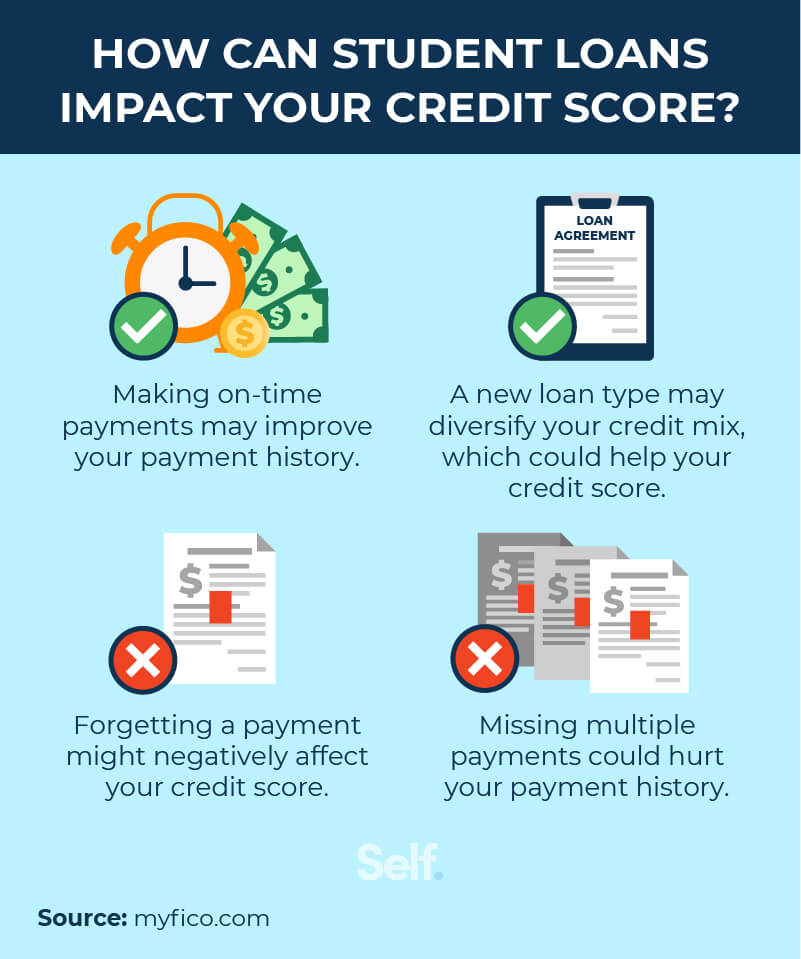
One of the most widespread reasons for recent payment increases stems from the conclusion of the COVID-19 related payment pause on federal student loans. For over three years, most federal student loan borrowers enjoyed a period of suspended payments and 0% interest rates. The return to standard operations has naturally led to higher payments for many.
Reintroduction of Interest
During the payment pause, interest on eligible federal student loans was set at 0%. This meant that even if you were making payments voluntarily, 100% of your payment went directly toward reducing your principal balance. When interest began accruing again in September 2023, and payments resumed in October 2023, the calculation of your monthly payment changed significantly. Your scheduled payment now includes the interest that accrues each month, potentially leading to a higher overall payment amount compared to what you might have been paying before the pause, or what you might have expected if you weren’t fully aware of the interest capitalization. This is particularly true for borrowers whose loan balances have not decreased substantially and for those who previously benefited from the 0% interest to pay down principal faster.
Resumption of Payments
Beyond the reintroduction of interest, the simple resumption of payments after such a prolonged break means that many borrowers are now facing their full, unpaused monthly obligation for the first time in years. While this isn’t an “increase” in the sense of a changed payment amount relative to your pre-pause schedule, it feels like an increase compared to the $0 payments many grew accustomed to. It represents the return of a significant monthly expense that had been absent from household budgets, requiring a major financial adjustment. For some, the transition period, including a “on-ramp” for missed payments without penalty, may have delayed the full impact, only for it to materialize later when stricter enforcement of payments began.
Changes to Your Loan Terms or Repayment Plan
Beyond broad federal policy shifts, specific changes to your individual loan terms or your chosen repayment plan can directly impact your monthly student loan bill. These changes are often highly individualized and require a review of your loan documents.
Exiting Income-Driven Repayment (IDR) Plans
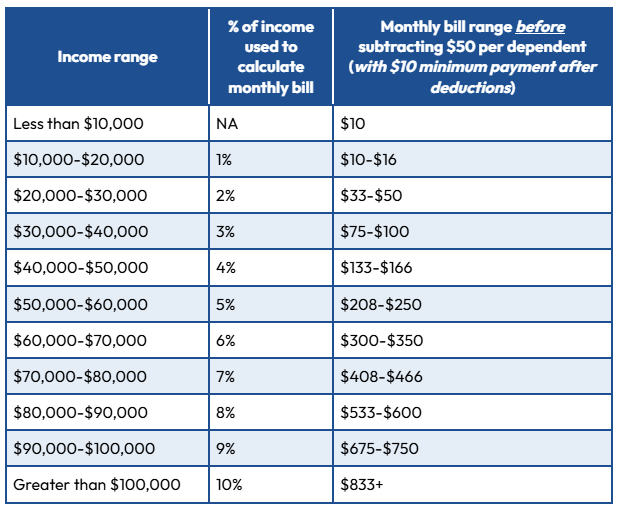
Income-Driven Repayment (IDR) plans are designed to make student loan payments affordable by capping them at a percentage of your discretionary income. However, IDR plans require annual recertification of your income and family size. If you fail to recertify on time, or if your income has increased significantly since your last certification, your monthly payment can jump dramatically.
When you miss an IDR recertification deadline, your loan servicer will typically place you on the Standard Repayment Plan, which is calculated to repay your loan in 10 years, or the remaining term of your original loan if it was longer. This often results in a much higher payment than what you were paying under your IDR plan, especially if your income was low or your loan balance was high.
Even if you do recertify, an increase in your income or a decrease in your family size can lead to a higher IDR payment. This is the very nature of an income-driven plan: as your ability to pay increases, so does your payment obligation, up to the amount you would pay on a Standard Plan.
Graduated Repayment Plan Adjustments
Some borrowers opt for a Graduated Repayment Plan, which starts with lower payments that gradually increase every two years. If you’ve been on a Graduated Plan, a payment increase could simply be the scheduled step-up in your payment amount. While these increases are built into the plan from the outset, they can still catch borrowers off guard if they haven’t meticulously tracked their payment schedule. These plans are structured to ensure the loan is paid off within a specific timeframe, typically 10 years for federal loans, by escalating the payments as time progresses.
Loan Refinancing or Consolidation
If you recently refinanced your student loans with a private lender or consolidated your federal loans, your payment structure likely changed.
Refinancing: When you refinance, you take out a new loan from a private lender to pay off your existing student loans. The new loan will have new terms, a new interest rate, and a new repayment schedule. While many refinance to get a lower interest rate or a more favorable repayment term, choosing a shorter repayment period (e.g., going from 20 years to 10 years) will almost certainly increase your monthly payment, even if your interest rate is lower. Conversely, extending your repayment term might lower your monthly payment, but it will increase the total interest paid over the life of the loan.
Federal Consolidation: Consolidating federal loans combines multiple federal loans into a single Direct Consolidation Loan. While this simplifies payments and can sometimes lower payments by extending the repayment term, it can also lead to an increased payment if you choose a shorter repayment period or if your previous loans had different repayment structures that resulted in lower initial payments. It can also cause previously unpaid interest to capitalize, increasing your principal balance.
Variable Interest Rate Adjustments
Private student loans, unlike fixed-rate federal loans, can sometimes come with variable interest rates. A variable rate loan means that your interest rate can fluctuate based on a benchmark index (like the prime rate or SOFR). If the benchmark rate increases, your loan’s interest rate will also increase, leading to a higher monthly payment. In periods of rising interest rates, such as those experienced recently, borrowers with variable-rate private student loans are particularly susceptible to payment hikes. It’s essential to understand whether your private loans have a fixed or variable rate and to monitor economic indicators that influence variable rates if applicable.
Administrative and Servicing Changes
Sometimes, payment increases are due to less direct factors related to how your loans are managed or administrative actions taken by your loan servicer or the Department of Education.
Servicer Transfers
It’s not uncommon for student loan accounts to be transferred between different servicers. While the underlying loan terms typically remain the same, a new servicer might interpret or apply certain rules differently, or their systems might calculate payments slightly differently, leading to a minor adjustment. More significantly, if you had an existing agreement or forbearance plan with your previous servicer, a new servicer might not immediately honor it, or there might be a lag in applying your current status, resulting in a default to a higher standard payment until your account is fully processed. Communication gaps during transfers can also leave borrowers unaware of upcoming changes or deadlines, like IDR recertification, which can then trigger a payment increase.
Administrative Forbearance Ending
Following the end of the federal payment pause, many borrowers were automatically placed into a period of administrative forbearance by their servicers to help manage the transition. While this temporarily alleviated the payment burden, it also meant that payments would eventually resume. If your administrative forbearance recently ended, your full monthly payment obligation would kick back in, potentially appearing as a sudden increase compared to the recent $0 payments. It’s crucial to understand the duration of any forbearance periods and plan for the eventual return of your full payment. Interest generally continues to accrue during administrative forbearance periods on unsubsidized loans, which can also contribute to a higher balance and subsequent higher payments.
Life Events and Financial Adjustments
Your personal circumstances and financial situation are directly tied to your student loan payments, especially for those enrolled in income-driven plans.
Income Fluctuations and IDR Recertification
As discussed, IDR payments are based on your income and family size. A significant increase in your reported income during your annual recertification will almost certainly lead to a higher payment. This could be due to a new job, a promotion, a raise, or a spouse’s increased earnings. While a higher income is generally positive, it does come with the caveat of higher IDR payments, reflecting your increased ability to pay. Conversely, if your income decreases, your payment should also decrease upon recertification.
Marriage or Changes in Household Size
If you are on an IDR plan and you get married, your spouse’s income may be included in the calculation of your discretionary income, depending on how you file your taxes (jointly or separately) and the specific IDR plan you are on. This can substantially increase your household income for IDR purposes, leading to a higher payment. Similarly, a decrease in your household size (e.g., children moving out of the household and no longer being dependents) can also increase your discretionary income and, consequently, your IDR payment.
Loss of Eligibility for Certain Benefits
Some borrowers might have qualified for specific payment reductions or deferments due to particular circumstances (e.g., unemployment deferment, in-school deferment). If those circumstances change or expire, and you no longer qualify for the benefit, your payments will revert to your standard schedule, resulting in an increase. This is particularly relevant if you were granted an extended period of lower payments or no payments due to a specific life event or professional qualification that has since changed.
Understanding Your Options and Taking Action
Discovering why your student loan payment increased is the first step; taking action is the next. Proactive engagement with your servicer and a clear understanding of your financial landscape are essential.
Review Your Loan Details
Start by logging into your loan servicer’s portal. Review your loan details, including your repayment plan, interest rate, and payment history. Look for any notifications or communications from your servicer regarding changes to your account. Your servicer’s website should provide a detailed breakdown of your current payment, including how much is going to principal and interest. If you have federal loans, you can also access information at studentaid.gov.
Contact Your Loan Servicer
If the reason for the increase isn’t immediately clear from your online account, contact your loan servicer directly. They can explain the specific factors contributing to your higher payment and clarify your current loan terms. Be prepared with your account number and be ready to ask specific questions about the payment calculation. Document who you spoke with, when, and what was discussed.
Explore Alternative Repayment Plans
If the increased payment is unaffordable, inquire about switching to a different repayment plan. For federal student loans, options include various Income-Driven Repayment (IDR) plans (such as the new SAVE Plan, PAYE, IBR, ICR) that can significantly lower your monthly payment based on your income and family size. Each plan has different eligibility requirements and benefits, so it’s important to understand which one best suits your situation. For private loans, options are typically more limited but may include temporary hardship programs or extended repayment terms, depending on the lender.
Consider Refinancing (with caution)
For borrowers with strong credit and stable income, refinancing private student loans (or even federal loans, though this forfeits federal benefits) could lead to a lower interest rate and potentially a more manageable monthly payment. However, carefully weigh the pros and cons. Refinancing federal loans into a private loan means losing access to federal protections like IDR plans, deferment/forbearance options, and potential loan forgiveness programs. Only consider this if you are confident in your ability to repay and have explored all federal options.

Budgeting and Financial Planning
Regardless of the cause, an increased student loan payment necessitates a review of your overall budget. Identify areas where you can reduce expenses or increase income to accommodate the new payment. This might involve cutting discretionary spending, seeking a side hustle, or negotiating a raise. Integrating your student loan payments into a comprehensive financial plan will help you maintain control and avoid future surprises. Utilizing budgeting tools or consulting a financial advisor can provide valuable support in restructuring your finances to meet this increased obligation.
aViewFromTheCave is a participant in the Amazon Services LLC Associates Program, an affiliate advertising program designed to provide a means for sites to earn advertising fees by advertising and linking to Amazon.com. Amazon, the Amazon logo, AmazonSupply, and the AmazonSupply logo are trademarks of Amazon.com, Inc. or its affiliates. As an Amazon Associate we earn affiliate commissions from qualifying purchases.