
Cash App has revolutionized the way millions manage their money, offering a seamless platform for sending, receiving, and even investing funds. However, for many users seeking immediate financial assistance, the question “why can’t I borrow money from Cash App?” remains a frequent point of confusion. The answer lies in understanding Cash App’s core business model, the intricate world of financial lending, and the limited scope of its experimental borrowing features.
Cash App’s Primary Purpose: A Peer-to-Peer Payment Powerhouse, Not a Traditional Lender
At its heart, Cash App is designed as a financial technology platform primarily focused on facilitating peer-to-peer (P2P) payments. Its immense popularity stems from its ease of use in splitting bills, paying friends, or receiving payments for goods and services. While its functionalities have expanded significantly over time, it fundamentally operates differently from a bank or a dedicated lending institution.
Beyond Simple Transfers: Investing and Spending
Cash App has evolved to offer a suite of financial tools that extend beyond basic money transfers. Users can directly deposit paychecks, acquire a Cash Card for everyday spending, and even dip their toes into investing in stocks and Bitcoin. These features aim to make financial management more accessible and integrated for its user base.
However, each of these services operates within specific financial regulatory frameworks distinct from traditional lending. For instance, its investment features are typically facilitated through licensed brokerage partners, not directly by Cash App as a lender. The Cash Card functions as a debit card linked to your Cash App balance, drawing from your own deposited funds, not a line of credit. Understanding this distinction is crucial: Cash App is primarily a facilitator of transactions and access to certain financial markets, not a traditional lender providing capital based on a credit assessment.
The Fundamental Difference from Traditional Lenders
Traditional lenders, such as banks, credit unions, and licensed personal loan companies, are built around the business of extending credit. This involves significant capital reserves, complex risk assessment algorithms, and extensive regulatory compliance to protect both the lender and the borrower. They assess creditworthiness, debt-to-income ratios, and payment history to determine eligibility and interest rates. Cash App, by contrast, was not established with this lending infrastructure or regulatory mandate at its core. Its primary focus is on the efficient movement and management of existing funds, not the creation of new debt.
The Complex Landscape of Lending: Why Not Every App Can Be a Lender
The ability to lend money is not merely a feature an app can “turn on.” It involves navigating a highly regulated and capital-intensive sector designed to mitigate risks for both the financial institution and the consumer. The distinctions between a payment platform and a lending institution are profound and legally significant.
Regulatory Hurdles and Consumer Protection
Lending is one of the most heavily regulated sectors of the financial industry. Governments and financial authorities (like the Consumer Financial Protection Bureau in the U.S.) establish strict rules to prevent predatory lending, ensure fair interest rates, and protect consumers from deceptive practices. These regulations cover everything from disclosure requirements and interest rate caps to debt collection practices and dispute resolution.
For a company like Cash App to become a widespread lender, it would need to acquire specific lending licenses in potentially all 50 U.S. states, meet stringent capital requirements, and implement robust compliance systems. This represents a substantial shift in operational focus, legal structure, and financial commitment that goes far beyond its current scope as a payment facilitator. The cost and complexity of meeting these requirements for a mass-market, app-based lending product are immense.
Capital Requirements and Risk Assessment
Lending requires substantial capital. Lenders use their own funds (or funds raised from investors) to provide loans, understanding that a percentage of those loans may default. They must have sufficient reserves to absorb these losses without jeopardizing their solvency. This risk management involves sophisticated underwriting processes to assess a borrower’s likelihood of repayment.
Payment apps like Cash App typically do not hold the vast capital reserves or possess the extensive infrastructure for credit underwriting that traditional lenders do. Their business model is built on transaction fees, interchange revenue from cards, and potentially spread on investment products, not on managing a large, risky loan portfolio. Establishing such an operation would fundamentally alter their business model and risk profile.
Avoiding Predatory Practices
The concern about predatory lending is paramount in consumer finance. Unregulated or lightly regulated lending can lead to exorbitant interest rates, hidden fees, and debt traps. Regulatory bodies exist precisely to prevent these abuses. Any company entering the lending space, especially one with a broad user base like Cash App, would face intense scrutiny to ensure its practices are fair, transparent, and do not exploit financially vulnerable individuals. Maintaining this standard requires significant investment in compliance, customer service, and robust ethical guidelines.
Decoding Cash App Borrow: A Limited Pilot Program
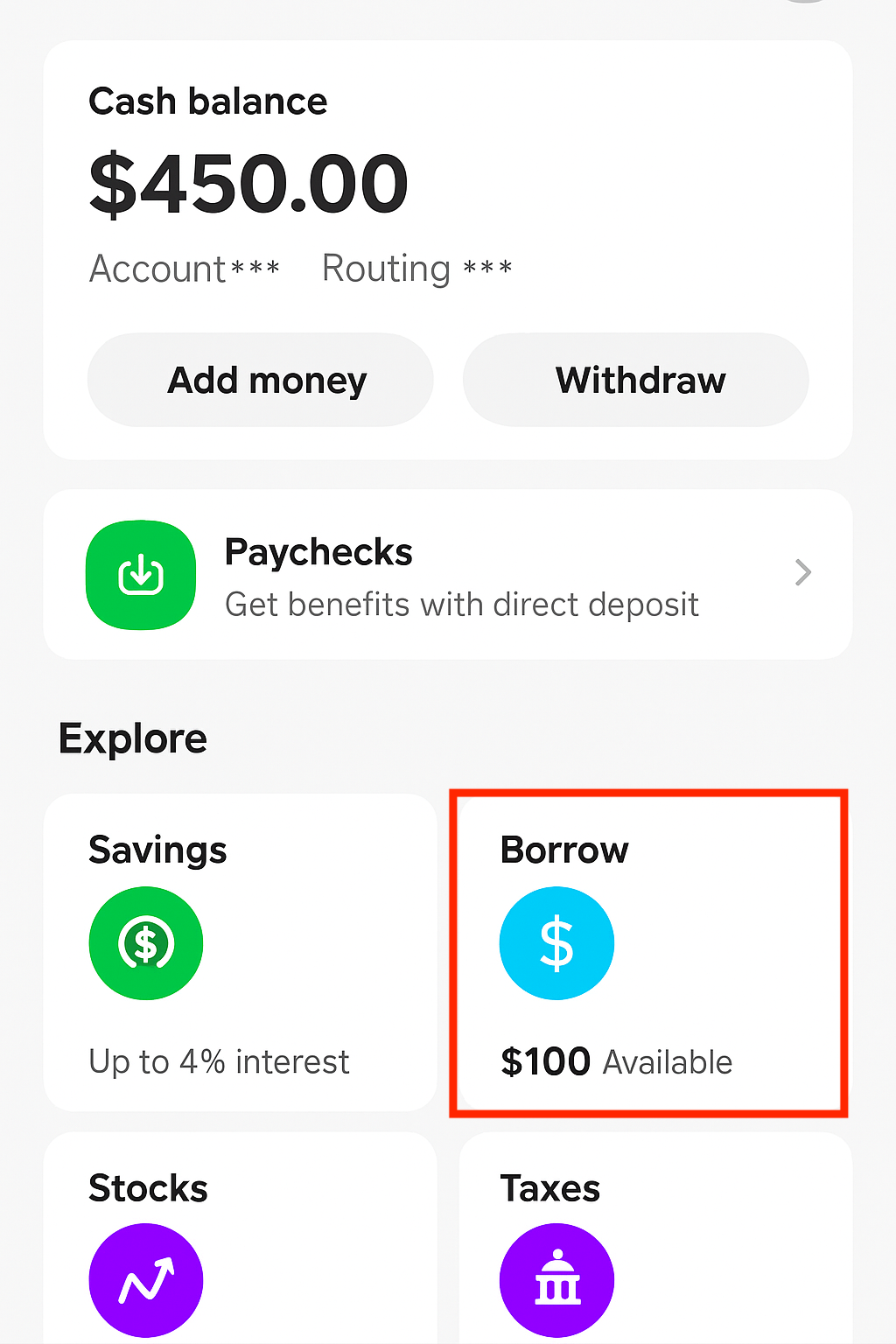
While the general assumption is that Cash App doesn’t offer loans, it’s important to acknowledge that the company did pilot a very specific “Borrow” feature for a select group of users. This feature was an experimental step into a highly controlled form of short-term lending, but it was far from a universal offering.
What is Cash App Borrow?
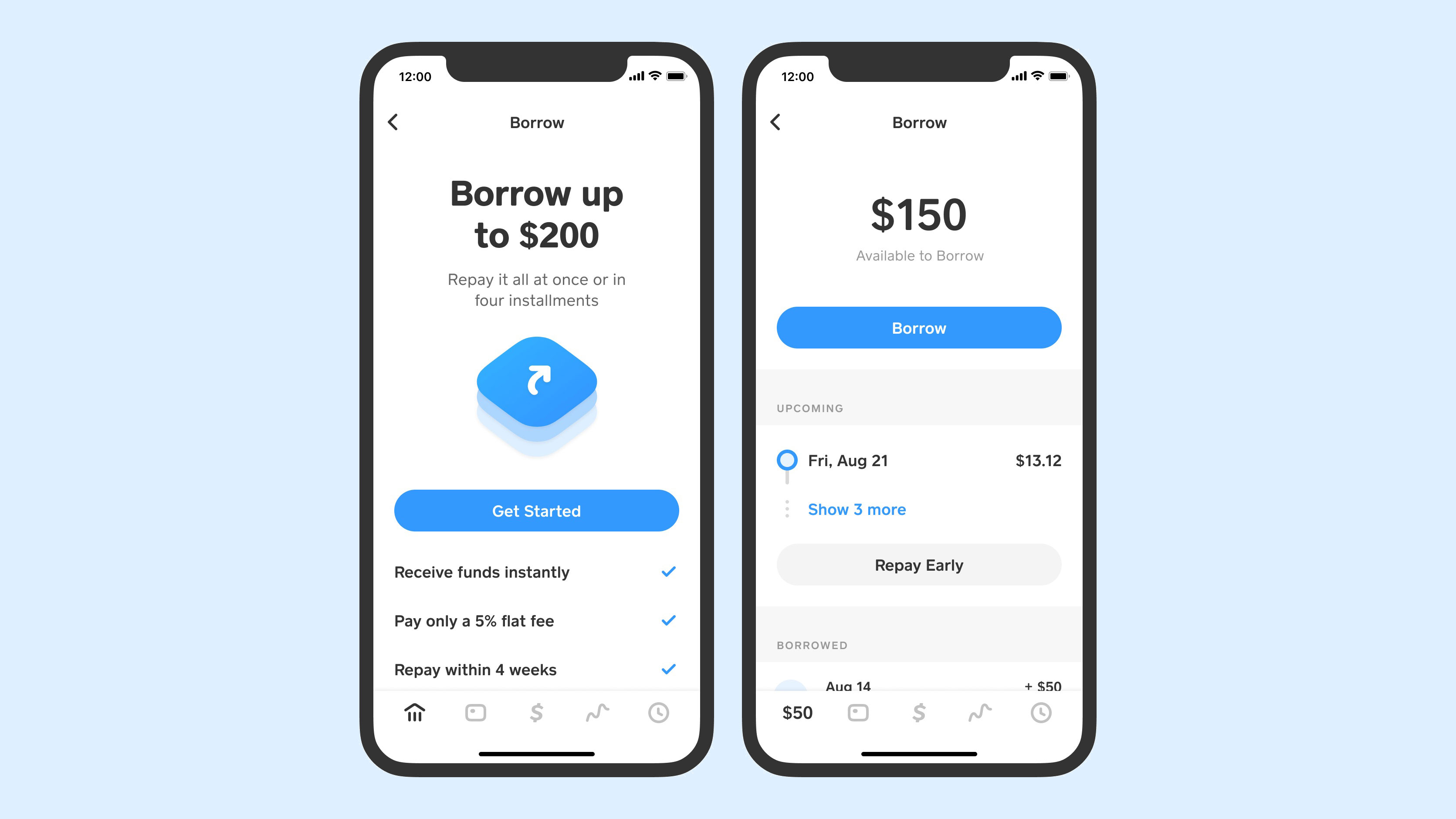
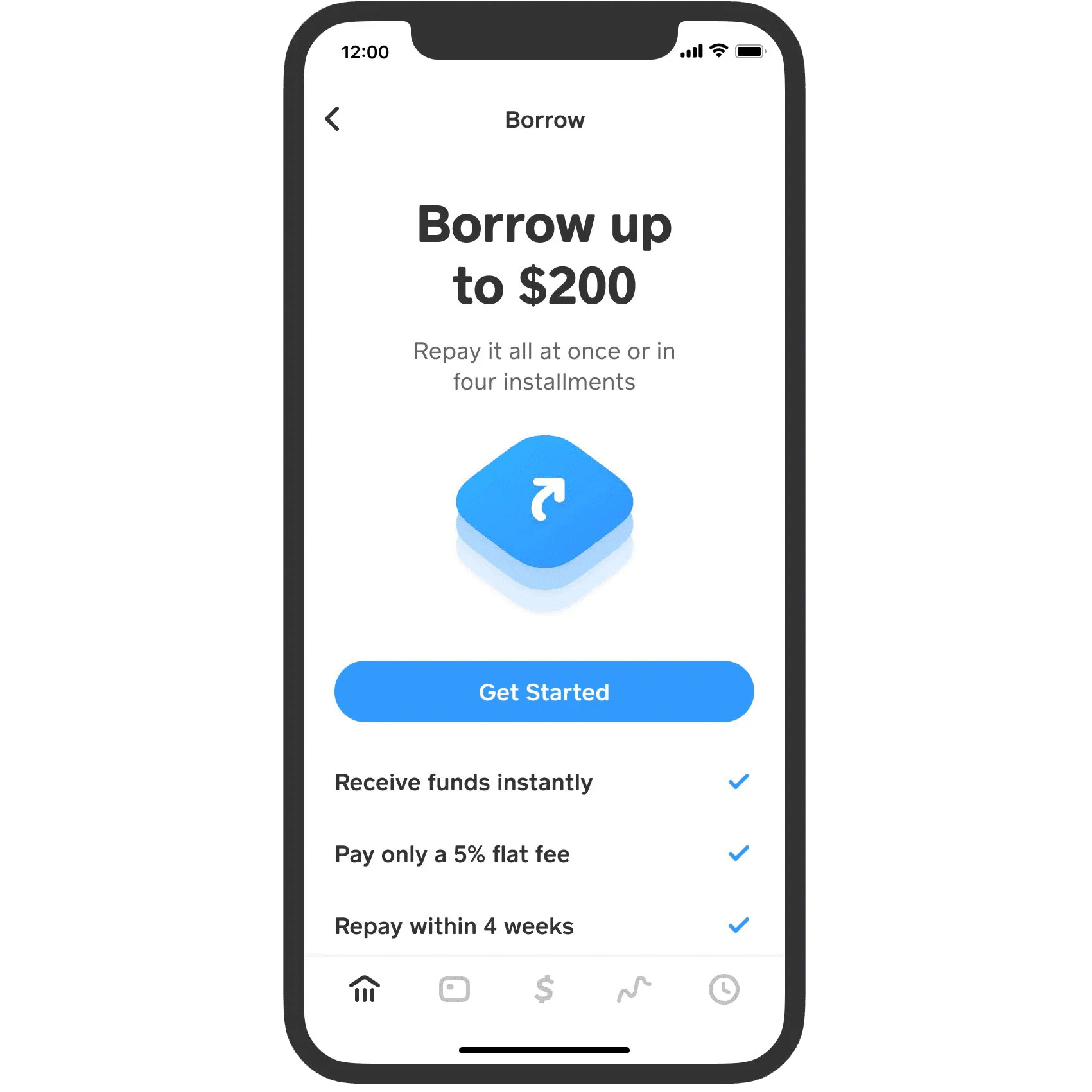
The “Borrow” feature was a pilot program that allowed eligible users to borrow small amounts of money, typically between $20 and $200, with a fixed interest rate (e.g., 5%) and a repayment period of about four weeks. It was designed as a micro-loan solution, akin to some payday advance services but with clearer terms and potentially lower fees. The intention was to offer a quick, short-term financial bridge for unexpected expenses.
However, it’s critical to understand that this was a pilot. It was not rolled out nationwide or to all users, and its availability has been inconsistent. Furthermore, the terms and conditions of such pilot programs can change, and the program itself may be paused or discontinued based on internal assessment and regulatory considerations. Many users who search for “Cash App Borrow” find that the feature is simply not available to them.
Strict Eligibility Criteria and Geographic Limitations
Access to the Cash App Borrow feature was, and where available, remains highly restricted. Eligibility is determined by Cash App’s internal algorithms, which analyze a user’s account activity, history, and engagement with the app. Factors that reportedly influenced eligibility included:
-
Regular Direct Deposits: Users who frequently receive direct deposits into their Cash App account often indicated a more stable financial situation.
-
Active Cash Card Usage: Consistent use of the Cash Card could signal regular engagement and a reliable income stream.
-
Good Account Standing: A history of no suspicious activity or violations of Cash App’s terms of service.
-
State of Residence: The pilot was limited to specific states where Cash App had the necessary regulatory permissions or where it chose to conduct its experiment. Many states have strict regulations regarding small-dollar loans, further limiting availability.
Even if you meet some of these criteria, there’s no guarantee the feature will appear. It’s an invitation-only functionality driven by Cash App’s internal data and strategic choices, not a service you can simply apply for.
The “Why Me?” Factor: Data-Driven Selection
The unavailability of the Borrow feature to most users isn’t a personal slight but a consequence of Cash App’s cautious approach to lending. The “why me?” question often arises because Cash App uses sophisticated data analytics to identify users who statistically represent lower risk for a short-term loan within the pilot’s parameters. This data-driven selection is common in experimental financial products, as it allows companies to test the waters with a controlled group before potentially scaling up, if at all. For the vast majority, the feature is simply not part of their current Cash App experience.
Navigating Alternatives When Immediate Funds are Needed
If Cash App isn’t an option for borrowing, it’s essential to explore responsible alternatives for accessing funds when you need them. Understanding these options can help you make informed financial decisions and avoid high-cost, predatory loans.
Traditional Personal Loans and Credit Cards
For larger or longer-term needs, traditional personal loans from banks, credit unions, or reputable online lenders are often a viable option. These loans typically come with fixed interest rates and repayment schedules, making them predictable. Eligibility depends on your credit score, income, and debt-to-income ratio.
Credit cards can also provide a revolving line of credit. While convenient, they often carry higher interest rates, especially for cash advances. It’s crucial to use credit cards responsibly, paying off balances quickly to avoid accumulating high-interest debt.
Credit Unions and Community Banks
Credit unions are member-owned financial institutions often known for offering more favorable loan terms and lower interest rates than larger commercial banks, particularly for individuals with less-than-perfect credit. Community banks can also be more flexible and relationship-focused than national chains. If you’re a member of a credit union or have a relationship with a local bank, inquire about their personal loan options.
Payday Alternative Loans (PALs) and Responsible Short-Term Credit
For very small, short-term needs, some credit unions offer Payday Alternative Loans (PALs). These loans are designed to be a safer, more affordable alternative to traditional payday loans, often capped at lower interest rates and with more reasonable repayment terms. They are typically available to members and require an application process.
When considering any short-term loan, always scrutinize the interest rates (APR), fees, and repayment schedule. High-cost loans can quickly spiral into a cycle of debt, so prioritizing responsible borrowing is paramount.
The Importance of an Emergency Fund
Ultimately, the most secure and cost-effective way to handle unexpected financial needs is to have an emergency fund. This is a savings account specifically designated for unforeseen expenses like medical bills, car repairs, or job loss. Financial experts recommend having at least three to six months’ worth of living expenses saved. Building an emergency fund takes time and discipline, but it offers true financial independence and peace of mind, reducing the need to borrow money altogether.
Fortifying Your Financial Future to Enhance Credit Access
While Cash App may not be your source for borrowing, improving your overall financial health will make you eligible for better lending options from traditional institutions. Building a strong financial foundation is a long-term strategy that pays significant dividends.
Building and Maintaining a Strong Credit Score
Your credit score is a numerical representation of your creditworthiness. A higher score (generally 700+) grants access to better loan terms, lower interest rates, and more financial products. To build and maintain a strong score:
-
Pay Bills On Time: Payment history is the most significant factor in your credit score.
-
Keep Credit Utilization Low: Aim to use no more than 30% of your available credit on credit cards.
-
Maintain a Mix of Credit: A combination of revolving credit (like credit cards) and installment loans (like car loans) can be beneficial.
-
Avoid Opening Too Many New Accounts: Each new credit application can temporarily ding your score.
Managing Debt-to-Income Ratio
Your debt-to-income (DTI) ratio is a crucial metric lenders use to assess your ability to manage monthly payments and take on new debt. It’s calculated by dividing your total monthly debt payments by your gross monthly income. A lower DTI ratio (typically below 36%) indicates to lenders that you have more disposable income to manage new loan obligations, making you a more attractive borrower. Focus on paying down existing debts to improve this ratio.
Cultivating Savings Habits
Beyond an emergency fund, cultivating general savings habits is vital. Regular saving for short-term goals (like a new appliance) or long-term goals (like a down payment on a house) reduces reliance on borrowing. Automated transfers from your checking to savings account can make this process seamless and consistent.
Financial Literacy as Your Best Tool
Understanding personal finance principles — budgeting, saving, investing, and responsible borrowing — is perhaps your most powerful tool. The more you learn about money management, the better equipped you will be to navigate financial challenges, make informed decisions, and achieve your financial goals without relying on limited or experimental app features for short-term cash. Investing in your financial education is an investment in your future security.
aViewFromTheCave is a participant in the Amazon Services LLC Associates Program, an affiliate advertising program designed to provide a means for sites to earn advertising fees by advertising and linking to Amazon.com. Amazon, the Amazon logo, AmazonSupply, and the AmazonSupply logo are trademarks of Amazon.com, Inc. or its affiliates. As an Amazon Associate we earn affiliate commissions from qualifying purchases.