
In an increasingly complex financial landscape, marked by fluctuating economies, rising costs, and a plethora of spending temptations, the concept of budgeting often evokes images of restriction and sacrifice. However, to view budgeting solely through this lens is to misunderstand its profound power. Far from being a mere exercise in austerity, budgeting is the bedrock of financial stability, the blueprint for achieving one’s aspirations, and a fundamental tool for cultivating a peaceful, prosperous future. It’s an active process of planning how to spend and save money, giving you control and clarity over your financial life. Without a budget, individuals and households often navigate their finances blindly, reacting to crises rather than strategically preparing for them. This article will delve into the multifaceted importance of budgeting, illustrating why it is not just a useful practice, but an indispensable pillar for financial well-being.
The Foundational Pillars of Financial Stability
At its core, budgeting provides the framework necessary to build and maintain a robust financial foundation. It transforms vague financial anxieties into actionable plans, replacing guesswork with informed decisions.
Gaining Control Over Your Money
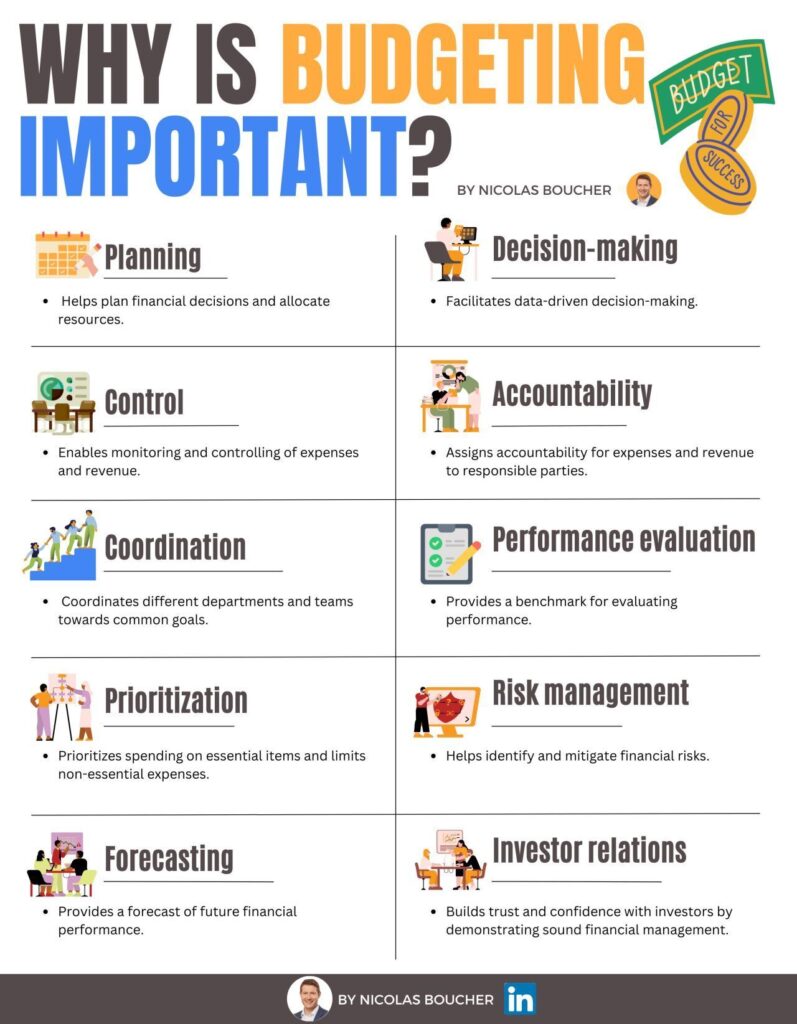
One of the most immediate and tangible benefits of budgeting is the sense of control it provides. Many people feel their money simply “disappears” each month, unsure where it went or why their bank balance is lower than expected. A budget demystifies this process by clearly delineating income and outflow. When you know precisely how much money you have, how much you need for essentials, and how much is available for discretionary spending or saving, you regain agency. This control is empowering, shifting you from a passive observer of your financial fate to an active participant in shaping it. It allows for conscious allocation of resources, ensuring that your money is working for your priorities, not against them.
Identifying and Curbing Unnecessary Spending
Budgeting acts as a powerful diagnostic tool, shining a light on spending habits that might otherwise go unnoticed. Often, small, seemingly insignificant expenditures – daily coffees, subscription services, impulse buys – can accumulate into substantial drains on your finances over time. A detailed budget forces you to track every dollar, revealing these “money leaks.” Once identified, these areas become prime candidates for reduction or elimination. This isn’t about deprivation; it’s about conscious choice. By cutting back on non-essential spending that doesn’t align with your values or goals, you free up resources that can be redirected towards more meaningful objectives, such as saving for a down payment, paying off debt, or investing in your future.
Shifting from Reactive to Proactive Financial Management
Without a budget, financial management often devolves into a reactive cycle. Emergencies arise, bills become due, and you scramble to find the necessary funds. This constant state of financial firefighting is not only stressful but also prevents long-term growth. Budgeting, conversely, fosters a proactive approach. It encourages you to anticipate future expenses, plan for unexpected events (like setting up an emergency fund), and strategically allocate funds towards your goals. This foresight minimizes financial surprises, allowing you to weather economic downturns, job losses, or medical emergencies with greater resilience and less panic. It’s about building a financial fortress rather than living in a tent.
Empowering Your Financial Goals and Aspirations
Beyond immediate control, budgeting is the essential roadmap for transforming abstract dreams into concrete financial realities. It provides the clarity and discipline needed to pursue and achieve significant life milestones.
Saving for Short-Term Objectives (e.g., emergency fund, vacation)
Life is full of short-term goals that require financial planning, from building a robust emergency fund to taking a well-deserved vacation, upgrading an appliance, or purchasing a new car. Budgeting makes these objectives attainable by earmarking specific amounts of money regularly towards them. An emergency fund, typically 3-6 months’ worth of living expenses, is a critical buffer against unforeseen circumstances like job loss or medical emergencies. By integrating these savings goals into your monthly budget, you ensure consistent progress, making these ambitions feel less daunting and more within reach. It’s about setting aside money consciously, rather than hoping there will be some left over at the end of the month.
Planning for Long-Term Investments (e.g., retirement, homeownership, education)
The truly transformative power of budgeting becomes evident when planning for long-term objectives. Retirement, a child’s education, or the dream of homeownership are monumental financial undertakings that demand consistent, disciplined saving and investing over many years. A budget helps you allocate funds towards these significant goals, often through automated transfers to investment accounts or dedicated savings vehicles. By clearly defining how much you can contribute each month, you can project your progress and adjust your strategy as needed. This long-term perspective is crucial for building substantial wealth and securing a comfortable future, preventing the common trap of delaying essential financial planning until it’s too late.
Accelerating Debt Repayment
Debt, whether from credit cards, student loans, or mortgages, can be a heavy burden that stifles financial freedom. Budgeting is an invaluable tool for systematically tackling and accelerating debt repayment. By meticulously tracking income and expenses, you can identify surplus funds that can be directed towards paying down high-interest debt faster. Strategies like the “debt snowball” or “debt avalanche” become far more effective when backed by a clear budget that prioritizes extra payments. Eliminating debt not only frees up significant cash flow each month but also reduces the interest paid over the life of the loan, saving you potentially thousands of dollars and unlocking greater financial flexibility.
Cultivating Financial Literacy and Mindset
Budgeting is not just about numbers; it’s a powerful educational tool that enhances financial literacy and fosters a healthier money mindset, leading to reduced stress and greater confidence.

Understanding Your Cash Flow
Many people have a vague idea of their income and expenses, but few truly understand their cash flow—the actual movement of money in and out of their accounts. Budgeting forces this understanding. By categorizing every transaction, you gain profound insights into where your money comes from and where it goes. This detailed knowledge is the foundation of financial literacy, enabling you to identify patterns, make informed decisions, and accurately assess your financial position at any given moment. It’s like having a real-time dashboard for your personal economy, helping you to pinpoint exactly where you stand and what adjustments might be needed.
Building Healthy Financial Habits
Consistency is key in financial success, and budgeting is a habit-building machine. The act of regularly reviewing your finances, tracking spending, and making adjustments instills discipline and mindfulness around money. Over time, these practices become second nature, replacing impulsive spending with conscious choices and reactive scrambling with proactive planning. These healthy financial habits extend beyond just managing money; they can positively influence other areas of your life by fostering discipline, patience, and forward-thinking. This transformative process moves you from simply spending money to truly managing your wealth.
Reducing Financial Stress and Anxiety
One of the most significant psychological benefits of budgeting is the profound reduction in financial stress and anxiety. Much of the stress related to money stems from uncertainty and a lack of control. When you have a clear budget, you eliminate much of this ambiguity. You know where your money is going, you have plans for emergencies, and you are actively working towards your goals. This clarity brings peace of mind, allowing you to sleep better at night and focus your energy on other aspects of your life. Financial stability, fostered by budgeting, is a powerful antidote to the constant worry that plagues many individuals and families.
Practical Steps to Implement an Effective Budget
Starting a budget can seem daunting, but it doesn’t have to be. With the right approach and tools, it can become an integral, and even enjoyable, part of your financial routine.
Choosing the Right Budgeting Method (e.g., 50/30/20 rule, zero-based, envelope system)
There isn’t a one-size-fits-all budgeting method, and finding the right fit for your lifestyle is crucial for long-term adherence. The 50/30/20 rule is popular for its simplicity: 50% of income for needs, 30% for wants, and 20% for savings and debt repayment. Zero-based budgeting requires every dollar of income to be assigned a job, ensuring no money is left unaccounted for. The envelope system is a tactile approach, using physical envelopes for different spending categories, often ideal for cash-based expenses. Digital tools and apps also offer sophisticated ways to track and categorize spending automatically. The key is to choose a method that resonates with you and that you can realistically stick to.
Tracking Income and Expenses Accurately
Regardless of the method chosen, accurate tracking of income and expenses is non-negotiable. This involves knowing precisely how much money comes in each month from all sources and meticulously recording every dollar that goes out. This can be done manually with a spreadsheet, through budgeting apps that link to bank accounts, or by reviewing bank and credit card statements. The goal is to gain a clear, honest picture of your financial flow. Inaccurate tracking can lead to misguided decisions and undermine the entire budgeting process, so diligence here is paramount.
Regular Review and Adjustment
A budget is a living document, not a static decree. Life circumstances change – income fluctuates, expenses shift, and goals evolve. Therefore, regular review and adjustment are critical to a budget’s effectiveness. This typically means reviewing your budget weekly or monthly to compare actual spending against planned spending, identify discrepancies, and make necessary modifications. Perhaps you underestimated your grocery bill, or an unexpected expense arose. Adjusting your budget ensures it remains realistic and aligned with your current financial reality and goals, preventing discouragement and maintaining its utility as a dynamic financial tool.
Beyond the Numbers: The Broader Impact of Budgeting
The benefits of budgeting extend far beyond individual financial accounts, influencing relationships, resilience, and overall life satisfaction.
Enhancing Relationships and Reducing Conflict
Money is a leading cause of conflict in relationships, whether between spouses, partners, or even family members. A joint budget, openly discussed and agreed upon, transforms money from a source of tension into a shared project. It fosters transparency, mutual understanding, and shared goals. When both parties are aware of the financial situation, have contributed to the spending plan, and are working towards common objectives, financial disagreements diminish, replaced by cooperation and support. This collaborative approach can significantly strengthen relationships and build a foundation of trust.
Fostering Resilience Against Financial Shocks
The world is unpredictable, and financial shocks—be it a job loss, a medical emergency, a natural disaster, or an economic recession—are an unfortunate reality. A well-executed budget, particularly one that prioritizes building an emergency fund and reducing debt, acts as a powerful buffer against these unforeseen events. It provides a financial cushion that can absorb impact, preventing a temporary setback from spiraling into a long-term crisis. This financial resilience not only protects your assets but also your mental and emotional well-being during challenging times.

Opening Doors to New Opportunities
Paradoxically, budgeting, often perceived as restrictive, is one of the most effective ways to create freedom and open up new opportunities. By managing your money wisely, you gain the financial flexibility to pursue passions, take calculated risks, and invest in experiences or education that enrich your life. Whether it’s starting a side hustle, taking a sabbatical, traveling the world, or pursuing further education, a strong financial foundation built through budgeting provides the confidence and resources to seize these opportunities without jeopardizing your financial security. It’s about consciously directing your resources to create the life you truly desire.
In conclusion, budgeting is far more than a simple accounting exercise; it is a fundamental life skill that empowers individuals and families to achieve financial stability, realize their dreams, and navigate the future with confidence. It offers a clear path to understanding your money, building healthy financial habits, and ultimately, creating a life rich in both financial security and personal fulfillment. Embracing budgeting means taking charge of your financial destiny, moving from merely existing to truly thriving.
aViewFromTheCave is a participant in the Amazon Services LLC Associates Program, an affiliate advertising program designed to provide a means for sites to earn advertising fees by advertising and linking to Amazon.com. Amazon, the Amazon logo, AmazonSupply, and the AmazonSupply logo are trademarks of Amazon.com, Inc. or its affiliates. As an Amazon Associate we earn affiliate commissions from qualifying purchases.