
The financial markets are a complex ecosystem, constantly reacting to a myriad of forces, from macroeconomic shifts to nuanced investor sentiment. When stock futures begin to trend downwards, it’s often a signal that the broader market anticipates a period of instability or decline. Stock futures, contracts to buy or sell a specific stock index at a predetermined price on a future date, serve as a critical barometer for upcoming market movements, frequently reflecting the collective expectations of investors before the regular trading session even begins. Their decline can be attributed to a confluence of factors, ranging from burgeoning inflation and hawkish central bank policies to geopolitical turmoil, corporate performance anxieties, and shifts in investor psychology. Understanding these underlying drivers is crucial for both seasoned investors and those simply trying to comprehend the daily financial headlines. A downward trend in futures is rarely a singular event; instead, it typically represents the market’s digestion of multiple negative inputs, signaling potential headwinds for equities in the near to medium term. This article delves into the intricate web of reasons that can cause stock futures to fall, offering a comprehensive perspective on market dynamics and the indicators that shape investor outlook.
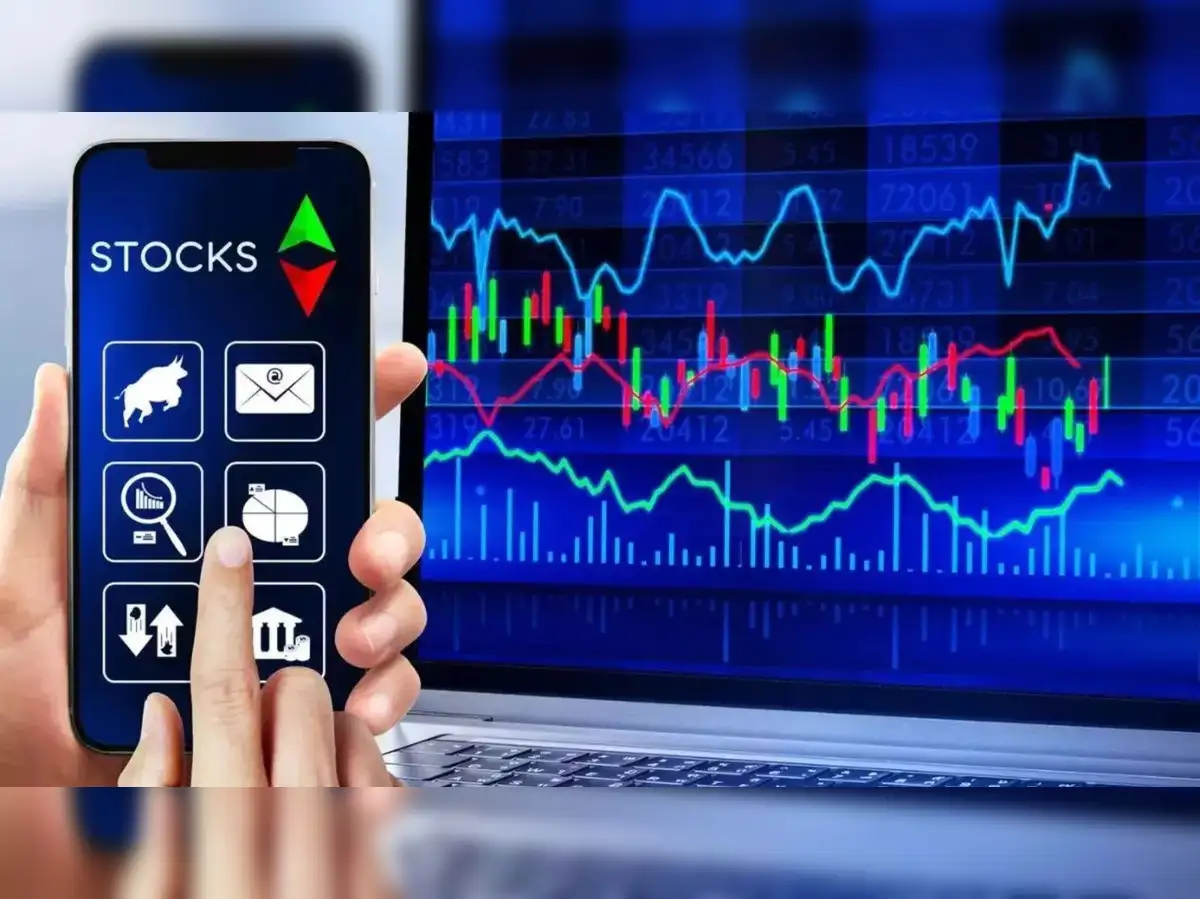
Understanding Stock Futures and Their Market Significance
Before dissecting the reasons for their decline, it’s essential to grasp what stock futures are and why their movement holds such sway over market sentiment. These financial instruments are more than just speculative tools; they are integral components of market analysis and risk management.
What are Stock Futures?
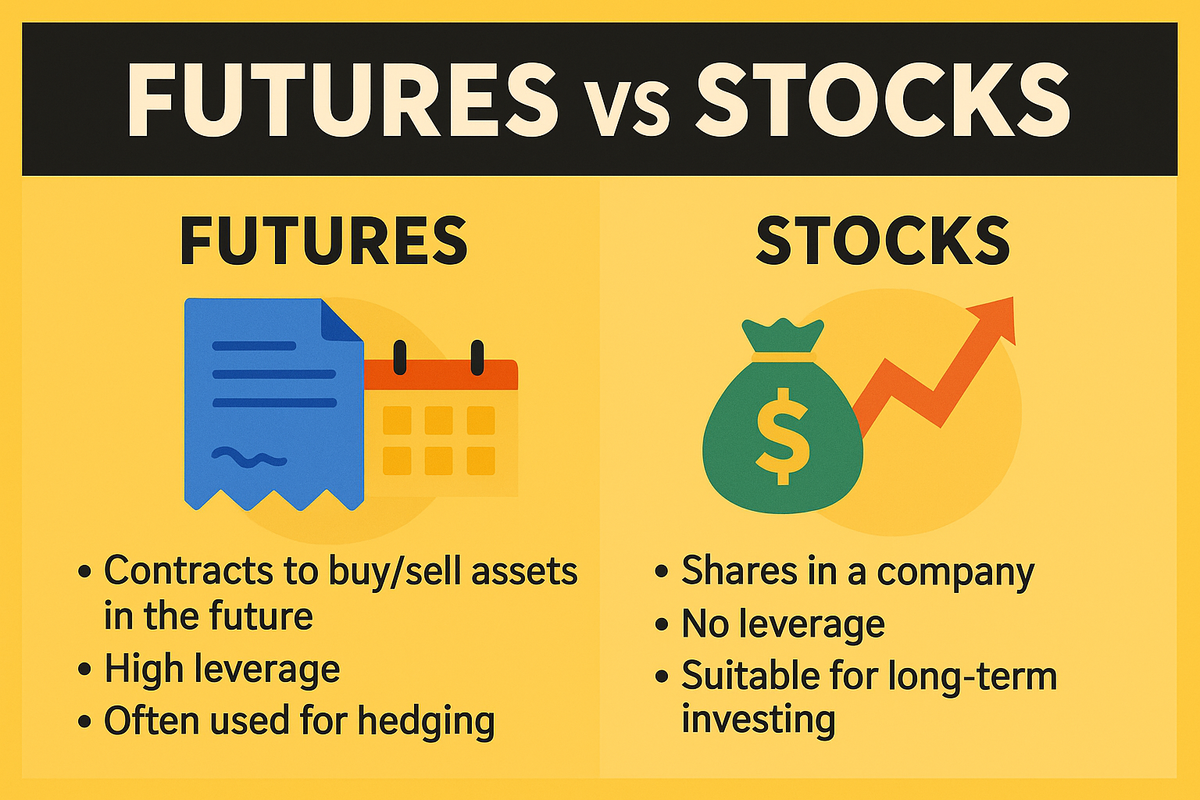
Stock futures, or more precisely, stock index futures, are derivative contracts that obligate the buyer to purchase, or the seller to sell, a specified stock index (like the S&P 500, Nasdaq 100, or Dow Jones Industrial Average) at a predetermined price on a future date. Unlike individual stock futures which are rare, the commonly discussed “stock futures” refer to these index futures. They are standardized, exchange-traded contracts that derive their value from the performance of the underlying index. Investors use them for a variety of purposes, including hedging existing portfolios against market downturns, speculating on future market direction, or gaining exposure to a broad market index without buying individual stocks. Their leveraged nature means that a relatively small price movement in the underlying index can result in a significant profit or loss for the futures contract holder. This leverage also amplifies their role as a leading indicator, as large institutional players frequently use them to express directional views on the market.
The Role of Futures in Market Sentiment
Stock futures markets operate nearly 24 hours a day, providing continuous price discovery even when the main stock exchanges are closed. This always-on nature makes them an invaluable early warning system for market participants. The movement of futures before the market opens can set the tone for the entire trading day. If futures are significantly down, it suggests that overnight news or broader market concerns have led institutional investors and traders to believe that the underlying stock indices will open lower. This pre-market indication influences individual investors and portfolio managers alike, shaping their trading strategies and risk appetite for the day. A sustained decline in futures over several days can indicate a more deeply rooted negative sentiment, suggesting that investors are bracing for a prolonged period of market weakness or even a correction. They act as a real-time gauge of fear and greed, distilling complex economic and geopolitical news into an immediate price signal.
Key Players in the Futures Market
The participants in the futures market are diverse, each with distinct motivations that collectively contribute to price movements. Primarily, there are two broad categories: hedgers and speculators. Hedgers are typically institutional investors, pension funds, or asset managers who use futures to protect their existing stock portfolios from potential price declines. For instance, a fund manager holding a large portfolio of S&P 500 stocks might sell S&P 500 futures to offset potential losses if they anticipate a market downturn. Speculators, on the other hand, are individuals or firms who aim to profit from anticipating future price movements. They take on risk in the hope of generating returns, buying futures if they expect prices to rise and selling if they expect prices to fall. Additionally, arbitrageurs look for small price discrepancies between the futures market and the underlying cash market, profiting from instantaneous trades that help keep prices aligned. The interplay of these sophisticated participants, with their significant capital and analytical capabilities, means that futures prices are often a highly efficient reflection of current market expectations and risk assessment.
Macroeconomic Headwinds Driving Futures Lower
The most potent forces driving stock futures down are often macroeconomic in nature. These broad economic trends and policy decisions create an overarching environment of either optimism or pessimism that pervades all asset classes.
Inflationary Pressures and Interest Rate Hikes
One of the primary reasons for futures to fall is persistent and elevated inflation. When the cost of goods and services rises significantly, it erodes purchasing power and can squeeze corporate profit margins. In response, central banks, such as the U.S. Federal Reserve, typically raise interest rates to cool down the economy and bring inflation under control. Higher interest rates make borrowing more expensive for businesses, hindering expansion plans, and can also make equities less attractive compared to fixed-income investments like bonds, which offer higher yields in a rising rate environment. The market discounts future earnings of companies more heavily when interest rates are high, reducing the present value of stocks. Investors, anticipating these effects, will sell futures contracts, driving their prices down in anticipation of lower stock valuations.
Geopolitical Tensions and Supply Chain Disruptions
Global instability is another significant catalyst for negative sentiment in the futures market. Conflicts, political unrest, trade wars, or even diplomatic spats can introduce immense uncertainty. Such events often disrupt global supply chains, leading to shortages, increased production costs, and delays. For example, a conflict involving major energy producers can send oil prices soaring, impacting transportation costs and manufacturing across the board. Similarly, restrictions on trade can limit access to critical components or markets, hurting corporate revenues and profitability. Investors react to these uncertainties by reducing their exposure to risk assets, including stocks, and this sentiment is immediately reflected in the futures market as contracts are sold off, anticipating a decline in corporate earnings and broader economic activity.
Recessionary Fears and Economic Slowdown Indicators
The specter of an economic recession or a significant slowdown is perhaps the most profound reason for a broad-based decline in stock futures. Indicators such as inverted yield curves (where short-term bond yields are higher than long-term yields), declining manufacturing indices, persistent job losses, or a sharp drop in consumer spending can all signal an impending economic contraction. During a recession, corporate revenues and profits typically fall sharply as demand weakens, leading to widespread job cuts and reduced investment. Futures traders, constantly monitoring these economic signals, will preemptively sell futures contracts, positioning themselves for a downturn in corporate earnings and a subsequent drop in stock prices. The collective anticipation of a challenging economic environment can create a self-fulfilling prophecy, as market participants rush to de-risk their portfolios.
Corporate Performance and Sector-Specific Challenges
Beyond the broad strokes of macroeconomic policy, the health of individual companies and specific industry sectors also plays a crucial role in futures movements. When a significant portion of the market, or influential sectors, faces headwinds, futures often react swiftly.
Disappointing Earnings Reports and Revenue Misses
The quarterly earnings season is a critical period for assessing corporate health. When major companies, particularly those with high market capitalization, report earnings that miss analyst expectations or provide weaker-than-anticipated future guidance, it can send shockwaves through the market. A revenue miss indicates that a company is selling less than anticipated, while an earnings miss means profitability is suffering. These reports can signal underlying weaknesses in demand, pricing power, or operational efficiency. If several bellwether companies in influential sectors (like technology or finance) disappoint, investors extrapolate these concerns across the broader market. This leads to a reassessment of future corporate profitability for the entire index, triggering a sell-off in stock futures as traders adjust their positions based on diminished earnings outlooks.
Impact of Higher Costs on Profit Margins
Even if revenue remains steady, rising costs can severely impact corporate profit margins. This can stem from various sources: increasing raw material prices due to supply chain issues, higher energy costs, rising labor wages due to tight job markets, or increased borrowing costs due to higher interest rates. Companies that cannot effectively pass these increased costs onto consumers through higher prices will see their profitability erode. When profit margins shrink, it directly impacts a company’s bottom line and its ability to invest or return capital to shareholders. The market, through futures trading, quickly reflects this concern. Investors realize that lower profit margins translate to lower future earnings, making stocks less attractive, thus prompting a sell-off in futures contracts.
Regulatory Scrutiny and Industry-Specific Headwinds
Specific industries can also face unique challenges that depress futures. Increased regulatory scrutiny, for instance, can impose new costs, limit growth opportunities, or even threaten existing business models. Examples include antitrust investigations in the tech sector, stricter environmental regulations for energy companies, or enhanced capital requirements for banks. Beyond regulation, industries might face secular declines due to technological obsolescence, shifting consumer preferences, or intense competitive pressures. A significant downturn in a major sector, like a slowdown in the semiconductor industry or a major disruption in healthcare, can have an outsized impact on the overall market indices, especially if that sector constitutes a large portion of the index. This localized weakness can then spill over into the broader futures market, as traders price in the potential for broader economic contagion or a drag on overall growth.
Investor Behavior and Market Dynamics
The psychological aspect of market participants and the mechanics of modern trading also play a pivotal role in why stock futures might decline. Fear, herd mentality, and automated trading systems can amplify negative sentiment.
Risk Aversion and Flight to Safety
When uncertainty looms, investors often become risk-averse, opting to move their capital out of volatile assets like stocks and into safer havens. This “flight to safety” can manifest as an increased demand for government bonds, gold, or other perceived safe-haven assets. As investors liquidate their equity positions or reduce their exposure, they also sell stock futures, betting on lower prices. This collective shift in risk appetite can accelerate a downward trend in futures, creating a vicious cycle where selling begets more selling as participants fear being left holding depreciating assets. The motivation is not just to profit from falling prices but to preserve capital during turbulent times.
Algorithmic Trading and Programmatic Selling
In today’s highly digitized markets, algorithmic trading systems and high-frequency trading (HFT) firms execute a substantial portion of all trades. These algorithms are designed to react to market news, price movements, and various quantitative signals at lightning speed. If a significant negative news event breaks, or if specific technical indicators trigger sell signals, these algorithms can initiate massive waves of selling in futures markets in a matter of milliseconds. This programmatic selling can lead to rapid, sharp declines in futures prices, often exacerbating existing downtrends or even initiating new ones. The sheer volume and speed of algorithmic selling can create a cascade effect, overwhelming human-driven buying interest and contributing to market illiquidity and heightened volatility.
Technical Factors and Market Support Levels
Technical analysis, which involves studying past price movements and patterns to predict future trends, can also influence futures prices. Traders and institutional investors often pay close attention to key support and resistance levels, moving averages, and other technical indicators. If futures prices break below significant support levels, it can trigger further selling as traders who rely on technical analysis interpret this as a signal for continued downside. Conversely, a failure to break above resistance levels can also lead to selling pressure. The market’s collective adherence to these technical benchmarks can create psychological barriers or accelerators for price movements, meaning that a breach of a major support level in index futures can independently spark a wave of selling, regardless of immediate fundamental news.
Navigating Volatility: Strategies for Investors
While the reasons for falling stock futures can be concerning, it’s crucial for investors to maintain a strategic approach rather than succumb to panic. Understanding the dynamics allows for more informed decision-making.
Diversification and Asset Allocation
One of the most fundamental principles of investing is diversification. Spreading investments across various asset classes—equities, fixed income, real estate, commodities—and different geographies and sectors can help mitigate the impact of a downturn in any single area. When stock futures are down, a diversified portfolio might see its equity component suffer, but other assets like bonds or certain commodities might provide a buffer. Proper asset allocation, adjusted to an individual’s risk tolerance and investment horizon, ensures that one is not overexposed to any single market condition, offering resilience during periods of high volatility and market stress.
Long-Term Perspective vs. Short-Term Noise
Market downturns and periods of falling futures are a natural, albeit uncomfortable, part of the investment cycle. For long-term investors, distinguishing between short-term noise and fundamental shifts is paramount. Reacting impulsively to daily futures movements can lead to poor decisions, such as selling at the bottom. History has shown that equity markets tend to recover and reach new highs over extended periods. Focusing on long-term financial goals, maintaining a disciplined investment strategy, and regularly rebalancing one’s portfolio can help weather the storm and potentially capitalize on lower asset prices during a downturn.
Due Diligence and Fundamental Analysis
During periods of market stress, the importance of fundamental analysis intensifies. Rather than blindly following market sentiment, investors should focus on the underlying health of the companies they own or plan to invest in. This involves scrutinizing financial statements, assessing management quality, evaluating competitive advantages, and understanding long-term growth prospects. Strong companies with solid balance sheets, consistent cash flows, and robust business models are better positioned to weather economic headwinds and emerge stronger. A decline in stock futures can even present opportunities for informed investors to acquire shares of high-quality companies at more attractive valuations, if their fundamental outlook remains strong despite broader market concerns.
In conclusion, the descent of stock futures is a multi-faceted phenomenon, rarely attributable to a single cause. It typically signals a complex interplay of macroeconomic anxieties, corporate performance challenges, and shifts in investor psychology, often amplified by modern trading mechanisms. For investors, understanding these interconnected drivers is the first step toward navigating turbulent markets with resilience and strategic foresight.
aViewFromTheCave is a participant in the Amazon Services LLC Associates Program, an affiliate advertising program designed to provide a means for sites to earn advertising fees by advertising and linking to Amazon.com. Amazon, the Amazon logo, AmazonSupply, and the AmazonSupply logo are trademarks of Amazon.com, Inc. or its affiliates. As an Amazon Associate we earn affiliate commissions from qualifying purchases.