
The allure of a cruise vacation is undeniable, offering a blend of relaxation, adventure, and diverse destinations. Yet, for many discerning travelers, the cost can often be a significant barrier. In this landscape, MSC Cruises frequently stands out for its remarkably competitive pricing, prompting a common question: “Why are MSC Cruises so cheap?” This isn’t a sign of compromised quality, but rather a sophisticated interplay of astute business finance, operational efficiency, and strategic market positioning. By understanding the underlying economic principles and business decisions that shape MSC’s pricing, consumers can better appreciate the value proposition and plan their finances accordingly. Far from a mystery, the affordability of MSC Cruises is a testament to a carefully engineered financial model designed to broaden the appeal of cruising to a wider demographic.
The Economics of Scale and Operational Efficiency
At the heart of MSC Cruises’ ability to offer competitive fares lies its mastery of economies of scale and relentless pursuit of operational efficiency. The cruise industry, by its very nature, benefits significantly from large-scale operations, and MSC has leveraged this to its advantage.
Building Bigger, Sailing Smarter
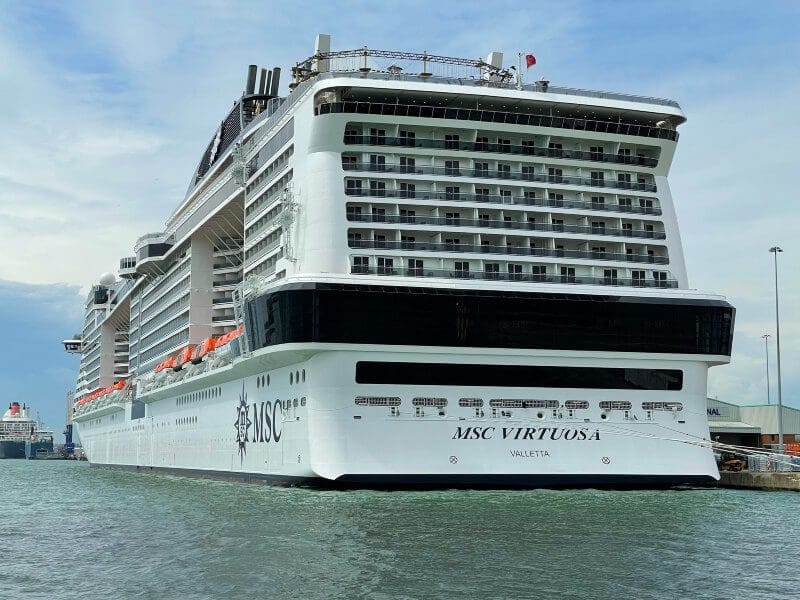
MSC’s fleet strategy is characterized by the construction of some of the largest and most technologically advanced ships in the world. These megaships, while requiring substantial initial investment, unlock unparalleled efficiencies. A larger ship can accommodate thousands of passengers, significantly diluting the per-passenger cost of construction, maintenance, and crew salaries. Furthermore, modern shipbuilding incorporates advanced propulsion systems and hull designs that enhance fuel efficiency, a major operating expense for any cruise line. By optimizing routes and port calls, MSC minimizes transit times and maximizes time spent at sea or in desirable destinations, ensuring a higher revenue-generating capacity per voyage. This strategic focus on large-scale, efficient vessels allows MSC to spread fixed costs across a massive revenue base, thereby lowering the average cost per guest.
Streamlined Supply Chains
Managing a floating city requires an incredibly complex and efficient supply chain. MSC benefits from its global reach and substantial purchasing power, allowing it to negotiate highly favorable terms with suppliers for everything from provisions and beverages to linen and fuel. Bulk purchasing of food, amenities, and spare parts across its entire fleet generates significant cost savings. Furthermore, MSC has invested in sophisticated logistics systems to minimize waste and optimize inventory management across its global operations. These streamlined supply chains ensure that essential goods are delivered cost-effectively and precisely when needed, reducing both storage costs and potential disruptions that could impact guest experience or financial performance. The integration of its vast supply network into its operational model is a critical factor in maintaining its competitive pricing.
Crewing Strategies
The human element is a substantial cost for any service industry, and cruising is no exception. MSC employs a diverse, multinational crew, strategically recruited from various global markets. This approach allows the company to tap into a wide talent pool while also benefiting from varying labor costs across different regions. While ensuring fair labor practices and competitive compensation, MSC optimizes its crewing ratios and training programs to maximize efficiency and service quality. Highly trained, multi-skilled crew members can perform a variety of roles, further enhancing operational efficiency. The ability to deploy a capable and cost-effective workforce is a significant factor in managing overall operating expenses and passing those savings on to consumers.
Strategic Market Positioning and Target Audience
MSC Cruises has deliberately positioned itself as a value-oriented option within the cruise market, catering to a broad and diverse international clientele. This strategic focus heavily influences its pricing model and financial objectives.
Value-Oriented Market Segment
Unlike some luxury cruise lines that target high-net-worth individuals with all-inclusive premium packages, MSC aims for a broader, more budget-conscious traveler. This doesn’t mean compromising on the experience, but rather structuring its offerings to provide a strong perceived value for the price. By appealing to families, first-time cruisers, and those who prioritize destination variety and onboard activities over ultra-luxury exclusivity, MSC maximizes its potential customer base. This strategy relies on volume, meaning the goal is to fill as many cabins as possible by offering attractive base fares, rather than maximizing the price per cabin. This financial calculus allows for lower entry points, making cruising accessible to a segment of the population that might otherwise consider it unaffordable.
Global Reach, Localized Pricing
As a genuinely international cruise line, MSC has a significant presence in multiple global markets, including Europe, North America, South America, and Asia. This global footprint allows for localized pricing strategies, where fares can be adjusted based on regional demand, economic conditions, and competitive landscapes. For instance, a cruise itinerary popular in Europe might be priced differently than a similar one marketed to North American consumers. This dynamic pricing approach, tailored to specific market segments and their purchasing power, helps MSC optimize revenue across its diverse customer base while maintaining an overall competitive edge in each region. The ability to flex pricing regionally is a powerful financial tool for maximizing occupancy and revenue.
Ancillary Revenue Streams
A key financial lever for MSC, and indeed many cruise lines, is the generation of ancillary revenue. While the base fare might be low, a significant portion of the company’s profit comes from onboard spending. This includes everything from specialty restaurants, premium beverage packages, shore excursions, spa treatments, casino gambling, retail purchases, and internet access. By offering an attractive base price, MSC encourages more people to book, knowing that a substantial percentage of guests will opt for these additional services once onboard. This model allows the company to keep headline prices appealing while relying on these add-ons to boost overall profitability per passenger. Consumers often appreciate the flexibility to choose and pay for only the extras they desire, rather than a higher, all-inclusive price that might include services they wouldn’t use.
Maximizing Occupancy Through Dynamic Pricing and Promotions
In the cruise industry, an empty cabin represents lost revenue that can never be recovered. Therefore, maximizing occupancy is paramount for financial success. MSC employs sophisticated dynamic pricing models and aggressive promotional strategies to ensure its ships sail as full as possible.
Flexible Pricing Models
MSC’s pricing is not static. It operates on a dynamic model that constantly adjusts fares based on a multitude of factors: demand, seasonality, booking window, cabin category availability, and competitive pricing. Prices typically start lower when itineraries are first released, gradually increasing as the ship fills up. However, if demand is softer than anticipated, prices may drop closer to the sailing date to stimulate bookings. This flexibility allows MSC to react swiftly to market conditions, optimize revenue for popular sailings, and strategically discount less popular ones to ensure high occupancy rates. This data-driven approach to pricing is a cornerstone of its financial strategy, balancing perceived affordability with revenue maximization.
Aggressive Promotional Campaigns
To drive bookings and maintain high occupancy, MSC frequently rolls out aggressive promotional campaigns. These can include early bird discounts for booking well in advance, last-minute deals for unsold cabins, ‘kids sail free’ offers for families, group rates, and special promotions tied to loyalty programs. These widespread discounts and value-added packages are designed to entice various segments of the market, making it hard for potential customers to resist. The financial rationale is clear: it’s better to sell a cabin at a reduced rate than to sail with it empty. These promotions are carefully managed to create a sense of urgency and perceived savings, encouraging quick booking decisions.
Global Sales Network
MSC leverages a vast and efficient global sales network to distribute its cruises. This includes strong partnerships with travel agencies, both traditional brick-and-mortar and online travel agents (OTAs), as well as robust direct booking channels through its own website and call centers. This multi-channel approach ensures maximum visibility and accessibility for potential customers worldwide. Travel agents often have access to exclusive rates or promotional offers, further expanding MSC’s reach. By effectively utilizing this extensive network, MSC can efficiently fill its immense ship capacities, ensuring a continuous flow of bookings from diverse geographical sources, which is critical for its volume-driven financial model.
Asset Utilization and Depreciation Management
The financial viability of operating multi-million dollar cruise ships hinges on their efficient utilization and effective management of capital assets and their depreciation. MSC excels in ensuring its valuable assets are always working.
Continuous Deployment
Unlike some seasonal tourism businesses, MSC aims for continuous, year-round deployment of its fleet. This means ships are rarely laid up for extended periods, apart from scheduled dry docks for maintenance and refurbishment. By operating ships throughout the year, switching between regions (e.g., Caribbean in winter, Mediterranean in summer), MSC maximizes the revenue-generating potential of each vessel. Every day a ship is at sea with passengers is a day it is generating income to cover its substantial operational costs and contribute to profitability. This high asset utilization rate is a fundamental financial principle that allows MSC to offer more attractive base fares.
Fleet Modernization and Expansion
MSC has a continuous newbuild program, consistently adding newer, larger, and more fuel-efficient ships to its fleet. While this involves massive capital expenditure, these modern vessels offer several financial advantages. They are often more efficient to operate, incorporate the latest environmental technologies, and feature more revenue-generating spaces (e.g., additional specialty restaurants, larger casinos, more varied cabin types). The expansion also increases overall capacity, further enhancing economies of scale. Furthermore, a modern fleet can command a premium over older ships, even within a value-oriented pricing structure, and helps maintain a fresh, appealing image to consumers, reducing the need for deep discounts to fill cabins. This aggressive investment in its fleet is a long-term financial strategy to maintain competitive advantage and operational efficiency.
Long-Term Financing Models
The financing of cruise ship construction is a monumental undertaking, often involving long-term loans and complex financial instruments. MSC, as part of the larger MSC Group (which includes a global shipping empire), benefits from strong financial backing and leverage in securing favorable financing terms. The interest payments and principal repayments on these loans are significant fixed costs that must be factored into pricing. By spreading these costs over the long operational life of a ship (often 30 years or more) and leveraging its strong financial standing, MSC can manage its debt burden effectively, allowing for more aggressive pricing strategies on the consumer front. The ability to manage these large-scale financial commitments underpins its competitive pricing structure.
Understanding the “All-Inclusive” Myth and True Value
While MSC’s base fares are undeniably appealing, it’s crucial for consumers to understand the nuances of what is included and what constitutes additional spending. This clarity helps in fully appreciating the financial value proposition.
What’s Included, What’s Not
Typically, an MSC base fare includes accommodation in your chosen cabin category, most meals in the main dining rooms and buffet, access to many onboard entertainment options (shows, live music), use of pools and some recreational facilities. However, crucial elements often excluded are alcoholic beverages, specialty coffees, soft drinks, gratuities (which are often mandatory and added to your bill), shore excursions, specialty restaurants, spa treatments, internet access, and travel insurance. Understanding these distinctions is key to budgeting accurately. While the headline price is low, the final vacation cost can increase significantly with these add-ons.
The Perceived Value Equation
The low initial price creates a strong perceived value for MSC Cruises. For many, the idea of a cruise at such an accessible price point is highly attractive, making it a viable vacation option where it might not have been before. This initial hook is a powerful marketing and financial tool. Even with additional onboard spending, the total cost for many travelers remains competitive compared to land-based vacations of similar duration and quality, particularly when factoring in accommodation, transport between destinations, and entertainment. MSC’s strategy is to offer a compelling entry price and then allow guests to customize their experience with optional extras, thereby controlling their total spend.
Consumer Financial Planning
For potential MSC cruisers, financial planning is essential. While the low base fare is a fantastic starting point, budgeting for additional expenses like drink packages, shore excursions, and gratuities is crucial for a stress-free experience. MSC offers various pre-paid packages (e.g., drinks, internet) which can provide better value than purchasing items à la carte onboard. Savvy cruisers understand that “cheap” refers to the entry point, and the ultimate value is derived from how they manage their discretionary spending. By being transparent about what’s included and what’s extra, MSC empowers consumers to make informed financial decisions and tailor their cruise experience to their budget.
In conclusion, the affordability of MSC Cruises is not a happenstance but the result of a deliberate and financially astute business model. It is a carefully orchestrated blend of massive economies of scale, relentless operational efficiency, strategic market positioning, dynamic pricing, and a sophisticated approach to ancillary revenue generation. By making cruising accessible to a broader audience, MSC has carved out a significant niche in the global travel market, demonstrating that “cheap” can indeed mean exceptional value and a professionally managed financial operation. For consumers, understanding these economic underpinnings allows for a more informed and enjoyable cruise experience, proving that a lower price point doesn’t equate to a lesser adventure, but rather a different financial pathway to luxury.
aViewFromTheCave is a participant in the Amazon Services LLC Associates Program, an affiliate advertising program designed to provide a means for sites to earn advertising fees by advertising and linking to Amazon.com. Amazon, the Amazon logo, AmazonSupply, and the AmazonSupply logo are trademarks of Amazon.com, Inc. or its affiliates. As an Amazon Associate we earn affiliate commissions from qualifying purchases.