
The landscape of personal finance and real estate is inextricably linked to the ebb and flow of mortgage interest rates. Over the past few years, many prospective homeowners and existing borrowers have witnessed a significant upward trend in these rates, transforming affordability metrics and investment strategies. Understanding the intricate web of factors that contribute to these movements is crucial for making informed financial decisions. This article delves into the core economic principles and global dynamics that are currently pushing mortgage interest rates higher, providing clarity for anyone navigating today’s financial environment.
The Influence of Central Banks and Monetary Policy
At the heart of interest rate determination lies the profound influence of central banks, such as the Federal Reserve in the United States, the European Central Bank, or the Bank of England. These institutions are tasked with maintaining price stability, maximizing employment, and ensuring the health of the financial system, primarily through their monetary policy decisions.
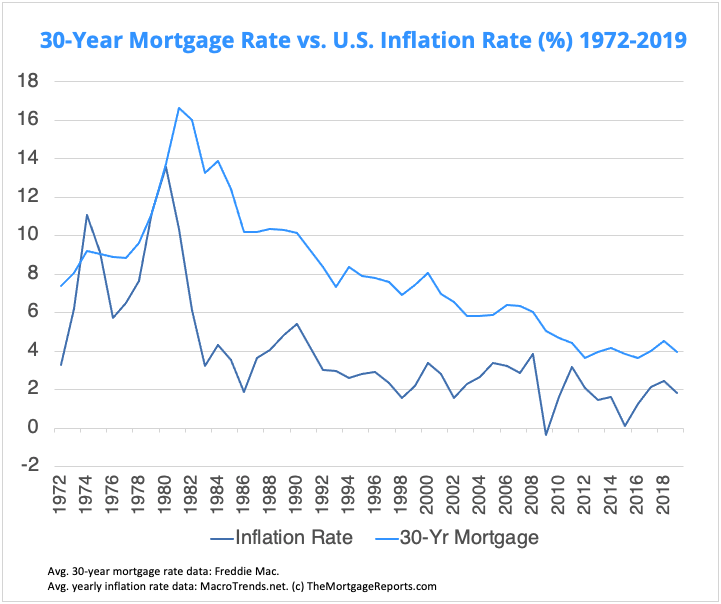
Understanding the Federal Funds Rate and Its Global Equivalents
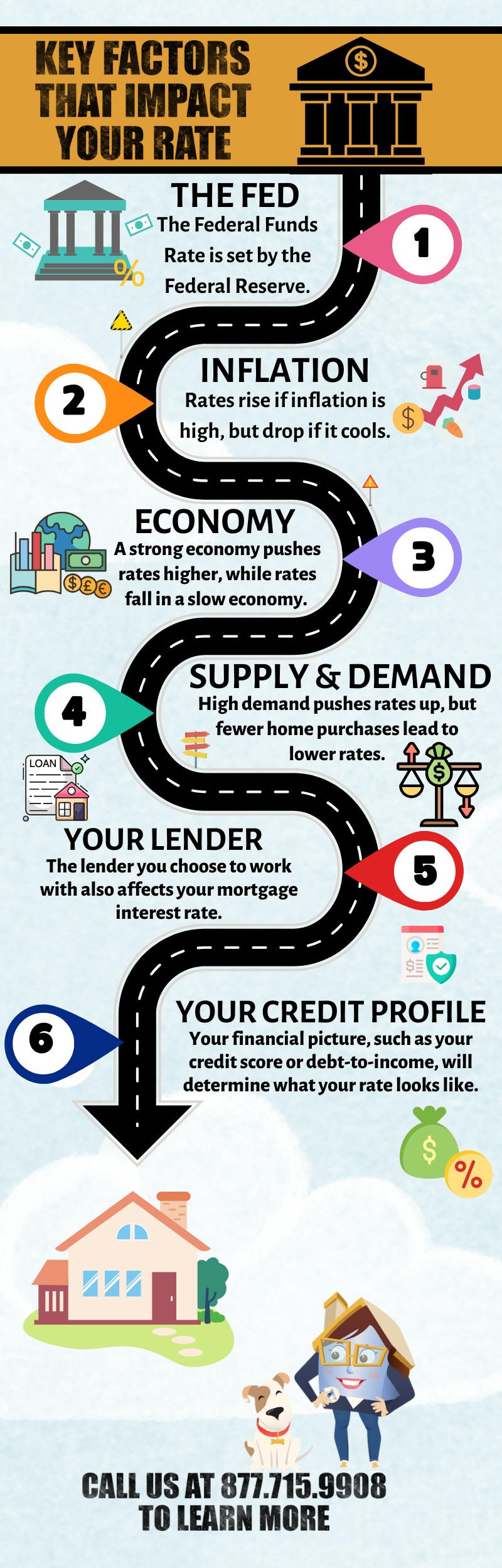
The most direct tool central banks wield is the setting of a target for their benchmark interest rate – the federal funds rate in the U.S., the main refinancing operations rate in the Eurozone, or the Bank Rate in the UK. While this is an overnight lending rate between banks, its changes ripple through the entire financial system. When a central bank raises this rate, it becomes more expensive for banks to borrow from each other, a cost that is then passed on to consumers and businesses through higher interest rates on loans, including mortgages.
The intention behind raising this benchmark rate is typically to cool down an overheating economy and combat inflation. By making borrowing more expensive, the central bank aims to reduce aggregate demand, slow spending, and ultimately bring down prices. Conversely, during periods of economic slowdown, central banks lower rates to stimulate borrowing, investment, and economic activity. The recent series of rate hikes by many central banks around the world is a direct response to persistent and elevated inflation.
Quantitative Tightening and its Effects on Longer-Term Rates
Beyond the benchmark rate, central banks also employ other tools, most notably quantitative easing (QE) and quantitative tightening (QT). During periods of crisis or recession, central banks might engage in QE, buying vast quantities of government bonds and mortgage-backed securities (MBS) to inject liquidity into the financial system and push down long-term interest rates. This makes mortgages cheaper and encourages borrowing.
However, when inflation becomes a concern, central banks pivot to QT. This involves reducing their balance sheets either by actively selling bonds or, more commonly, by allowing maturing bonds to roll off without reinvestment. This reduction in demand for bonds by a major buyer increases the supply in the open market, leading to higher bond yields. Since mortgage rates are often benchmarked against longer-term government bond yields (such as the 10-year Treasury yield in the U.S.), higher bond yields directly translate to higher mortgage rates. QT effectively tightens financial conditions by removing liquidity from the system, complementing the impact of benchmark rate hikes.
Communication and Forward Guidance: Shaping Market Expectations
Central bank communication is a powerful, though often subtle, tool. Through speeches, policy statements, meeting minutes, and economic projections, central bankers provide “forward guidance” about their future policy intentions. Markets are highly attuned to these signals, often adjusting interest rates even before an official policy change is announced. If a central bank signals a hawkish stance (i.e., a predisposition to raise rates), bond markets and mortgage lenders will pre-emptively price in those expected increases, causing rates to climb in anticipation. This proactive adjustment by markets means that mortgage rates can move significantly based purely on expectations, which are heavily influenced by central bank rhetoric.
The Persistent Challenge of Inflation
Inflation is arguably the single most dominant factor driving current mortgage interest rate increases. When the cost of living rises rapidly, it erodes the purchasing power of money, and lenders demand higher interest rates to compensate for this loss in value.
Demand-Pull vs. Cost-Push Inflation: Understanding the Drivers
Inflation can stem from various sources. Demand-pull inflation occurs when there’s too much money chasing too few goods. A robust economy, government stimulus, or pent-up consumer demand can lead to an surge in spending that outstrips the economy’s productive capacity, pushing prices upward. In recent times, the massive fiscal stimulus during the pandemic, coupled with resilient consumer spending, contributed significantly to demand-pull pressures.
Cost-push inflation, on the other hand, arises from increases in the cost of producing goods and services. Supply chain disruptions, rising energy prices, geopolitical conflicts affecting commodity markets (like the war in Ukraine), or increased labor costs can all contribute to businesses raising their prices to maintain profit margins. The global supply chain bottlenecks experienced post-pandemic, combined with soaring energy costs, were prime examples of cost-push factors that fueled current inflationary pressures. Central banks respond to both types of inflation, as both diminish the real value of future loan repayments.
Wage-Price Spiral Concerns: A Vicious Cycle
A particularly worrying aspect of persistent inflation is the potential for a wage-price spiral. This phenomenon occurs when workers demand higher wages to compensate for rising living costs. Businesses, in turn, raise their prices further to cover increased labor costs, which then prompts workers to demand even higher wages, creating a self-reinforcing cycle. If a central bank perceives a risk of a wage-price spiral taking hold, it will be even more aggressive in raising interest rates to break this cycle, as it can be incredibly difficult to control once established. Strong labor markets, characterized by low unemployment and rising wages, often heighten these concerns.
Impact on Lender Risk and Pricing: Protecting Future Value
For lenders, inflation poses a significant risk. If a lender issues a 30-year mortgage at 3% interest while inflation averages 5% over the life of the loan, the real return on their investment is negative; the money they get back in the future is worth less than the money they lent out. To protect against this erosion of value, lenders build an inflation premium into their interest rates. The higher the expected rate of inflation, the higher the interest rate lenders will charge to ensure they receive a real, positive return on their investment. This is why mortgage rates often move in anticipation of future inflation, not just current inflation.
Key Economic Indicators Driving Rate Movements
Beyond the direct actions of central banks and the broad impact of inflation, specific economic data releases play a crucial role in shaping market expectations and, consequently, mortgage rates. Traders and analysts scrutinize these indicators for clues about the economy’s health and the likely trajectory of monetary policy.
Employment Data: A Barometer of Economic Health
Key employment figures, such as the unemployment rate, non-farm payrolls, and average hourly earnings, are highly influential. A strong job market, characterized by low unemployment and robust wage growth, signals a healthy and potentially overheating economy. This strength can fuel consumer spending and inflationary pressures, prompting central banks to consider or enact rate hikes. Conversely, a weakening job market might suggest an impending economic slowdown, potentially leading central banks to pause or reverse rate hikes.
Consumer Price Index (CPI) and Producer Price Index (PPI): Direct Inflation Measures
The Consumer Price Index (CPI) measures the average change over time in the prices paid by urban consumers for a basket of consumer goods and services. The Producer Price Index (PPI) measures the average change over time in the selling prices received by domestic producers for their output. These are direct gauges of inflation at the consumer and wholesale levels, respectively. When CPI and PPI readings come in higher than expected, it reinforces the central bank’s inflation-fighting mandate and can lead to an immediate upward adjustment in bond yields and mortgage rates, as markets anticipate more aggressive tightening.
Gross Domestic Product (GDP) Growth: The Overall Economic Pulse
Gross Domestic Product (GDP) measures the total value of goods and services produced in an economy. Strong GDP growth indicates a robust and expanding economy, which, while generally positive, can also be a precursor to inflationary pressures if growth outpaces the economy’s capacity. Conversely, weak or negative GDP growth might signal a recession, which could lead central banks to ease monetary policy. Mortgage rates tend to rise when GDP growth is strong and fall when it falters.
Retail Sales and Consumer Confidence: Gauging Spending Power
Retail sales data provide insights into consumer spending habits, a major component of economic activity. Strong retail sales suggest healthy consumer demand, which can contribute to inflation. Similarly, consumer confidence surveys gauge consumers’ optimism about the economy and their financial situation, influencing their willingness to spend and invest. Positive readings in these indicators can lead to expectations of higher rates, as they signal continued economic momentum that central banks might seek to temper.
The Global Stage and Bond Market Dynamics
While domestic factors are significant, mortgage rates are also influenced by global economic conditions and the complex dynamics of international bond markets. In an interconnected world, capital flows and investor sentiment can transcend national borders.
The Role of Treasury Yields: The Benchmark for Mortgages
In many countries, long-term mortgage rates are closely tied to the yields of government bonds, particularly the 10-year Treasury bond in the U.S. and its equivalents elsewhere. This is because these government bonds are considered very safe investments, and their yields serve as a baseline for other forms of lending. Mortgage lenders price their loans based on these yields plus a spread to cover their costs, risk, and profit. When demand for government bonds falls (e.g., due to central bank quantitative tightening or investors seeking higher returns elsewhere) or when inflation expectations rise, bond yields increase, pulling mortgage rates up with them.
Global Capital Flows: International Demand for Bonds
Capital can flow freely across international borders, and global investors constantly seek the best risk-adjusted returns. If investment opportunities in other countries offer higher yields or better growth prospects, international capital might flow out of a particular country’s bond market, reducing demand for its government bonds. This reduced demand would then lead to higher yields (and thus higher mortgage rates) in the country experiencing the outflow. Conversely, during periods of global uncertainty, capital often flows into “safe haven” assets like U.S. Treasury bonds, increasing demand and potentially pushing yields down.
Geopolitical Events and Market Uncertainty: Shifting Investor Sentiment
Major geopolitical events—such as wars, trade disputes, or widespread political instability—can significantly impact financial markets. Such events often lead to increased market uncertainty, causing investors to re-evaluate risk and seek safety. Initially, this might lead to a flight to safe-haven assets like government bonds, temporarily driving yields down. However, persistent instability can also disrupt supply chains, fuel commodity price increases, and exacerbate inflation, ultimately compelling central banks to maintain a tighter monetary policy stance. Moreover, geopolitical risks can deter foreign investment, leading to higher borrowing costs for governments and, by extension, consumers.
Implications for Borrowers and the Housing Market
The current environment of rising mortgage interest rates carries significant implications for both prospective homebuyers and existing homeowners, as well as for the broader housing market.
Affordability Challenges: Reduced Purchasing Power
For aspiring homeowners, higher mortgage rates directly translate to larger monthly mortgage payments for the same loan amount. This reduces their purchasing power, meaning they can afford to borrow less money or must allocate a larger portion of their income to housing costs. This shift can price many first-time buyers out of the market or force them to significantly scale back their expectations regarding property size, location, or amenities. The affordability squeeze is particularly acute when combined with already elevated home prices.
Impact on Housing Demand and Prices: A Market Slowdown
Rising rates tend to cool down a hot housing market. As affordability decreases, the pool of eligible buyers shrinks, and demand for homes naturally declines. This reduction in demand can lead to slower sales, longer time on the market for properties, and eventually, a moderation or even a decline in home prices. While this can be challenging for sellers, it might offer a much-needed rebalancing for a market that has seen rapid appreciation in recent years, potentially creating more sustainable conditions in the long run.
Refinancing Decisions: Less Attractive Options for Existing Homeowners
Existing homeowners with lower fixed-rate mortgages will find refinancing less appealing in a high-rate environment. Many homeowners who secured historically low rates in recent years are “locked in” and have little incentive to refinance unless they need to tap into equity for home improvements or debt consolidation, and even then, the cost of the new loan would be significantly higher. This reduces financial flexibility for some and means fewer opportunities to lower monthly payments through rate adjustments.

Strategies for Navigating a High-Rate Environment: Adapt and Plan
In this environment, prospective homebuyers need to adjust their expectations, save more for a down payment, and meticulously review their budgets. Exploring adjustable-rate mortgages (ARMs) might be an option for some, though with inherent risks if rates continue to climb. For existing homeowners, focusing on accelerated principal payments on their current mortgage can reduce the overall interest paid over the life of the loan. Understanding these dynamics and consulting with financial advisors and mortgage professionals is more crucial than ever to develop a robust financial strategy tailored to the evolving economic climate.
In conclusion, the rise in mortgage interest rates is a multifaceted phenomenon driven primarily by central bank efforts to combat inflation, fueled by a complex interplay of economic indicators and global market forces. While presenting challenges, particularly for homebuyers, it represents a necessary rebalancing in the broader economic system, signaling a shift from an era of historically low borrowing costs to one prioritizing price stability. Adapting to this new reality is key for financial resilience and sound investment decisions.
aViewFromTheCave is a participant in the Amazon Services LLC Associates Program, an affiliate advertising program designed to provide a means for sites to earn advertising fees by advertising and linking to Amazon.com. Amazon, the Amazon logo, AmazonSupply, and the AmazonSupply logo are trademarks of Amazon.com, Inc. or its affiliates. As an Amazon Associate we earn affiliate commissions from qualifying purchases.