
The modern aviation industry is a marvel of engineering, yet for the average traveler, it often feels like a fragile house of cards. When a flight is delayed “today,” the passenger in the terminal sees a clear sky and wonders why their plane is stuck. The answer rarely lies in the clouds; instead, it is found within the complex, often aging, and increasingly interconnected technological ecosystem that governs global flight. To understand why flights are delayed in the digital age, we must look beyond the mechanical and toward the software, data protocols, and cybersecurity frameworks that keep the world moving.
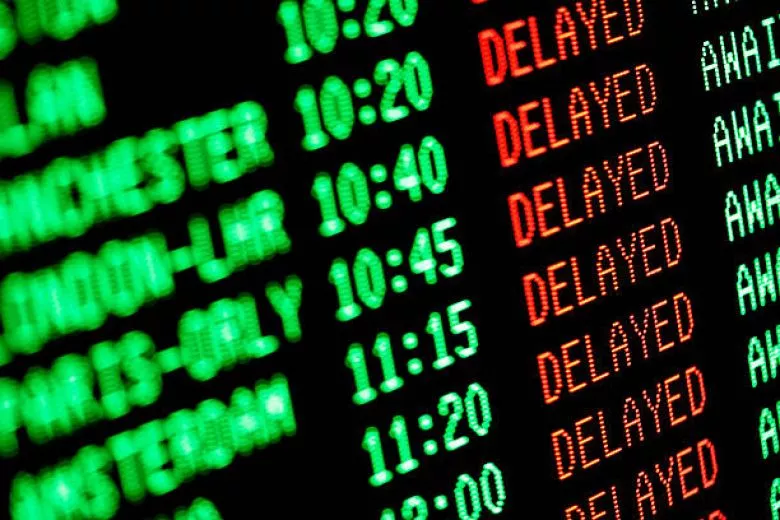
The Crisis of Legacy Systems: Why Aging Infrastructure Causes Modern Delays
At the heart of global aviation lies a paradox: we fly the most advanced carbon-fiber aircraft ever built, yet they are guided by computer systems that, in some cases, date back to the 1970s and 80s. When a pilot or gate agent cites “technical difficulties” that result in a multi-hour delay, they are often referring to the failure of legacy software that has been patched, layered, and stretched beyond its original intent.
The Fragility of Air Traffic Control (ATC) Software
Air Traffic Control systems are the central nervous system of the sky. In the United States, the Federal Aviation Administration (FAA) relies on the Standard Terminal Automation Replacement System (STARS) and the En Route Automation Modernization (ERAM). While these systems are robust, they are also incredibly complex to update.
A delay today is frequently caused by a glitch in these processing centers. Because aviation requires 100% uptime, engineers cannot simply “turn it off and on again” to install a patch. When a primary system experiences a data lag or a hardware failure at a high-altitude center, controllers must increase the spacing between aircraft as a safety precaution. This “flow control” is a tech-induced bottleneck that ripples across the country, causing delays in cities that are thousands of miles away from the actual technical fault.
Hardware Obsolescence and the Maintenance Log Jam
It isn’t just the ground systems that struggle; the integration between ground tech and cockpit tech is a frequent point of failure. Modern aircraft generate terabytes of data, but many airports still struggle with the hardware necessary to offload and analyze this data in real-time.
When a “technical glitch” occurs on an aircraft, the maintenance crew must interface with the plane’s Onboard Maintenance System (OMS). If the diagnostic software is slow or if the hardware interface is incompatible with newer security protocols, a ten-minute fix can turn into a three-hour delay. The industry is currently in a transitional phase, moving away from physical cable connections to wireless “Gatelink” systems, but until this hardware parity is reached globally, technical delays remain a persistent reality.
The Interconnected Threat: Cybersecurity and Systemic Outages
In the hyper-connected world of 2024, aviation has become part of a massive, distributed software ecosystem. This connectivity is a double-edged sword. While it allows for seamless booking and navigation, it also means that a single point of failure in a third-party software provider can ground entire fleets simultaneously.
Cloud Dependencies and the Ripple Effect of Software Updates
Recent history has shown us that “why flights are delayed today” is often answered by a failed software update in a completely different sector. Many airlines rely on cloud service providers and third-party cybersecurity firms to protect their passenger manifests and operational data.
When a global cybersecurity firm pushes a corrupted update to Windows-based systems, as seen in recent high-profile outages, the aviation sector is often the hardest hit. Check-in kiosks freeze, weight-and-balance calculators go offline, and crew scheduling software becomes inaccessible. Because these systems are interconnected, a technical failure at a single cloud node can prevent an airline from legally verifying its flight plan, forcing a ground stop. These are not “airline problems” in the traditional sense; they are systemic vulnerabilities of the modern tech stack.
The Growing Threat of GPS Jamming and Spoofing
Beyond administrative software, the very signals used to navigate are under technological siege. There has been a marked increase in GPS “jamming” and “spoofing” in various regions around the world. While commercial aircraft have redundant navigation systems (such as Inertial Reference Systems), a loss of GPS integrity requires pilots to revert to older, less efficient forms of navigation.
This transition increases pilot workload and requires greater separation between aircraft. From a tech perspective, if the digital “precision” of a flight path is compromised by external electronic interference, the system defaults to “safe mode,” which translates to slower traffic flow and, inevitably, delays for the passenger.
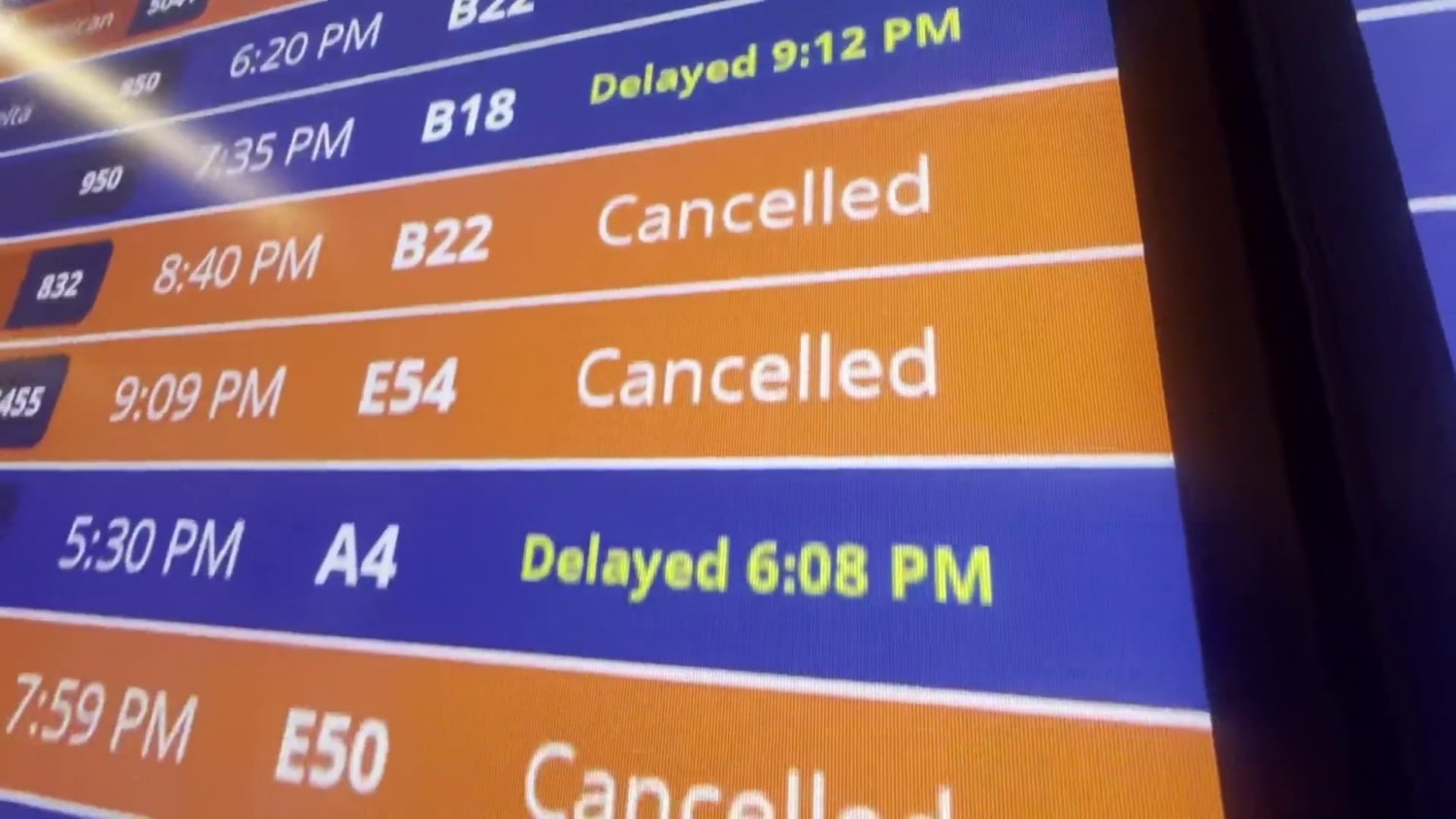
AI and Predictive Analytics: The High-Tech Cure for Delays
While technology is often the cause of delays, it is also the only viable solution. The aviation industry is currently betting heavily on Artificial Intelligence (AI) and Machine Learning (ML) to transform how we handle disruptions. The goal is to move from reactive management to proactive mitigation.
Machine Learning in Weather Prediction and Rerouting
Weather remains a leading cause of delays, but the “tech” version of a weather delay is actually a data processing failure. Traditional weather models provide a broad view of storms, but AI-driven predictive analytics can now model micro-weather patterns with startling accuracy.
By feeding decades of flight data and meteorological records into ML algorithms, airlines can now predict exactly how a thunderstorm over Chicago will impact gate availability in Dallas four hours later. These AI tools allow carriers to preemptively reroute aircraft or “swap” planes digitally before a delay even occurs. When these systems are offline or under-utilized, delays persist; when they are functioning, they save millions of minutes of wait time annually.
Optimization Algorithms for Turnaround Management
The “turn”—the time between a plane landing and taking off again—is a complex logistical dance involving fuel, catering, cleaning, and baggage handling. Many modern delays are caused by a breakdown in this coordination.
New “Digital Twin” technology allows airport operators to create a real-time virtual model of the airport. Sensors track the movement of every tug, fuel truck, and baggage cart. If an AI detects that a catering truck is running two minutes late, it can automatically re-sequence other ground services to ensure the plane still leaves on time. The “delay today” is often simply the result of an airport that hasn’t yet fully integrated these hyper-efficient optimization algorithms into its daily operations.
The Future of Connectivity: NextGen and Satellite-Based Tracking
The ultimate answer to reducing flight delays lies in a total overhaul of how we track aircraft. For decades, aviation has relied on ground-based radar, which is limited by line-of-sight and geographical barriers. The shift to satellite-based systems represents the single largest tech upgrade in aviation history.
Transitioning from Radar to ADS-B
The transition to Automatic Dependent Surveillance-Broadcast (ADS-B) technology is the cornerstone of the FAA’s “NextGen” initiative. Unlike radar, which “looks” for a plane, ADS-B allows the plane to constantly broadcast its precise GPS position to controllers and other aircraft.
The technical delay “today” is often a result of the “mixed-equipage” environment. Not every aircraft in the sky is currently using the most advanced ADS-B out-transmitters. When a high-tech Boeing 787 is following a 30-year-old cargo plane with older transponders, the system must default to the limitations of the older tech. As the global fleet reaches 100% saturation of this satellite technology, the “invisible” delays caused by radar limitations will begin to vanish.
Data Interoperability: Breaking the Silos
One of the greatest technological hurdles in aviation is the lack of data interoperability. An airline has its data, the airport has its data, and the government has its data. Often, these systems do not “talk” to each other in real-time.
A delay occurs when the airline knows a flight is ready, but the airport’s gate management software hasn’t received that update, and the ATC’s departure slotting system is looking at a third, different data set. The solution currently being deployed is the System Wide Information Management (SWIM) architecture. This is essentially a giant “data bus” that allows different tech platforms to share information seamlessly. When this digital handshake fails or is delayed by network latency, the physical aircraft stays at the gate.
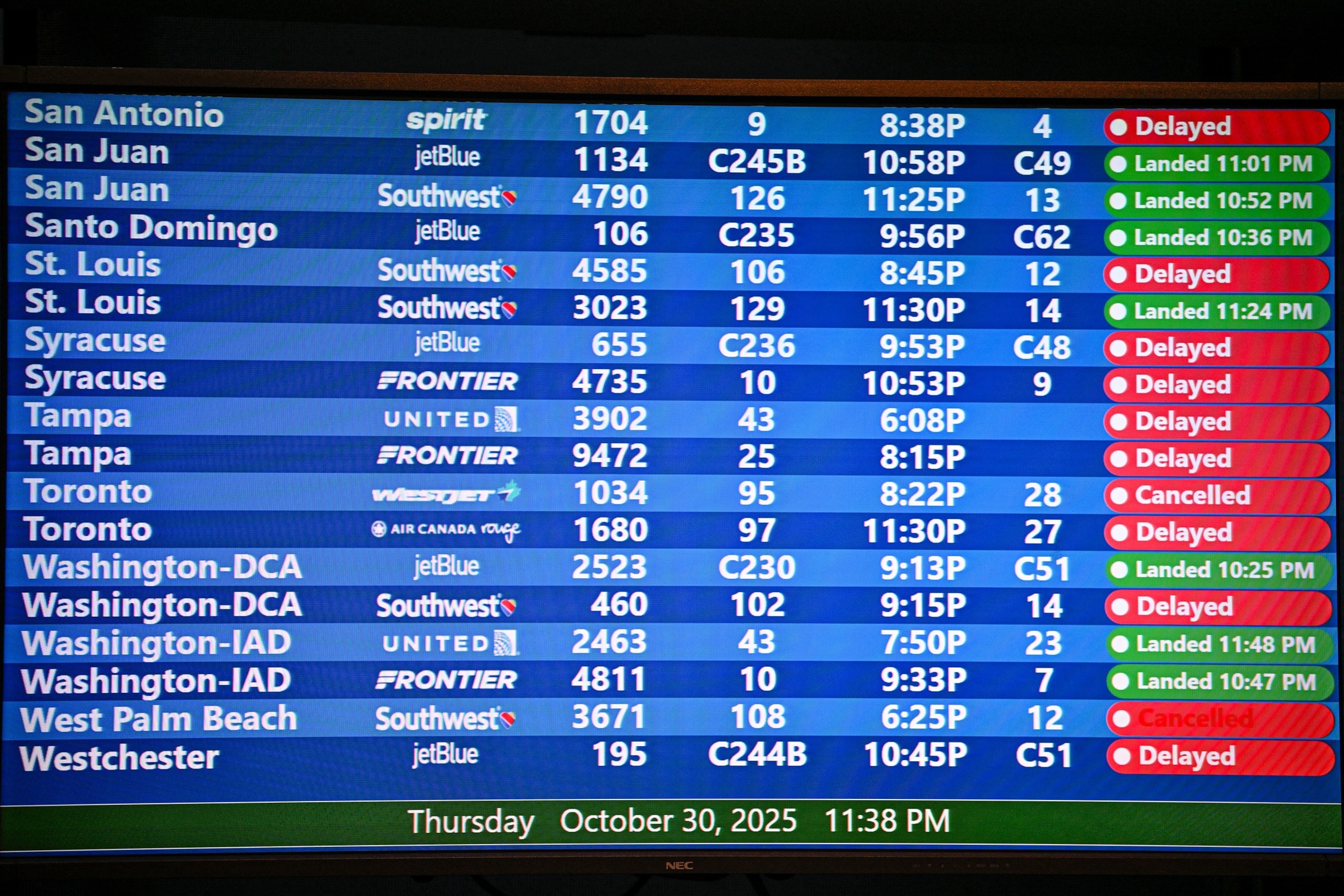
Conclusion: The Digital Horizon of Flight
Why are flights delayed today? While the weather and mechanical issues still play their part, the modern reality is that we are flying through a digital grid that is struggling to keep pace with demand. Delays are the friction points where aging legacy code meets the high expectations of a hyper-connected world.
As we move forward, the “tech” of aviation will continue to evolve from a source of frustration into a source of unprecedented efficiency. Through the integration of AI-driven logistics, satellite-based navigation, and robust cybersecurity protocols, the industry is working to ensure that the only thing keeping a plane on the ground is the safety of the passengers. Until then, the next time you see a “delayed” notification on your smartphone, remember that it is likely the result of a silent battle being waged in the servers and data centers that form the invisible backbone of the skies.
aViewFromTheCave is a participant in the Amazon Services LLC Associates Program, an affiliate advertising program designed to provide a means for sites to earn advertising fees by advertising and linking to Amazon.com. Amazon, the Amazon logo, AmazonSupply, and the AmazonSupply logo are trademarks of Amazon.com, Inc. or its affiliates. As an Amazon Associate we earn affiliate commissions from qualifying purchases.