
Bitcoin, the world’s pioneering cryptocurrency, has captured global attention not just for its revolutionary technology but primarily for its often staggering price. From a fraction of a cent at its inception, it has ascended to tens of thousands of dollars, making it one of the most volatile yet compelling assets in modern financial history. The question, “why are Bitcoins so expensive?” is not merely an inquiry into its price tag, but a deep dive into the intricate interplay of economic principles, market dynamics, technological innovation, and evolving investor psychology within the realm of finance and investing. Understanding this involves dissecting its unique monetary policy, its role as a perceived store of value, and the forces driving its adoption in a rapidly digitizing world.

The Fundamental Economics of Scarcity and Demand
At the heart of Bitcoin’s valuation lies a meticulously engineered economic model that leverages digital scarcity against ever-growing demand. This foundational principle is paramount to understanding its high price.
Limited Supply: Bitcoin’s Digital Gold Analogy
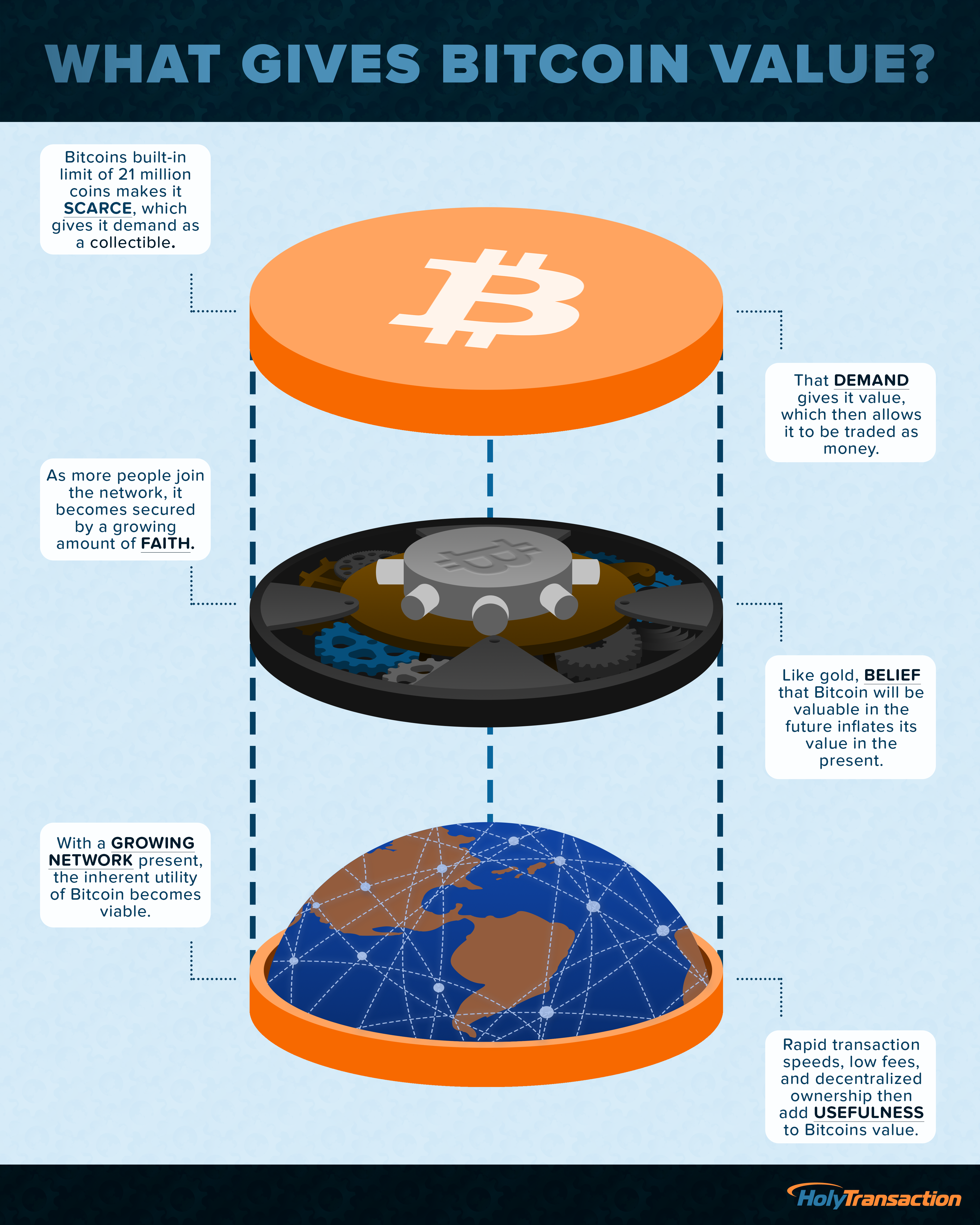
Unlike traditional fiat currencies, which can be printed in unlimited quantities by central banks, Bitcoin has a hard-capped supply of 21 million coins. This absolute scarcity is programmed into its protocol by its pseudonymous creator, Satoshi Nakamoto. This fixed limit positions Bitcoin as a “digital gold,” mimicking the scarcity of precious metals. Just as gold’s value is bolstered by its finite availability and the effort required to extract it, Bitcoin’s capped supply creates an inherent value proposition, especially in an era of quantitative easing and inflationary concerns. The finite nature means that as demand increases, the price must rise, assuming all other factors remain constant, because new supply cannot be created to meet that demand beyond the programmed issuance schedule. This predictable and transparent supply schedule is a radical departure from traditional monetary systems and is a core driver of its perceived value and, consequently, its price.
Ever-Growing Demand: From Early Adopters to Institutional Interest
The journey of Bitcoin’s demand has evolved dramatically over its lifespan. Initially, demand was driven by a niche group of technologists, libertarians, and early adopters drawn to its promise of decentralized digital cash. As its profile grew, retail investors began to enter the market, driven by curiosity, the potential for high returns, and the fear of missing out (FOMO) on a rapidly appreciating asset. More recently, however, a significant shift has occurred with the influx of institutional interest. Major corporations like MicroStrategy and Tesla have added Bitcoin to their balance sheets. Prominent asset managers have launched Bitcoin investment products, including spot Bitcoin ETFs in major financial markets, making it easier for traditional investors to gain exposure. This institutional validation and accessibility have unleashed a torrent of new capital into the Bitcoin ecosystem, exponentially increasing demand. Furthermore, the narrative of Bitcoin as an inflation hedge, a geopolitical safe haven, and a diversification tool has resonated with a broader spectrum of sophisticated investors, propelling its price upwards.
Halving Events: Programmed Scarcity Shocks
Another critical economic mechanism influencing Bitcoin’s price is the “halving” event. Approximately every four years, or every 210,000 blocks mined, the reward for mining new blocks is cut in half. This directly reduces the rate at which new Bitcoins are introduced into circulation. These halving events are pivotal moments for Bitcoin’s supply dynamics. Each halving effectively doubles the cost of producing new Bitcoin (in terms of block reward) for miners, assuming mining difficulty and operational costs remain constant. Historically, each halving has preceded significant price appreciation, as the sudden reduction in new supply, coupled with sustained or increasing demand, creates a powerful scarcity shock. Investors and analysts keenly anticipate these events, recognizing them as programmed catalysts that tighten supply and apply upward pressure on Bitcoin’s market value.
Market Dynamics and Investor Psychology
Beyond the fundamental supply and demand, Bitcoin’s price is profoundly shaped by the complex interplay of market dynamics, speculative forces, and the often-irrational exuberance or fear of human psychology.
Speculation and Volatility: The Price Discovery Process
Bitcoin’s market is renowned for its extreme volatility. This is partly due to its relatively young age as an asset class and its limited liquidity compared to traditional financial markets. Its price discovery process is heavily influenced by speculation. Investors often buy Bitcoin not necessarily for its utility as a currency, but with the expectation that its price will appreciate further, allowing them to sell at a profit. This speculative fervor can lead to rapid price surges during bull markets, often fueled by social media narratives, celebrity endorsements, or positive news. Conversely, negative news, regulatory crackdowns, or major liquidations can trigger sharp corrections, as investors panic sell. This cycle of boom and bust, characterized by significant price swings, is a defining feature of Bitcoin’s market and contributes to its “expensive” perception, as large gains are quickly followed by periods of significant depreciation, only to recover and set new highs. The ongoing debate around its intrinsic value versus its speculative value contributes to this dynamic.
Liquidity and Market Capitalization: A Maturing Asset Class
While still volatile, Bitcoin’s market has significantly matured. Its market capitalization, now often in the trillions of dollars, places it among the largest assets globally. Increased market capitalization generally brings more liquidity, meaning larger trades can be executed with less impact on price. However, compared to established assets like gold or major fiat currencies, Bitcoin’s market depth can still be limited, especially on individual exchanges or during periods of extreme trading volume. The increasing number of investment vehicles, such as futures, options, and ETFs, has also added layers of complexity and sophistication to its market. These instruments allow institutional investors to hedge, speculate, and manage risk, further integrating Bitcoin into the broader financial ecosystem. This evolving liquidity and market structure mean that while large capital inflows are now more common, they can still exert significant upward pressure on price, as the market adjusts to absorb substantial new demand.
Global Macroeconomic Factors: Inflation Hedge and Safe Haven Narrative
In recent years, Bitcoin has increasingly been discussed in the context of global macroeconomic trends. With unprecedented levels of government spending and quantitative easing by central banks globally, inflation has become a significant concern for investors. Many view Bitcoin, with its fixed supply and decentralized nature, as a potential hedge against inflation, a “digital store of value” that cannot be debased by government policy. This narrative has grown particularly strong during periods of high inflation or economic uncertainty, leading some investors to allocate a portion of their portfolios to Bitcoin as a safe haven asset, similar to gold. Its correlation with traditional assets can shift, at times acting as a risk-on asset, and at other times as a hedge against systemic risk. The growing acceptance of this narrative among mainstream economists and financial advisors further fuels demand, contributing to its elevated price, as it becomes integrated into global investment strategies beyond mere speculation.
Technological Underpinnings and Perceived Value
While its price is driven by financial market dynamics, Bitcoin’s underlying technology and its inherent properties are fundamental to its perceived value and why it commands such a high price.
Decentralization and Security: The Core Value Proposition
Bitcoin’s value proposition is intrinsically linked to its technological architecture. It operates on a decentralized blockchain network, meaning there is no central authority controlling it. This decentralization offers unparalleled censorship resistance, immutability, and transparency. Transactions are verified by a global network of computers (miners) and recorded on a public ledger, making them virtually impossible to alter or reverse. This trustless system eliminates the need for intermediaries, providing users with full sovereignty over their funds. The security of the network, protected by powerful cryptography and the collective computing power of miners (Proof-of-Work), makes it incredibly resilient to attacks. Investors pay a premium for these properties – the ability to hold an asset that is resistant to government seizure, hyperinflation, or third-party interference. This fundamental technological strength underpins the entire financial narrative of Bitcoin as a secure and independent store of value.
Network Effects and Adoption: Growing Utility and Acceptance
The value of a network often increases exponentially with the number of its users, a principle known as Metcalfe’s Law. Bitcoin benefits significantly from these network effects. As more individuals, businesses, and even nations (like El Salvador) adopt Bitcoin for payments, remittances, or as legal tender, its utility and legitimacy grow. The development of layer-2 solutions like the Lightning Network aims to enhance Bitcoin’s transaction speed and reduce costs, expanding its practical utility for everyday micro-payments. Furthermore, the increasing integration of Bitcoin into traditional financial infrastructure, through regulated exchanges, custodial services, and payment processors, makes it more accessible and usable for a wider audience. This expanding ecosystem and practical application reinforce its perceived value, moving it beyond a purely speculative asset to one with tangible utility, driving further demand and supporting its high price.
Cost of Production: Mining Economics and Energy Consumption
The “expense” of Bitcoin can also be viewed from the perspective of its production cost. Bitcoin mining is an energy-intensive process where powerful computers compete to solve complex cryptographic puzzles to add new blocks to the blockchain and earn newly minted Bitcoins (alongside transaction fees). The cost of mining includes significant capital expenditure for specialized hardware, ongoing operational costs for electricity, and infrastructure maintenance. As Bitcoin’s price rises, mining becomes more profitable, attracting more miners and increasing the network’s hash rate (total computing power). This, in turn, automatically increases the mining difficulty, meaning more computational effort (and thus energy) is required to mine new coins. While the market price is not solely determined by the cost of production, there’s a strong economic incentive for the price to remain above the marginal cost of mining for the network to remain secure and operational. This “embedded cost” acts as a floor, contributing to Bitcoin’s overall valuation.
The Road Ahead: Future Value Drivers and Challenges
Bitcoin’s journey is far from over, and its future price trajectory will continue to be influenced by evolving factors and persistent challenges.
Regulatory Landscape: Clarity and Mainstream Integration
The regulatory environment remains a significant factor in Bitcoin’s valuation. Greater regulatory clarity, particularly in major economies, is generally viewed as a positive catalyst. The approval of spot Bitcoin ETFs in the US, for instance, significantly de-risked Bitcoin for a broad segment of institutional investors, leading to substantial inflows. As governments and financial bodies develop clearer frameworks for cryptocurrencies, this fosters trust, reduces uncertainty, and facilitates broader mainstream integration. Conversely, restrictive or punitive regulations in key jurisdictions could create headwinds, impacting investor sentiment and demand. The ongoing global dialogue on how to regulate digital assets, balancing innovation with consumer protection and financial stability, will play a crucial role in shaping Bitcoin’s perceived legitimacy and, consequently, its price.
Scalability and Innovation: Enhancing Utility
While Bitcoin is highly secure and decentralized, its base layer has inherent limitations in transaction throughput compared to traditional payment networks. Innovations in scalability, such as the aforementioned Lightning Network or potential future protocol upgrades, are vital for Bitcoin to fulfill its promise as a global medium of exchange without compromising its core principles. Continued development and adoption of these solutions would enhance Bitcoin’s utility, making it more practical for everyday transactions and expanding its addressable market. Successful scaling efforts would directly contribute to increased demand and sustained value, as its practical application broadens beyond just a store of value.

Competition and Alternatives: The Altcoin Market
Bitcoin operates within a vast and competitive cryptocurrency ecosystem. While it remains the dominant cryptocurrency by market capitalization, it faces competition from thousands of “altcoins,” many of which aim to improve upon certain aspects of Bitcoin or offer entirely new functionalities (e.g., smart contracts on Ethereum, faster transactions on Solana). The emergence of these alternatives, and their potential for rapid innovation and adoption, could theoretically divert capital and attention away from Bitcoin. However, for many investors, Bitcoin’s position as the original, most decentralized, and most secure cryptocurrency by far, coupled with its proven track record, solidifies its status as digital gold. While altcoins offer diversification and different value propositions, Bitcoin typically serves as the primary gateway and benchmark for the broader crypto market, maintaining its premier position and therefore its premium price.
In conclusion, Bitcoin’s “expensiveness” is a multifaceted phenomenon rooted in its carefully crafted scarcity, driven by ever-increasing demand from a diverse investor base, and buttressed by its robust decentralized technology. It is a financial asset navigating global macroeconomic shifts, market speculation, and evolving regulatory landscapes. Its price reflects not just its present utility, but also the collective belief in its future potential as a revolutionary monetary technology and a powerful hedge against traditional financial vulnerabilities.
aViewFromTheCave is a participant in the Amazon Services LLC Associates Program, an affiliate advertising program designed to provide a means for sites to earn advertising fees by advertising and linking to Amazon.com. Amazon, the Amazon logo, AmazonSupply, and the AmazonSupply logo are trademarks of Amazon.com, Inc. or its affiliates. As an Amazon Associate we earn affiliate commissions from qualifying purchases.