
The question “who owns Amazon?” might seem straightforward, but for a company of its monumental scale and public listing, the answer is a nuanced exploration into the very heart of modern finance and corporate structure. Amazon, a titan in e-commerce, cloud computing, artificial intelligence, and digital streaming, isn’t simply owned by a single individual or a small group. Instead, its ownership is a sprawling mosaic of millions of investors, institutions, and, yes, its iconic founder, Jeff Bezos. Understanding this ownership structure is crucial for anyone keen to grasp the financial underpinnings of one of the world’s most valuable companies, revealing insights into market dynamics, wealth creation, and corporate governance. This article will delve into Amazon’s ownership through the lens of finance, exploring how a public company’s equity is distributed, the roles of key stakeholders, and the financial implications of this distributed ownership model.
The Founder’s Enduring Legacy: Jeff Bezos and the Genesis of Amazon’s Wealth
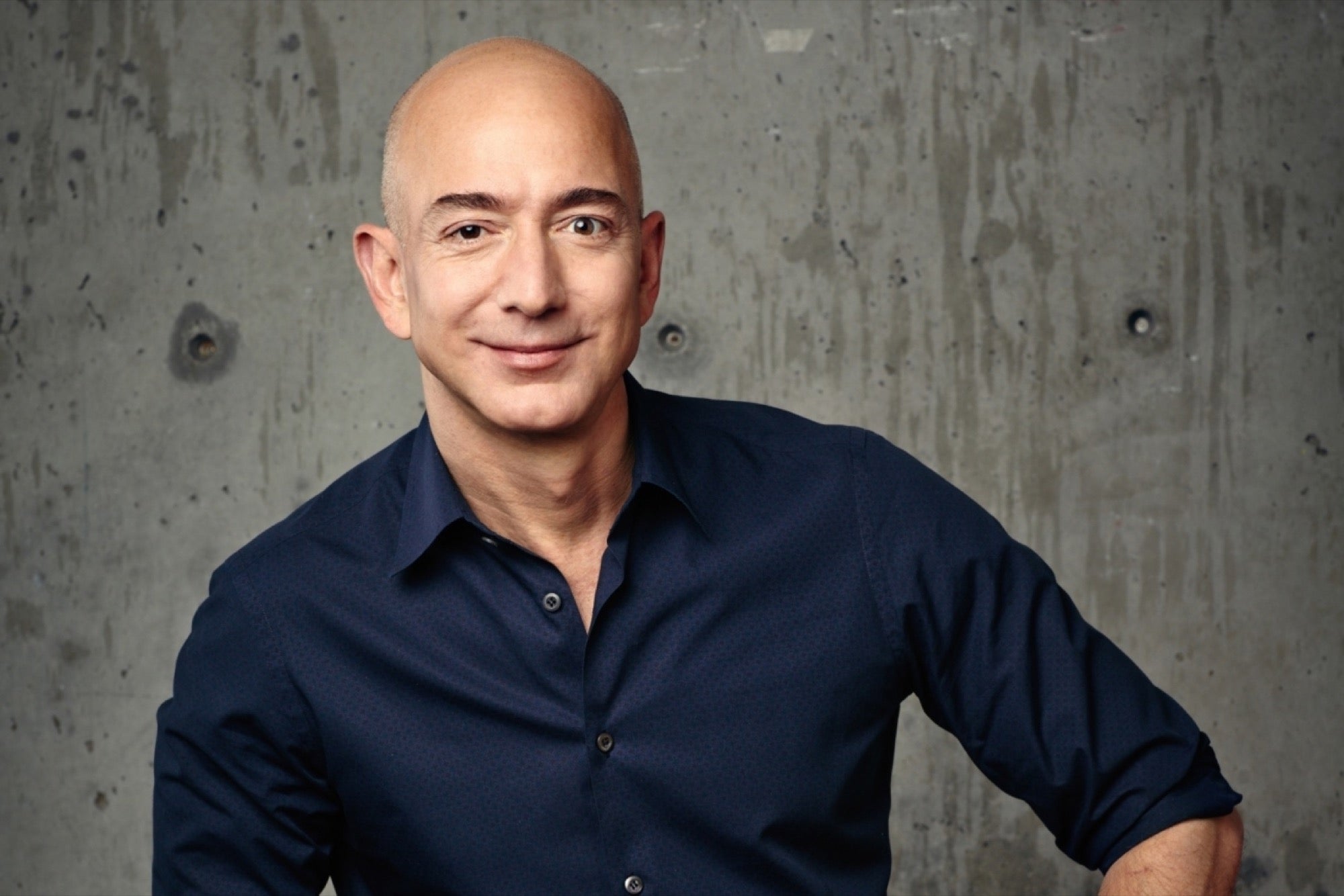
At the core of Amazon’s ownership narrative, much like its operational DNA, is Jeff Bezos. His vision, entrepreneurial spirit, and initial capital were the catalysts that transformed a nascent online bookstore into an indispensable global infrastructure. While his direct operational role has evolved, his financial stake and strategic influence remain significant, shaping Amazon’s trajectory from a financial perspective.
From Garage Startup to Global Empire: Bezos’s Vision and Initial Capital
In 1994, Jeff Bezos founded Amazon from his garage in Bellevue, Washington. He famously secured an initial $300,000 investment from his parents and a handful of early investors. This initial capital was the lifeblood that allowed Amazon to experiment, scale, and eventually go public. Bezos’s genius wasn’t just in seeing the potential of the internet for commerce, but in understanding the financial models necessary for aggressive growth: prioritizing market share over immediate profits, reinvesting heavily, and consistently innovating. This long-term financial strategy, though initially criticized by some analysts focused on quarterly returns, ultimately laid the groundwork for unprecedented shareholder value creation. His steadfast belief in exponential growth and customer obsession was not merely a business philosophy but a financial strategy that enabled Amazon to become a trillion-dollar company.
The Transition of Leadership: CEO to Executive Chairman and Shareholder Influence
In July 2021, Bezos transitioned from his role as CEO to Executive Chairman of Amazon’s Board of Directors, handing the CEO reins to Andy Jassy. This shift marked a significant moment in the company’s history but did not diminish Bezos’s profound financial influence. As Executive Chairman, he remains deeply involved in major strategic decisions, which inherently have significant financial implications for the company’s direction, capital allocation, and market valuation. Furthermore, as the largest individual shareholder, his holdings represent a substantial portion of Amazon’s equity. While his voting power is proportional to his share count, his voice, experience, and historical connection to the company lend him immense unofficial influence, guiding Amazon’s long-term financial vision and strategic investments. His continued presence at the top ensures a degree of continuity in the bold, long-term financial planning that has characterized Amazon’s success.
Personal Wealth and Philanthropy: The Financial Trajectory of Amazon’s Creator
Jeff Bezos’s stake in Amazon is the primary source of his colossal personal wealth, making him one of the richest individuals on the planet. As of early 2024, Bezos still holds over 980 million shares of Amazon stock (AMZN), representing roughly 9.5% of the company. The fluctuating value of Amazon’s stock directly impacts his net worth, which serves as a powerful testament to the financial returns generated by the company he founded. His wealth is a direct reflection of Amazon’s market capitalization and its financial performance over decades. Beyond personal enrichment, Bezos has increasingly turned his attention to philanthropy through initiatives like the Bezos Earth Fund and various other ventures. The scale of his philanthropic commitments, often involving pledging or distributing Amazon stock, underscores the profound financial impact of his ownership and his capacity to channel vast capital towards addressing global challenges, further illustrating the ripple effect of Amazon’s financial success.
The Public Ownership Model: How Investors Truly Own Amazon
While Jeff Bezos is intrinsically linked to Amazon’s origins and ongoing strategy, the majority of Amazon is owned by the public. As a publicly traded company on the NASDAQ stock exchange under the ticker symbol AMZN, its ownership is distributed among millions of shareholders worldwide. This model democratizes ownership, allowing anyone with the means to invest to own a fractional piece of the company.
Amazon as a Publicly Traded Company: The Concept of Fractional Ownership
When Amazon went public in 1997, it sold shares to investors, effectively inviting the public to become part-owners. This act transformed Amazon from a privately held entity into a publicly owned corporation. Each share of AMZN stock represents a tiny, fractional ownership stake in the company, entitling the shareholder to a portion of its assets and earnings, albeit indirectly. For investors, buying Amazon stock is a vote of confidence in its financial future and a way to participate in its growth. The collective investment of these shareholders provides Amazon with massive capital for expansion, research and development, acquisitions, and operational expenses, fueling its growth and solidifying its market position. This constant influx of capital from diverse investors is a cornerstone of Amazon’s financial strength and its ability to undertake ambitious projects.
The Role of the Stock Market: Buying a Slice of the E-commerce Giant
The stock market serves as the primary mechanism through which this fractional ownership is facilitated. Shares of Amazon are bought and sold on exchanges, with their prices fluctuating based on market demand, company performance, economic outlooks, and investor sentiment. When an individual or institution purchases Amazon stock, they are effectively acquiring a piece of the company’s future profits and assets. This continuous trading allows for liquidity, enabling investors to buy or sell their ownership stakes. The market capitalization of Amazon (its stock price multiplied by the number of outstanding shares) is a dynamic reflection of how the financial world values the entire company, making it a critical metric for understanding its financial standing and investor confidence. For many investors, owning Amazon stock is a core component of their investment portfolios, reflecting its perceived stability and growth potential within the broader financial markets.
Understanding Share Classes and Voting Rights: A Deeper Dive into Corporate Governance
In Amazon’s case, there is generally one class of common stock, meaning each share typically carries one vote. This simplifies the corporate governance structure compared to companies with dual-class share structures (where founders or insiders might hold shares with superior voting rights). For Amazon shareholders, owning stock means having the right to vote on certain corporate matters, such as electing board members, approving mergers, or significant changes to the company’s articles of incorporation. While individual retail investors often have minimal direct impact due to their small holdings, their collective votes can sometimes influence outcomes. More importantly, institutional investors, holding vast blocks of shares, wield considerable voting power, playing a crucial role in corporate governance and holding management accountable for financial performance and ethical practices. This democratic, albeit often diluted, aspect of ownership is fundamental to how publicly traded companies are managed and financed.
The Landscape of Institutional and Retail Investment in Amazon
The vast majority of Amazon’s outstanding shares are held by a diverse array of investors, broadly categorized into institutional and retail investors. Each group plays a distinct role in the financial ecosystem that supports Amazon, influencing its stock performance, strategic decisions, and overall market perception.
Power Players: Major Institutional Investors and Their Holdings
Institutional investors, such as mutual funds, hedge funds, pension funds, and asset management firms, constitute the largest segment of Amazon’s ownership. Giants like Vanguard, BlackRock, and State Street Global Advisors collectively own massive blocks of Amazon shares, often holding more than 5% each. These firms invest on behalf of millions of clients, and their investment decisions are driven by sophisticated financial analysis, long-term growth prospects, and risk management. Their large holdings grant them significant voting power and influence over corporate governance. They engage with Amazon’s management on issues ranging from environmental, social, and governance (ESG) practices to capital allocation strategies, striving to maximize financial returns for their own investors. The sheer volume of their investments means that their buying or selling activity can substantially impact Amazon’s stock price and market capitalization, making them critical players in the company’s financial story.
The Collective Strength of Retail Investors: Democratizing Ownership
Beyond the institutional behemoths, millions of individual retail investors own Amazon stock. These are everyday people who purchase shares through brokerage accounts, often as part of their personal investment portfolios, retirement planning, or speculative trading. While individual retail holdings are typically smaller than institutional ones, their collective investment is immense. The rise of accessible trading platforms has further democratized ownership, allowing more people to directly invest in companies like Amazon. For retail investors, Amazon represents a growth stock with a proven track record, making it an attractive long-term investment. Although their individual voting power might be limited, their collective market sentiment and buying/selling patterns contribute to the overall liquidity and stability of Amazon’s stock, influencing its financial valuation and perception within the broader market.
The Financial Impact of Shareholder Activity: From Activism to Market Sentiment
Shareholder activity, both institutional and retail, profoundly impacts Amazon’s financial health and strategic direction. Institutional investors, particularly those with a focus on active management, can engage in shareholder activism, advocating for changes in corporate strategy, executive compensation, or financial reporting to enhance shareholder value. This pressure can lead to significant shifts in Amazon’s financial policies or operational focus. Retail investor sentiment, while less direct, contributes to market trends. Widespread confidence or concern among individual investors can lead to buying or selling sprees, influencing the stock price. Furthermore, the constant scrutiny from both institutional and retail investors means that Amazon’s financial performance, quarterly earnings, and future outlook are under continuous evaluation, directly impacting its market valuation and its ability to raise capital or undertake major financial maneuvers like acquisitions.
Navigating Corporate Governance and Strategic Financial Decisions
For a company as vast and complex as Amazon, effective corporate governance is paramount to managing its finances, ensuring accountability, and driving long-term shareholder value. The ownership structure dictates how this governance functions, linking investor interests directly to operational and financial strategy.
The Board of Directors: Overseeing Amazon’s Financial Health and Direction
The Board of Directors is the ultimate governing body overseeing Amazon’s management and strategic direction. Comprising both internal executives (like Jeff Bezos as Executive Chairman and Andy Jassy as CEO) and independent directors, the board’s primary fiduciary duty is to act in the best financial interests of the shareholders. This involves approving major financial decisions, such as capital expenditures, mergers and acquisitions, dividend policies (though Amazon has historically not paid dividends, preferring reinvestment), and executive compensation. The board also plays a critical role in risk management and ensuring financial transparency. Its composition, independence, and expertise directly impact investor confidence and the company’s ability to maintain sound financial practices, making it a crucial link between dispersed ownership and centralized decision-making.
Executive Leadership: Managing Billions in Revenue and Investment
While the board provides oversight, the day-to-day financial and operational management falls to Amazon’s executive leadership team, led by CEO Andy Jassy. This team is responsible for executing the company’s strategy, managing its vast revenue streams, allocating capital across its diverse business units (e-commerce, AWS, advertising, logistics), and driving profitability. Their decisions on pricing, investment in new technologies, expansion into new markets, and cost management directly impact Amazon’s financial performance, which in turn affects its stock price and shareholder value. Their ability to deliver consistent financial growth and innovate responsibly is key to satisfying the millions of owners who have entrusted their capital to Amazon. The transparency and effectiveness of their financial reporting are vital for maintaining investor trust.
Strategic Capital Allocation: Reinvestment, Acquisitions, and Shareholder Value
A fundamental aspect of Amazon’s financial strategy, heavily influenced by its ownership structure, is its approach to capital allocation. Historically, Amazon has prioritized reinvestment of earnings back into the business over paying dividends. This strategy, championed by Bezos and supported by many long-term growth-focused investors, has fueled the aggressive expansion of AWS, its logistics network, and its research into new technologies. Acquisitions, such as Whole Foods Market or MGM Holdings, also represent significant capital outlays aimed at expanding market share and diversifying revenue streams. These decisions are made with the objective of maximizing long-term shareholder value by driving future growth and profitability. The balance between reinvestment, potential share buybacks (which can boost earnings per share and stock price), and future dividend considerations is a constant financial balancing act, meticulously analyzed by the company’s diverse ownership base.
Beyond Ownership: Amazon’s Financial Impact and Investment Outlook
Understanding “who owns Amazon” extends beyond just identifying shareholders; it encompasses the broader financial impact of this ownership structure on global markets and Amazon’s ongoing evolution as an investment vehicle.
A Force in Global Markets: Amazon’s Economic Footprint
Amazon’s colossal market capitalization and its pervasive presence across multiple industries make it a financial force multiplier in global markets. Its stock performance can influence broader market indices, affecting the portfolios of millions of investors worldwide. Its financial health dictates the fate of countless suppliers, vendors, and logistics partners, creating a vast economic ecosystem. Moreover, Amazon’s consistent innovation and financial investment in areas like cloud computing (AWS) and artificial intelligence drive technological advancement and economic growth on a global scale. The financial decisions made by Amazon’s leadership, under the watchful eye of its diverse ownership, reverberate throughout the economy, influencing everything from employment statistics to technological trends and consumer spending habits.
Why Invest in Amazon? Growth Prospects and Financial Performance
For many investors, the allure of Amazon lies in its compelling growth prospects and robust financial performance. Despite its massive size, Amazon has consistently demonstrated an ability to innovate, enter new markets, and expand its revenue streams. Amazon Web Services (AWS) continues to be a dominant force in cloud computing, offering high-margin revenue growth. Its advertising business is rapidly expanding, challenging traditional digital ad giants. Furthermore, its continuous investment in areas like AI, autonomous delivery, and healthcare promises future growth avenues. These factors, combined with strong cash flow generation and a track record of adapting to changing consumer behaviors, make Amazon a cornerstone in many growth-oriented investment portfolios. Investors bet on Amazon’s capacity to continue generating significant returns by leveraging its immense scale and relentless pursuit of market dominance.
The Future of Amazon’s Ownership and Financial Evolution
The ownership structure of Amazon, while stable in its broad strokes, will continue to evolve. As Jeff Bezos gradually divests more shares (for philanthropic endeavors or personal investments) and institutional holdings shift based on market conditions, the precise distribution of ownership will change. Future mergers, acquisitions, or even potential stock splits could alter its financial profile and accessibility for investors. The increasing focus on ESG (Environmental, Social, and Governance) factors by large institutional investors will also place continued pressure on Amazon’s financial and operational strategies, pushing for greater sustainability and social responsibility. Ultimately, Amazon’s future financial success and its continued status as a prime investment vehicle will depend on its ability to maintain innovation, navigate competitive pressures, and effectively manage its vast resources, all while remaining accountable to the millions of owners who collectively hold its financial destiny in their hands. The answer to “who owns Amazon” is a dynamic, complex, and continually unfolding financial story, reflective of the globalized, democratic nature of modern capital markets.
aViewFromTheCave is a participant in the Amazon Services LLC Associates Program, an affiliate advertising program designed to provide a means for sites to earn advertising fees by advertising and linking to Amazon.com. Amazon, the Amazon logo, AmazonSupply, and the AmazonSupply logo are trademarks of Amazon.com, Inc. or its affiliates. As an Amazon Associate we earn affiliate commissions from qualifying purchases.