
Lululemon Athletica Inc. stands as a titan in the athletic apparel and accessories market, renowned for its premium products, distinctive brand identity, and aspirational lifestyle focus. Yet, a fundamental question often arises for consumers and industry observers alike: “Who sells Lululemon?” This seemingly simple query unlocks a sophisticated narrative about brand strategy, controlled distribution, and the meticulous cultivation of exclusivity and community. For Lululemon, the answer to “who sells” is not merely a list of retailers, but a deliberate statement about its market positioning, its commitment to a direct-to-consumer model, and its nuanced approach to expansion, all designed to reinforce its coveted brand image.
This article delves into the intricate web of Lululemon’s sales channels, illustrating how the brand’s distribution strategy is an inseparable component of its overall success, meticulously engineered to maintain its premium status, foster deep customer relationships, and sustain a powerful global presence.
Lululemon’s Core Retail Strategy: The Direct-to-Consumer Powerhouse
At the heart of Lululemon’s distribution model lies a steadfast commitment to a direct-to-consumer (DTC) approach. This strategy grants the brand unparalleled control over its customer experience, brand messaging, pricing, and inventory, allowing it to cultivate a highly distinct and premium market position. By largely bypassing traditional multi-brand retailers, Lululemon ensures that every interaction with its products and ethos is curated and consistent.
The Flagship Stores: Immersive Brand Experiences
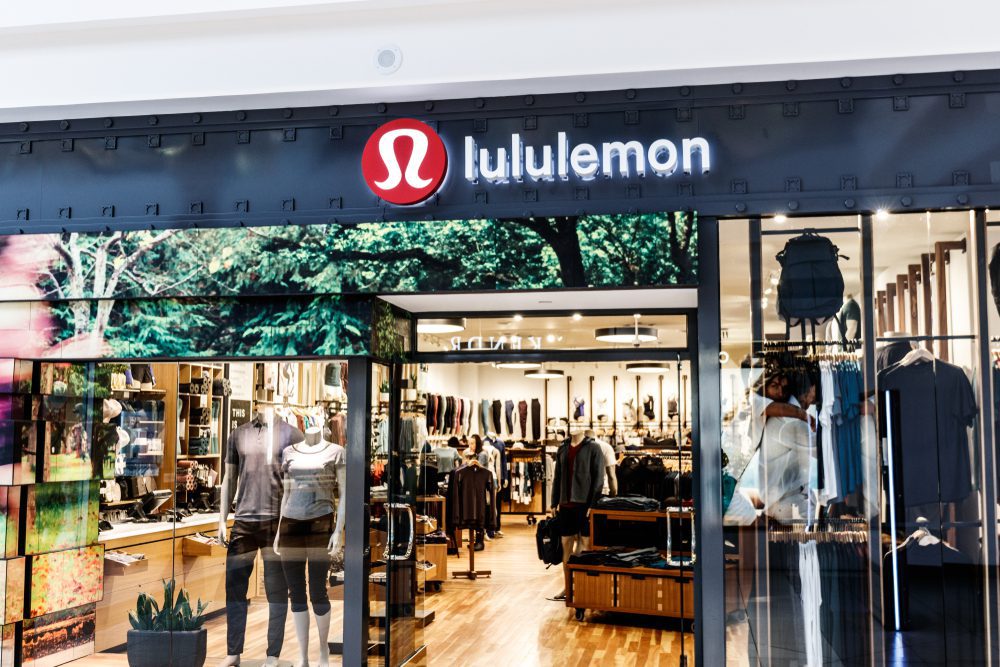
Lululemon’s physical retail stores are far more than just points of sale; they are meticulously designed brand sanctuaries that embody the company’s lifestyle philosophy. Each store is crafted to be an immersive environment, inviting customers not just to shop, but to engage with the brand’s values of “sweat, grow, and connect.” The design often features open, airy spaces, minimalist aesthetics, and displays that highlight product functionality and fashion appeal.
Beyond mere aesthetics, these stores serve as community hubs. Many Lululemon locations offer complimentary yoga classes, meditation sessions, running clubs, and other fitness events, transforming them into vital gathering spots for local wellness enthusiasts. The staff, known as “educators,” are highly trained not only in product knowledge but also in fostering genuine connections with customers, embodying the brand’s active and mindful spirit. This high-touch, personalized service elevates the shopping experience beyond a transactional exchange, building a loyal community that feels a strong affinity with the brand. By controlling the in-store experience so thoroughly, Lululemon ensures that its brand identity – premium quality, community, and well-being – is consistently and powerfully communicated at the most critical touchpoint.
E-commerce Dominance: The Digital Storefront
Complementing its robust physical presence, Lululemon has established a highly sophisticated and effective e-commerce platform that serves as another cornerstone of its DTC strategy. The brand’s official website and mobile application provide a seamless, intuitive, and visually appealing digital storefront that mirrors the premium experience of its physical locations. This online channel is critical for reach, convenience, and catering to a global customer base that values accessibility.
Lululemon’s digital experience features high-quality product imagery, detailed descriptions, customer reviews, and often style guides that help consumers visualize how products fit into their active lifestyles. The brand frequently leverages its online platform for exclusive product drops, early access for loyalty program members, and personalized recommendations driven by customer data. This digital prowess ensures that whether a customer is browsing from their couch or in-store, the brand interaction is cohesive, engaging, and reinforces Lululemon’s reputation for quality and innovation. The investment in robust logistics, efficient shipping, and streamlined returns further solidifies the online channel as a reliable and premium shopping destination.
Pop-up Shops and Experiential Retail
To further extend its reach and test new markets without the long-term commitment of a permanent store, Lululemon strategically utilizes pop-up shops and various forms of experiential retail. These temporary installations allow the brand to experiment with different formats, target specific events or demographics, and create a sense of urgency and exclusivity. Pop-ups might appear at major fitness festivals, in high-traffic urban areas, or in vacation destinations, bringing the Lululemon experience directly to new audiences.
These initiatives are often designed with a strong experiential component, featuring interactive displays, local community events, and unique product assortments tailored to the specific context. They serve as valuable marketing tools, generating buzz and allowing the brand to gather real-time feedback on products and market interest. By carefully controlling the narrative and presentation even in these temporary setups, Lululemon ensures that every pop-up reinforces its premium brand identity and community-focused ethos, rather than diluting it.
Controlled Expansion: Selective Partnerships and Second-Tier Channels
While Lululemon predominantly operates through its DTC model, the brand does engage in highly selective and controlled partnerships that extend its reach without compromising its core brand values or market positioning. These collaborations are chosen with extreme care, ensuring that they align with Lululemon’s premium image and strategic objectives.
Premium Department Store Collaborations (Limited & Strategic)
Historically, Lululemon has been exceedingly cautious about wholesale partnerships. While it has occasionally experimented with limited placements in high-end department stores (like Nordstrom in the past), these partnerships are rare and typically short-lived or highly controlled. The rationale behind such ventures is usually to gain exposure in specific luxury retail environments where the customer demographic aligns perfectly with Lululemon’s target audience, or to test market reception for certain product lines.
The brand exercises stringent control over how its products are presented, priced, and merchandised in these third-party environments. This ensures that Lululemon maintains its premium perception, avoids being subjected to frequent discounting that could devalue the brand, and preserves the distinct shopping experience associated with its own stores. Any such partnership is viewed as a strategic extension rather than a primary sales channel, with the brand’s long-term goal of fostering direct customer relationships always taking precedence.
The Resale Market: Embracing Circularity and Brand Longevity
Recognizing the growing importance of sustainability and the robust unofficial resale market for its products, Lululemon has proactively entered the second-hand space with its “Like New” program. This initiative allows customers to trade in gently used Lululemon gear for store credit, with the items then cleaned, repaired, and resold through a dedicated section on its website or in select stores.
This brand-controlled resale channel is a shrewd move for several reasons. Firstly, it taps into the circular economy, aligning with contemporary consumer values regarding environmental responsibility. Secondly, it allows Lululemon to manage its secondary market presence, ensuring that pre-owned items maintain a certain quality standard and price point, preventing dilution of the brand’s premium image that could occur with entirely unregulated third-party resale. Thirdly, it acts as a customer retention tool, encouraging trade-ins and continued engagement with the brand. By formally embracing resale, Lululemon extends the lifecycle of its products and reinforces its commitment to quality and longevity, further strengthening its brand narrative.
Corporate Programs and Bulk Sales
Beyond direct consumer sales, Lululemon also engages in less visible, specialized sales channels, such as corporate wellness programs or bulk orders for specific events, teams, or organizations. These are managed through dedicated B2B channels, ensuring that orders are processed efficiently and brand guidelines are strictly adhered to. Companies or teams looking to outfit their employees or members with Lululemon gear can access customized solutions, often including co-branding options if they meet specific criteria.
These sales channels are carefully curated to align with Lululemon’s brand image, focusing on partners who share similar values of health, wellness, and community. The brand ensures that the quality, messaging, and overall experience for these bulk purchasers remain consistent with the premium standard expected by individual consumers, further solidifying its reputation across different market segments.
International Market Penetration: Tailoring the Brand Globally
Lululemon’s growth trajectory includes significant international expansion, a complex endeavor that requires a nuanced understanding of diverse markets while maintaining a globally consistent brand identity. The brand’s approach to selling globally is characterized by strategic entry, localization efforts, and integrated online and offline experiences.
Strategic Market Entry and Localization
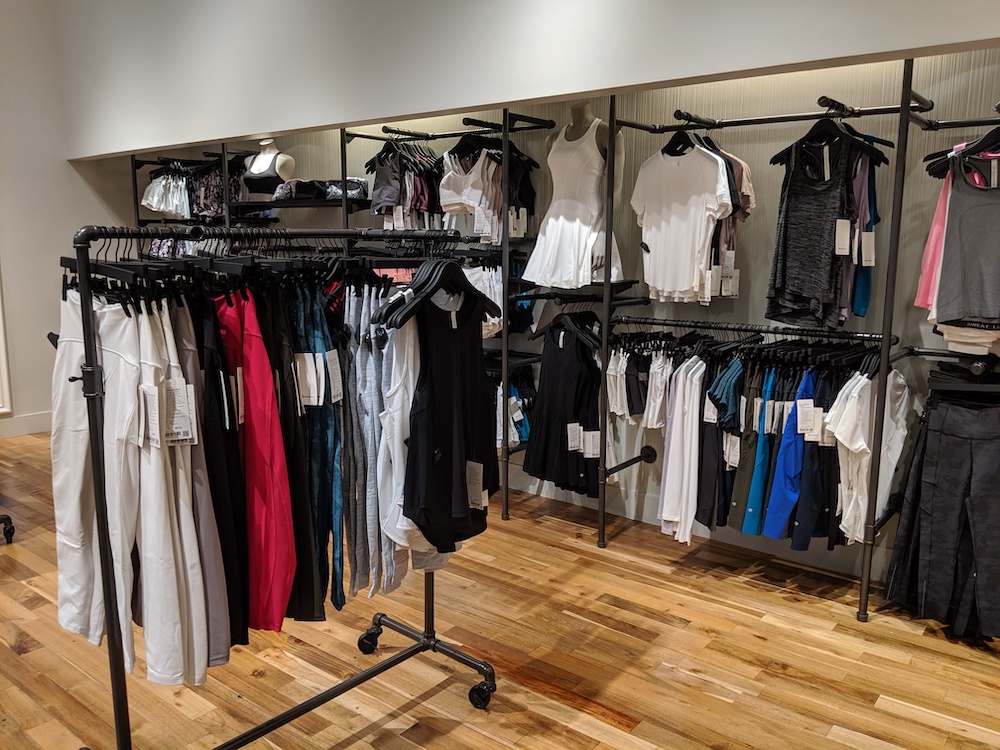
Entering new international markets is a carefully considered process for Lululemon. The brand conducts extensive market research to identify regions with strong potential for its active lifestyle offerings, considering cultural attitudes towards fitness, disposable income levels, and existing retail infrastructure. Once a market is targeted, Lululemon doesn’t just replicate its North American model; it adapts.
Localization efforts extend beyond mere language translation. This includes tailoring product assortments to local climate and cultural preferences (e.g., specific sizes, colors, or modest wear options in certain regions), adapting marketing campaigns to resonate with local values, and even integrating local fitness trends and influencers into its community-building initiatives. While the core brand ethos remains global, its expression is thoughtfully localized to ensure maximum relevance and appeal, making customers feel that Lululemon truly understands their unique needs and aspirations.
Online and Offline Synergy in Global Markets
In its international strategy, Lululemon meticulously integrates its e-commerce capabilities with its brick-and-mortar store presence. This synergy is crucial for providing a seamless, omnichannel experience to global customers. International websites are localized not only in language but also in currency, payment options, and shipping logistics, making online shopping as convenient and familiar as possible for local consumers.
Physical stores in international markets serve a dual purpose: they act as tangible brand anchors, providing an immersive experience and community hub, while also supporting the online channel through services like in-store pickup, returns, and personalized styling appointments. This integrated approach ensures that Lululemon’s brand presence is robust and accessible across all touchpoints, fostering brand loyalty and driving sales regardless of how or where customers choose to engage.
Navigating Cultural Nuances in Brand Storytelling
Lululemon’s brand storytelling, centered around “sweat, grow, and connect,” is powerful, but its interpretation can vary significantly across cultures. In its global expansion, the brand diligently navigates these cultural nuances to ensure its message resonates authentically without losing its core identity. This involves engaging local marketing teams, collaborating with local fitness professionals, and understanding societal perceptions of wellness and self-improvement. The goal is to articulate the universal benefits of Lululemon’s products – comfort, performance, and empowerment – in ways that are culturally sensitive and personally meaningful to diverse audiences, from bustling Asian metropolises to European fashion capitals.
Maintaining Brand Integrity Across All Touchpoints
The success of Lululemon’s distribution strategy lies in its unwavering commitment to maintaining brand integrity across every single selling touchpoint. This rigorous control is essential for upholding its premium status, justifying its price points, and preserving the deep emotional connection customers have with the brand.
Pricing Strategy and Value Perception
Lululemon’s premium pricing strategy is a cornerstone of its brand identity, and it is meticulously maintained across all sales channels. The brand rarely engages in widespread discounting or promotional sales that could devalue its products or confuse consumers about their inherent worth. Instead, Lululemon focuses on communicating the exceptional quality, innovative design, and superior performance of its apparel.
Customers are encouraged to perceive Lululemon products not just as clothing, but as investments in their health, well-being, and personal style. This perception of high value, coupled with the exclusive shopping experience and community benefits, allows the brand to command premium prices consistently, reinforcing its luxury athletic positioning. Any deviation from this strategy in a third-party channel would quickly erode brand equity, hence the strict control over where and how products are sold.
Consistent Messaging and Visual Identity
From the layout of a flagship store to the aesthetic of its e-commerce site, and from an Instagram ad to a community event, Lululemon ensures a unified and consistent brand message and visual identity. The brand’s sleek, minimalist design language, empowering slogans, and focus on active lifestyles are uniformly applied across all communication channels and retail environments.
This consistency builds trust and familiarity, making the brand instantly recognizable and reinforcing its core values. Staff training for “educators” across the globe emphasizes not only product knowledge but also the brand’s philosophy and customer service standards, ensuring that every interaction reflects the Lululemon ethos. This relentless pursuit of consistency is a vital aspect of controlling “who sells Lululemon,” as it dictates how the brand is represented, regardless of the specific channel.
The Role of Brand Ambassadors and Community Engagement
Lululemon leverages a powerful network of brand ambassadors – typically local yoga instructors, fitness trainers, and athletes – who serve as authentic extensions of its sales and marketing efforts. These ambassadors are deeply embedded in their communities, embodying the Lululemon lifestyle and organically promoting the brand through their practice and influence. They host classes, participate in store events, and provide invaluable feedback, acting as living testimonials to the brand’s commitment to active living.
This grassroots, community-driven approach to marketing is incredibly effective. It builds genuine trust and word-of-mouth endorsement, which are far more potent than traditional advertising in the premium activewear segment. By fostering these relationships, Lululemon extends its “sales force” beyond its official employees, allowing passionate individuals to become advocates who genuinely sell the brand’s lifestyle, not just its products.
The Future of Lululemon’s Distribution: Innovation and Evolution
Lululemon’s dynamic approach to retail and distribution is not static; it continuously evolves to meet changing consumer behaviors, technological advancements, and market demands. The future promises further innovation in how, where, and by whom Lululemon products are sold, always with an eye toward reinforcing its brand leadership.
Leveraging Technology for Enhanced Retail
Expect Lululemon to further integrate technology into both its physical and digital retail experiences. This could involve advanced personalization through AI-driven recommendations online, augmented reality (AR) features for virtual try-ons or in-store product information, and even more sophisticated data analytics to optimize inventory, predict trends, and tailor localized offerings. The acquisition of Mirror, a smart home fitness company, signaled Lululemon’s ambition to create an integrated ecosystem of physical products and digital services, blurring the lines between selling apparel and selling a holistic wellness experience.
Expanding Product Categories and New Channels
As Lululemon diversifies its product offerings into new categories like footwear, and potentially deeper into menswear or specialized sports gear, its distribution strategy may also adapt. While the DTC model will likely remain paramount, new product lines might explore niche partnerships or innovative retail formats that align with their specific market segments. The brand will continue to carefully evaluate any potential new channel against its core brand values, ensuring that expansion always serves to strengthen, rather than dilute, its identity.
Sustainability and Ethical Sourcing in Sales Strategy
The increasing consumer demand for transparency, sustainability, and ethical practices will undoubtedly influence Lululemon’s future distribution. The “Like New” program is just one example. Future initiatives might include more localized manufacturing, clearer supply chain transparency on product pages, or partnerships with organizations that further environmental or social causes. How products are made, how they are sold, and their lifecycle will become even more integral to the brand’s appeal, shaping both its messaging and its distribution decisions.

Conclusion
The question “who sells Lululemon” reveals a meticulously crafted brand strategy where distribution is not just a logistical function, but a central pillar of its market success. From its immersive flagship stores and dominant e-commerce platform to its selective partnerships, innovative resale program, and culturally sensitive international expansion, every choice in Lululemon’s sales network is engineered to reinforce its premium identity, cultivate a loyal community, and deliver a consistent, aspirational brand experience.
Lululemon has mastered the art of controlled distribution, understanding that by dictating where and how its products are sold, it directly shapes consumer perception, maintains its exclusivity, and fosters deep emotional connections. For Lululemon, “who sells” is inseparable from “what the brand stands for,” demonstrating that strategic distribution is a powerful, proactive tool for building and sustaining a globally coveted brand.
aViewFromTheCave is a participant in the Amazon Services LLC Associates Program, an affiliate advertising program designed to provide a means for sites to earn advertising fees by advertising and linking to Amazon.com. Amazon, the Amazon logo, AmazonSupply, and the AmazonSupply logo are trademarks of Amazon.com, Inc. or its affiliates. As an Amazon Associate we earn affiliate commissions from qualifying purchases.