
The question “who sells Kirkland brand” appears deceptively simple, yet it unlocks a fascinating narrative of brand strategy, corporate identity, and consumer loyalty. In an era dominated by global conglomerates and omnichannel retail, Kirkland Signature stands as a singular testament to the power of a private label executed with unparalleled precision. It isn’t just a product line; it’s a cornerstone of one of the world’s most successful retail models, inextricably linked to its exclusive seller, Costco Wholesale. Understanding the distribution of Kirkland Signature is to understand a masterclass in brand building, where the retailer and the brand become one, forging a unique bond with consumers that transcends mere transactional relationships.
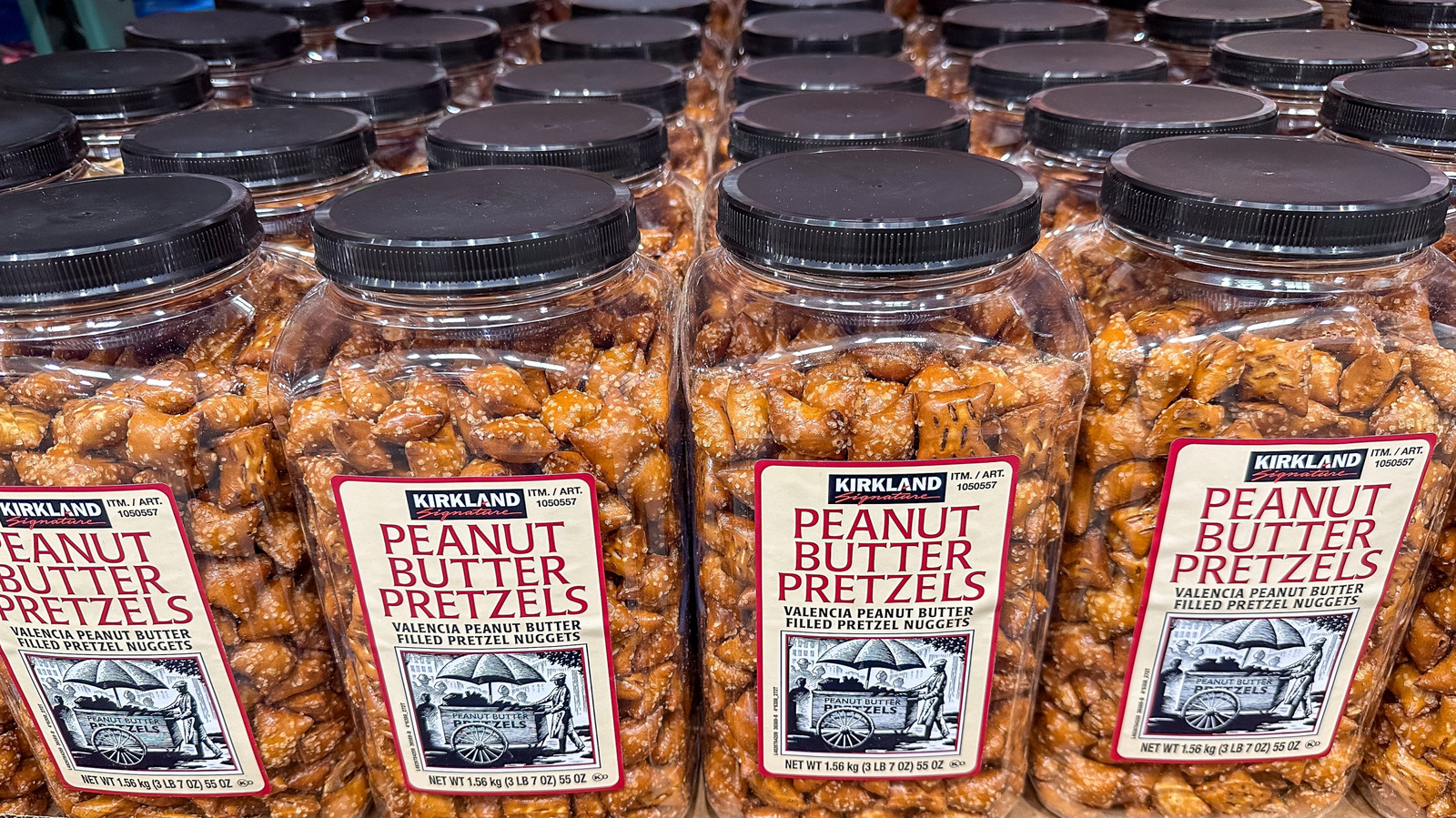
Kirkland Signature is not sold through a myriad of retailers, nor does it typically compete for shelf space in diverse marketplaces. Instead, its identity is woven directly into the fabric of Costco’s operations. This deliberate exclusivity is not a limitation but a fundamental pillar of its brand equity, allowing Costco to exert complete control over product quality, pricing, and ultimately, the customer experience. This article delves into the strategic rationale behind Kirkland Signature’s tightly controlled distribution, exploring how this approach has elevated it beyond a mere house brand to a beloved, trusted, and often sought-after entity in its own right, profoundly impacting Costco’s corporate identity and marketing strategy.
The Exclusive Ecosystem: Kirkland Signature and Costco’s Symbiotic Relationship
At the heart of the Kirkland Signature brand strategy lies its exclusive relationship with Costco. This isn’t just a matter of convenience; it’s a meticulously crafted symbiotic ecosystem where each entity reinforces the other’s value proposition. For consumers, the knowledge that Kirkland Signature products are primarily available only at Costco creates a unique draw, tying product access directly to membership.
A Brand Born from Necessity and Vision
Kirkland Signature was born in 1995, named after Costco’s original corporate headquarters in Kirkland, Washington. Its genesis was rooted in a strategic imperative: to offer members high-quality alternatives to national brands at more competitive prices, while simultaneously enhancing Costco’s gross margins. Before Kirkland Signature, Costco carried a diverse array of national brands, but often struggled with inconsistent availability and pricing pressure. The vision was to create a brand that members would implicitly trust to deliver on value and quality, streamlining inventory and strengthening Costco’s overall market position. This move transformed Costco from merely a reseller of other brands into a curator and guarantor of its own branded quality. It was a bold step, requiring significant investment in product development, quality control, and an unshakeable commitment to member satisfaction. The brand’s success quickly validated this vision, proving that consumers would embrace a private label when it consistently delivered superior value.
The Costco Membership Model as a Foundation
The unique membership-based model of Costco is not merely a gatekeeper to its warehouses; it is the foundational element that underpins Kirkland Signature’s success. Members pay an annual fee for the privilege of shopping at Costco, and in return, they expect unparalleled value. Kirkland Signature products are a primary fulfillment of this expectation. The exclusivity tied to membership transforms the act of purchasing into an experience of belonging to an elite club with access to premium products at advantageous prices. This model creates a closed loop of trust: members trust Costco, and by extension, they trust Kirkland Signature. The membership fee acts as a psychological commitment, increasing the perceived value of everything within the warehouse, especially products exclusive to that environment. For Costco, it provides a loyal customer base and predictable revenue, allowing for greater control over pricing and product development for its private label. This direct link between membership and brand access is a powerful differentiator in a fragmented retail landscape.
Distribution as a Differentiator
Unlike national brands that aim for ubiquitous distribution across multiple retailers, Kirkland Signature’s distribution strategy is fundamentally different: Costco is the primary distribution channel. This deliberate constraint is, paradoxically, one of its greatest strengths. By controlling every aspect of the supply chain, from sourcing and manufacturing to warehousing and in-store presentation, Costco ensures consistent quality and cost efficiency. This tightly managed distribution model minimizes competition and pricing volatility, allowing Kirkland Signature to maintain its competitive edge. While some Kirkland products might appear through third-party resellers (often at a premium) or international partnerships (like some specific items available in certain regions outside of direct Costco stores), the core brand identity is intrinsically tied to the Costco warehouse experience. This exclusivity makes Kirkland Signature a “destination brand,” compelling customers to visit Costco specifically for its offerings, thereby driving foot traffic and membership value. It’s a strategic choice that distinguishes Costco’s private label approach from conventional multi-retailer distribution models, making its distribution a key aspect of its overall brand strategy.
Crafting Brand Value: How Kirkland Signature Earned Consumer Trust
The journey of Kirkland Signature from a generic private label to a highly respected brand is a testament to meticulous brand building, focusing relentlessly on core consumer needs: quality and value. This strategy has allowed Kirkland Signature to transcend the stigma often associated with house brands and establish itself as a formidable competitor to established national brands.
Quality Parity with National Brands
A cornerstone of Kirkland Signature’s strategy is its unwavering commitment to quality. Costco’s philosophy dictates that Kirkland products must meet or exceed the quality standards of leading national brands. This isn’t just marketing rhetoric; it’s a rigorous process involving extensive product development, stringent quality control, and often, direct collaboration with top manufacturers who also produce goods for well-known brands. For instance, many Kirkland products are manufactured in the same facilities, using similar ingredients or specifications, as their national brand counterparts. This commitment builds profound consumer trust. When a member purchases a Kirkland Signature item, they do so with the confidence that they are getting a product comparable to, if not superior to, a more expensive branded alternative. This focus on demonstrable quality has allowed Kirkland Signature to shed the “cheaper alternative” perception and instead be viewed as a “smarter choice.” This deliberate strategy of quality parity is a vital component of its brand identity and a primary driver of its success.
The Price-Value Equation
While quality is paramount, the exceptional value proposition is what seals the deal for most consumers. Kirkland Signature products consistently offer significant cost savings compared to national brands, often due to economies of scale, direct sourcing, and the elimination of traditional marketing and distribution overheads. Costco passes these savings directly to its members, creating a compelling price-value equation that is difficult for competitors to match. The perception isn’t just “it’s cheaper”; it’s “it’s just as good, if not better, and cheaper.” This powerful combination fosters a strong sense of consumer loyalty, reinforcing the idea that a Costco membership is a smart financial decision. The success of this equation is evident in the fact that many members explicitly seek out Kirkland Signature products, viewing them as a core benefit of their membership. This strategic pricing, married with uncompromising quality, forms the bedrock of Kirkland Signature’s brand appeal.
Broadening the Brand Horizon
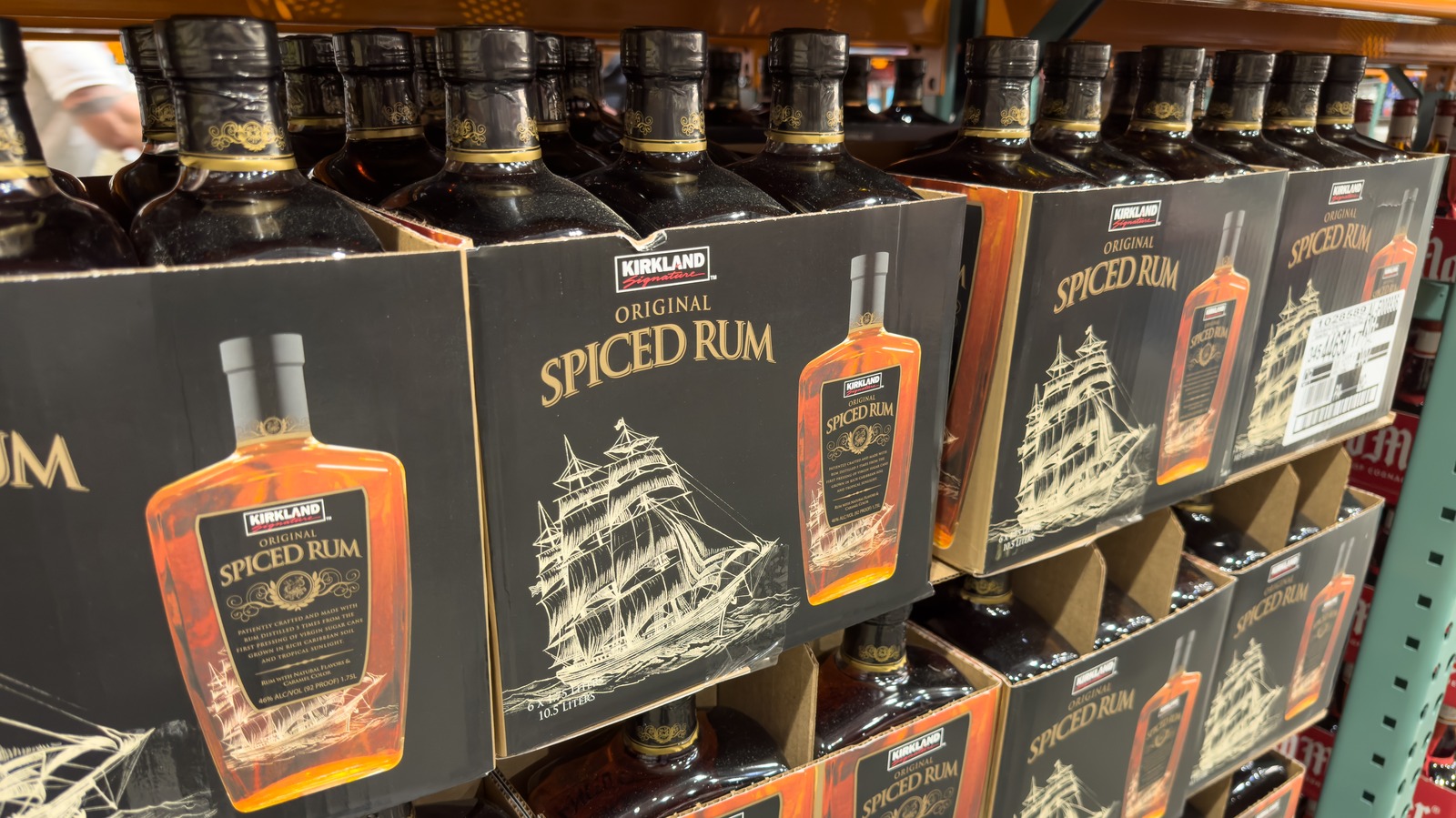
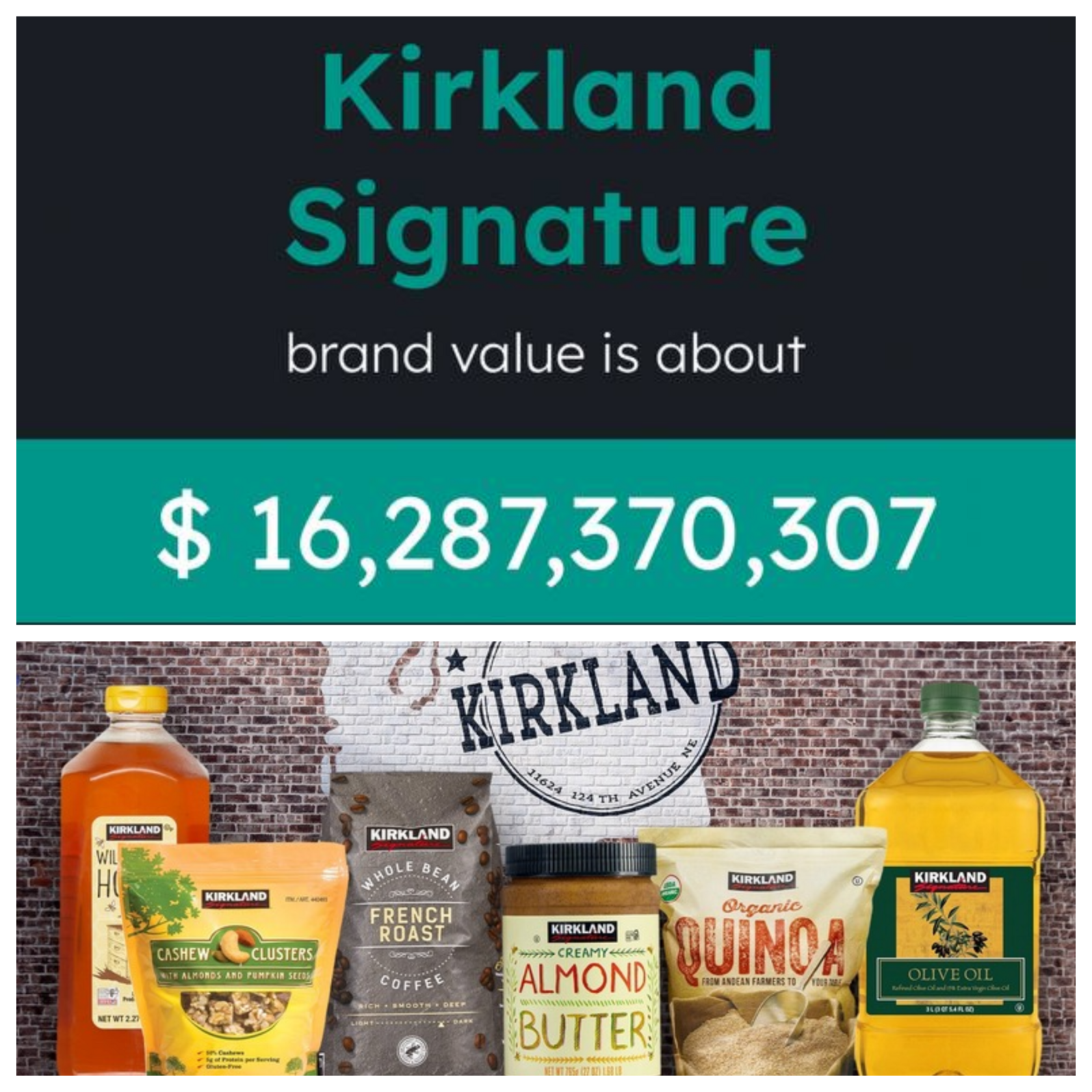
Initially, private label brands often focused on basic commodities. However, Kirkland Signature has dramatically broadened its product horizon, encompassing an astonishing array of categories. From everyday groceries like coffee, olive oil, and organic milk, to household essentials like paper towels and detergents, and even extending into more specialized areas such as apparel, wine, health supplements, and automotive products. This extensive diversification demonstrates a deep understanding of consumer needs and an aggressive brand expansion strategy. By consistently delivering quality and value across such a vast spectrum, Kirkland Signature has become a ubiquitous presence in members’ lives, increasing reliance on the brand for a wide range of purchases. This breadth of offerings solidifies its position as a comprehensive lifestyle brand, not just a collection of generic products, further cementing its role as a key driver of Costco’s overall brand identity and member satisfaction.
The Strategic Impact: Kirkland Signature as a Cornerstone of Costco’s Brand Identity
Kirkland Signature is far more than just a house brand; it is an indispensable component of Costco’s corporate identity and a powerful engine for its business model. Its strategic impact extends beyond mere product sales, directly influencing customer loyalty, market differentiation, and the retailer’s overall brand perception.
Enhancing Customer Loyalty and Retention
The presence and performance of Kirkland Signature products are critical drivers of customer loyalty and retention for Costco. When members consistently find high-quality products at exceptional value under the Kirkland label, their trust in Costco as a whole deepens. This trust translates into repeat visits, increased spending, and most importantly, the renewal of annual memberships. Kirkland Signature transforms the transactional relationship into a value-driven partnership, where members feel assured that their membership fee grants them access to superior goods. In essence, Kirkland Signature becomes an integral part of the “value proposition” of a Costco membership, fostering a sense of perceived exclusivity and smart shopping that keeps members coming back year after year. This strong bond between the private label and the membership model creates a formidable barrier to exit, making it less likely for customers to switch to competing retailers.
Reinforcing the “Treasure Hunt” Experience
While Costco is known for its “treasure hunt” atmosphere – the thrill of discovering unexpected, high-value items – Kirkland Signature contributes a unique layer to this experience. It provides a consistent “everyday treasure.” Members know they can reliably find outstanding value and quality in their staples under the Kirkland label, allowing them to allocate more of their “treasure hunt” budget to the rotating, often surprising, branded items. The reliability of Kirkland Signature frees up mental space and budget for members to engage with the more ephemeral, exciting aspects of the Costco shopping experience. It’s the dependable anchor that makes the rest of the store’s offerings even more appealing, subtly enhancing the overall shopping excitement without being the primary “treasure” itself. This combination of predictable value and exciting discovery strengthens the overall appeal of the Costco brand.
A Differentiator in a Competitive Retail Landscape
In an intensely competitive retail landscape dominated by e-commerce giants, discount chains, and traditional supermarkets, Kirkland Signature serves as a powerful differentiator for Costco. Few other retailers have successfully elevated a private label to such a revered status. This unique brand equity sets Costco apart, giving it a proprietary advantage that cannot be easily replicated. While competitors might attempt to introduce their own private labels, none have achieved the same level of widespread trust, recognition, and perceived quality as Kirkland Signature. This distinction is crucial for attracting new members and retaining existing ones, providing a compelling reason to choose Costco over alternatives. It signals to consumers that Costco is not just a store but a curated source of high-quality, value-driven products, strengthening its overall brand narrative and solidifying its unique position in the market.
Beyond the Aisles: The Broader Implications of Kirkland’s Brand Success
The success of Kirkland Signature extends far beyond the aisles of Costco warehouses, offering invaluable lessons in brand strategy, private label development, and the evolving dynamics of retail. Its journey provides a rich case study for businesses looking to build trust, create value, and differentiate themselves in crowded markets.
A Masterclass in Private Label Branding
Kirkland Signature stands as a definitive masterclass in private label branding. Its success dismantles conventional wisdom that private labels are inherently inferior or merely “generic” alternatives. Instead, it demonstrates that with strategic intent, rigorous quality control, and a deep understanding of consumer needs, a private label can not only compete with but often outperform national brands. The key takeaways include: prioritizing quality above all else, leveraging exclusivity to build a unique value proposition, expanding product categories thoughtfully, and seamlessly integrating the private label into the overarching corporate brand identity. For businesses considering their own private label ventures, Kirkland Signature offers a blueprint for how to cultivate a brand that garners respect, loyalty, and significant market share, transforming an internal product line into a potent strategic asset.
Lessons for Brand Building and Expansion
The principles behind Kirkland Signature’s success are universally applicable to brand building and expansion efforts across industries. The meticulous attention to product quality, the keen understanding of the price-value relationship, and the strategic use of distribution as a brand differentiator are critical lessons. Furthermore, Kirkland’s ability to extend its brand across diverse product categories without diluting its core promise of quality and value demonstrates effective brand architecture and extension. Companies can learn the importance of maintaining consistency in brand promise, even as product lines grow, and the power of building a direct relationship with customers, whether through a membership model or other engagement strategies. The brand’s commitment to continuous improvement and responsiveness to consumer feedback further underscores best practices in sustaining brand relevance and trust over time.
Future Trajectories and Evolving Retail
As the retail landscape continues to evolve with the rise of e-commerce, direct-to-consumer models, and increased focus on sustainability, Kirkland Signature’s strategy will likely adapt while retaining its core tenets. While its primary distribution remains physical warehouses, Costco has made inroads into online sales, extending Kirkland Signature’s reach to members who prefer digital shopping. The brand’s inherent focus on value and quality also positions it well for future consumer trends, where conscious consumption and informed purchasing decisions are becoming increasingly important. As e-commerce giants like Amazon expand their own private label offerings, Kirkland Signature’s established trust and reputation provide a significant competitive advantage. Its story serves as a reminder that in a rapidly changing market, a strong, trusted brand with a clear value proposition, regardless of its distribution model, will always find resonance with consumers. The enduring appeal of Kirkland Signature ensures its continued relevance as a powerful force in both the physical and increasingly digital retail future.
aViewFromTheCave is a participant in the Amazon Services LLC Associates Program, an affiliate advertising program designed to provide a means for sites to earn advertising fees by advertising and linking to Amazon.com. Amazon, the Amazon logo, AmazonSupply, and the AmazonSupply logo are trademarks of Amazon.com, Inc. or its affiliates. As an Amazon Associate we earn affiliate commissions from qualifying purchases.