
In the rapidly evolving landscape of personal finance, digital payment applications have become indispensable tools for managing money, sending funds, and even investing. Among these, Cash App stands out as a popular platform, offering a suite of financial services that include peer-to-peer payments, investing in stocks and Bitcoin, and the subject of much inquiry: the Cash App Card. Many prospective users often wonder, “Who sells Cash App cards?” This seemingly straightforward question often stems from a traditional understanding of payment cards, where one might purchase a prepaid card from a retailer. However, the acquisition process for a Cash App Card is fundamentally different, reflecting the innovative, direct-to-consumer model of modern fintech.
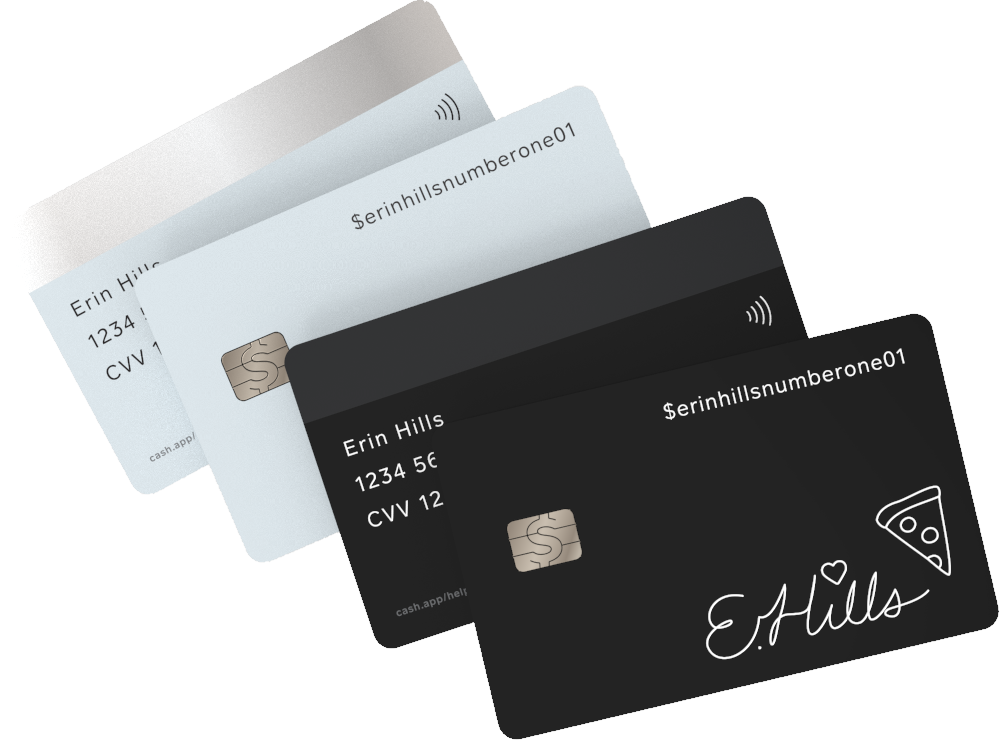
This article will delve into the specifics of obtaining a Cash App Card, clarifying that it is not a product “sold” in the conventional sense but rather a personalized financial instrument issued directly to eligible users. We will explore the seamless application process, how to maximize its benefits for personal finance management, critical security measures, and its position within the broader digital financial ecosystem. Our aim is to provide a professional, insightful, and engaging guide for anyone looking to understand and effectively utilize this powerful financial tool.
Demystifying the Cash App Card Acquisition Process
The initial question, “Who sells Cash App cards?”, often reveals a common misunderstanding. Unlike gift cards or generic prepaid debit cards found in supermarkets or convenience stores, the Cash App Card is not a retail product you can simply buy off a shelf. It is a personalized debit card linked directly to your Cash App balance, issued by Cash App in partnership with a financial institution (currently Sutton Bank). This direct issuance model is central to understanding how to obtain one.
The Direct-to-Consumer Model: How Cash App Delivers
Cash App operates on a direct-to-consumer model, meaning the card is issued and managed solely through the Cash App platform. When you “get” a Cash App Card, you are essentially applying for a debit card that draws funds from your Cash App balance, much like a traditional debit card links to a bank account. This eliminates the need for third-party sellers, simplifying the process and ensuring direct communication between the user and Cash App regarding their financial instrument. The card itself is free to order, emphasizing its role as an integrated feature of the Cash App service rather than a standalone product for purchase. This model streamlines access, putting financial control directly in the user’s hands via their smartphone.
Eligibility Requirements and Application Steps
Acquiring a Cash App Card is a straightforward process designed for accessibility. The primary eligibility requirement is that you must be at least 18 years old and have an active, verified Cash App account. Verification typically involves providing personal information such as your full name, date of birth, and the last four digits of your Social Security Number, which is standard practice for financial institutions to comply with KYC (Know Your Customer) regulations.
Once eligible, the application steps are as follows:
- Open the Cash App: Navigate to the main screen of your Cash App.
- Tap the Cash Card Tab: This tab, usually represented by a card icon, is located at the bottom of your screen.
- Select “Get Free Cash Card”: Follow the prompts to begin the ordering process.
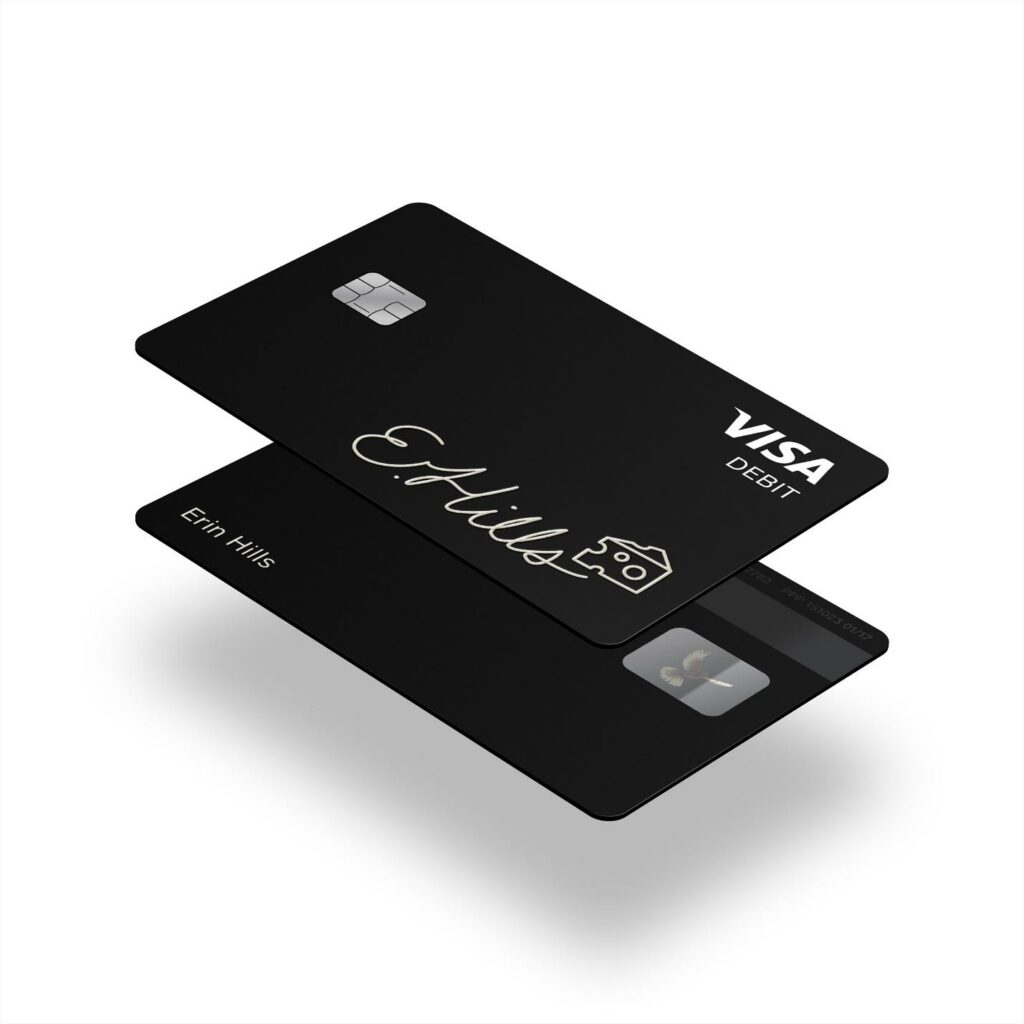
- Customize Your Card: Cash App offers various design options and even allows for personalization with signatures or doodles, adding a unique touch to your financial tool.
- Enter Shipping Information: Provide a valid mailing address where your card will be sent.
- Confirm Details: Review your order and confirm.
Once ordered, the physical card typically arrives within 5-10 business days. Upon arrival, you will need to activate it within the app to begin using it. This process is seamless and entirely managed within the familiar Cash App interface, reinforcing the idea that it’s an integrated service, not a separate retail item.
Understanding the “Free” Aspect and Potential Costs
A significant advantage of the Cash App Card is that the card itself is free to order. There are no monthly maintenance fees, activation fees, or minimum balance requirements, which often appeal to individuals seeking low-cost banking alternatives. However, it’s crucial for users to be aware of certain associated costs that can arise, aligning with responsible personal finance management:
- ATM Withdrawal Fees: While Cash App allows ATM withdrawals, a fee may apply if you use an out-of-network ATM without having set up direct deposit of at least $300 into your Cash App account. With direct deposit, Cash App reimburses ATM fees for eligible withdrawals, offering a significant perk.
- Optional Customization Fees: While the standard card is free, certain premium designs or instant card replacement options might incur a small fee.
- Instant Deposit Fees: While not directly related to the card, moving funds from your Cash App balance to an external bank account instantly incurs a fee (typically 0.5%–1.75%), whereas standard deposits are free.
Understanding these potential costs is essential for prudent financial planning, ensuring users can leverage the card’s benefits without unexpected expenses.
Beyond the Purchase: Maximizing Your Cash App Card for Personal Finance
Once you’ve acquired your Cash App Card, its utility extends far beyond simply spending. Integrated with the broader Cash App ecosystem, it becomes a powerful tool for budgeting, managing income, and navigating daily expenses, making it a relevant component of a modern personal finance strategy.
Budgeting and Expense Tracking with Cash App
One of the often-overlooked benefits of using a Cash App Card is its inherent ability to facilitate budgeting and expense tracking. Every transaction made with the card is automatically recorded within the app, providing a real-time ledger of your spending.
- Instant Notifications: Users receive instant notifications for every purchase, helping them stay aware of their balance and spending habits.
- Transaction History: The app’s detailed transaction history allows users to review their spending categories and identify areas where they might be overspending. This digital record eliminates the need for manual receipt keeping, streamlining the budgeting process.
- Visualizing Cash Flow: By consolidating all card transactions in one place, Cash App helps users visualize their cash flow, making it easier to stick to a budget and make informed financial decisions. For those who find traditional budgeting cumbersome, the simplicity and immediate feedback loop of Cash App can be a game-changer.
Leveraging Direct Deposit for Seamless Management
For many users, the Cash App Card can serve as a viable alternative or supplement to a traditional bank account, especially when utilizing its direct deposit feature. Setting up direct deposit allows employers, government agencies, or other payers to send funds directly to your Cash App account using your unique account and routing numbers.
- Faster Access to Funds: Often, direct deposits arrive up to two days earlier than traditional banks, offering quicker access to your paycheck or benefits.
- Fee Waivers: As mentioned, direct deposit can unlock benefits like ATM fee reimbursements, significantly enhancing the card’s value proposition.
- Centralized Funds: By directing income to Cash App, users can consolidate their funds within the app, making it easier to manage spending and saving, especially for those who primarily use Cash App for various financial activities. This feature positions the Cash App Card not just as a spending tool, but as a central hub for managing income.
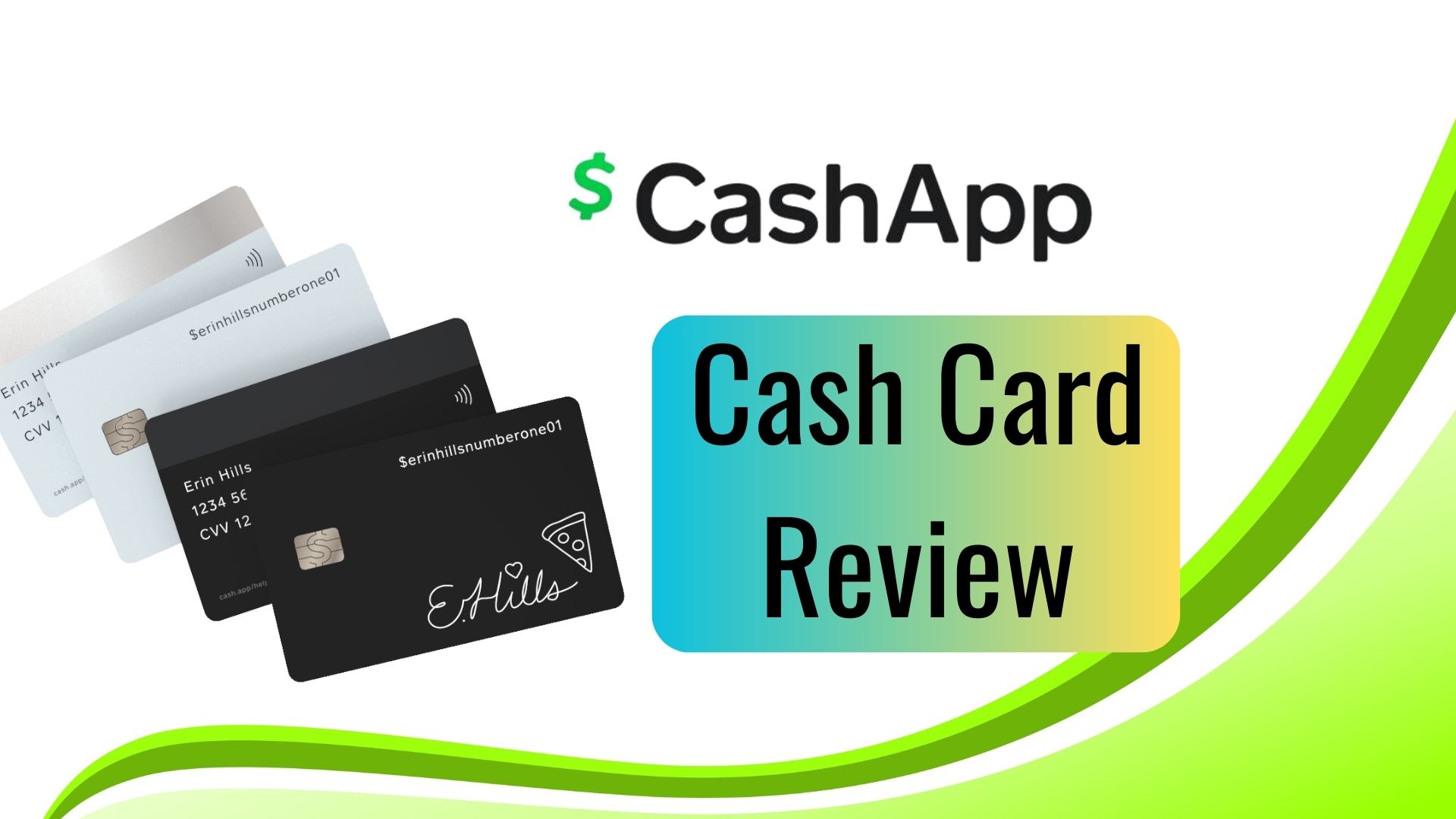
Cash App Card for Everyday Spending vs. Traditional Banking
The Cash App Card functions like a traditional debit card, accepted wherever Visa is, both online and in physical stores. This makes it incredibly versatile for everyday spending.
- Convenience: For quick transactions, online shopping, or even splitting bills with friends (given Cash App’s P2P nature), the card offers immense convenience. It can also be added to Apple Pay or Google Pay for contactless payments.
- Security: Using a debit card reduces the need to carry cash, enhancing security. In-app features allow users to instantly lock their card if it’s lost or stolen, providing peace of mind.
- Limitations: However, it’s important to acknowledge that Cash App is not a full-service bank. It typically lacks features such as physical branch access, comprehensive loan products (mortgages, personal loans), or dedicated financial advisors. While it offers FDIC insurance through its partner bank, its customer service model is primarily digital, which might be a disadvantage for those who prefer in-person assistance for complex issues. Thus, while it’s an excellent tool for specific financial needs, it may not entirely replace a traditional banking relationship for everyone, particularly for those with complex financial requirements.
Security and Financial Prudence: Protecting Your Cash App Assets
In the digital finance world, security is paramount. While Cash App employs robust measures to protect user accounts and transactions, individual vigilance and adherence to best practices are crucial for safeguarding your financial assets. Understanding how to protect your Cash App Card and account is an essential aspect of responsible money management.
Safeguarding Your Card and Account Information
Protecting your Cash App account begins with fundamental digital security practices:
- Strong, Unique Passwords: Always use a complex password that is unique to your Cash App account and enable two-factor authentication (2FA) for an added layer of security.
- PIN Protection: Treat your Cash App Card PIN with the same confidentiality as a traditional bank card PIN. Never share it with anyone.
- In-App Card Lock/Unlock: Cash App provides an invaluable feature allowing users to instantly lock their card from within the app if it’s misplaced or suspected of unauthorized use. This immediate control can prevent fraudulent transactions.
- Beware of Phishing: Be extremely cautious of unsolicited emails, texts, or calls claiming to be from Cash App. Cash App will never ask for your PIN, sign-in code, or full SSN outside of the secure app environment. Always verify the sender’s authenticity before clicking links or providing information.
Recognizing and Avoiding Scams
Unfortunately, the popularity of Cash App has also made it a target for scammers. Financial prudence dictates being aware of common scam tactics:
- “Cash Flipping” Scams: These promise to multiply your money for a small upfront payment, but are invariably fraudulent. Legitimate financial growth takes time and effort, not magical flipping.
- Fake Customer Support: Scammers often pose as Cash App support on social media or through fake websites, asking for sensitive account information or directing users to send them money to “resolve” an issue. Always use the official in-app support or the verified Cash App website.
- Lottery or Giveaway Scams: Be skeptical of messages claiming you’ve won a large sum of money or a giveaway, especially if they ask for a “processing fee” or personal details to claim the prize.
- Unsolicited Payment Requests: Never send money to someone you don’t know, especially if they pressure you or promise something in return. Always verify the recipient before sending funds.
When to Contact Support: Lost Cards and Unauthorized Transactions
Despite best efforts, issues can arise. Knowing when and how to contact Cash App support is vital:
- Lost or Stolen Card: Immediately lock your card using the in-app feature, then report it as lost or stolen within the app. This will allow Cash App to cancel the old card and issue a new one.
- Unauthorized Transactions: If you notice any suspicious activity or transactions you didn’t authorize, report them immediately through the app’s support section. Cash App has a dispute process, but timely reporting is crucial for investigation and potential recovery of funds.
- Accessing Support: The most secure way to contact Cash App support is directly through the app, which ensures you’re interacting with official channels. While Cash App offers robust security features, users should be aware that their fraud protection may not be as extensive as that offered by credit cards, which are legally mandated to limit cardholder liability for fraudulent charges.
Cash App Card in the Broader Financial Ecosystem
The Cash App Card is more than just a piece of plastic; it’s a participant in the broader transformation of financial services. Its functionality and integration with other fintech solutions offer a glimpse into the future of digital banking and payments.
Comparing Cash App Card to Other Fintech Solutions
The Cash App Card operates within a competitive landscape of fintech products, often compared to offerings from companies like Chime, Revolut, and Venmo.
- Challenger Banks (e.g., Chime): These often offer similar fee structures, early direct deposit, and mobile-first experiences, but may focus more exclusively on banking features, whereas Cash App has a broader scope including P2P, investing, and Bitcoin.
- Other P2P Apps with Cards (e.g., Venmo Card): These share similarities in linking a debit card to an app balance, but Cash App distinguishes itself with its integrated stock and Bitcoin trading features, providing a more comprehensive financial hub for certain users.
- Traditional Prepaid Cards: While Cash App Card functions like a prepaid card in some ways (only spending what’s available), its direct link to an active P2P and investing platform makes it far more dynamic and integrated than generic prepaid cards bought off the shelf. Cash App’s unique “Boosts” program, offering instant discounts at various merchants, also sets it apart from many competitors.
Integration with Online and Physical Retailers
Operating on the Visa network, the Cash App Card enjoys widespread acceptance globally. This means users can confidently use their card for online purchases, subscription services, and point-of-sale transactions at virtually any merchant that accepts Visa debit cards. Its compatibility with mobile wallets like Apple Pay and Google Pay further enhances its utility, offering secure and convenient contactless payment options in a retail environment. This broad acceptance ensures that the Cash App Card is a practical tool for daily financial transactions, bridging the gap between digital funds and the physical economy.
Future Trends in Digital Payment Cards
The evolution of payment cards is relentless. Trends like tokenization (where actual card numbers are replaced with unique tokens for security), the increasing prevalence of virtual cards for online purchases, and the deeper integration of payment functionalities into broader lifestyle apps are shaping the future. Cash App is well-positioned within this evolution, continuously updating its features and security protocols to remain relevant. Its embrace of Bitcoin and fractional stock investing alongside traditional payment methods highlights a forward-thinking approach, suggesting that future iterations of the Cash App Card will likely integrate even more diverse financial services, catering to a generation that demands flexibility, transparency, and innovation from their financial tools.
Conclusion
The question, “Who sells Cash App cards?” is best answered by understanding that these cards are not commodities for sale, but rather integral components of the Cash App financial ecosystem, issued directly to eligible users. This direct-to-consumer model simplifies access, making it incredibly easy to apply for a card that links seamlessly to your Cash App balance. Far from being just a spending tool, the Cash App Card, when utilized effectively, can become a cornerstone of personal financial management—a means for budgeting, receiving income via direct deposit, and making everyday transactions with convenience and security.
However, like any powerful financial instrument, responsible use is paramount. Adhering to robust security practices, staying vigilant against scams, and understanding the nuances of its fee structure are essential for maximizing the card’s benefits while safeguarding your financial well-being. As the digital financial landscape continues to evolve, the Cash App Card exemplifies the innovative spirit of fintech, offering an accessible, integrated, and empowering tool for individuals seeking modern solutions for their money management needs. By embracing its capabilities and exercising financial prudence, users can truly leverage the Cash App Card to their advantage.
aViewFromTheCave is a participant in the Amazon Services LLC Associates Program, an affiliate advertising program designed to provide a means for sites to earn advertising fees by advertising and linking to Amazon.com. Amazon, the Amazon logo, AmazonSupply, and the AmazonSupply logo are trademarks of Amazon.com, Inc. or its affiliates. As an Amazon Associate we earn affiliate commissions from qualifying purchases.