
Microsoft stands as an undisputed titan in the global technology arena, a company whose innovations have shaped, and continue to shape, the digital world we inhabit. From operating systems and productivity software to cloud computing, artificial intelligence, and gaming, its reach is pervasive. Yet, behind this vast technological empire lies a meticulously structured leadership team, whose vision, decisions, and strategic direction dictate the pace and nature of its evolution. Understanding “who runs Microsoft” is not merely about identifying names and titles; it’s about comprehending the forces that steer its technological trajectory, influence its research and development priorities, and ultimately determine its role in pushing the boundaries of what technology can achieve. This exploration delves into the key individuals and organizational layers that orchestrate Microsoft’s technological might, revealing how their leadership propels the company forward in an ever-accelerating innovation cycle.

The Architect of Modern Microsoft: Satya Nadella’s Visionary Leadership
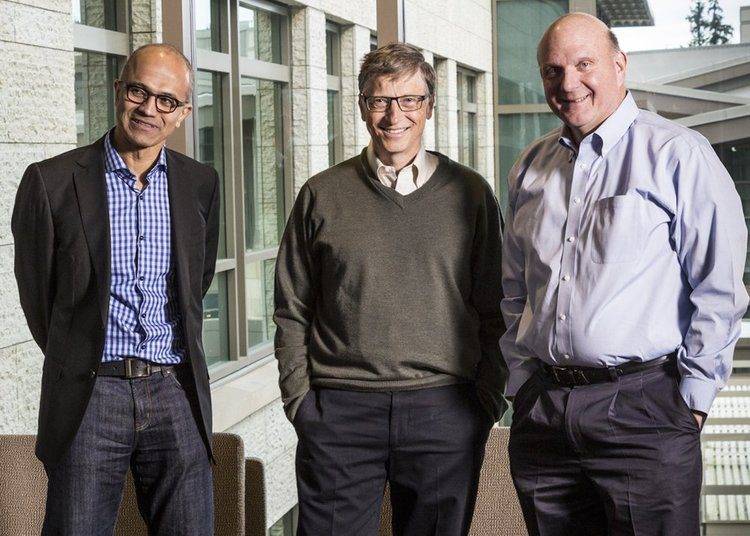
At the pinnacle of Microsoft’s operational leadership is Satya Nadella, who assumed the role of CEO in February 2014. His tenure has been widely heralded as a period of profound transformation, fundamentally reshaping Microsoft’s strategic focus, technological priorities, and cultural ethos. Nadella’s leadership is not just about managing a large corporation; it’s about steering a massive technological entity through complex shifts in the global digital landscape.
A Strategic Shift: Cloud-First, AI-Driven
Nadella’s most impactful contribution to Microsoft’s technological direction has been the decisive pivot towards a “cloud-first, mobile-first” strategy, which has since evolved into a “cloud-first, AI-driven” mandate. Prior to his leadership, Microsoft was often perceived as being overly reliant on its Windows operating system and Office productivity suite. Nadella recognized the paradigm shift occurring with the rise of cloud computing and mobility, repositioning Azure, Microsoft’s cloud platform, as the company’s core growth engine. This strategic reorientation involved massive investments in datacenter infrastructure, a re-architecting of software development to be cloud-native, and a relentless focus on delivering platform-as-a-service (PaaS) and infrastructure-as-a-service (IaaS) solutions to enterprises worldwide.
Under his guidance, Microsoft has become a dominant player in the cloud market, with Azure directly competing with AWS and Google Cloud. This shift wasn’t just about business; it dictated a complete overhaul of Microsoft’s internal software engineering practices, prioritizing cross-platform compatibility, API-first development, and a services-oriented architecture. More recently, Nadella has doubled down on artificial intelligence, integrating AI capabilities across Microsoft’s entire product portfolio, from Azure AI services and Copilot within Microsoft 365 to AI-enhanced features in Windows and Xbox. This AI-first approach has dictated significant R&D investments, talent acquisition in AI/ML, and strategic partnerships, notably with OpenAI, positioning Microsoft at the forefront of generative AI development and deployment.
Cultivating a Culture of Innovation and Collaboration
Beyond strategic product pivots, Nadella has profoundly influenced Microsoft’s technological output by fostering a more open, collaborative, and growth-mindset culture. Historically, Microsoft was known for internal competition and a siloed approach to development. Nadella actively dismantled these barriers, encouraging inter-departmental collaboration and a willingness to embrace external technologies and platforms, including open source.
This cultural transformation has had direct implications for Microsoft’s technological output. For instance, the company’s embrace of Linux on Azure, its acquisition of GitHub, and its active contributions to various open-source projects (like VS Code, TypeScript) were unthinkable in previous eras. This openness has allowed Microsoft to attract top talent, integrate diverse technologies more seamlessly, and accelerate innovation by leveraging collective intelligence. It has also enabled more rapid iteration and responsiveness to market demands, moving away from monolithic product cycles to more agile, continuous delivery models that are essential in modern software development.
Driving Growth Through Key Acquisitions and Partnerships
Nadella’s strategic vision has also manifested in a series of high-profile acquisitions and partnerships that have significantly expanded Microsoft’s technological footprint and capabilities. The acquisition of GitHub in 2018 was a landmark move, solidifying Microsoft’s commitment to the developer community and open source, directly impacting its tooling and platform strategies. The acquisition of Nuance Communications brought industry-leading conversational AI and ambient intelligence capabilities, particularly in healthcare, directly bolstering Microsoft’s AI and cloud solutions in vertical markets.
Perhaps the most ambitious acquisition under Nadella is Activision Blizzard, aimed at bolstering Microsoft’s Xbox gaming division and its metaverse strategy. This move signifies a clear technological intent to expand beyond traditional software and cloud services into immersive entertainment and emerging digital worlds. Each of these strategic maneuvers, whether through direct acquisition or deep technological partnerships (like the one with OpenAI), is meticulously orchestrated to enhance Microsoft’s technological stack, broaden its market reach, and secure its position as a leader across multiple innovation fronts.
The Executive Leadership Team: Engineering the Future
While Nadella sets the overarching vision, a deep bench of highly specialized executives translates that vision into tangible technological products and services. These leaders manage vast engineering teams, allocate resources, and make critical decisions that shape the day-to-day technological advancements within their respective domains.
Product and Technology Leadership
The executive leadership team is segmented into leaders responsible for specific product groups, each driving innovation within their technological spheres:
- Azure & AI (e.g., Scott Guthrie, Executive Vice President, Cloud and AI Group): This group is responsible for the entire Azure platform, including its global infrastructure, compute, networking, storage, databases, and a comprehensive suite of AI services. Their leadership dictates the pace of innovation in cloud native technologies, serverless computing, machine learning platforms, and the deployment of hyperscale AI models. Their decisions directly influence the tools and services developers and enterprises use to build their own cloud-based applications and AI solutions.
- Windows & Devices (e.g., Pavan Davuluri, Executive Vice President, Windows and Web Experiences): This team oversees the development of Windows, the world’s most popular desktop operating system, and hardware devices like Surface. Their focus includes evolving Windows for the era of AI PCs, enhancing user experience, integrating new hardware technologies, and ensuring security and compatibility across a vast ecosystem of software and peripherals.
- Office & Microsoft 365 (e.g., Rajesh Jha, Executive Vice President, Experiences & Devices Group): Responsible for Microsoft’s ubiquitous productivity suite, this group focuses on integrating AI (Copilot), cloud collaboration features, and new communication tools into Word, Excel, PowerPoint, Outlook, Teams, and Viva. Their work directly impacts how millions of professionals create, communicate, and collaborate digitally.
- Gaming (e.g., Phil Spencer, CEO of Microsoft Gaming): The Xbox division leads Microsoft’s efforts in console gaming, PC gaming, cloud gaming (Xbox Cloud Gaming), and content development. This team is at the forefront of innovation in graphics technology, game development platforms, online multiplayer services, and immersive entertainment experiences.

Research and Development Powerhouses
Beyond product-specific teams, Microsoft maintains world-class research arms dedicated to long-term, foundational technological breakthroughs. Microsoft Research (MSR) is a global network of research labs comprised of leading scientists and engineers exploring cutting-edge fields like artificial intelligence, quantum computing, human-computer interaction, cybersecurity, and computational science. These labs operate with a longer time horizon than product groups, focusing on basic and applied research that may not see commercialization for years, but which ultimately fuels future Microsoft products and industry-wide innovation. Leaders within MSR are often world-renowned experts who guide the research agenda and foster a culture of scientific discovery that underpins Microsoft’s intellectual property and future technological leadership.
Cybersecurity and Digital Trust
In an era of escalating cyber threats, leadership in cybersecurity is paramount. Microsoft’s executive team, including Chief Security Officers and leaders within the Cloud and AI Group, dedicate significant resources to ensuring the security of its vast cloud infrastructure, software products, and user data. This involves developing advanced threat intelligence capabilities, investing in robust security protocols, employing machine learning for anomaly detection, and providing comprehensive security solutions to customers. This aspect of leadership is crucial for maintaining digital trust, which is a foundational requirement for all technological adoption. Their decisions directly impact Microsoft’s ability to protect its own assets and to offer leading-edge security technologies to the global community.
The Board of Directors: Governance and Strategic Oversight
While the executive team focuses on operational leadership, Microsoft’s Board of Directors provides crucial oversight and strategic guidance. Comprised of independent directors and key executives like Satya Nadella and Brad Smith (President & Vice Chair), the board’s role is to ensure long-term value creation for shareholders and responsible corporate governance.
Setting the Long-Term Technological Compass
The board, often including influential figures like Bill Gates (who for a long time served as a Technology Advisor and board member, and even after stepping down completely from the board, his foundational vision remains an influencing factor), helps set Microsoft’s long-term strategic direction, particularly regarding major technological bets and ethical considerations. They approve significant investments in R&D, major acquisitions, and strategic partnerships, evaluating their potential impact on Microsoft’s technological leadership and market position. Discussions around responsible AI development, data privacy, and the ethical implications of emerging technologies are increasingly central to the board’s purview, ensuring that Microsoft’s technological advancements align with societal values and regulatory frameworks.
Ensuring Accountability and Sustainable Innovation
The board also plays a critical role in holding the executive team accountable for their performance, including the execution of technological strategies. They review financial results, operational performance, and compliance, ensuring that Microsoft’s innovation engine is running efficiently and sustainably. This oversight function ensures that the company remains focused on delivering cutting-edge technology while adhering to sound business practices and maintaining investor confidence.
The Ecosystem of Influence: Beyond the C-Suite
The influence on Microsoft’s technological direction extends beyond the top executive layers. A vast ecosystem of technical talent and community engagement also plays a critical role.
Key Engineers and Technical Fellows
Within Microsoft, a cadre of Distinguished Engineers, Technical Fellows, and Principal Architects holds immense sway. These are individuals recognized for their exceptional technical depth, innovation, and leadership in specific technological domains. They drive architectural decisions, mentor junior engineers, lead crucial research initiatives, and often act as internal consultants for complex technical challenges. Their expertise is instrumental in shaping the technical specifications of products, pushing the boundaries of what is feasible, and translating abstract ideas into concrete technological solutions.
Open Source Contributions and Community Engagement
Under current leadership, Microsoft has also become a major contributor to and consumer of the open-source community. This engagement, driven by both executive vision and grassroots developer contributions, directly influences its software development practices, interoperability standards, and innovation cycles. By actively participating in open-source projects, Microsoft contributes code, shares insights, and adopts best practices, effectively leveraging a global community of developers to enhance its own technological offerings and foster a more connected and innovative tech ecosystem.
Conclusion
Understanding “who runs Microsoft” reveals a multifaceted structure orchestrated by visionary leaders, specialized executives, rigorous governance, and a deep talent pool. Satya Nadella’s transformative leadership has effectively pivoted Microsoft towards a future defined by cloud computing and artificial intelligence, steering its vast technological capabilities into new frontiers. Supported by an expert executive team driving innovation in software, platforms, and devices, and overseen by a strategic Board of Directors, Microsoft continues to solidify its position as a technological pacesetter. This intricate interplay of leadership ensures that Microsoft remains at the forefront of technological innovation, constantly shaping the digital tools and experiences that power our world and defining the next era of technological advancement.
aViewFromTheCave is a participant in the Amazon Services LLC Associates Program, an affiliate advertising program designed to provide a means for sites to earn advertising fees by advertising and linking to Amazon.com. Amazon, the Amazon logo, AmazonSupply, and the AmazonSupply logo are trademarks of Amazon.com, Inc. or its affiliates. As an Amazon Associate we earn affiliate commissions from qualifying purchases.