
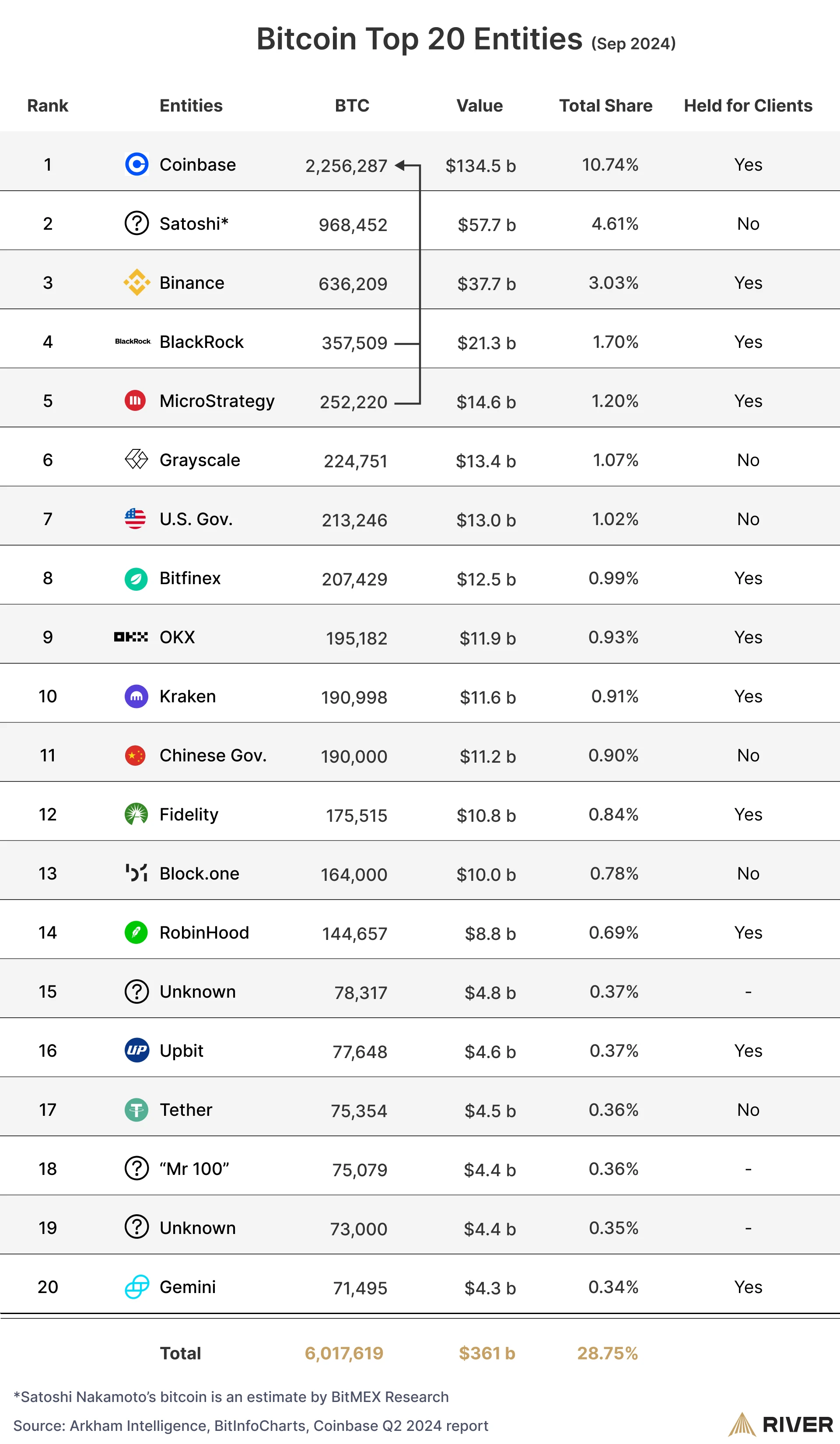
The question “who runs Bitcoin?” is a fundamental one that strikes at the very core of its revolutionary design and its profound implications for the world of finance. Unlike traditional financial institutions or corporate entities, Bitcoin has no CEO, no board of directors, and no single governing body. This absence of centralized control is not a flaw but its defining feature, a deliberate architectural choice that makes it a unique asset and a powerful financial innovation. Understanding how Bitcoin operates without a singular authority is key to grasping its value proposition as a decentralized, global monetary system.
The Illusion of Centralized Control: Why Bitcoin Has No CEO
In an era dominated by corporate giants and governmental bodies, the idea of a global financial network operating autonomously seems counterintuitive. Yet, Bitcoin was born precisely from a desire to create such a system, free from the whims of centralized power and the inherent vulnerabilities it brings. Its design directly addresses the financial crises and lack of trust that have plagued conventional banking systems for centuries.
The Genesis: A Response to Financial Crisis
Bitcoin emerged in 2009, hot on the heels of the 2008 global financial crisis. The anonymous creator, Satoshi Nakamoto, famously embedded a newspaper headline in Bitcoin’s genesis block: “Chancellor on brink of second bailout for banks.” This message was a powerful statement of purpose, signaling Bitcoin’s intent to offer an alternative to a financial system perceived as opaque, fragile, and prone to mismanagement. The vision was to create a peer-to-peer electronic cash system that allowed transactions to occur directly between parties without the need for a trusted third party, effectively removing banks and other intermediaries from the equation. This radical idea laid the groundwork for a truly independent financial asset.
Satoshi Nakamoto’s Vision: Decentralization as Security
Satoshi Nakamoto’s greatest contribution was not just the creation of a digital currency but the design of a decentralized network that could maintain its integrity and security without any single point of failure. By remaining anonymous and eventually disappearing from public communication, Satoshi ensured that Bitcoin would never be associated with a single leader or entity that could be pressured or controlled. This intentional decentralization is Bitcoin’s ultimate security mechanism. It means no government can shut it down, no corporation can dictate its rules, and no single individual can manipulate its supply or censor its transactions. For investors and users, this translates into a high degree of confidence in the network’s resilience and its immunity to the political and economic forces that often influence traditional financial markets.
A Network of Participants: The Decentralized Governance Model
If no one “runs” Bitcoin, how does it function? The answer lies in a robust ecosystem of diverse participants, each playing a crucial role and incentivized to act in the network’s best interest. This collective stewardship ensures the network’s continuous operation, security, and evolution.
Miners: Securing the Network and Validating Transactions
Bitcoin miners are the backbone of the network’s security. Using specialized hardware, they compete to solve complex cryptographic puzzles. The first miner to find a solution gets to add the next block of verified transactions to the blockchain and is rewarded with newly minted bitcoins (the block reward) and transaction fees. This “Proof of Work” mechanism is incredibly energy-intensive but financially crucial: it deters malicious actors, as an attacker would need to control more than 50% of the network’s total computing power—an astronomically expensive and practically impossible feat—to compromise the ledger. Miners are therefore highly incentivized to maintain the integrity of the network, as their profitability directly depends on Bitcoin’s stability and value.
Nodes: Verifying and Propagating the Blockchain
Bitcoin nodes are computers connected to the network that download and verify every transaction and every block. Full nodes maintain a complete copy of the entire Bitcoin blockchain, effectively acting as independent auditors of the network’s financial history. They enforce the protocol rules, reject invalid transactions, and relay valid ones to other nodes, ensuring consistency across the entire network. While running a node offers no direct financial reward, it provides users with the highest level of security and privacy, allowing them to interact with the Bitcoin network without trusting any third party. The vast number of independent nodes globally makes it virtually impossible for any single entity to alter the blockchain or manipulate the rules.
Developers: Maintaining and Evolving the Protocol
A global community of open-source developers continually works on the Bitcoin protocol. These developers propose improvements, fix bugs, and ensure the software remains robust and efficient. While often associated with the “Bitcoin Core” client, development is decentralized, with contributions coming from various independent groups and individuals. Their work is critical for the long-term viability and security of Bitcoin as a financial asset. Funding for these developers often comes from grants, donations, or companies that benefit from the Bitcoin ecosystem, demonstrating a market-driven incentive to ensure the protocol’s ongoing health. However, their proposed changes must gain broad consensus from other stakeholders—miners, nodes, and users—to be adopted.
Users: Driving Demand and Setting Value
Ultimately, Bitcoin’s existence and value are sustained by its users. Investors who hold Bitcoin as a store of value, individuals who use it for transactions, and businesses that integrate it into their operations all contribute to its demand and utility. Their collective decisions to buy, sell, hold, or spend Bitcoin directly influence its market price and solidify its status as a viable financial instrument. Without a user base, the network would cease to have economic significance. The users, through their economic activity and adoption, are the ultimate arbiters of Bitcoin’s success and its role in the global financial landscape.
Consensus and the Bitcoin Improvement Proposal (BIP) Process
In a decentralized system without a central command, making changes or upgrades requires a unique form of consensus. This process ensures that any significant alteration to Bitcoin’s fundamental rules or operations reflects the broad agreement of its diverse stakeholders, protecting its integrity as a stable financial asset.

From Proposal to Implementation: A Community-Driven Approach
The primary mechanism for proposing changes to the Bitcoin protocol is the Bitcoin Improvement Proposal (BIP) process. Anyone can submit a BIP, outlining technical specifications and rationale for a proposed change. These proposals are then subject to rigorous scrutiny, discussion, and debate within the developer community and broader Bitcoin ecosystem. For a significant change to be implemented, it generally requires “social consensus” — a broad agreement among developers, miners, nodes, and users that the change is beneficial and necessary. Miners often signal their support for a BIP by running software compatible with the proposed change. Ultimately, users decide by choosing which software version they run on their nodes and which chain they consider valid. This layered consensus model acts as a powerful check against unilateral changes that could harm Bitcoin’s financial stability or core principles.
The Power of Social Consensus: Forks and Ecosystem Resilience
The decentralized nature of Bitcoin means that if a significant portion of the community cannot agree on a proposed change, the network can “fork.” A “fork” occurs when the blockchain splits into two separate chains, each adhering to a different set of rules. A “soft fork” is a backward-compatible change that tightens rules, while a “hard fork” is a non-backward-compatible change that requires all participants to upgrade their software to remain on the new chain. Bitcoin’s history includes several notable hard forks, such as the creation of Bitcoin Cash. When a fork occurs, the market ultimately decides which chain retains value and utility, effectively voting with its capital. This market-driven decision-making process reinforces the idea that no single entity can dictate Bitcoin’s future, showcasing its inherent resilience and the power of economic consensus in a leaderless financial system.
Financial Implications of a Leaderless Currency
The absence of a central authority is not merely a technical detail; it has profound financial implications, shaping Bitcoin’s characteristics as an asset, its role in personal finance, and its potential to disrupt traditional monetary systems.
Independence from Traditional Financial Institutions
Bitcoin operates outside the control of central banks, governments, or traditional financial institutions. This independence means it is immune to the inflationary policies, capital controls, and censorship often associated with fiat currencies. For individuals, this offers unparalleled sovereignty over their wealth, free from the risks of bank bail-ins or government-mandated freezes. For investors, it represents a non-sovereign asset, diversifying risk away from traditional financial markets and geopolitical influences.
Scarcity and Deflationary Tendencies
One of Bitcoin’s most compelling financial attributes is its fixed supply cap of 21 million coins. This hard limit, enshrined in its code, makes Bitcoin a truly scarce asset, a stark contrast to fiat currencies, which can be printed at will by central banks. Furthermore, Bitcoin’s “halving” events—where the block reward for miners is cut by half approximately every four years—systematically reduce the rate of new supply issuance. These mechanisms create inherent deflationary pressure, making Bitcoin an attractive hedge against inflation and a potential store of value over the long term, akin to digital gold.
Investment Implications: A Store of Value or Speculative Asset?
Bitcoin’s leaderless nature and fixed supply have led many to view it as “digital gold,” a safe haven asset and a hedge against economic uncertainty. Its volatility, however, means it also functions as a speculative asset for many investors. Understanding the decentralized governance model is crucial for assessing its investment potential. The network’s resilience, the transparency of its ledger, and its immunity to central tampering contribute to its long-term investment thesis as a robust, uncensorable asset. For those in personal finance, Bitcoin offers a unique opportunity for portfolio diversification, although it comes with its own set of risks related to market sentiment and regulatory developments.
The Future of Money: Challenging Monetary Policy
Bitcoin’s existence challenges fundamental assumptions about monetary policy. A currency not controlled by a state or central bank introduces a new paradigm for economic stability and growth. Its success suggests a future where digital assets could play a significant role in individual wealth management and global commerce, potentially influencing how governments manage their own fiat currencies and economies. The leaderless nature of Bitcoin means its monetary policy (the 21 million coin cap and halving schedule) is transparent, predictable, and unchangeable by decree, offering a distinct alternative to the discretionary policies of traditional central banking.
Understanding Bitcoin’s Resilience and Value Proposition
The complex, multi-stakeholder model of Bitcoin’s governance is not merely an interesting technical detail; it is the cornerstone of its resilience and its long-term value proposition as a financial asset.
Why Decentralization Matters for Financial Trust
In a world increasingly questioning institutional trust, Bitcoin shifts that trust from human intermediaries to cryptographic proof and open-source code. Financial trust in Bitcoin is earned through verifiable mathematics and a transparent, auditable ledger, not promises from a central entity. This unprecedented level of transparency and immutability means every transaction and every balance can be independently verified by anyone, at any time. For personal finance, this translates into a higher degree of security and confidence that one’s assets are truly owned and cannot be arbitrarily manipulated or confiscated. This decentralized trust mechanism is a critical differentiator in its appeal as a global financial tool.
Protecting Against Censorship and Confiscation
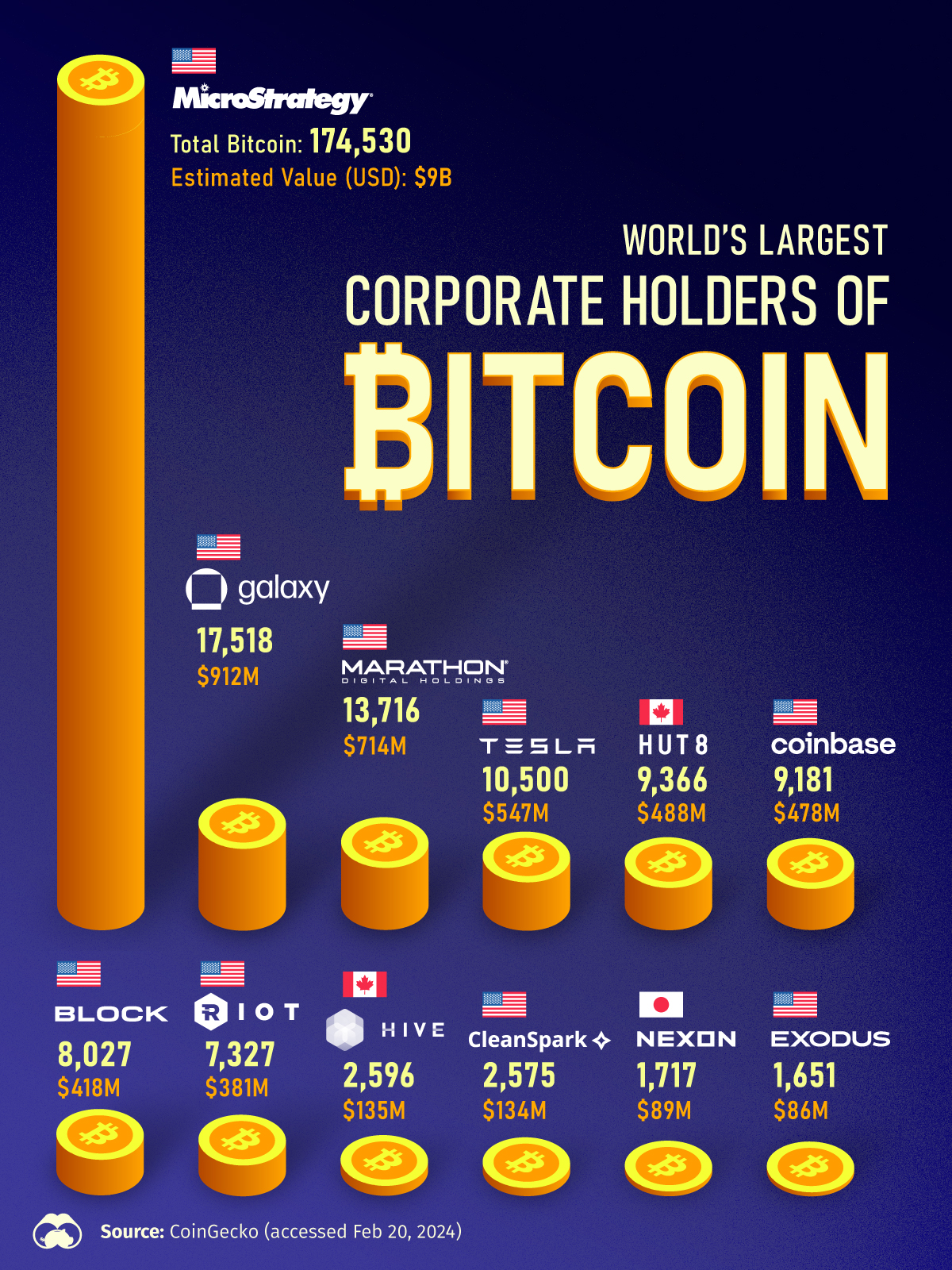
The ultimate implication of Bitcoin’s leaderless structure is its resistance to censorship and confiscation. Because no single entity controls the network, no one can unilaterally prevent a transaction from occurring or seize an individual’s bitcoin holdings (assuming proper self-custody). This characteristic makes Bitcoin a powerful tool for financial freedom, particularly in regions with unstable governments, hyperinflation, or oppressive regimes. For investors worldwide, it offers a robust financial sanctuary, providing an unparalleled degree of control over one’s wealth that traditional banking systems, by their very nature, cannot match. This fundamental protection against external interference is what solidifies Bitcoin’s position as a truly independent and revolutionary form of money.
aViewFromTheCave is a participant in the Amazon Services LLC Associates Program, an affiliate advertising program designed to provide a means for sites to earn advertising fees by advertising and linking to Amazon.com. Amazon, the Amazon logo, AmazonSupply, and the AmazonSupply logo are trademarks of Amazon.com, Inc. or its affiliates. As an Amazon Associate we earn affiliate commissions from qualifying purchases.